S-Adenosyl-L-Methionine (SAMe): In Depth
Comprehensive guide to SAMe: evidence-based uses, benefits, dosage, and safety information.
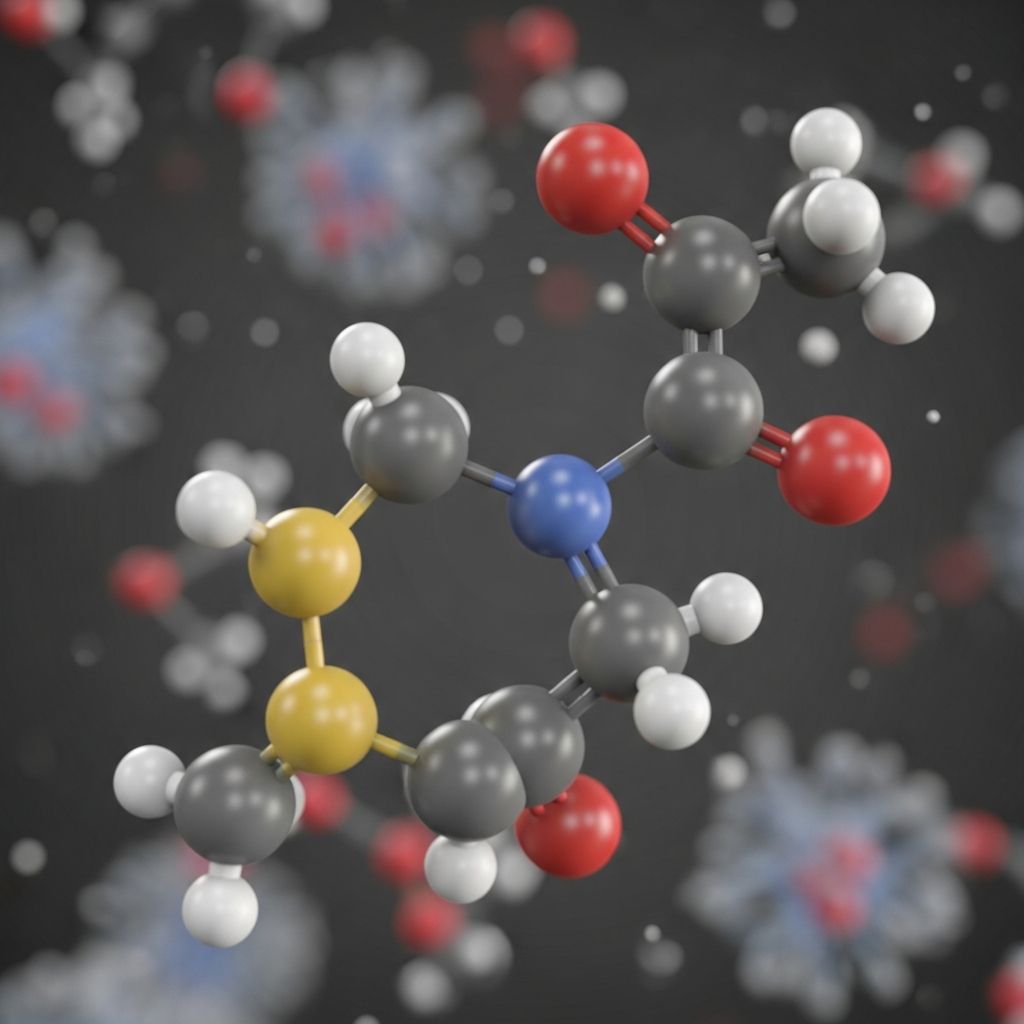
S-Adenosyl-L-Methionine, commonly known as SAMe, is a naturally occurring compound synthesized in the human body from the amino acid L-methionine and adenosine triphosphate (ATP). This molecule plays a crucial role in numerous biochemical processes, functioning as a primary methyl donor in various enzymatic reactions throughout the body. SAMe participates in the synthesis of neurotransmitters, phospholipids, and proteins, making it essential for optimal cellular function and overall health. The compound has garnered significant scientific attention over the past several decades, with researchers investigating its potential therapeutic applications for various conditions, particularly depression, osteoarthritis, and liver diseases.
What Is SAMe and How Does It Work?
SAMe operates through multiple mechanisms within the body. As a methyl donor, it facilitates methylation reactions that are fundamental to numerous physiological processes. One of its primary functions involves the synthesis and regulation of neurotransmitters, including serotonin, dopamine, and norepinephrine, which are critical for mood regulation and cognitive function. Additionally, SAMe supports the production of phosphatidylserine, a phospholipid essential for brain cell membrane fluidity and optimal neuronal communication.
The compound also plays a vital role in the synthesis of glutathione, one of the body’s most potent antioxidants. This function is particularly important for liver detoxification and cellular protection against oxidative stress. Furthermore, SAMe contributes to the formation of cartilage components and supports joint lubrication through its involvement in the production of synovial fluid, which may explain its potential benefits for joint health.
Clinical Evidence for Depression
Depression represents one of the most extensively researched applications of SAMe supplementation. Numerous double-blind, placebo-controlled clinical trials have demonstrated that SAMe can produce significant mood improvement in individuals with depressive symptoms. The mechanisms by which SAMe exerts its antidepressant effects involve raising brain levels of critical neurotransmitters and improving their binding to receptor sites, thereby enhancing neurotransmitter activity and efficacy.
Research indicates that SAMe demonstrates efficacy comparable to standard antidepressant medications in some studies. A notable clinical study found that the clinical response rate for patients treated with SAMe was 36.1%, with a remission rate of 25.8%, compared to placebo response rates of 17.6% and remission of 11.7%, respectively. Importantly, SAMe was shown to be safe when used concurrently with selective serotonin reuptake inhibitors (SSRIs), and evidence suggests it may have a supportive effect when combined with these conventional antidepressants.
The advantage of SAMe for depression includes not only its efficacy but also its favorable side effect profile compared to many pharmaceutical antidepressants. Most individuals tolerate SAMe well, with only minor gastrointestinal disturbances reported in some cases.
Osteoarthritis and Joint Health
Osteoarthritis, the degenerative “wear and tear” form of arthritis affecting millions of people worldwide, represents another primary therapeutic application for SAMe. A substantial body of scientific evidence supports the use of SAMe for managing osteoarthritis symptoms and potentially slowing disease progression.
Double-blind clinical trials involving over 21,500 subjects have demonstrated that SAMe is effective in reducing both pain and functional limitations associated with osteoarthritis. Remarkably, these studies show that SAMe produces pain relief and clinical improvements comparable to nonsteroidal anti-inflammatory drugs (NSAIDs) such as ibuprofen, indomethacin, naproxen, and piroxicam. The critical distinction is that SAMe accomplishes this without the adverse effects commonly associated with NSAID use, including gastrointestinal complications, cardiovascular risks, and potential kidney damage.
Related Stories



The mechanisms underlying SAMe’s benefits for osteoarthritis include its ability to reduce inflammation, promote cartilage production and repair, and support the formation of synovial fluid that lubricates joints. Animal studies provide further evidence that SAMe may help protect cartilage from additional damage, potentially slowing disease progression over time.
The typical dosage used in these successful clinical trials ranged from 400 mg to 1,200 mg daily, with many studies utilizing doses of 1,200 mg daily divided into multiple administrations.
Liver Health and Hepatic Function
SAMe plays a fundamental role in liver function, and supplementation has demonstrated benefits for various hepatic conditions. The liver relies heavily on SAMe as a methyl donor for numerous detoxification reactions and cellular regeneration processes. Weak to moderate evidence suggests that SAMe might be helpful for several liver conditions, including cirrhosis, chronic viral hepatitis, pregnancy-related jaundice, and Gilbert’s syndrome.
Research indicates that SAMe promotes liver cell regeneration and improves the liver’s detoxification capacity. This is particularly relevant for individuals whose livers are compromised by conditions associated with fatty infiltration or excess estrogen exposure. Women taking oral contraceptives or experiencing premenstrual syndrome may particularly benefit from SAMe supplementation due to the hormone-metabolism role the compound plays in hepatic function.
For individuals with Gilbert’s syndrome, a benign condition characterized by chronically elevated serum bilirubin levels, SAMe supplementation has been shown to significantly decrease bilirubin levels, potentially improving symptoms and reducing discomfort.
Importantly, individuals with severe liver disease should only take SAMe under medical supervision, as the compound may be contraindicated in certain advanced hepatic conditions.
Additional Therapeutic Applications
Fibromyalgia
Fibromyalgia, a chronic musculoskeletal pain condition often accompanied by depression and fatigue, has been studied as another potential application for SAMe. Double-blind clinical trials have demonstrated that SAMe produces excellent benefits in fibromyalgia patients, with improvements noted in the reduction of trigger points, painful areas, and associated mood disturbances. The compound appears particularly valuable for this patient population given its dual action on both pain and mood symptoms.
Cognitive Function and Dementia
Emerging evidence suggests that SAMe may have potential applications for cognitive disorders and dementia. SAMe has demonstrated the ability to cross the blood-brain barrier, allowing it to exert direct effects on brain tissue. Several studies have shown that SAMe improved cognitive symptoms such as memory and word recall in patients with cognitive impairment. Animal studies in aging rats have confirmed that SAMe supplementation improved cognitive function, and further research indicates that SAMe may limit Alzheimer’s disease biomarkers. However, large-scale, randomized-controlled human trials are needed to establish definitive efficacy for dementia prevention and treatment.
Parkinson’s Disease
SAMe has undergone investigation as a possible supportive treatment for Parkinson’s disease, particularly given its role in supporting mood, as depression is commonly associated with this neurological condition. One consideration is that levodopa, the primary medication used for Parkinson’s disease, depletes the body’s SAMe stores, suggesting that SAMe supplementation might be beneficial. However, there is a possibility that SAMe could interfere with levodopa efficacy, potentially requiring dosage adjustments. Anyone with Parkinson’s disease considering SAMe supplementation should consult with their healthcare provider.
Gastric Protection
Preliminary evidence suggests that SAMe can protect the stomach against damage caused by alcohol consumption, though additional research is needed to establish the strength and clinical significance of this protective effect.
Dosage and Administration
SAMe is typically recommended at a dosage of 200 to 400 mg administered twice daily for most applications, though higher doses up to 1,200 mg daily have been used in clinical trials for osteoarthritis. The compound can be taken orally in tablet or capsule form, administered through intramuscular injection, or delivered intravenously, though oral supplementation is most common among consumers.
The bioavailability of oral SAMe can be enhanced when taken with food, though some formulations are designed for maximum absorption. Consistency in supplementation is important, as therapeutic effects typically develop over several weeks of regular use.
Safety Profile and Side Effects
SAMe is generally considered safe and well-tolerated by most individuals. The most commonly reported side effect is occasional nausea and mild gastrointestinal disturbances, which typically occur in a small percentage of users and often diminish with continued use or dose adjustment. These side effects are notably less frequent and severe than those associated with NSAIDs and many pharmaceutical antidepressants.
SAMe is considered safe during pregnancy and lactation, making it a potential option for pregnant women experiencing depression or joint pain, though any such use should be discussed with a healthcare provider. There are no known significant drug interactions with SAMe, though individuals taking medications should inform their healthcare provider about supplementation.
Individuals with bipolar disorder should exercise caution with SAMe, as there is theoretical concern that it might trigger manic episodes, though clinical evidence on this point is limited.
Comparison of SAMe with Other Treatments
| Treatment Option | Efficacy | Side Effects | Cost | Primary Uses |
|---|---|---|---|---|
| SAMe | Comparable to NSAIDs and some antidepressants | Minimal (occasional nausea) | Moderate to High | Depression, osteoarthritis, liver health |
| NSAIDs (Ibuprofen, Naproxen) | Effective for pain and inflammation | GI complications, cardiovascular risks, kidney damage | Low | Pain, inflammation, osteoarthritis |
| SSRIs (Antidepressants) | Effective for depression | Sexual dysfunction, weight gain, withdrawal symptoms | Moderate | Depression, anxiety disorders |
| Corticosteroids | Effective for inflammation | Numerous systemic effects with long-term use | Moderate | Inflammation, autoimmune conditions |
Current Research and Future Directions
While SAMe has been extensively studied for depression, osteoarthritis, and liver diseases, ongoing research continues to explore its potential applications for other conditions. The National Institutes of Health’s National Center for Complementary and Integrative Health (NCCIH) recognizes SAMe as a compound with significant research support for certain applications, though more rigorous, large-scale studies are needed for conditions with weaker evidence bases, such as dementia and fibromyalgia.
Future research directions include investigating optimal dosing regimens for various conditions, identifying patient populations most likely to benefit from SAMe therapy, evaluating long-term safety and efficacy data, and exploring potential synergistic effects when SAMe is combined with conventional medications.
Frequently Asked Questions
Q: Is SAMe safe to take with other medications?
A: SAMe has no known significant drug interactions, but individuals taking any medications should inform their healthcare provider about SAMe supplementation. Individuals taking SSRIs or other antidepressants can safely use SAMe, and evidence suggests it may provide additional benefits.
Q: How long does it take for SAMe to work?
A: Therapeutic effects of SAMe typically develop over several weeks of consistent use. For depression, some individuals may notice improvements within 2-3 weeks, while for osteoarthritis, benefits may take 2-8 weeks to become apparent.
Q: Can SAMe be used during pregnancy?
A: SAMe is considered safe during pregnancy and lactation, though any use during pregnancy should be discussed with a healthcare provider to ensure it is appropriate for the individual’s specific situation.
Q: What is the difference between SAMe dosages for different conditions?
A: Most conditions are treated with 200-400 mg twice daily. However, osteoarthritis studies have used doses up to 1,200 mg daily. Your healthcare provider can recommend the appropriate dose for your specific condition.
Q: Are there any populations who should avoid SAMe?
A: Individuals with bipolar disorder should exercise caution with SAMe due to theoretical concern about triggering manic episodes. Those with severe liver disease should only use SAMe under medical supervision. Always consult with a healthcare provider before starting SAMe supplementation.
Q: How does SAMe compare to prescription medications for depression?
A: SAMe has demonstrated efficacy comparable to some antidepressant medications in clinical trials, with response and remission rates often matching or exceeding those of conventional antidepressants, while typically having fewer side effects.
References
- S-Adenosyl Methionine (SAMe) as a Nutritional Supplement — EBSCO Research Starters. Accessed 2025. https://www.ebsco.com/research-starters/nutrition-and-dietetics/s-adenosyl-methionine-same-nutritional-supplement
- 5 Science-Backed SAMe Benefits — iHerb Wellness Hub. 2025. https://www.iherb.com/blog/sam-e-health-benefits/1901
- S-Adenosyl-L-Methionine (SAMe): In Depth — National Center for Complementary and Integrative Health (NCCIH), National Institutes of Health. Accessed 2025. https://www.nccih.nih.gov/health/sadenosyllmethionine-same-in-depth
- S-Adenosyl-L-Methionine — MSD Manuals Professional Version. Accessed 2025. https://www.msdmanuals.com/professional/special-subjects/dietary-supplements/s-adenosyl-l-methionine
- SAMe — Mayo Clinic. Accessed 2025. https://www.mayoclinic.org/drugs-supplements-same/art-20364924
Similar Articles








Read full bio of Sneha Tete