Saccharomyces Boulardii: Benefits, Dosage, Safety & Buying Guide
This probiotic yeast supports gut health, prevents diarrhea, and aids in managing digestive disorders effectively.
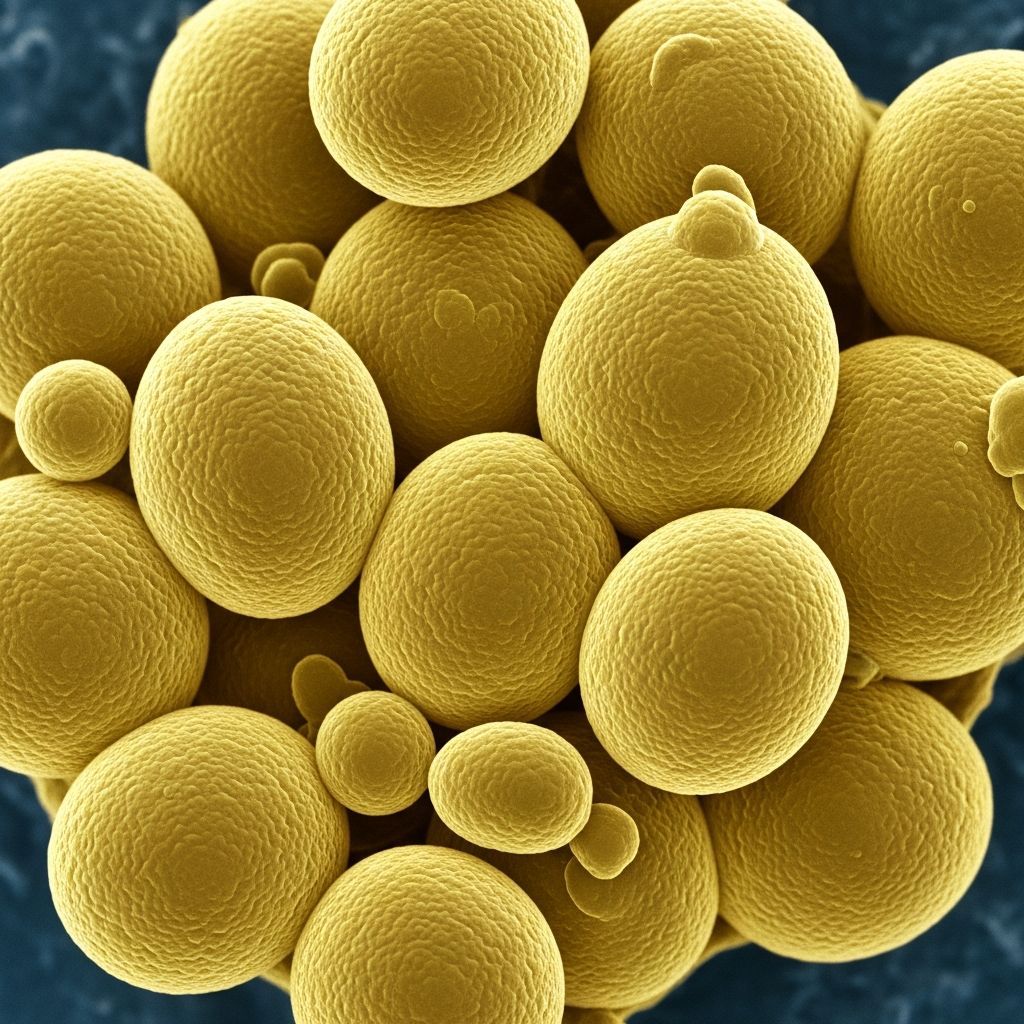
Saccharomyces boulardii is a yeast-based probiotic distinct from bacterial probiotics, widely used to maintain gut health and treat various gastrointestinal issues. Unlike typical probiotics, this non-pathogenic yeast survives stomach acid, colonizes the intestines temporarily, and exerts beneficial effects through multiple mechanisms.
What Is Saccharomyces Boulardii?
Saccharomyces boulardii, often abbreviated as S. boulardii, is a tropical yeast originally isolated from lychee and mangosteen peels. It is a strain of Saccharomyces cerevisiae, commonly known as brewer’s or baker’s yeast, but specifically formulated for probiotic use. This yeast is heat-stable, resistant to antibiotics, and capable of transient gut colonization without permanent residency.
Discovered in the 1920s by French scientist Henri Boulard, S. boulardii has been studied extensively for its role in digestive health. It produces antimicrobial substances, neutralizes toxins, and enhances the gut’s natural defenses. Clinical evidence supports its use across diverse populations, including children and adults.
Saccharomyces Boulardii Benefits
S. boulardii offers multifaceted benefits primarily centered on gastrointestinal health, with emerging evidence for immune modulation and metabolic support.
Prevents Antibiotic-Associated Diarrhea
One of the most established benefits is reducing the risk of antibiotic-associated diarrhea (AAD). A meta-analysis showed S. boulardii reduced AAD incidence from 19% to 9% in patients on antibiotics, preventing one case per 10 treated individuals. This effect is more pronounced in children and includes protection against Clostridium difficile-associated diarrhea in pediatric populations.
Manages Acute Diarrhea
For acute diarrhea from bacterial, viral, or parasitic causes, S. boulardii shortens duration and reduces stool frequency. Randomized controlled trials (RCTs) in children demonstrated significant reductions in diarrhea days and normalization of stool consistency after 5 days of treatment. It also aids traveler’s diarrhea and enteral nutrition-related cases.
Supports Irritable Bowel Syndrome (IBS)
S. boulardii slows gut motility by upregulating serotonin transporters in colon cells, alleviating IBS symptoms like bloating, pain, and irregular transit. Animal studies confirm reduced defecation and bowel transit time, while human trials report symptom relief in 50% of patients.
Aids Inflammatory Bowel Disease (IBD)
In ulcerative colitis and Crohn’s disease, S. boulardii reduces inflammation, promotes mucosal healing, and modulates immune responses. Mouse models of colitis showed prevented weight loss, reduced colon shortening, lowered pro-inflammatory cytokines (TNF-α, IL-6, IL-1β), and restored gut barrier integrity by reshaping the microbiome.
Enhances Gut Barrier and Immunity
This probiotic boosts short-chain fatty acid (SCFA) production, like butyrate, essential for epithelial barrier function and anti-inflammatory effects. It inhibits pathogens, stimulates anti-inflammatory cytokines, and suppresses pro-inflammatory signals.
Other Potential Benefits
- Improves H. pylori and C. difficile treatment outcomes by enhancing eradication, preventing relapse, and reducing side effects.
- Modulates gut-brain axis to alleviate stress-related behaviors in animal models.
- Supports metabolic syndrome by improving lipid profiles, microbiota, and reducing weight gain.
How Saccharomyces Boulardii Works
S. boulardii employs several mechanisms to promote gut health:
- Toxin Neutralization: Produces a 63-kDa alkaline phosphatase that targets LPS and reduces TNF-α; a 120-kDa protein lowers cAMP to block cholera toxin effects.
- Pathogen Inhibition: Competes with harmful bacteria, produces antimicrobial peptides, and restores microbial diversity.
- Immune Modulation: Balances cytokines, reduces inflammation in colitis models.
- Barrier Support: Increases SCFA levels, enhances tight junctions, and promotes epithelial regeneration.
- Motility Regulation: Upregulates serotonin uptake to slow transit.
Related Stories



These actions mimic healthy gut flora, making it effective for prevention and treatment.
Saccharomyces Boulardii Dosage
Typical dosages range from 250–1000 mg daily (5–40 billion CFUs), divided into 1–2 doses. For AAD prevention, start with antibiotics and continue 1–2 weeks after. Acute diarrhea treatment: 250–500 mg 2–4 times daily for 5–7 days. Consult a healthcare provider for personalized dosing, especially in children or with underlying conditions.
| Condition | Recommended Dosage | Duration |
|---|---|---|
| Antibiotic-Associated Diarrhea | 250–500 mg daily | During + 2 weeks after antibiotics |
| Acute Diarrhea | 250–500 mg 2–4x/day | 5–7 days |
| IBS/IBD Support | 500 mg daily | 4–8 weeks |
| Children (>6 months) | 125–250 mg 2x/day | As directed |
Saccharomyces Boulardii Side Effects
Generally safe with minimal side effects like mild gas or bloating. Rare fungemia risks occur in immunocompromised individuals with central lines. No adverse effects noted in clinical trials. Avoid in yeast allergies or severe immunosuppression without medical advice.
Who Should Not Take Saccharomyces Boulardii
- Immunocompromised patients (e.g., HIV advanced, chemotherapy).
- Those with central venous catheters.
- Yeast hypersensitivity.
- Pregnant/breastfeeding without doctor approval.
What To Look For When Buying Saccharomyces Boulardii
- CNCM I-745 strain for proven efficacy.
- 5–10 billion CFUs per dose.
- Refrigeration not required; check expiration.
- Third-party tested for purity.
Frequently Asked Questions (FAQs)
Is Saccharomyces boulardii safe for children?
Yes, it’s effective and safe for pediatric diarrhea, reducing duration and C. diff risk.
Can I take S. boulardii with antibiotics?
Yes, it’s resistant and recommended to prevent AAD.
How long does it take to work?
Effects on diarrhea appear in 2–5 days; gut restoration may take weeks.
Does it need refrigeration?
No, it’s heat-stable unlike bacterial probiotics.
Can it help with IBS?
Yes, relieves symptoms by regulating motility and inflammation.
References
- The Four Benefits of Probiotic Saccharomyces boulardii (S boulardii) — Dr. Bojana. Accessed 2026. https://drbojana.com/the-four-benefits-of-probiotic-saccharomyces-boulardii-s-boulardii/
- Digestive health: the role of Saccharomyces Boulardii — Ambar Lab. Accessed 2026. https://ambar-lab.com/en/digestive-health-the-role-of-saccharomyces-boulardii/
- Saccharomyces boulardii protects against murine experimental colitis — Frontiers in Microbiology. 2023. https://www.frontiersin.org/journals/microbiology/articles/10.3389/fmicb.2023.1204122/full
- Health Benefits of Saccharomyces boulardii as a Probiotic — Rowan University Research. 2024-05-02. https://rdw.rowan.edu/stratford_research_day/2024/may2/194/
- Saccharomyces boulardii: What Makes It Tick as Successful Probiotic? — PMC (Nutrients). 2020. https://pmc.ncbi.nlm.nih.gov/articles/PMC7344949/
- Efficacy and safety of the probiotic Saccharomyces boulardii — PMC (Therapeutics and Clinical Risk Management). 2012. https://pmc.ncbi.nlm.nih.gov/articles/PMC3296087/
- Saccharomyces boulardii CNCM I-745 supports regeneration — Dove Press (Clinical and Experimental Gastroenterology). Accessed 2026. https://www.dovepress.com/saccharomyces-boulardii-cncm-i-745-supports-regeneration-of-the-intest-peer-reviewed-fulltext-article-CEG
Similar Articles








Read full bio of Sneha Tete