Sacral Dimple: Causes, Diagnosis, and Treatment
Understanding sacral dimples: When they're harmless and when they need evaluation.
Sacral Dimple: Understanding This Common Newborn Condition
A sacral dimple is a small indentation or depression in the skin located on the lower back, typically just above the crease between the buttocks. This condition is present at birth and is discovered in many newborns during routine physical examinations. While most sacral dimples are completely benign and require no medical intervention, understanding the characteristics that differentiate simple dimples from those requiring further evaluation is essential for parents and healthcare providers.
Sacral dimples are among the most common skin findings in newborns, affecting a significant percentage of the population. The name derives from the sacrum, which is the triangular bone at the base of the spine located directly beneath where these dimples typically appear. Most sacral dimples are harmless anatomical variations that persist throughout life without causing any symptoms or complications.
What Exactly Is a Sacral Dimple?
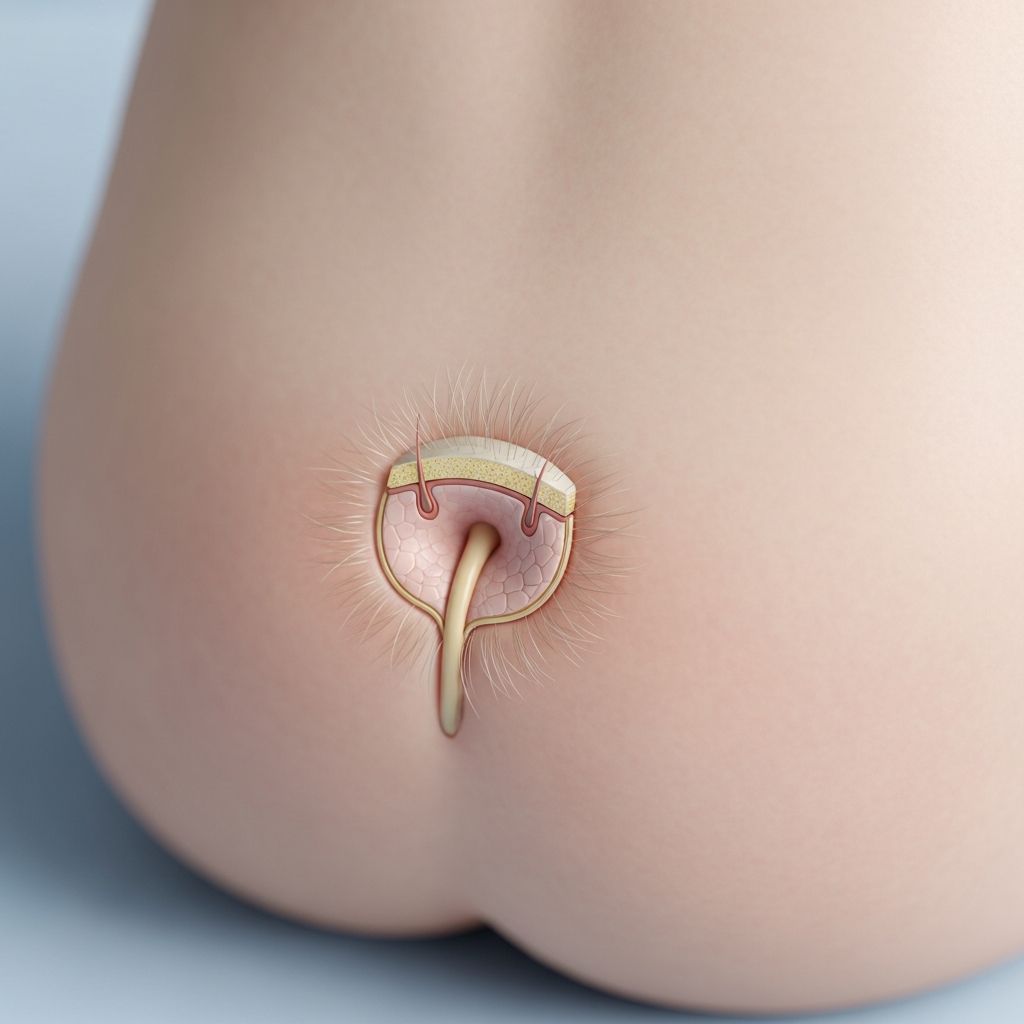
A sacral dimple presents as a small pit or depression in the skin of the lower back. These indentations are typically small, measuring less than 5 millimeters in diameter, and are positioned in the midline of the body within 2.5 centimeters of the anus. The dimple usually has a visible floor covered with skin, and there are no associated skin abnormalities or hair tufts present in uncomplicated cases.
The appearance of a sacral dimple can vary slightly from one infant to another. Some dimples are barely noticeable unless the skin is stretched or the buttocks are parted, while others may be more pronounced. Most sacral dimples are shallow depressions that do not extend deeply into the skin. In typical cases, the dimple remains stable throughout childhood and adulthood, neither enlarging nor changing significantly over time.
Types of Sacral Dimples
Healthcare providers classify sacral dimples into two main categories: typical and atypical. Understanding these distinctions is crucial because they determine whether further medical evaluation is necessary.
Typical Sacral Dimples
Typical or simple sacral dimples are the most common presentation and generally do not warrant concern. These dimples are characterized by their location within the gluteal cleft (the crease between the buttocks) and lack of associated skin changes. A helpful clinical guideline is that dimples located at or below an imaginary line drawn between the tops of the two sides of the gluteal cleft are considered normal and benign. Typical dimples are small, well-defined, and have clearly visible floors covered with skin.
Atypical Sacral Dimples
Atypical sacral dimples possess characteristics that may warrant further investigation. These dimples may be located higher on the back, positioned off to the midline, or larger than typical dimples. Atypical features include dimples with non-visible floors, those accompanied by hair tufts, skin discoloration, lumps, or skin tags. Additionally, multiple dimples or dimples with irregular borders are considered atypical. The presence of these characteristics increases the possibility of an underlying spinal cord abnormality and necessitates medical evaluation.
Causes and Risk Factors
Sacral dimples are congenital conditions, meaning they develop before birth and are present from birth. The exact cause of sacral dimples remains unknown, as they represent a normal variation in skin development. They are not inherited conditions, and there is no known genetic predisposition that causes their formation.
Related Stories



While sacral dimples themselves have no identifiable cause, certain risk factors may be associated with underlying spinal cord problems. Newborns with atypical dimple characteristics have an increased risk of occult spinal dysraphism, a condition where the spinal cord or its covering doesn’t develop properly. Additionally, a family history of spinal cord abnormalities may increase vigilance during examination, though this does not mean the dimple itself will be problematic.
Symptoms and Complications
In the vast majority of cases, sacral dimples produce no symptoms whatsoever. The dimple is purely a cosmetic feature that does not cause pain, drainage, or any physical discomfort to the infant. Most sacral dimples require no special care or attention and do not interfere with normal development or function.
However, when atypical features are present, there is a rare possibility of an associated serious spinal abnormality. Potential complications include tethered spinal cord syndrome, where the spinal cord becomes abnormally attached to surrounding tissues and cannot move freely within the spinal canal. Other possible but rare associations include spinal cord abnormalities such as dermal sinus tracts, which are abnormal channels that may extend from the skin surface toward the spinal cord. These conditions, if present and undetected, could potentially lead to neurological problems as the child grows.
Diagnostic Evaluation
Most sacral dimples are diagnosed during routine physical examinations performed by pediatricians or obstetricians during the newborn’s first days of life. The diagnosis is primarily clinical, based on visual inspection and physical examination of the dimple.
Physical Examination
Healthcare providers assess several features during physical examination, including the location of the dimple, its size, whether the floor is visible and covered with skin, the presence of any associated skin abnormalities, and whether there are any signs of neurological involvement in the lower extremities. The examiner documents the exact location relative to anatomical landmarks and notes any concerning features that might suggest an atypical dimple.
When Imaging Is Needed
If the sacral dimple has typical features and the infant is otherwise healthy with no family history of spinal cord problems, no imaging studies are typically necessary. However, if atypical features are present—such as large size, nearby hair tuft, skin tag, lump, or skin discoloration—the healthcare provider may recommend imaging studies to evaluate for underlying spinal cord abnormalities.
Ultrasound Imaging
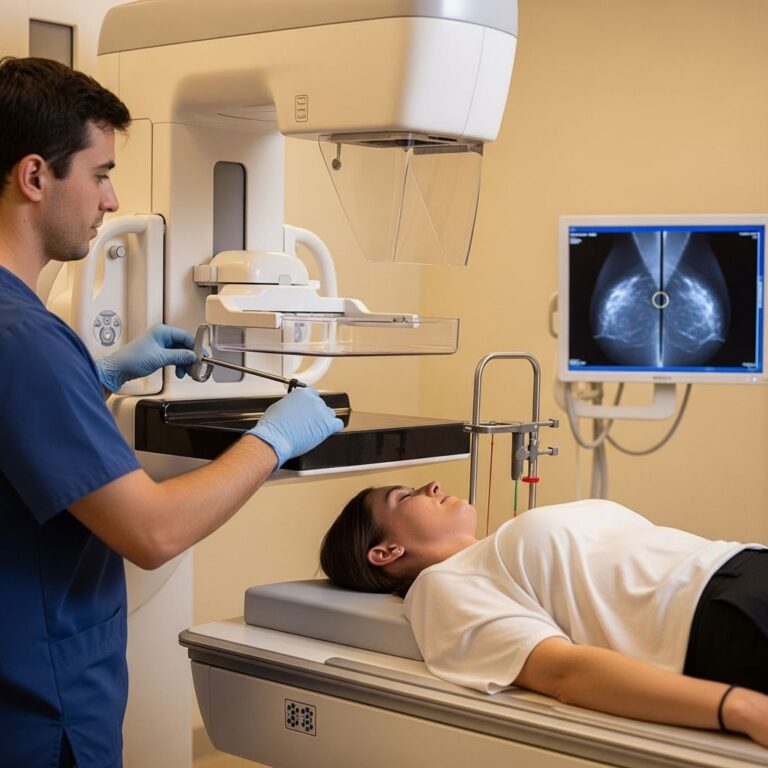
Ultrasound is often the first imaging modality chosen for evaluating potentially problematic sacral dimples. This noninvasive procedure uses sound waves to produce detailed images of the spinal cord and surrounding structures. Ultrasound is particularly useful in newborns and young infants because their bones are not yet fully ossified, allowing sound waves to penetrate and visualize spinal structures effectively. The procedure requires no sedation, involves no radiation exposure, and can be performed quickly in an outpatient setting.
Magnetic Resonance Imaging (MRI)
If more detailed information is needed or if ultrasound findings are inconclusive, the healthcare provider may recommend MRI imaging. MRI uses radio waves and a strong magnetic field to create detailed cross-sectional images of the spinal cord and surrounding structures. MRI provides superior soft tissue detail and can definitively identify or exclude spinal cord abnormalities. However, MRI requires the child to remain still during the scan, which typically necessitates sedation in infants and young children. This adds both time and cost to the evaluation and carries the inherent risks associated with sedation, which is why MRI is reserved for cases where ultrasound findings are unclear or when detailed anatomical information is essential for treatment planning.
Treatment Options
Most sacral dimples require no treatment whatsoever. Simple, typical dimples that lack associated skin changes and have no underlying spinal cord abnormalities need no intervention. The dimple will remain throughout life as a harmless anatomical variation.
If imaging studies reveal an underlying spinal cord abnormality such as a tethered spinal cord or dermal sinus tract, treatment recommendations depend on the specific condition identified and its severity. In some cases, neurosurgical consultation and possible surgical intervention may be necessary to prevent future neurological complications. The neurosurgeon will discuss whether treatment is indicated based on the specific findings and the child’s individual circumstances.
For simple sacral dimples, no special cleaning or care of the area is required. The dimple should be treated like any other part of the skin and requires no special attention or precautions.
When to Consult a Healthcare Provider
Most infants with sacral dimples do not require specialty referrals or additional healthcare visits specifically related to the dimple. Typical dimples in otherwise healthy infants with no family history of spinal cord problems require no follow-up evaluation. However, parents may raise questions about the dimple during routine well-child visits.
If the dimple has atypical features or if parents have concerns about their child’s development or neurological function, consultation with the pediatrician is appropriate. The pediatrician can determine whether the dimple appears typical or atypical and whether imaging or specialist referral is warranted. If imaging reveals an underlying abnormality, referral to a pediatric neurosurgeon or spine specialist is recommended for further evaluation and treatment planning.
Questions for Your Healthcare Provider
Parents may find it helpful to discuss the following questions with their child’s healthcare provider:
- Does my child need any tests to ensure there’s no underlying spinal cord problem?
- Does the dimple area require any special cleaning or care?
- Is any treatment necessary for this dimple?
- Is a sacral dimple ever associated with more serious medical conditions?
- What symptoms should I watch for that might indicate a problem?
- Will this dimple affect my child’s development or function?
- Will the dimple change or enlarge as my child grows?
Long-Term Outlook
The prognosis for infants with simple sacral dimples is excellent. These dimples persist throughout life as benign anatomical variations that cause no medical problems or complications. The dimple typically does not change significantly in appearance over time and requires no ongoing medical management or follow-up.
For the rare cases in which an underlying spinal cord abnormality is identified through imaging, the prognosis depends on the specific condition, its severity, and the timing of any necessary treatment. Early identification and appropriate management of these conditions can help prevent neurological complications and optimize long-term outcomes.
Key Takeaways
- Sacral dimples are common, benign skin indentations present at birth in many newborns
- Most sacral dimples are harmless and require no medical treatment or evaluation
- Typical dimples are small, located in the midline of the lower back, and have no associated skin changes
- Atypical dimples with unusual features, large size, or associated skin changes may warrant imaging evaluation
- Physical examination during routine newborn screening typically identifies sacral dimples
- Ultrasound and MRI are available diagnostic tools when spinal cord evaluation is necessary
- Simple sacral dimples require no special care or ongoing medical follow-up
Frequently Asked Questions
Q: What is the difference between a typical and atypical sacral dimple?
A: Typical dimples are small, less than 5mm, located in the midline of the lower back with no associated skin changes. Atypical dimples may be larger, located off-center or higher on the back, or accompanied by hair tufts, skin tags, lumps, or discoloration. Atypical dimples warrant imaging evaluation to exclude spinal cord abnormalities.
Q: Does a sacral dimple indicate a serious medical problem?
A: Most sacral dimples are completely benign. However, rare cases involve underlying spinal cord abnormalities. This risk is higher with atypical dimples, which is why imaging may be recommended to evaluate for potential problems.
Q: Does my baby need ultrasound or MRI for a sacral dimple?
A: If your baby has a typical dimple with no concerning features and no family history of spinal cord problems, imaging is usually unnecessary. If the dimple has atypical characteristics, your pediatrician may recommend imaging to evaluate for underlying spinal cord conditions.
Q: Will my child’s sacral dimple change as they grow?
A: Simple sacral dimples typically remain stable throughout life and do not change significantly in appearance. They represent a permanent but harmless anatomical variation.
Q: Should I do anything special to care for my baby’s sacral dimple?
A: No special care is required. Treat the dimple like any other part of your baby’s skin. No special cleaning, dressing, or precautions are necessary for typical sacral dimples.
Q: When should I be concerned about my baby’s sacral dimple?
A: Contact your pediatrician if the dimple has unusual features such as being very large, located higher than expected, accompanied by hair or skin tags, or if your baby shows signs of neurological problems in the lower extremities or bowel/bladder dysfunction.
References
- Sacral Dimple: Symptoms and Causes — Mayo Clinic. December 4, 2024. https://www.mayoclinic.org/diseases-conditions/sacral-dimple/symptoms-causes/syc-20377353
- Sacral Dimple: Diagnosis and Treatment — Mayo Clinic. December 4, 2024. https://www.mayoclinic.org/diseases-conditions/sacral-dimple/diagnosis-treatment/drc-20377357
- Sacral Dimple: What You Need to Know — Massachusetts General Hospital. March 18, 2013. https://www.massgeneral.org/children/neurology/sacral-dimple-what-you-need-to-know
- Sacral Dimples and Spinal Dysraphism — University of Washington Health. November 2024. https://pedsneurosurgery.org/wp-content/uploads/2024/11/UW-Health-Kids-Sacral-Dimples-.pdf
- Tethered Spinal Cord: What It Is, Symptoms & Treatment — Cleveland Clinic. https://my.clevelandclinic.org/health/diseases/24672-tethered-spinal-cord
- Sacral and Back Dimples: Symptoms, Causes, and More — WebMD. https://www.webmd.com/a-to-z-guides/what-are-sacral-and-back-dimples
Similar Articles








Read full bio of medha deb