Saddle Sores and Chafing: Prevention and Treatment for Cyclists
Complete guide to preventing and treating saddle sores and chafing during indoor and outdoor cycling.
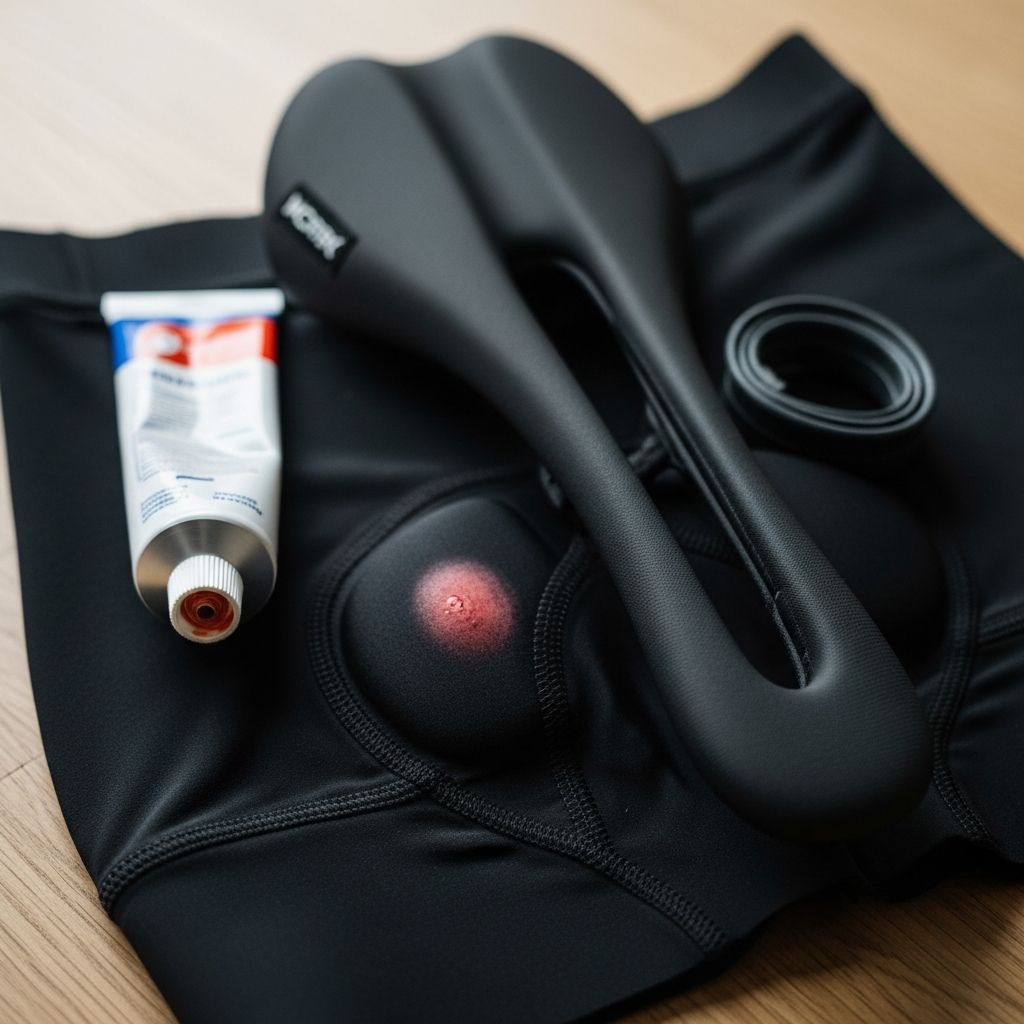
Understanding Saddle Sores and Chafing in Cycling
Saddle sores are a common concern for cyclists of all levels, from recreational riders to endurance athletes. These painful skin irritations develop in areas of the body that experience repeated friction and pressure from prolonged contact with the bike seat. While many cyclists view saddle sores as an inevitable consequence of cycling, they don’t have to be. Understanding what causes these issues and implementing preventive strategies can help you enjoy comfortable, pain-free rides.1
Chafing and saddle sores occur when friction, moisture, and bacteria combine in the sensitive areas around the groin, buttocks, and inner thighs. The delicate skin in these regions is particularly susceptible to irritation, especially during long rides or when training volume increases rapidly.1 The good news is that prevention is significantly easier than treatment, so taking proactive steps early can save you days or weeks of discomfort.
The Importance of Proper Bike Fit
The foundation of saddle sore prevention begins with ensuring your bike is properly fitted to your body. A well-fitting bike seat is the first line of defense against saddle sores and chafing.3 Every cyclist has unique anatomical needs, and bike saddles come in various shapes and contours designed to accommodate different body types and riding positions.
Professional bike fitting services are available at most local bike shops, where experts can assess your individual needs and recommend the appropriate saddle for your body and riding style. Women may benefit from cut-out saddles that reduce pressure on sensitive areas, while men may need extra padding in regions prone to perineal pressure.1 Investing time in proper bike fit can eliminate or dramatically reduce saddle sore occurrence before expensive creams or treatments become necessary.
Selecting High-Quality Cycling Shorts and Chamois
Beyond the saddle itself, high-quality cycling shorts with proper chamois padding are essential for comfort and protection.1 Chamois refers to the padded insert built into the crotch area of cycling shorts. This padding reduces friction and absorbs shock during riding, protecting the sensitive skin underneath.
Cycling shorts are specifically designed to be worn directly against the skin with no additional underwear underneath. This design allows the chamois to function optimally and prevents additional layers from creating bunching or friction points. Quality shorts provide:3
- Built-in padding designed for prolonged pressure distribution
- Breathable, moisture-wicking fabrics that manage sweat
- Flatlock seams that reduce friction points
- Compression that supports muscles and reduces movement
If you’re experiencing saddle sores, upgrading your shorts should be a priority consideration. Worn-out gear with bunching or deteriorated padding can contribute significantly to irritation.1
Using Chamois Cream and Anti-Friction Products
For cyclists prone to saddle sores, chamois cream is a highly effective preventive tool. Chamois creams contain anti-bacterial agents and soothing ingredients that reduce friction between your skin and the chamois while preventing bacterial growth.2 These products typically include ingredients like aloe vera, shea butter, and zinc oxide that provide additional skin protection and healing benefits.2
Application tips for maximum effectiveness:1
- Apply a thin layer directly to your skin or the chamois before long rides
- Always perform a patch test first if you have sensitive skin
- Avoid products with artificial fragrances or harsh chemicals
- Choose medical-grade emollients, petroleum-free balms, or zinc-based formulas
- Don’t use chamois cream on every ride, as certain products may clog pores
Related Stories



It’s important to note that chamois cream is not essential for all cyclists. Those with excellent bike fit, quality shorts, and good hygiene practices may not need it at all.2 However, for long-distance and ultra-distance riders, chamois cream becomes increasingly valuable.
Maintaining Proper Hygiene Practices
Bacteria thrive in warm, dark, damp environments—exactly like the insides of cycling shorts after a ride. Good hygiene is absolutely essential for avoiding saddle sores and preventing bacterial infections that can transform minor irritation into serious skin conditions.1
Key hygiene practices include:1
- Always wear clean cycling shorts and wash them after each ride
- Shower promptly after your ride to remove sweat and bacteria
- Avoid sitting around in damp gear for extended periods
- Use antibacterial soap during washing and dry the area fully
- Choose moisture-wicking shorts over cotton options
- Pack spare shorts for multi-day rides or bikepacking trips
When washing the affected area, use fragrance-free soap and pat the area dry gently rather than rubbing.2 Proper drying is crucial because residual moisture can perpetuate bacterial growth and delay healing.
Progressive Training and Gradual Build-Up
Ramping up your cycling volume too quickly is a common cause of saddle sores. If you’re increasing your endurance training, don’t jump from 30 kilometers to 100 kilometers overnight.1 Your body needs time to adapt to increased pressure and friction on the saddle.
As your strength, technique, and cycling experience improve, saddle pressure naturally decreases, and you’ll find yourself comfortably clocking up more miles. This adaptation process typically takes several weeks. Gradually increasing your training volume allows your skin to develop tolerance while giving your fitness engine time to build properly.
Taking Position Breaks on Long Rides
Even with a perfect setup, maintaining a single position for hours creates continuous pressure in the same area. Shifting positions relieves constant pressure on sensitive tissues. Every 10–15 minutes during long rides, stand up on the pedals for a few strokes, especially when climbing or coasting.1 This simple technique reduces accumulated pressure and allows blood flow to return to the affected area.
Nutrition, Hydration, and Recovery
Skin health and immune function depend heavily on proper nutrition. Supporting your body with adequate hydration, zinc, vitamins, protein, and anti-inflammatory foods is particularly important during heavy endurance cycling phases.1
Nutritional considerations for cyclists include:
- Consume 1.7–2 grams of protein per kilogram of body weight on training days
- Maintain adequate vitamin C and zinc levels for collagen formation
- Increase zinc intake from dietary sources, as cyclists lose zinc through sweat
- Include anti-inflammatory foods like vegetables with lemon or lime
- Prioritize sleep and take recovery days between high-intensity sessions
Additionally, hormonal balance affects healing capacity in female cyclists. Low estrogen levels, which can occur with heavy endurance training, are linked to impaired collagen formation.2 If you’re struggling with persistent saddle sores, consulting a sports nutritionist or sports medicine professional may provide additional insights into your individual recovery needs.
Building Core Strength to Reduce Movement
A strong core reduces upper body movement, which directly translates to less saddle friction. When your core muscles are weak, you rely more heavily on the saddle for stability, creating constant micro-movements that increase friction and irritation.
Effective core-strengthening exercises for cyclists include:
- Planks and side planks
- Leg raises and reverse leg raises
- Russian twists with weight
- Bird dogs and superman holds
- Mountain climbers and hollow body holds
Incorporating core work into your training routine, especially on rest days, can significantly improve your stability on the bike and reduce saddle pressure.
How to Treat Existing Saddle Sores
If prevention measures fail and you develop saddle sores, immediate treatment can minimize discomfort and accelerate healing. The primary treatment approach involves rest, cleanliness, and protective care.1
Rest and Recovery
The most important step is stopping or significantly reducing cycling to prevent further irritation. Continued pressure and friction worsen the condition and delay healing.3 Take a day or two off the bike, and if you must ride, keep trips short and low-intensity.
Cleaning and Hygiene
Wash the area daily with fragrance-free, antibacterial soap and pat dry completely.2 Critically, do not attempt to pop, burst, squeeze, or otherwise manipulate saddle sores. Let your body heal naturally while maintaining a clean, dry environment.
Topical Treatments
Several over-the-counter products effectively treat saddle sores:1
- Sudocrem: Contains zinc oxide and antibacterial agents; popular and affordable
- Aloe vera: Cools, soothes, and promotes healing
- Zinc oxide creams: Provide soothing and antibacterial benefits
- Petroleum jelly: Acts as a barrier but isn’t breathable; use with caution
Apply a thin layer of your chosen product and allow it to work naturally. Your body will handle the rest of the healing process.
Clothing Choices During Recovery
While healing, wear loose, breathable clothing that doesn’t create additional friction. Many cyclists find that loose cotton underwear or no underwear at all provides the best recovery environment. Avoid tight clothing that might press on the affected area.2
When to Seek Medical Attention
While most saddle sores respond to conservative treatment, some situations warrant professional medical care. If saddle sores persist beyond two weeks despite proper treatment, show signs of infection (increasing redness, warmth, or discharge), or become severely painful, consult a healthcare provider. Certain saddle sores can develop into more serious conditions requiring medical intervention.1
Frequently Asked Questions
Q: Is chamois cream necessary for all cyclists?
A: No. Some cyclists with excellent bike fit, quality shorts, and good hygiene can completely forgo chamois cream. However, it’s highly recommended for anyone prone to saddle sores or doing long-distance riding.2
Q: How often should I wash my cycling shorts?
A: Wash them after every ride, just like underwear. Cycling shorts are worn directly against the skin, and bacteria can accumulate quickly if they’re not laundered regularly.2
Q: Can I continue cycling while treating saddle sores?
A: It’s best not to. Continued riding can worsen the issue and delay healing significantly. Rest for at least a day or two, and avoid long rides until the sores improve.1
Q: What’s the difference between saddle sores and regular chafing?
A: Chafing is surface-level skin irritation from friction, while saddle sores are deeper, often painful lesions that can become infected. Both benefit from similar prevention strategies.
Q: Does bike saddle type matter for women and men differently?
A: Yes. Women may benefit from cut-out saddles that reduce pressure on sensitive areas, while men may need extra padding to address perineal pressure concerns.1
Q: How long does it take to recover from saddle sores?
A: With proper rest and treatment, most saddle sores improve within a few days to a week. However, persistence beyond two weeks may indicate the need for medical attention.
References
- Preventing Saddle Sores in Cycling for Long-Distance Comfort — GOREWEAR US. 2025. https://www.gorewear.com/us/en-us/explore/preventing-saddle-sores-in-cycling-for-long-distance-comfort
- Saddle Sores: How to Prevent and Treat Them — Cycling Weekly. 2025. https://www.cyclingweekly.com/news/latest-news/how-to-prevent-saddle-sores-177366
- How To Treat (and Prevent) Saddle Sores — Cleveland Clinic. 2025. https://health.clevelandclinic.org/saddle-sores-treatment-and-prevention
Similar Articles








Read full bio of Sneha Tete