Safe Exercise After COVID Recovery: 3-Phase Return Plan
Discover evidence-based guidelines for resuming physical activity post-COVID, tailored to illness severity for optimal recovery and safety.
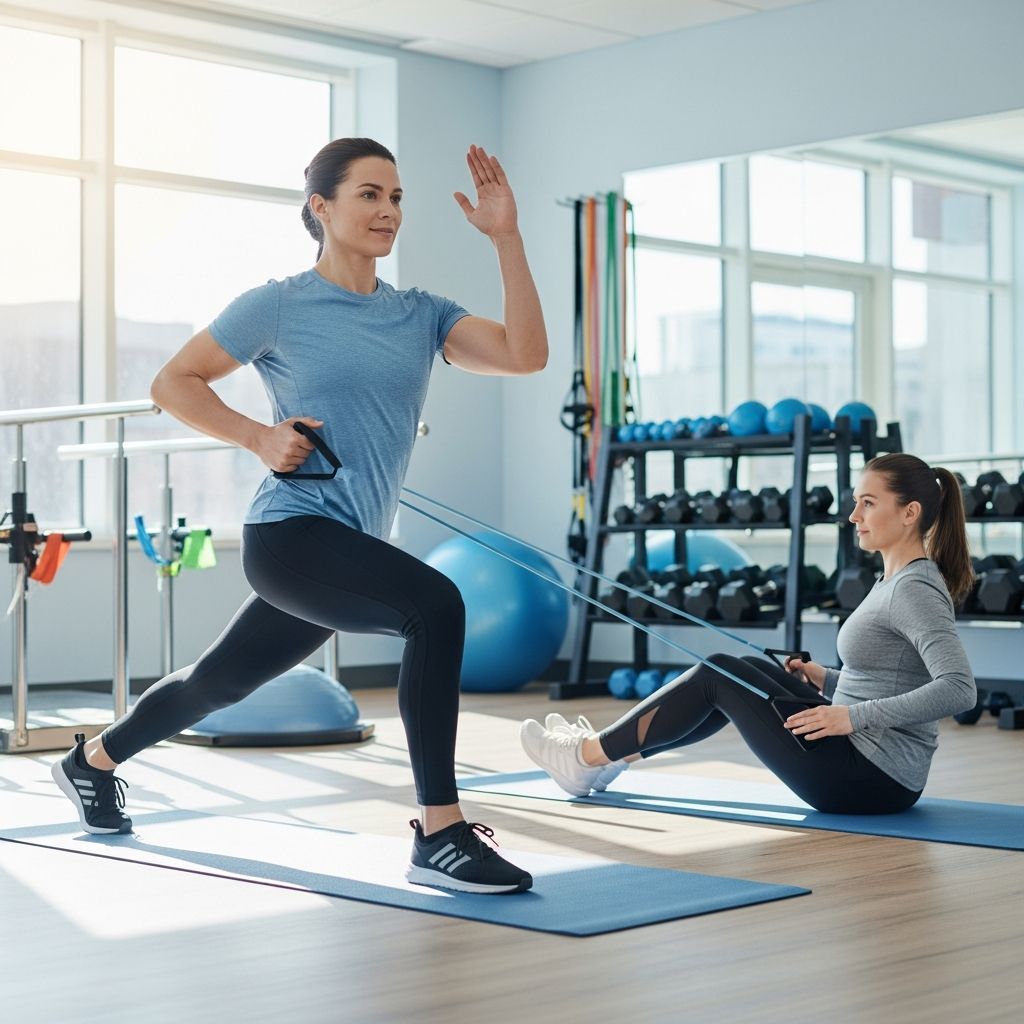
Resuming physical activity after a COVID-19 infection requires caution to avoid setbacks in recovery. Guidelines from health authorities emphasize a phased approach based on symptom severity, ensuring individuals rebuild strength without risking complications like long COVID exacerbation.
Understanding COVID Severity and Exercise Readiness
The timeline for returning to exercise depends on how severely COVID affected you. For those with mild symptoms—such as minor fatigue or cough without hospitalization—most can begin light activity within 7 to 14 days after symptoms resolve, provided daily tasks feel manageable. Moderate or severe cases, involving hospitalization or persistent issues, demand medical clearance first.
Health experts classify illness as:
- Mild: No shortness of breath, oxygen levels above 94%, no pneumonia on imaging.
- Moderate: Evidence of lower respiratory disease, possible oxygen needs.
- Severe: Respiratory rate over 30 breaths per minute, low oxygen saturation.
Always consult a doctor if underlying conditions like heart disease or diabetes are present, as these elevate risks.
Step-by-Step Return to Physical Activity
A gradual ramp-up prevents overexertion. Start at 50% of pre-illness intensity, using seated exercises like stationary biking to minimize dizziness risks. Progress every 3 days if no symptoms worsen.
| Phase | Duration | Intensity | Activity Examples |
|---|---|---|---|
| Week 1 | 15 minutes | 50% | Seated cycling, gentle rowing |
| Week 2 | 15 minutes | 75% | Light walking, low-resistance biking |
| Week 3+ | 30+ minutes | 100% | Full routine, monitor closely |
This structured progression, supported by clinical recommendations, allows the body to adapt post-infection. Increase duration by 15 minutes per phase until baseline is reached.
Critical Warning Signs to Stop Immediately
Monitor for red flags during any activity. Halt exercise and seek medical help if experiencing:
- Chest pain or pressure
- Unusual shortness of breath
- Rapid or irregular heartbeat
- Dizziness or fainting sensation
These could signal cardiac involvement, a known COVID complication. Even if symptoms appear later, err on caution—rest and professional evaluation are key.
Exercise Benefits During and After COVID
Regular movement correlates with better outcomes. Studies show physically active individuals face lower risks of severe COVID progression, including hospitalization or ICU needs. A 2024 analysis of 800 women linked consistent exercise to fewer acute symptoms like fatigue and anxiety.
For recovery, resistance training over three months improved physical function and mental health in post-COVID patients. The American Heart Association endorses low-intensity starts for long COVID to rebuild endurance safely.
Managing Long COVID Through Tailored Movement
Long COVID, with symptoms persisting beyond three months, affects energy and mobility. Avoid high-intensity interval training (HIIT) initially; opt for moderate, enjoyable activities like walking or yoga.
Key strategies include:
- Daily short walks on flat surfaces at reduced pace
- Balancing rest with light activity to combat deconditioning
- Tracking symptoms in a journal to adjust intensity
Evidence suggests higher pre-infection activity levels predict fewer long-term issues, with high-activity groups reporting 25% fewer symptoms. Consult specialists for personalized plans, especially with post-exertional malaise.
Related Stories



Special Considerations for At-Risk Groups
Children and athletes follow adapted protocols. Pediatric guidelines recommend 3-6 months sport restrictions post-heart inflammation. Older adults or those with comorbidities should prioritize doctor approval.
During active mild infection, home-based low-effort movement is permissible if no fever or dyspnea, but gyms are off-limits to prevent spread.
Building Sustainable Habits Post-Recovery
Post-return, aim for WHO-recommended 150 minutes weekly moderate aerobic activity plus strength training twice weekly. Incorporate variety: swimming, bodyweight exercises, or tai chi to sustain motivation and address muscle loss from inactivity.
Track progress with simple metrics like heart rate or perceived exertion scale (1-10). Apps or wearables can help, but prioritize how you feel over numbers.
FAQs
Can I exercise while still testing positive for COVID?
Only with mild or no symptoms, and strictly at home. Avoid shared spaces and stop if breathless.
How long after COVID can athletes compete?
Varies; mild cases 7-14 days, severe up to months with cardiac screening.
Does exercise prevent long COVID?
Pre-infection activity lowers symptom severity, but not a guarantee—recovery plans help manage it.
What if I feel fine but tire after workouts?
Scale back; this may indicate deconditioning. Build gradually over weeks.
Is yoga safe post-COVID?
Yes, as a low-impact start, focusing on breathwork and gentle poses.
References
- When Is It Safe to Exercise After COVID-19? — GoodRx. 2024. https://www.goodrx.com/conditions/covid-19/exercise-after-covid
- Can You Exercise With COVID-19? — Cleveland Clinic. 2024. https://health.clevelandclinic.org/exercise-with-covid
- Considering physical activity and COVID-19 — World Health Organization Europe. 2023. https://www.who.int/europe/activities/considering-physical-activity-and-covid-19
- Exercise May Ease COVID-19 and Long COVID Symptoms — Yale Medicine. 2024. https://www.yalemedicine.org/news/exercise-may-ease-covid-19-and-long-covid-symptoms
- Resistance exercise therapy after COVID-19 infection — 2 Minute Medicine. 2024. https://www.2minutemedicine.com/resistance-exercise-therapy-after-covid-19-infection-a-randomized-clinical-trial/
- Physical Activity and Return to Sports During COVID-19 — American Academy of Pediatrics. 2024. https://www.aap.org/en/patient-care/institute-for-healthy-childhood-weight/physical-activity-and-return-to-sport-during-covid-19/
- AHA scientific statement on exercise for long COVID — American College of Physicians Journals. 2025. https://www.acpjournals.org/doi/10.7326/acpi-20250708_4
Similar Articles








Read full bio of medha deb