Safe Eye Care At Home: Essential Tips For Lasting Vision
Discover practical, evidence-based strategies for maintaining eye health using simple home practices and preventive measures.
Maintaining clear vision starts with everyday habits that support your eyes without relying on unproven treatments. This guide outlines practical steps grounded in recommendations from health experts to help protect your eyesight through diet, lifestyle adjustments, and simple routines.
Building a Vision-Supporting Diet
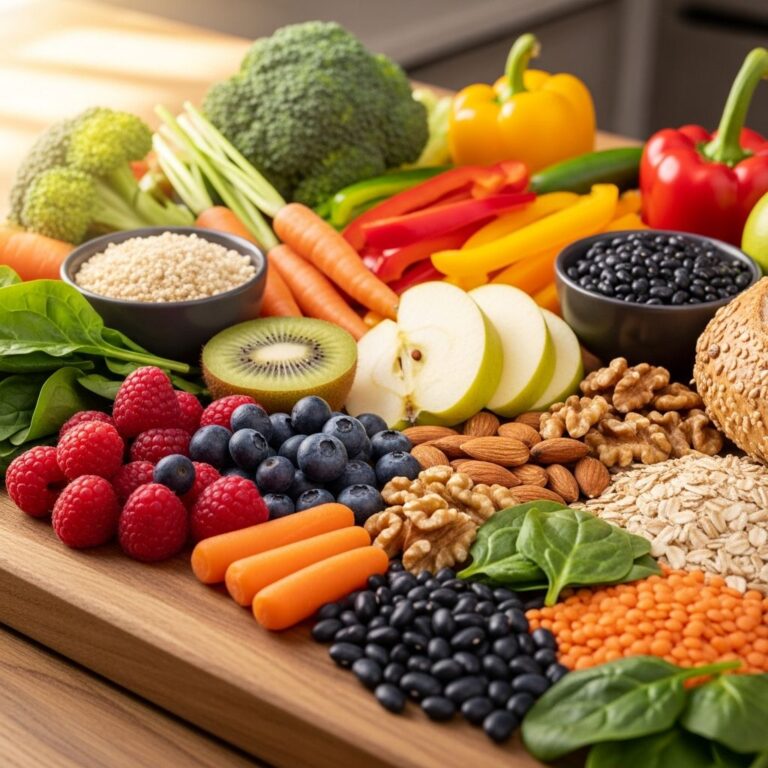
A nutrient-packed diet plays a key role in preventing age-related eye issues like macular degeneration and cataracts. Focus on foods rich in antioxidants, vitamins, and healthy fats that shield eye tissues from damage.
- Leafy greens such as spinach, kale, and collards supply lutein and zeaxanthin, which filter harmful blue light and reduce oxidative stress in the retina.
- Fatty fish like salmon, tuna, and halibut provide omega-3 fatty acids that combat inflammation and support tear production for drier eyes.
- Citrus fruits and bell peppers deliver vitamin C, essential for collagen in the cornea and lowering cataract risk.
- Nuts and seeds, including almonds and sunflower seeds, offer vitamin E to guard cells against free radical damage.
- Zinc-rich foods like poultry, beans, and red meat aid retinal function and slow macular degeneration progression.
Incorporate these into meals daily: start breakfast with a spinach smoothie, add salmon to lunch salads, and snack on almonds. Research from the CDC emphasizes that such diets help avert diabetes-related eye damage, a leading blindness cause.
Shielding Eyes from Sun Damage
Ultraviolet rays accelerate cataracts and pterygium growth. Consistent sunglass use blocks 99-100% of UVA/UVB rays, a simple yet effective barrier.
Choose wraparound styles labeled for full UV protection, even on overcast days, as UV penetration remains high. The Pharmaceutical Journal notes CE/BS-marked lenses with appropriate filter categories (0-4) ensure compliance with safety standards.
| Filter Category | Use Case | Light Transmission |
|---|---|---|
| 0-1 | Low light, indoors | High |
| 2 | Moderate sun | Medium |
| 3 | Bright sun | Low |
| 4 | Extreme glare (e.g., snow) | Very low |
Wear them during outdoor activities year-round to cut UV exposure significantly.
Reducing Digital Eye Strain
Prolonged screen time causes fatigue, dryness, and blurred vision. The 20-20-20 rule counters this: every 20 minutes, gaze 20 feet away for 20 seconds.
- Adjust screen brightness to match room lighting and position at arm’s length.
- Blink frequently to maintain moisture; use artificial tears if needed.
- Enable blue light filters on devices, especially evenings, to ease strain.
CDC advises resting eyes during extended computer use to prevent fatigue buildup.
Lifestyle Choices for Lasting Vision
Habits like smoking cessation and weight control profoundly impact eye health. Smoking doubles cataract and macular degeneration risks by damaging optic nerves and vessels.
Maintain healthy weight to sidestep type 2 diabetes, linked to retinopathy in 90% of preventable blindness cases. Manage blood sugar, pressure, and cholesterol via the ABCs of diabetes care.
- Quit smoking: Seek support programs for optic nerve protection.
- Limit alcohol: Excess worsens dry eye disease (DED).
- Exercise regularly: Boosts circulation to eye tissues.
Hygiene Practices for Contact Lens Wearers
Poor hygiene invites infections like microbial keratitis. Follow strict protocols to minimize risks.
- Wash hands before handling lenses.
- Use specific solutions; clean cases weekly, replace monthly.
- Avoid swimming or sleeping in lenses unless approved.
- Limit wear to 16 hours max; attend annual check-ups.
- Remove if redness or pain occurs.
Related Stories



Apply makeup post-insertion and remove before lens removal.
Correct Eye Drop Application
Improper use wastes medication and risks contamination. Standard technique ensures efficacy.
- Check expiry; shake if instructed.
- Wash hands; tilt head back.
- Pull lower lid with knuckles, rest wrist on hand, instill drop.
- Avoid touching eye with bottle tip.
Lie or sit for precision; close eye gently post-drop.
Recognizing When to Seek Help
Home care supports but doesn’t replace professional exams. Annual visits detect silent issues like glaucoma early.
Watch for sudden vision loss, persistent pain, floaters surge, or flashes—prompt ophthalmologist consultation needed.
Update prescriptions for optimal correction; monitor chronic conditions like hypertension.
FAQs
What foods best protect eyes?
Dark greens, fatty fish, citrus, nuts—rich in lutein, omega-3s, vitamins C/E.
Do sunglasses prevent cataracts?
Yes, UV-blocking pairs reduce risk by shielding lens from radiation.
How often follow 20-20-20 rule?
Every 20 screen minutes; relieves strain effectively.
Is smoking bad for eyes?
Greatly increases degeneration, cataract odds; quit for benefits.
When see a doctor for eye issues?
Sudden changes, pain, or vision loss warrant immediate care.
Protective Eyewear in Daily Life
Beyond sun, use safety glasses for sports, yard work to prevent injuries. High-velocity impacts cause traumatic issues; shatter-resistant lenses safeguard.
For indoor hazards like chemicals, goggles provide full coverage.
Nutrient Deep Dive Table
| Nutrient | Benefits | Sources |
|---|---|---|
| Lutein/Zeaxanthin | Filters blue light, fights degeneration | Greens, corn, eggs |
| Omega-3s | Reduces inflammation, dry eye aid | Fish, walnuts |
| Vitamin C | Cornea strength, cataract prevention | Citrus, peppers |
| Vitamin E | Antioxidant cell protection | Almonds, oils |
| Zinc | Retina health, AMD slowdown | Meat, beans |
Daily intake via varied meals maximizes these protections.
Integrating these habits fosters long-term eye resilience. Regular exams remain cornerstone, catching issues before symptoms arise. Stay proactive for sustained clarity.
References
- 2025 Prevention: Common Eye Conditions Explained — Image Eye Care. 2025. https://www.imageeyecare.com/2025-prevention-common-eye-conditions-explained/
- Strategies to Prevent Vision Loss from Common Eye Conditions — Eye Care Parsons. Accessed 2026. https://www.eyecareparsons.com/blog/Strategies-to-Prevent-Vision-Loss-from-Common-Eye-Conditions.html
- How to prevent common eye problems — The Pharmaceutical Journal. Accessed 2026. https://pharmaceutical-journal.com/article/ld/how-to-prevent-common-eye-problems
- Preventing Vision Loss | Vision and Eye Health — Centers for Disease Control and Prevention (CDC). Accessed 2026. https://www.cdc.gov/vision-health/prevention/index.html
- 8 Things You Can Do Right Now to Protect Your Vision — National Eye Institute (NEI). Accessed 2026. https://www.nei.nih.gov/eye-health-information/healthy-vision/8-things-you-can-do-right-now-protect-your-vision
Similar Articles








Read full bio of medha deb