Choosing Safe Eye Makeup: Expert Eye Care Guidelines
Learn how to select and apply eye makeup safely with ophthalmologist-approved practices.
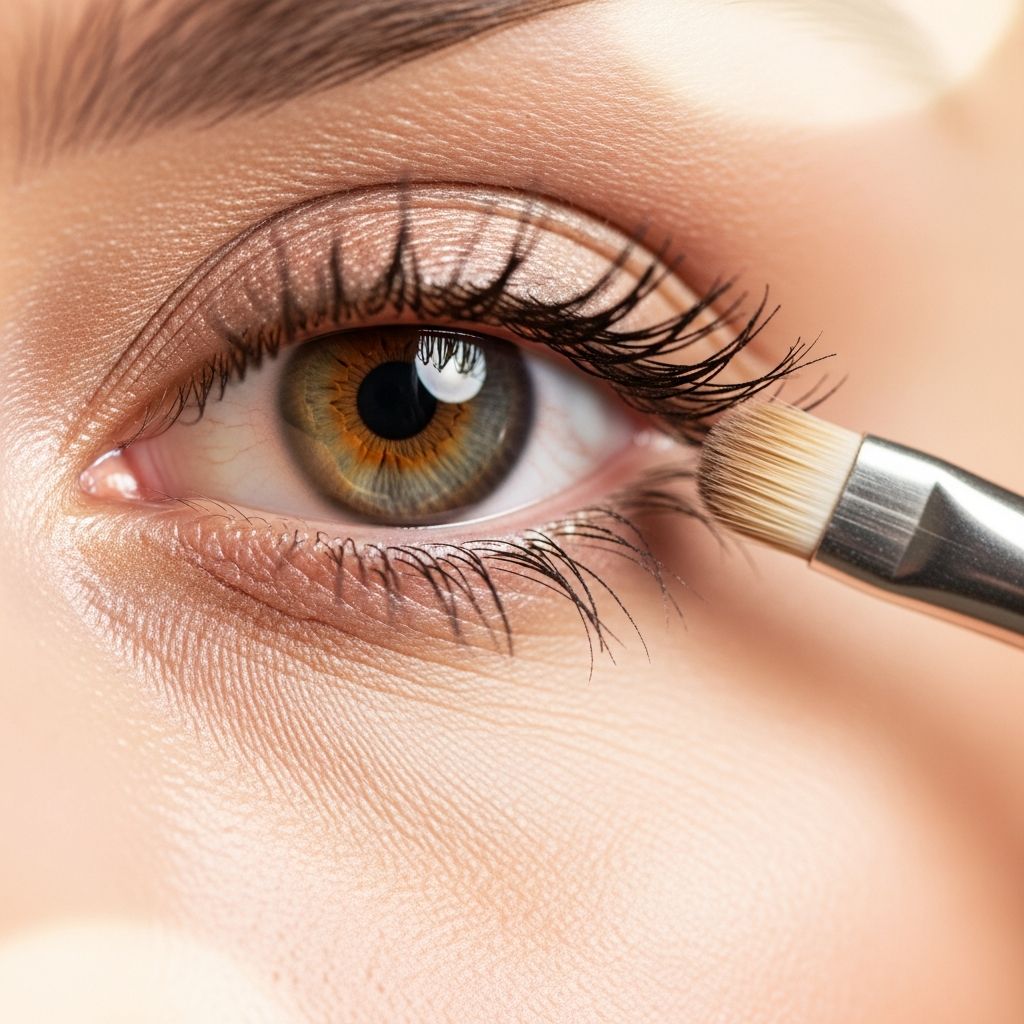
The delicate skin surrounding the eyes demands special attention when it comes to cosmetic products. Unlike makeup applied to other facial areas, eye products come into direct contact with one of the body’s most sensitive structures. Understanding how to select and apply eye makeup safely is essential for maintaining eye health while still enjoying cosmetic enhancements. This comprehensive guide explores evidence-based practices recommended by eye care professionals to help you make informed choices about the products you use near your eyes.
Understanding Eye Makeup Safety Concerns
The eyes are exceptionally vulnerable to irritation and infection due to their delicate structure and sensitive mucous membranes. When makeup products come into contact with the eye’s surface or migrate into the eye itself, they can trigger inflammation, redness, and discomfort. Additionally, certain makeup ingredients—particularly glitter, metals, crushed gems, minerals, and mica—can leave microscopic deposits on the eye’s surface, which the eye perceives as foreign bodies. This perception leads to redness, inflammation, and irritation that can persist long after makeup application.
The inner rim of the lower eyelid presents a particularly risky application area. This region houses meibomian glands, which are crucial for eye lubrication. When makeup is applied to this waterline or inner eyelid margin, it can clog these vital glands, potentially leading to inflammation, infection, and chronic dry eye symptoms. Understanding these risks is the first step toward developing a safer makeup routine.
Identifying Quality Eye Makeup Products
Not all cosmetics are created equal, especially when it comes to products intended for use near the eyes. The term “natural” or “organic” does not inherently mean safer for eye use. Many naturally derived ingredients contain allergens and irritants that can trigger adverse reactions in sensitive individuals. Instead, consumers should prioritize specific certifications and labels that indicate genuine safety testing.
Key Product Certifications to Look For
- Ophthalmologist-tested designation: Products labeled as ophthalmologist-tested have undergone professional evaluation for safety around delicate eye tissues. Brands like Clinique and Almay prominently feature this certification.
- Hypoallergenic labeling: Look for products certified by independent organizations such as the National Eczema Association rather than relying solely on manufacturer claims. True hypoallergenic products have been formulated to minimize common allergens.
- Contact lens safe certification: If you wear contact lenses, select makeup explicitly tested and labeled as safe for contact lens wearers. These products undergo rigorous testing protocols to ensure they won’t migrate onto or under lenses.
- Fragrance-free formulations: Products labeled “unscented” may still contain masking fragrances. Always verify that labels specifically state “fragrance-free” to avoid unnecessary irritation triggers.
Ingredient Transparency and Expiration Awareness
The U.S. Food and Drug Administration requires manufacturers to disclose complete ingredient lists on cosmetic packaging. Before purchasing any eye makeup, review this list carefully and research any unfamiliar components. Avoid products with extensive chemical ingredient lists or those originating from countries with less stringent labeling requirements.
Equally important is respecting product expiration dates. Expired eye makeup can harbor bacteria that cause infections. Eye makeup products should be replaced every three months, even if not fully used. This timeline ensures that bacterial growth remains minimal and that preservative systems remain effective.
Product Selection by Category
Related Stories



Mascara Formulations
Mascara demands careful selection because it directly contacts the eyelashes and can easily transfer to the eye surface. Tubing formulas represent an excellent choice for sensitive eyes, as they wrap pigment in polymer rather than using traditional wax or oil-based suspensions. This design prevents flaking, which is particularly beneficial during allergy seasons or in humid climates where particles are more likely to irritate eyes.
Water-based and fragrance-free mascaras minimize irritation triggers compared to traditional formulations. When selecting mascara, prioritize brands that explicitly state their products are ophthalmologist-tested and designed for sensitive eyes, such as Almay Sensitive Eyes Mascara or Clinique Lash Power products.
Eyeliner Safety Guidelines
The application location of eyeliner significantly impacts eye safety. Never apply eyeliner to the waterline or inner eyelid margin, regardless of the product’s quality. This practice prevents direct contact with the eye surface and protects the meibomian glands from clogging.
Soft gel or pencil eyeliners labeled as ophthalmologist-tested are safer choices than liquid formulations that may migrate more easily. These products allow for controlled application to the upper and lower lid margins while minimizing the risk of particles entering the eye.
Eyeshadow Formulation Choices
Cream-based eyeshadows offer distinct advantages over powder formulations, particularly for individuals with sensitive eyes. Powder products generate particles that easily become airborne and can enter the eye, especially in humid environments. Cream formulations adhere directly to the eyelid without creating loose particles, reducing allergen exposure and irritation risk.
When selecting eyeshadow shades, neutral tones typically contain fewer synthetic pigments and irritating ingredients compared to bright, highly saturated colors. This makes neutral shades not only versatile for everyday wear but also safer for sensitive eye areas.
Safe Application and Removal Techniques
Preparation and Application Protocol
Before applying any eye makeup, thoroughly wash your hands to remove bacteria and germs that could transfer to the delicate eye area. Use designated eye makeup brushes and applicators, never sharing tools with others or using face makeup brushes around the eyes. Cross-contamination between eye and lip products or face products and eye products can introduce harmful bacteria.
Sanitize makeup brushes and applicators regularly using optometry-grade cleaners or by washing with baby shampoo on a weekly basis. Single-use applicators eliminate sanitation concerns entirely and are particularly recommended for individuals with a history of eye sensitivity or infection.
Apply makeup using gentle techniques rather than aggressive sweeping motions. Tap eyeshadow onto the lid rather than sweeping it across. Avoid layering multiple product applications, which increases the likelihood of particles entering the eye. Practice restraint: less makeup allows the eye to maintain its natural protective mechanisms and reduces irritation risk.
Gentle Removal Practices
How you remove eye makeup is as important as how you apply it. Always remove makeup gently without pulling or tugging at the delicate eye area, as harsh handling can cause premature wrinkles and fine lines. Micellar water with balanced pH formulations, such as those from Bioderma Sensibio, effectively dissolve makeup without requiring vigorous rubbing.
Fragrance-free makeup remover wipes designed for sensitive skin provide convenient removal options. Remove makeup using outward motions, moving from the inner corner toward the outer eye. Always remove contact lenses before beginning makeup removal to prevent solution absorption into lens materials.
Special Considerations for Contact Lens Wearers
Contact lens wearers face unique challenges with eye makeup because products can migrate onto or under lenses, causing significant irritation. Always insert contact lenses before applying any eye makeup. This sequence prevents trapping makeup particles between the lens and the eye surface.
Choose only mascara and eyeliners explicitly labeled as safe for contact lens wearers. These products have undergone extensive testing protocols and are formulated with ingredients that resist flaking and migration. Water-based mascaras labeled as waterproof and contact lens-safe, such as Almay Waterproof mascara, balance longevity with safety.
Silicone hydrogel contact lenses offer higher oxygen permeability, which can reduce irritation from makeup particles and environmental factors. Remove contact lenses before beginning makeup removal to ensure that makeup remover solutions don’t absorb into lens materials, potentially causing discomfort or damage.
Managing Dry Eyes and Sensitive Conditions
Individuals experiencing dry eye symptoms require additional precautions when using eye makeup. Select hypoallergenic, fragrance-free products formulated specifically for sensitive eyes. Cream-based eyeshadows prove superior to powders for dry eye sufferers because they don’t create particles that further irritate already compromised tear films.
Water-based mascaras and eyeliners are easier to remove than waterproof formulations, reducing the risk of prolonged irritation during the removal process. Support eye hydration throughout the day by using preservative-free artificial tears, particularly if you experience irritation after makeup application.
Building Your Safe Eye Makeup Routine
Daily Practice Checklist
- Wash hands thoroughly before applying any eye makeup
- Use sanitized or single-use applicators for all products
- Apply makeup gently without pulling or tugging
- Avoid waterline application of any products
- Choose fragrance-free, hypoallergenic formulations
- Remove makeup gently with appropriate cleansers
- Never share makeup tools or products with others
Maintenance Schedule
- Weekly: Clean makeup brushes and applicators with baby shampoo or specialized cleaners
- Monthly: Review ingredient lists of products you use regularly
- Every three months: Replace eye makeup products to minimize bacterial contamination risk
- Ongoing: Monitor eyes for signs of irritation and discontinue products that trigger discomfort
Recognizing When to Seek Professional Help
Discontinue eye makeup use immediately if you experience redness, pain, discharge, or persistent irritation. These symptoms may indicate infection or an allergic reaction requiring professional evaluation. Schedule an appointment with an eye care professional who can assess your symptoms and recommend appropriate treatment.
If you have a history of dry eye, allergies, or previous eye infections, consult with an ophthalmologist or optometrist before introducing new makeup products. Professionals can conduct patch testing and provide personalized recommendations based on your specific eye health needs.
Conclusion
Selecting and applying eye makeup safely requires attention to product quality, application technique, and personal eye health needs. By prioritizing ophthalmologist-tested formulations, maintaining rigorous hygiene practices, and understanding the specific vulnerabilities of the eye area, you can enjoy cosmetic enhancements while protecting your vision and long-term eye health. Remember that the temporary beauty enhancement provided by makeup is never worth compromising the health of your eyes, which require protection throughout your lifetime.
References
- Makeup Tips for Sensitive Eyes in Seattle — Cannon EyeCare. Accessed February 2026. https://seattleeyecaredoctor.com/makeup-tips-for-sensitive-eyes/
- 10 Safety Tips For Eye Makeup — David Baxter, Optometrist. Accessed February 2026. https://www.baxtereyecare.com/10-safety-tips-for-eye-makeup/
- Essential Guidelines for Safe Eye Makeup Practices — Insight Vision OC. Accessed February 2026. https://www.insightvisionoc.com/vision-therapy/essential-guidelines-for-safe-eye-makeup-practices/
- Makeup and Dry Eye: What You Need to Know — EyeQ Dr. Accessed February 2026. https://www.eyeqdr.com/makeup-and-dry-eye-what-you-need-to-know/
- The Importance of Eye Safety for Makeup — YoungMD Connect. October 2024. https://youngmdconnect.com/articles/2024-oct/the-importance-of-eye-safety-for-makeup
- Makeup Tips for Sensitive Eyes — Eye Care of Virginia. Accessed February 2026. https://www.eyecareofvirginia.com/makeup-tips-for-sensitive-eyes/
- Eye Makeup Safety — Clinique. Accessed February 2026. https://www.clinique.com/skin-school-blog/clinique-story/eye-makeup-safety
Similar Articles








Read full bio of medha deb