Safe Eye Makeup Practices: Expert Guide For Healthy Eyes
Master eye makeup application while safeguarding your vision with proven hygiene and product selection strategies for lasting eye wellness.
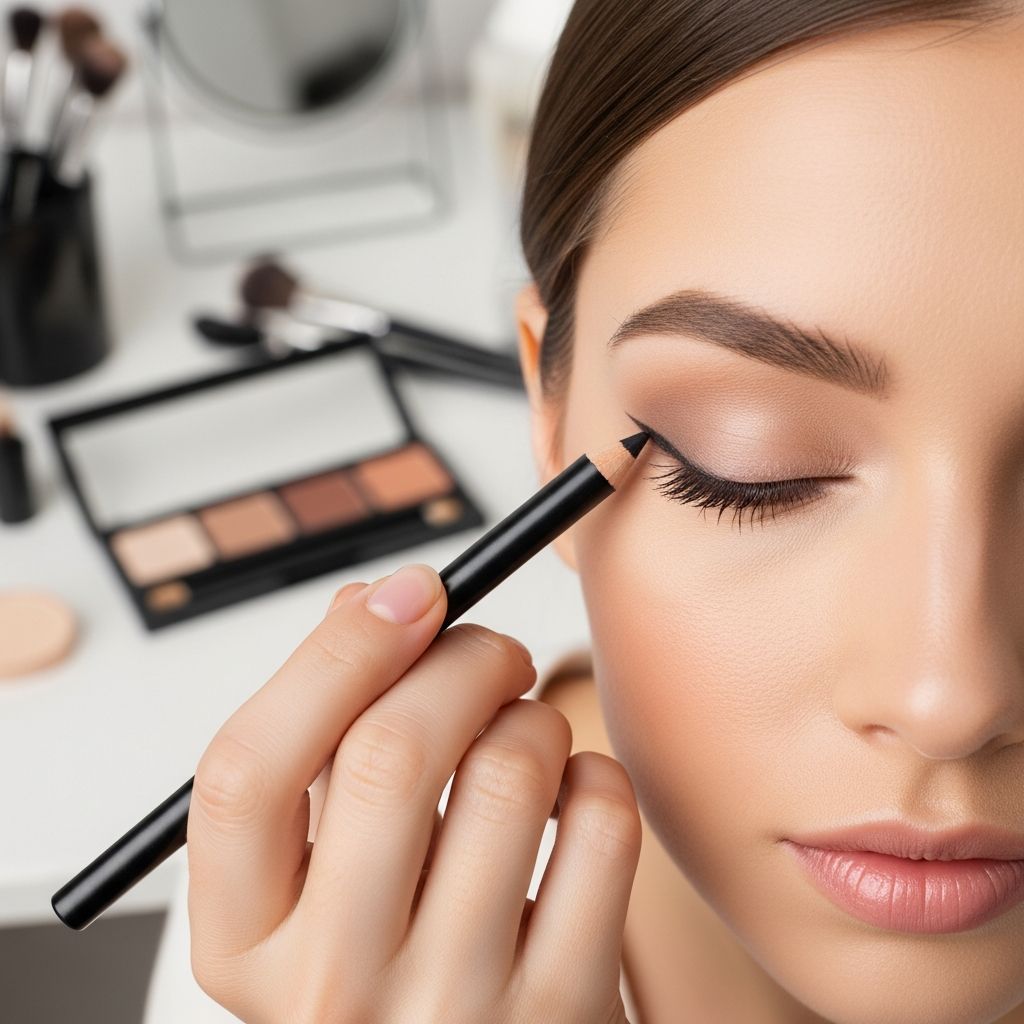
Eye makeup enhances facial features but requires careful handling to protect delicate eye tissues from irritation, infections, and long-term damage. Proper practices ensure both aesthetic appeal and ocular health.
Selecting Eye-Safe Cosmetics
Choosing products formulated for the eye area minimizes risks of allergic reactions and contamination. Opt for items labeled hypoallergenic, ophthalmologist-tested, or non-comedogenic to reduce pore clogging and tear film disruption.
Avoid cosmetics with harmful ingredients like benzalkonium chloride (BAK), phthalates, lead, mercury, or formaldehyde, which can cause corneal damage, neurological issues, or cancer risks. Verify color additives against FDA-approved lists for periocular use to ensure safety.
- Prefer water-based over waterproof formulas to ease removal and prevent residue buildup.
- Select fragrance-free options, especially in high-allergen environments.
- Check for certifications like Leaping Bunny for ethical, non-toxic production.
Essential Hygiene Protocols
Maintaining cleanliness prevents bacterial growth, a primary cause of infections like keratitis or blepharitis. Wash hands thoroughly with antibacterial soap before application—scrub for at least 20 seconds.
Store cosmetics in cool, dry places away from sunlight. Discard mascara after three months, eyeliner after six, and other products past expiration to avoid microbial proliferation. Never use outdated items, as they harbor fungi and bacteria.
| Product Type | Replacement Interval | Reason |
|---|---|---|
| Mascara | 3 months | High contamination risk from wands |
| Eyeliner (pencil/liquid) | 6 months | Bacteria accumulate on tips |
| Eye Shadow | 12 months | Powders absorb moisture |
| False Lashes (reusable) | After 5-10 uses | Adhesive residue breeds germs |
Proper Application Techniques
Apply makeup steadily in a stable environment, never in moving vehicles to prevent applicator injuries like corneal scratches. Insert contact lenses before makeup to avoid particle trapping.
Keep products at a distance from the eyeball: avoid waterline eyeliner, tightlining, false lashes, or extensions, as they disrupt tear production and invite bacteria. Use outer lash line only for definition.
- Cleanse face first.
- Apply cream-based shadows to minimize fallout.
- Sharpen or wipe pencil liners with alcohol before use.
- Limit glitter or flaky formulas that migrate into eyes.
Removal and Aftercare Routines
Remove all makeup nightly using oil-free micellar water or gentle removers to prevent gland blockages and infections. Double-cleanse for waterproof products, then rinse thoroughly.
Avoid sleeping in makeup, which exacerbates blepharitis and dry eye. For contact wearers, remove lenses prior to cleansing. Incorporate makeup-free days weekly for eye recovery, particularly during allergy seasons.
Special Considerations for Contact Lens Users
Contact lens wearers face heightened risks, with 40% reporting irritation from makeup debris. Choose oil-free, non-flaky products; sanitize tools weekly with 70% isopropyl alcohol.
- Use hypoallergenic brands like those tested for lens compatibility.
- Avoid adhesives with formaldehyde for false lashes.
- Soak reusable lashes in micellar solution every few days.
Recognizing and Managing Risks
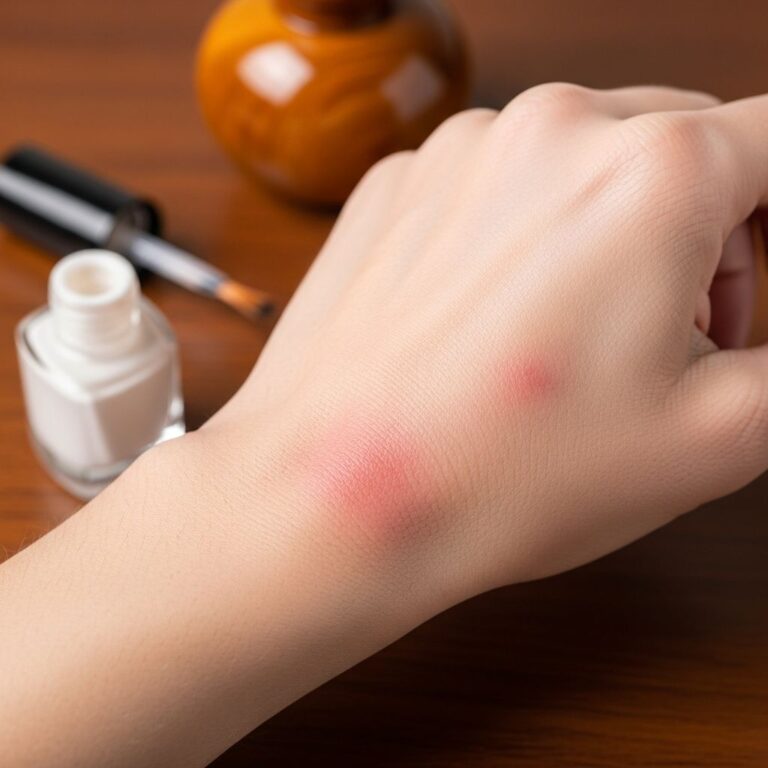
Irritation signals potential issues: stop use immediately if redness, itching, or vision changes occur, and consult an eye doctor if symptoms persist. Discard implicated products.
Related Stories



Steer clear of eye cosmetics during infections or inflammation; wait for healing. Never share products or use non-eye items (e.g., lip liner) near eyes, risking cross-contamination.
Long-Term Eye Health Strategies
Integrate sustainable habits: clean brushes weekly, prioritize professional treatments like lid debridement for chronic issues. Balance beauty with wellness by selecting vision-friendly options that support tear stability and prevent aging effects around eyes.
Frequently Asked Questions
Can eye makeup cause permanent damage?
Yes, improper use can lead to infections causing temporary or rare permanent blindness, or chronic conditions like dry eye.
Is waterproof mascara safer?
No, it resists removal, trapping bacteria; opt for water-based alternatives.
How often should I sanitize makeup brushes?
Weekly with 70% alcohol, or after each use if shared environments.
Are false eyelashes safe?
With non-toxic glues and proper cleaning, but avoid if prone to infections; limit frequency.
What if I get an infection from makeup?
Stop use, discard product, seek medical care promptly to prevent complications.
References
- Eye Safety Alert: Toxic Makeup Ingredients to Watch Out For — Boerne Vision Center. 2023. https://boernevisioncenter.com/blog/eye-safety-alert-toxic-makeup-ingredients-to-watch-out-for/
- Eye Cosmetic Safety — U.S. Food and Drug Administration (FDA). 2024. https://www.fda.gov/cosmetics/cosmetic-products/eye-cosmetic-safety
- Eye Liner, False Lashes & Eye Health — Seattle Eye Care Doctor. 2023. https://seattleeyecaredoctor.com/eye-liner-false-lashes-eye-health/
- Makeup Eye Safety Tips — Vision Source Winona (Robeson Family Vision Center). 2021-09-22. https://visionsource-winona.com/2021/09/22/makeup-eye-safety-tips/
- Be Careful of These Eye Makeup Risks — Dr. Barnes Optometry. 2024-09-04. https://drbarnesoptometry.com/2024/09/04/be-careful-of-these-eye-makeup-risks/
- Eye Makeup Safety Tips — Gary Foster MD. 2023. https://garyfostermd.com/eye-health/eye-makeup-safety-tips/
- 6 Eye Makeup Safety Tips For Healthy Eyes — Eden Family Eye. 2023. https://www.edenfamilyeye.com/6-eye-makeup-safety-tips-for-healthy-eyes/
Similar Articles








Read full bio of Sneha Tete