Safe Homes For Parkinson’s: Comprehensive Room-By-Room Guide
Essential strategies to modify living spaces, prevent falls, and promote independence for those living with Parkinson's disease.
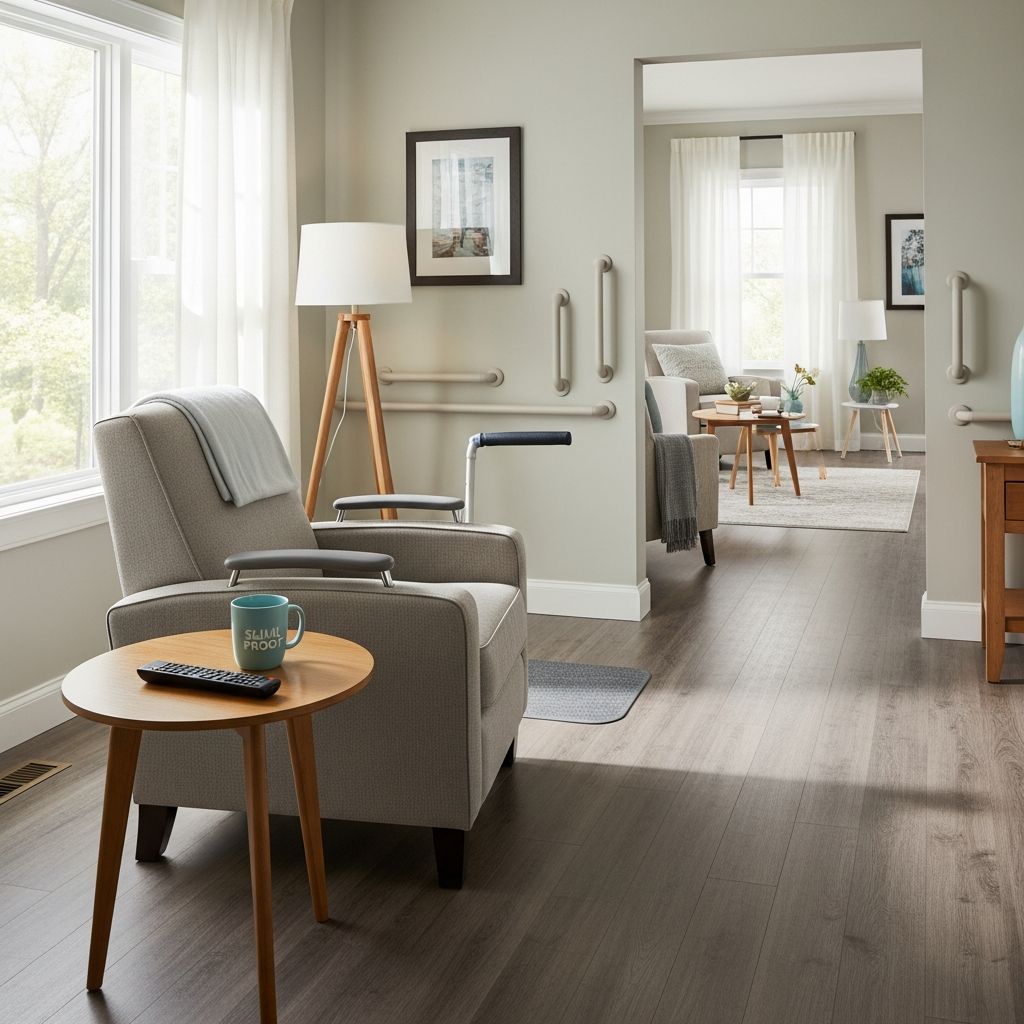
Living with Parkinson’s disease presents unique challenges in everyday navigation, where balance issues, tremors, and mobility limitations heighten fall risks. Thoughtful home modifications can dramatically reduce these dangers, fostering independence and peace of mind. This guide outlines comprehensive approaches to transform residences into supportive havens, drawing from established safety principles.
Understanding Fall Risks and Prevention Basics
Falls represent one of the primary concerns for individuals with Parkinson’s, often resulting from cluttered pathways, poor visibility, or unstable surfaces. Clearing spaces starts with systematic decluttering: relocate electrical cords, eliminate small rugs that bunch up, and ensure furniture arrangements leave at least 36 inches of unobstructed width for walkers or wheelchairs.
Illumination plays a pivotal role; dim areas exacerbate disorientation. Strategic placement of motion-activated lights along corridors, stairwells, and entryways illuminates paths during nocturnal movements, while adjustable window coverings minimize glare that can confuse depth perception. Wearing rubber-soled, well-fitted shoes further stabilizes footing, avoiding loose slippers or overly flexible soles.
- Conduct a room-by-room audit to identify trip points.
- Prioritize high-traffic zones like hallways and door thresholds.
- Involve family in ongoing maintenance to sustain clear routes.
Bathroom Transformations for Slip-Free Confidence
Bathrooms demand immediate attention due to wet floors and confined layouts amplifying slip hazards. Reinforce key areas with professionally installed grab bars adjacent to toilets, within showers, and beside tubs, positioned at chest height for optimal leverage during transfers.
Complement these with elevated toilet seats to ease sitting and rising, paired with non-skid mats both inside tubs and on surrounding tiles. Shower benches or transfer chairs allow seated bathing, conserving energy and reducing strain. Anti-scald valves on faucets prevent accidental burns from fluctuating temperatures.
| Modification | Benefit | Installation Tip |
|---|---|---|
| Grab Bars | Stable support for balance | Anchor to wall studs |
| Shower Chair | Seated washing option | Choose lightweight, adjustable models |
| Non-Slip Mats | Friction on wet surfaces | Suction or adhesive backing |
Organize toiletries at accessible heights, avoiding high shelves that require precarious reaches.
Kitchen Adaptations for Effortless Meal Prep
Kitchens blend utility with risk, where reaching, bending, and handling hot items challenge dexterity. Lower frequently used pots, utensils, and spices to middle cabinets or pull-out drawers, minimizing stretches. Lever-style faucet handles replace twist knobs for tremor-friendly operation.
Introduce a reachable stool for seated chopping or stirring, and select appliances with auto-shutoff like microwaves and stoves to avert fire risks. Rounded-edge counters and labeled storage bins streamline workflows, while pull-out trash bins prevent stooping mishaps.
- Install pull-down shelving for overhead access.
- Opt for rocker knives and one-handed can openers.
- Keep a fire extinguisher visibly mounted.
Related Stories



Bedroom Optimizations for Restful Nights
Quality sleep supports symptom management, yet nighttime mobility issues disrupt it. Adjust bed heights to knee level for seamless in-out transitions, adding foam risers if needed. Bed rails or side handles assist mid-night repositioning without full exits.
Stock nightstands with essentials—medications, water, phone, and a flashlight—within arm’s reach. Motion-sensor lamps banish fumbling in darkness, and firm mattresses reduce sinkage that complicates arising. A bedside commode proves invaluable for those with morning stiffness.
Navigating Stairs and Entryways Effectively
Vertical transitions pose formidable barriers. Handrails on both sides of staircases, extending beyond top and bottom steps, provide dual-sided security. Contrasting tape stripes on stair edges enhance visibility, cueing foot placement amid freezing episodes.
For multi-level homes, consider temporary stair gates or climber aids; permanent lifts suit long-term needs, though coverage varies. Threshold ramps smooth doorways, eliminating stubs over uneven lips.
Flooring Choices That Support Steady Steps
Surface texture influences gait profoundly. Shun glossy tiles or thick shag carpets favoring low-pile, textured options like berber or vinyl with embossed patterns for grip without pattern overload. Secure all edges with double-sided tape, and test for slickness post-cleaning.
In high-use areas, cork or rubber underlay adds subtle cushioning and traction, beneficial for joint comfort.
Furniture and Seating for Reliable Support
Stable furnishings prevent tumbles during sits and stands. Prioritize armchairs with high, firm seats and sturdy arms at hip height, avoiding rockers or swivels that induce spins. Cushion boosters elevate low pieces uniformly.
Arrange sofas against walls for backrest bolstering, and select tables with rounded corners to blunt impacts. Wide pathways between items accommodate aids seamlessly.
Technology and Smart Features Integration
Modern tools amplify safety: voice-activated lights and thermostats reduce physical efforts, while automated door locks and video doorbells monitor visitors hands-free. Fall-detection wearables alert caregivers instantly, and smart plugs schedule reminders for meds.
Integrate smoke and carbon monoxide detectors with app notifications, ensuring comprehensive hazard coverage.
Daily Living Enhancements Beyond Structure
Complement physical changes with routines: adaptive clothing featuring magnetic buttons eases dressing, slip-on shoes with grippy soles simplify footgear. Balance exercises in cleared zones build confidence, and emergency contact cards in wallets expedite responses.
Nutrient-dense diets with omega-3s may mitigate symptoms, paired with rotated activities for engagement.
Consulting Experts for Personalized Plans
Occupational therapists assess individual needs, recommending bespoke alterations and progression strategies as Parkinson’s evolves. Local resources or Medicare-covered equipment evaluations guide cost-effective implementations.
Frequently Asked Questions
What is the top priority modification for Parkinson’s safety?
Bathrooms top the list owing to slip prevalence; prioritize grab bars and mats for quick impact.
How can lighting improvements aid mobility?
Motion lights eliminate shadows, boosting visibility and mood while curbing nighttime stumbles.
Are major renovations always necessary?
No, start small with decluttering and aids; scale to ramps or lifts based on progression and budget.
Does flooring type really matter?
Yes, non-slip, low-contrast surfaces prevent trips and support walker use effectively.
Can tech make a big difference?
Indeed, smart devices automate controls and detect falls, enhancing autonomy.
References
- How to Create a Parkinson’s Friendly Home: Essential Tips — Senior Helpers. 2023. https://www.seniorhelpers.com/resources/blogs/parkinsons-friendly-home-tips/
- Parkinson Disease – Home Safety — UMass Memorial Health. 2024. https://www.ummhealth.org/health-library/parkinson-disease-home-safety
- 7 Home Safety Tips for People with Parkinson’s Disease — Michael J. Fox Foundation. 2023. https://www.michaeljfox.org/news/7-home-safety-tips-people-parkinsons-disease
- 3 Easy Ways to Adapt Your Home for People with Parkinson’s — Gain Therapeutics. 2024. https://gaintherapeutics.com/ways-to-adapt-your-home-for-people-with-parkinsons/
- The Parkinson’s Home Safety Checklist — Davis Phinney Foundation. 2019-07-01. https://davisphinneyfoundation.org/wp-content/uploads/2019/07/Home-Safety-Checklist-DIGITAL.pdf
- Falls Prevention, Home Safety, and Rehabilitation Services for Parkinson’s Disease — PMC (NCBI). 2023. https://pmc.ncbi.nlm.nih.gov/articles/PMC10330085/
Similar Articles








Read full bio of medha deb