Safe Solar Eclipse Viewing: Essential Safety Checklist
Protect your vision during solar eclipses with certified gear and proven techniques from top experts.
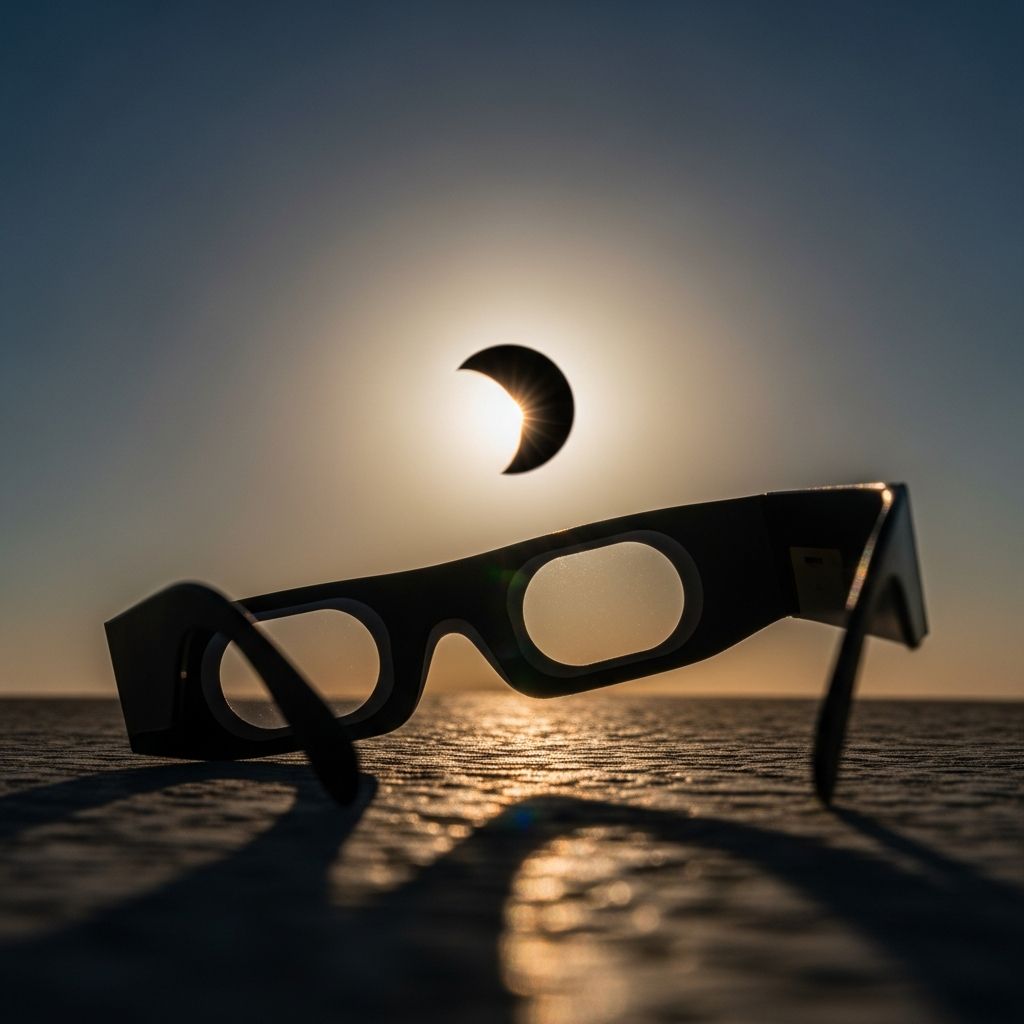
Solar eclipses captivate millions, but direct exposure to the sun’s rays during these events can cause irreversible eye damage known as solar retinopathy. The key to safe observation lies in using certified protective equipment and following strict protocols outlined by leading scientific organizations.
Understanding the Risks to Your Eyes
The sun emits intense ultraviolet (UV) and infrared light that penetrates the eye, potentially burning the retina even during partial coverage by the moon. Unlike normal bright light, eclipse dimming tricks the pupil into dilating, increasing vulnerability. Permanent vision loss, blind spots, or distorted sight can result from mere seconds of unprotected staring.
Medical experts emphasize that no part of the sun should ever be viewed directly without proper filtration, except during the brief phase of totality in total eclipses, when the disk is fully obscured.
Choosing Certified Protective Gear
**ISO 12312-2 Compliance is Non-Negotiable:** Eclipse glasses or handheld solar viewers must bear the ISO 12312-2 certification mark, ensuring they block at least 99.999% of harmful rays. These filters reduce sunlight intensity to safe levels without distorting the eclipse’s appearance.
- Acquire from reputable vendors listed by the American Astronomical Society (AAS).
- Avoid unverified online sellers or bulk imports prone to counterfeits.
- Regular sunglasses transmit thousands of times too much light, offering zero protection.
**Inspection Protocol:** Before each use, hold filters to bright light; discard if scratches, tears, or bubbles appear, as defects allow damaging rays through.
| Acceptable Filters | Unacceptable Items |
|---|---|
| ISO 12312-2 eclipse glasses | Ordinary sunglasses |
| Handheld solar viewers | Camera neutral-density filters |
| Approved telescope solar filters | Welding glass (unless specified ISO) |
| Handheld solar viewers | Exposed film or CDs |
This table highlights verified options versus dangerous myths.
Step-by-Step Safe Viewing Instructions
Prepare in advance to eliminate risks. These guidelines apply universally to partial, annular, or total eclipses.
- Put on Protection First: Don eclipse glasses or position viewer over eyes before facing the sun. If you wear prescription glasses or contacts, layer solar gear on top.
- Stand Still and Glance: Cover eyes with filter, look up briefly at the sun, then turn away completely before removing protection.
- Supervise Children: Young eyes are more susceptible; guide their hands and ensure compliance.
- Monitor Duration: Limit direct views to short intervals, even with filters.
During a total eclipse’s totality—when no solar disk is visible—remove filters momentarily to witness the corona, but replace instantly as light reemerges.
Indirect Observation Techniques
For added safety or group viewing, bypass direct staring entirely with these proven alternatives:
- Pinhole Projector: Poke a small hole in cardboard, project the sun’s image onto shaded paper. The eclipse appears magnified safely.
- Leaf Shadow Method: Interlace fingers or observe tree leaves casting crescent shadows on the ground.
- Colander Projection: Hold a colander over paper; sunlight through holes forms multiple eclipse images.
These methods entertain without eye strain and work for all ages.
Dangers of Optical Devices
Related Stories



Cameras, binoculars, telescopes, and smartphones amplify sunlight dangerously, even with eclipse glasses. Unfiltered optics focus rays like a magnifying glass, igniting filters and searing retinas.
Rules for Equipment:
- Never point unfiltered devices at the sun.
- Solar filters must attach to the front objective lens, not eyepieces.
- Consult astronomers for setup; improper use risks blindness.
Professionals warn that concentrated beams bypass eye protection, causing immediate injury.
Common Myths and Counterfeits Exposed
Many believe household items suffice, but evidence proves otherwise:
- Myth: Stacked Sunglasses Work. Reality: Still transmits UV/infrared.
- Myth: Welding Helmets Are Fine. Reality: Only shade 14+ with ISO certification; most fail.
- Fake Glasses Surge: Test by viewing LED lights—if bright, discard. Counterfeits flood markets during events.
Stock up early from AAS-approved lists to avoid shortages.
Recognizing and Responding to Eye Injury
Symptoms like watery eyes, spots, or headaches may appear hours later. Solar retinopathy lacks pain but erodes central vision. Seek immediate ophthalmologist care—no home remedies reverse damage.
Prevention trumps cure; past eclipses saw thousands treated for avoidable injuries.
Planning Your Eclipse Experience
Combine eye safety with logistics:
- Arrive early to viewing spots; expect crowds and traffic.
- Pack water, snacks, and backups of certified glasses.
- Share safety rules in group chats beforehand.
Families should practice protocols days prior.
FAQs on Solar Eclipse Safety
Q: Can I view the eclipse with the naked eye during totality?
A: Yes, only when the sun is fully covered; confirm no disk shows through glasses before removing.
Q: Are eclipse glasses reusable?
A: Yes, if undamaged; store flat away from heat/pressure.
Q: What if my glasses seem fake?
A: Use the indirect projection method instead.
Q: How do I protect pets?
A: Animals instinctively avoid the sun; no need for eclipse gear.
Q: Safe for contact lens wearers?
A: Yes, keep lenses in and add solar glasses over them.
Expert Consensus and Preparation Timeline
Organizations like NASA, AAS, and Mayo Clinic align on core rules: certify gear, inspect rigorously, avoid devices. Prepare 1-2 months ahead for next events—order glasses, build projectors, educate viewers.
This comprehensive approach ensures awe without aftermath.
References
- Safely View a Solar Eclipse — National Safety Council. 2024. https://www.nsc.org/community-safety/safety-topics/seasonal-safety/how-to-watch-a-solar-eclipse
- How to watch the solar eclipse safely — Mayo Clinic Health System. 2024-03-29. https://www.mayoclinichealthsystem.org/hometown-health/speaking-of-health/how-to-watch-the-solar-eclipse-safely
- How to Safely View a Solar Eclipse — American Association for Pediatric Ophthalmology and Strabismus. 2024. https://aapos.org/glossary/how-to-safely-view-a-solar-eclipse
- Eclipse Safety — University of Southern Indiana. 2024. https://www.usi.edu/solarpalooza/educational-resources/eclipse-safety
- 5 Must-Follow Safety Tips for the Solar Eclipse — Daniels Stark. 2024. https://www.danielstark.com/blog/5-must-follow-safety-tips-for-the-solar-eclipse/
- How to View a Solar Eclipse Safely — American Astronomical Society. 2024. https://eclipse.aas.org/eye-safety
Similar Articles








Read full bio of Sneha Tete