Safe Stargazing: Protect Your Eyes from Celestial Wonders
Discover essential tips to enjoy stars, meteors, and eclipses without risking your vision. Learn proven methods for safe astronomical observation.
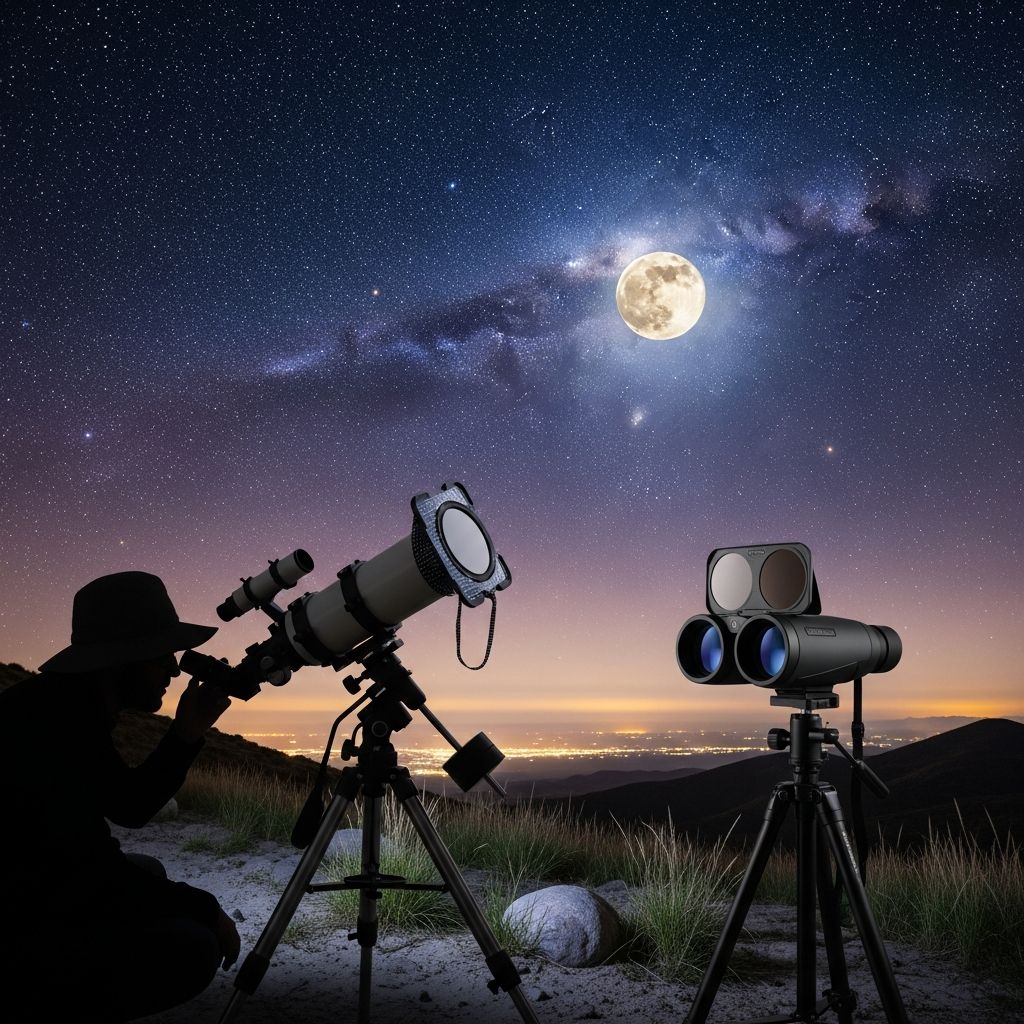
The universe offers breathtaking spectacles like shimmering stars, streaking meteors, and rare solar eclipses that draw millions of admirers. However, unprotected exposure to intense celestial light sources can lead to serious eye injuries, including permanent retinal damage known as solar retinopathy. This guide provides practical, evidence-based strategies to enjoy these events without compromising your vision health.
Understanding Eye Risks in Astronomy
Astronomical viewing involves varying light intensities that can harm the eyes’ sensitive retina, the light-detecting layer at the back of the eye. Direct sun gazing, even during partial eclipses, delivers high-energy visible light and UV rays that burn retinal cells painlessly, often delaying symptoms like central blind spots or distorted vision for hours or days.
Key risks include:
- Solar Retinopathy: Damage to central vision cells from intense sunlight, causing blurred spots or color distortion.
- Macular Edema: Swelling in the retina’s core, leading to wavy vision and reduced contrast sensitivity.
- Increased Vulnerability: Individuals with intraocular lenses, macular degeneration, or uncorrected perfect vision face higher risks due to focused light rays.
Unlike skin burns, eye damage occurs silently without pain, making prevention critical. Environmental UV contributes to cataracts over time, but solar events pose acute threats.
Essential Gear for Secure Sky Observation
Investing in proper equipment is the foundation of safe viewing. Regular sunglasses block UV but fail against the sun’s visible intensity, transmitting up to thousands of times too much light.
| Equipment Type | Purpose | Standards & Tips |
|---|---|---|
| Solar Eclipse Glasses | Direct sun viewing during partial phases | ISO 12312-2 certified; check for manufacturer name, no scratches, under 3 years old |
| Solar Filters for Optics | Telescope/binocular attachments | Front-mounted only; never use eclipse glasses on eyepieces |
| Pinhole Projectors | Indirect eclipse projection | DIY with cardboard; safe for all ages, no direct viewing |
| Star Charts & Apps | Night sky navigation |
For night events like meteor showers, binoculars enhance views but require steady hands to avoid strain. Always cap lenses when not in use to prevent accidental sun exposure.
Mastering Techniques for Daytime Celestial Events
Solar eclipses captivate with the moon obscuring the sun, but safety protocols are non-negotiable except during totality—the brief full blockage phase.
- Put on ISO-certified solar glasses before looking up; turn away to remove them.
- During partial or annular phases, keep protection on at all times.
- In totality’s path, remove glasses only when the sun is fully covered; replace immediately as it reemerges—lasting under 3 minutes.
- Supervise children closely; their curiosity heightens accident risks.
Related Stories



Pinhole projection offers a risk-free alternative: sunlight passes through a tiny hole onto a shaded surface, projecting the eclipse’s progress. Combine with group setups for shared, safe enjoyment.
Optimizing Nighttime Astronomy Safely
Stars, constellations, planets, and meteor showers like the Perseids pose minimal direct risks but demand preparation to maximize clarity and comfort.
- Dark Adaptation: Arrive 20-30 minutes early in total darkness; avoid white lights to let pupils dilate fully.
- Site Selection: Choose low-light-pollution areas using apps like Dark Sky Finder; rural spots reveal fainter objects.
- Meteor Showers: No protection needed, but lie back comfortably to scan wide sky areas without neck strain.
- Planetary Viewing: Jupiter and Saturn shine brightly; use low-power binoculars for moons and rings.
Prolonged sessions can dry eyes; blink frequently and use preservative-free drops if needed. Cold nights warrant protective eyewear against wind, not light.
Navigating Special Astronomical Phenomena
Beyond basics, events like lunar eclipses and auroras require tailored approaches.
Lunar Eclipses: Safe to view unaided as the moon reflects dim sunlight; binoculars reveal Earth’s shadow details.
Auroras: Northern Lights’ glow poses no threat; protect against UV in sunny polar days.
Comets and Supernovas: Naked-eye or telescopic; ensure equipment stability to prevent fatigue-induced slips.
For bright objects like Venus or Iridium flares, brief glances suffice—no filters required.
Recognizing and Addressing Eye Issues Post-Viewing
Monitor for symptoms after any event:
- Central blind spots or scotomas
- Visual distortion (straight lines wavy)
- Color desaturation or photophobia
- Headaches or eye pressure
Seek immediate care from an ophthalmologist if issues persist beyond 24 hours. Early intervention can mitigate permanent loss, though solar retinopathy often heals partially over months.
Those with pre-existing conditions should consult professionals beforehand.
Family-Friendly Astronomy Safety Protocols
Involve kids with engaging, low-risk methods:
- Build pinhole viewers from cereal boxes.
- Use apps for interactive star hunts.
- Schedule short sessions to maintain attention.
Adults model gear usage; explain why protection matters to foster lifelong habits.
Frequently Asked Questions (FAQs)
Can I use my phone camera to view an eclipse?
No—most lack sufficient filters; solar energy can damage sensors and your eyes indirectly. Use dedicated solar projectors.
Are eclipse glasses reusable?
Yes, if undamaged and within 3 years; inspect for tears or scratches annually.
What if I accidentally glimpse the sun briefly?
One short look rarely causes harm, but avoid repetition; monitor vision and consult if concerned.
Is viewing sunsets safe?
Horizon sunsets reduce intensity enough for naked-eye viewing, though filters enhance comfort.
How do I verify solar filter quality?
Look for ISO 12312-2 marking and test against bright lights (should appear uniform gray).
Conclusion: Skywatch Responsibly
Armed with knowledge and tools, you can chase cosmic wonders worry-free. Prioritize certified protection, indirect methods, and post-event checks to preserve sight for future spectacles. Share these practices to build a community of informed observers.
References
- Solar Eclipse Eye Safety — American Astronomical Society. 2017. https://eclipse.aas.org/sites/eclipse.aas.org/files/AAS-Chou-Solar-Eclipse-Eye-Safety.pdf
- Keeping an Eye on Your Vision During the Solar Eclipse — University of Texas at Austin. 2024-03-15. https://news.utexas.edu/2024/03/15/keeping-an-eye-on-your-vision-during-the-solar-eclipse/
- How to Watch an Eclipse Safely — National Eye Institute (NIH). Accessed 2026. https://www.nei.nih.gov/research-and-training/research-news/how-watch-eclipse-safely
- Solar Eclipses and Eye Safety — American Optometric Association. Accessed 2026. https://www.aoa.org/healthy-eyes/caring-for-your-eyes/solar-eclipses
- Protecting Your Eyes During a Solar Eclipse — Rochester Regional Health. Accessed 2026. https://www.rochesterregional.org/hub/solar-eclipse-eye-protection
- Solar Eclipse Eye Safety — Prevent Blindness. Accessed 2026. https://preventblindness.org/solar-eclipse-and-your-eyes/
- How to Protect Your Eyes During Total Solar Eclipse — Michigan Medicine. Accessed 2026. https://www.michiganmedicine.org/health-lab/how-protect-your-eyes-during-total-solar-eclipse
Similar Articles








Read full bio of medha deb