Yoga For Back Pain: 5 Essential Poses For Safe Relief
Learn how to practice yoga safely to relieve back pain and improve spinal health effectively.
The Safe Way to Do Yoga for Back Pain
Back pain affects millions of people worldwide, making it one of the most common health complaints. Many individuals turn to yoga as a natural and holistic approach to managing their pain and improving their overall well-being. Research has demonstrated that yoga can be an effective intervention for chronic lower back pain, offering relief comparable to physical therapy in many cases. However, practicing yoga incorrectly can potentially worsen your condition or lead to new injuries. Understanding how to practice yoga safely is essential for anyone seeking to use this ancient practice as a therapeutic tool for back pain management.
Understanding Yoga and Back Pain Relief
Yoga combines physical postures, breathing techniques, and meditation to promote physical and mental wellness. For individuals with back pain, yoga offers multiple benefits beyond simple pain relief. The practice can improve flexibility, strengthen the core muscles that support the spine, and reduce muscle tension that often accompanies chronic pain. Additionally, yoga addresses the psychological components of pain, including stress and anxiety, which can amplify physical discomfort.
Studies published in peer-reviewed journals have shown that yoga is effective for mild to moderate chronic low back pain and demonstrates comparable outcomes to traditional physical therapy. The benefits extend beyond the treatment phase; regular practice helps maintain improvements over time. Most importantly, research indicates that adverse events from yoga practice are minimal and typically consist of mild, self-limited joint and back discomfort that resolves quickly.
Assessing Your Current Physical Condition
Before beginning any yoga practice, it is crucial to assess your current physical condition and understand the nature of your back pain. Back pain can stem from various causes, including muscle strain, degenerative disc disease, herniated discs, or spinal misalignment. The severity and type of pain you experience will influence which yoga poses are appropriate for your practice.
Individuals with severe back pain, recent injuries, or specific structural conditions should consult with a healthcare provider or physical therapist before beginning a yoga practice. This professional guidance ensures that your yoga program is tailored to your specific needs and that you avoid movements that could exacerbate your condition. Those with mild to moderate pain may have more flexibility in their practice, but modifications remain essential for safety.
Fundamental Principles of Safe Yoga Practice
Safe yoga practice for back pain is built on several fundamental principles that should guide your approach:
- Listen to Your Body: Pay close attention to how your body responds to each pose. Pain is a warning signal that should not be ignored. Gentle discomfort during stretching is normal, but sharp pain indicates you should modify or stop the movement.
- Practice Proper Alignment: Correct alignment of your spine and joints is fundamental to safe practice. Misalignment places unnecessary stress on your back and can lead to injury or increased pain.
- Use Modifications and Props: Yoga blocks, straps, blankets, and bolsters are not signs of weakness but rather intelligent tools that allow you to practice safely while building strength gradually.
- Breathe Consciously: Proper breathing oxygenates your muscles, reduces tension, and promotes relaxation. Never hold your breath during poses, as this increases spinal pressure.
- Progress Gradually: Build your practice slowly over weeks and months. Attempting advanced poses too quickly is a primary cause of yoga-related injuries.
Essential Yoga Poses for Safe Back Pain Relief
Certain yoga poses are particularly beneficial for back pain when performed with proper technique and modifications. These foundational poses can be incorporated into a regular practice to build strength, improve flexibility, and reduce pain.
Child’s Pose (Balasana)
This gentle resting pose provides relaxation and mild spinal decompression. To practice safely, kneel on a yoga mat and lower your hips toward your heels while extending your arms forward. If you have back pain, place a bolster or cushion beneath your chest and abdomen for support. This modification prevents excessive spinal flexion while still providing the benefits of gentle stretching. Child’s pose can be held for one to three minutes and is excellent for releasing tension in the lower back.
Related Stories



Cat-Cow Stretch (Marjaryasana-Bitilasana)
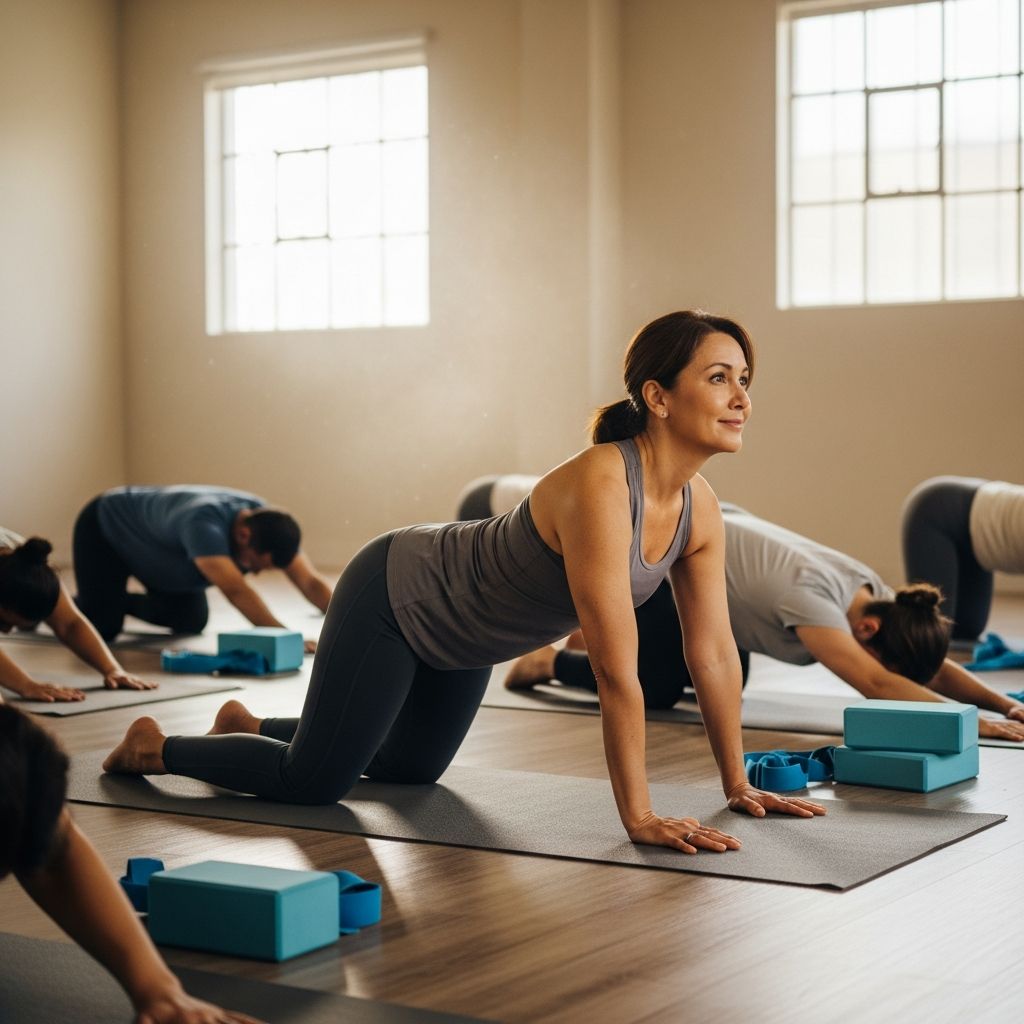
This dynamic flow of two poses gently mobilizes the spine and warms the muscles. Begin on hands and knees with neutral spine alignment. In the cow pose, lower your belly toward the mat while lifting your gaze and tailbone, creating a gentle arch in your spine. For the cat pose, round your spine by drawing your belly in and tucking your chin toward your chest. Move between these positions slowly and with control, allowing each movement to flow with your breath. Perform five to ten rounds to mobilize your spine safely.
Downward-Facing Dog (Adho Mukha Svanasana)
While downward dog is often considered a fundamental pose, individuals with back pain should approach it with modifications. This inversion pose can be intense for the spine, so modifications are essential. Rather than practicing the full expression of the pose, begin with a modified version where your hands are on a higher surface, such as a table or chair, reducing the intensity of the inversion. This modification allows you to gain the benefits of the pose while protecting your back.
Sphinx Pose (Salamba Bhujangasana)
This gentle backbend strengthens the spinal muscles without excessive strain. Lie on your belly with your forearms on the mat, elbows directly beneath your shoulders. Press your forearms firmly into the mat to lift your chest slightly. Keep your neck neutral and avoid looking excessively upward. This pose engages your back muscles while maintaining a safe range of motion. Hold for 15 to 30 seconds and repeat three to five times.
Bridge Pose (Setu Bandhasana)
Bridge pose strengthens the gluteal and core muscles that support the spine. Lie on your back with your knees bent and feet flat on the floor, hip-width apart. Press through your feet to lift your hips toward the ceiling, creating a straight line from your knees through your hips to your shoulders. Avoid tilting your pelvis excessively or arching your lower back. This pose can be held for 30 to 60 seconds and repeated three times.
Critical Safety Guidelines and Contraindications
Certain movements and poses should be avoided or approached with extreme caution when managing back pain:
- Deep Forward Folds: Poses that involve bending deeply forward, particularly with straight legs, can place excessive strain on the lower back and should generally be avoided or heavily modified.
- Full Spinal Twists: Deep rotational movements can stress intervertebral discs and should be limited to gentle, controlled twists only.
- Full Backbends: Extreme arching poses like full wheel pose can compress the spine excessively and should be avoided until you have built substantial spinal strength.
- Intense Inversions: Advanced inversions like headstands and shoulder stands place significant pressure on the cervical and thoracic spine and should be approached cautiously.
Working with Qualified Instructors
Finding a yoga instructor who has experience working with back pain populations is invaluable for safe practice. Qualified instructors understand proper alignment, can provide individualized modifications, and can help you progress safely. When selecting an instructor, look for credentials from recognized yoga teacher training programs and specific experience with therapeutic yoga or yoga for injuries.
During your initial classes, inform the instructor about your back pain and any specific movements that cause discomfort. Quality instructors will observe your practice closely and offer real-time corrections to ensure proper alignment. Group classes can be beneficial, but private sessions may be preferable initially to receive personalized guidance.
Creating Your Safe Yoga Practice Routine
A safe yoga practice for back pain should combine strengthening poses, gentle stretches, and relaxation techniques. A typical session might include:
- 5-10 minutes of gentle warm-up movements and breathing exercises
- 10-15 minutes of modified strengthening poses targeting core and back muscles
- 10-15 minutes of gentle stretching and flexibility work
- 5-10 minutes of relaxation and meditation
Consistency is more important than intensity. Practicing three to four times per week is more beneficial than intensive but infrequent sessions. Many people find that maintaining a regular practice prevents pain flare-ups and gradually reduces overall discomfort levels.
Complementary Approaches and Integration
Yoga works best when integrated with other pain management strategies. Continue any prescribed physical therapy exercises, maintain good posture in daily activities, and consider complementary practices like mindfulness meditation to address the psychological components of pain. Some individuals benefit from combining yoga with other activities like swimming or walking, which provide cardiovascular benefits without stressing the spine.
When to Seek Professional Medical Attention
While yoga can be highly effective for chronic back pain management, certain situations require professional medical evaluation. Seek medical attention if you experience:
- Severe or worsening pain despite consistent yoga practice
- New neurological symptoms such as numbness, tingling, or weakness
- Pain that radiates down your leg or arm
- Difficulty controlling bowel or bladder function
- Unexplained weight loss accompanying back pain
- Pain following trauma or accident
Research Evidence Supporting Safe Yoga Practice
The scientific evidence supporting yoga for back pain continues to grow. Clinical trials have demonstrated that structured yoga programs can reduce pain and improve function comparably to physical therapy interventions. Research indicates that yoga participants who engage in maintenance practices—whether through drop-in classes or home practice—maintain their improvements over extended periods. The rate of adverse events from yoga practice is low, with most reported side effects being mild and self-resolving.
Frequently Asked Questions
Q: How long does it take to see results from yoga for back pain?
A: Many people begin noticing improvements within 2-4 weeks of consistent practice, though optimal benefits typically develop over 8-12 weeks of regular sessions. Maintenance of improvements requires ongoing practice.
Q: Can yoga cure my back pain permanently?
A: Yoga can significantly reduce pain and improve function, but back pain often requires ongoing management. Think of yoga as a long-term strategy for pain management and prevention rather than a permanent cure.
Q: Is it better to practice yoga at home or in a class?
A: Classes with qualified instructors provide personalized feedback and corrections, which is particularly valuable when beginning practice. However, home practice offers convenience and flexibility. A combination of both approaches may be optimal.
Q: What should I do if a yoga pose causes pain?
A: Stop immediately and inform your instructor. Pain is always a signal to modify or avoid a movement. Your instructor can suggest safer alternatives or different alignment adjustments.
Q: Can I practice yoga if I have a herniated disc?
A: Yes, but modifications are essential. Consult with your healthcare provider and work with an experienced yoga instructor who can modify poses to protect your spine and promote healing.
References
- Yoga, Physical Therapy, or Education for Chronic Low Back Pain — National Center for Biotechnology Information (NCBI). 2019. https://pmc.ncbi.nlm.nih.gov/articles/PMC6392183/
Similar Articles








Read full bio of Sneha Tete