Safeguard Your Vision: Essential Eye Protection Guide
Discover proven strategies to prevent 90% of eye injuries through proper protective eyewear in work, home, and sports settings.
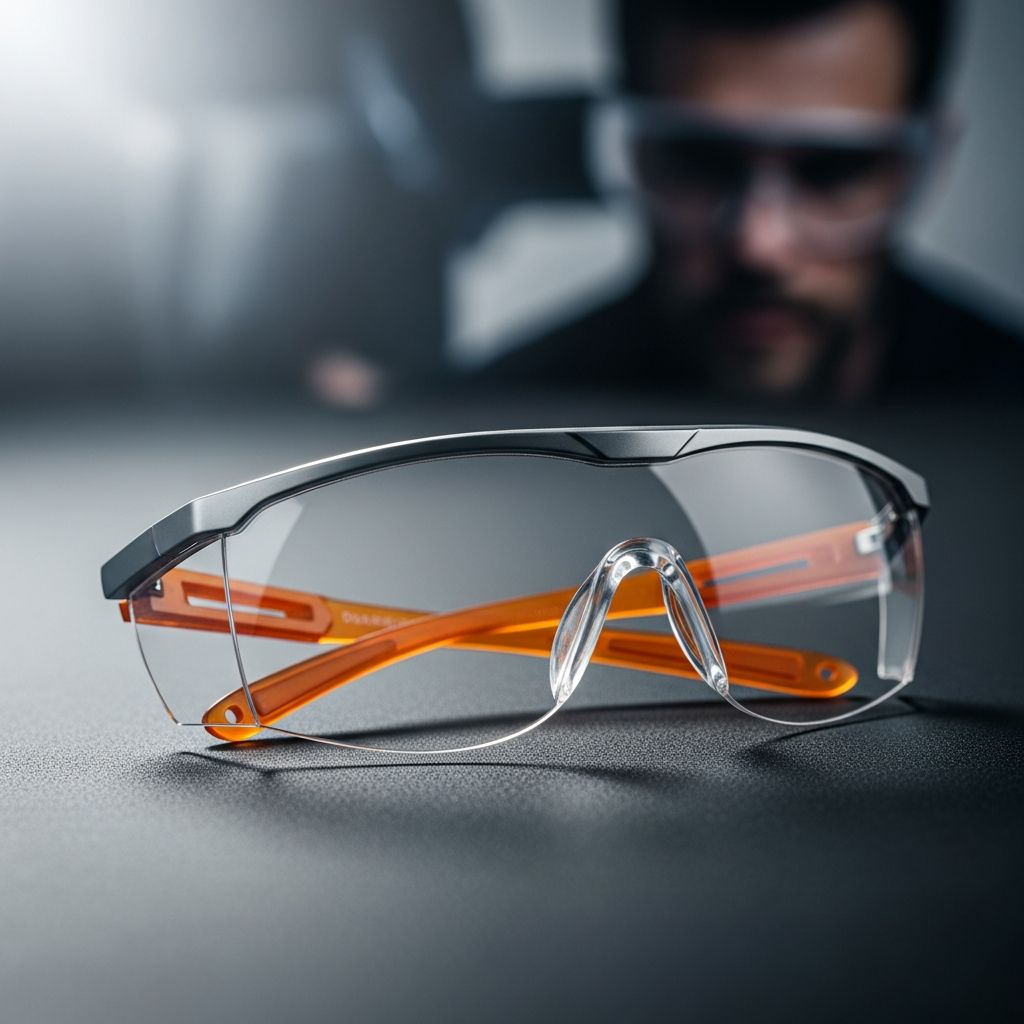
Every year, hundreds of thousands of eye injuries occur across workplaces, homes, and recreational activities, yet data indicates that up to 90% could be avoided with appropriate protective eyewear. Understanding the scope of these risks and selecting the right gear is vital for preserving sight, which accounts for 80% of our sensory input.
The Alarming Scope of Eye Injuries Today
Work-related eye trauma affects nearly 2,000 U.S. workers daily, leading to emergency visits, medical treatments, and lost productivity. These incidents contribute to roughly $300 million in annual costs, including healthcare, compensation, and absenteeism. Eye injuries represent about 45% of head-related issues causing missed workdays, disproportionately impacting men aged 25-44, who make up 80% of victims.
Industries like manufacturing, construction, and mining bear 40% of on-the-job cases, often from flying debris, chemicals, or tools. Beyond factories, service sectors (24.8%), transportation (17%), and production (16.6%) report significant occurrences, per U.S. Bureau of Labor Statistics data. Even healthcare environments see exposures to infectious and chemical agents, with low protective gear usage exacerbating risks.
Common Hazards Threatening Your Eyes
Eye injuries stem from diverse sources, categorized by environment:
- Workplace threats: Foreign bodies (e.g., metal shards, dust) top the list at 533 per 100,000 in manufacturing, followed by superficial scratches and burns.
- Chemical exposures: Splashes cause keratitis or conjunctivitis, prevalent in construction (61.6 and 56.5 per 100,000).
- Home and DIY risks: Nearly 50% of injuries happen during repairs, yard work, or cooking, where power tools and cleaners pose dangers.
- Sports and recreation: Over 40% of annual cases link to balls, racquets, or impacts, costing $175 million yearly.
These events highlight that inadequate or absent eyewear is the primary culprit, as ordinary glasses fail against high-velocity particles or liquids.
Why Protective Eyewear is Non-Negotiable
Certified safety eyewear meets ANSI Z87.1 standards, ensuring impact resistance, splash protection, and side shield coverage. Unlike regular sunglasses or prescription lenses, these block 99% of UV rays and withstand extreme conditions. Studies confirm that consistent use slashes injury rates, aligning with OSHA mandates for hazard assessment and provision of gear.
Compliance gaps persist due to fit issues, discomfort, or underestimating risks—three in five injured workers wore no protection, believing it unnecessary. Proper eyewear not only prevents trauma but also reduces long-term issues like cataracts or infections.
Selecting the Right Protective Eyewear
| Hazard Type | Recommended Eyewear | Key Features | Ideal For |
|---|---|---|---|
| Flying Particles | Impact-rated safety glasses | Polycarbonate lenses, side shields, Z87+ mark | Construction, manufacturing |
| Chemicals | Goggles or sealed glasses | Sealed fit, anti-fog coating, chemical resistance | Labs, cleaning, healthcare |
| Dust/Fumes | Full-coverage shields | Ventilated or indirect vents, UV protection | Yard work, welding |
| High-Heat | Specialized welding helmets | Auto-darkening lenses, heat-resistant frames | Industrial welding |
Consult an eye care professional for prescription-integrated options (e.g., plano overglasses). Prioritize adjustable straps, lightweight materials, and anti-fog treatments for all-day comfort.
Implementing Eye Safety in Workplaces
Employers must conduct hazard analyses, supply compliant gear, and train staff on usage. Bystanders near risky zones require protection too. Programs combining education and enforcement boost adherence, as seen in reduced rates during heightened safety eras like COVID-19.
Related Stories



Key steps include:
- Regular safety audits to identify low-compliance areas.
- Mandatory training on hazard recognition.
- Providing fitted, task-specific eyewear.
- Promoting a culture where protection is routine.
Eye Protection for Home and Leisure Activities
DIY enthusiasts using saws, grinders, or paints face similar perils as professionals—always don impact goggles. In sports like basketball, baseball, or racquetball, polycarbonate lenses prevent blunt trauma. Children’s gear should fit snugly without gaps.
For yard maintenance or automotive tinkering, opt for wraparound styles blocking debris from all angles. Cooking splatters and cleaning agents warrant sealed protection to avert burns or irritations.
Overcoming Barriers to Consistent Use
Factors like poor fit, fogging, or style concerns deter usage. Solutions: Custom fittings, ventilated designs, and fashionable frames. Education counters misconceptions, emphasizing that one injury can impair vision permanently.
Sociocultural hurdles, such as limited training in underserved areas, demand targeted campaigns. Technological advances like smart coatings enhance appeal and efficacy.
Future Directions in Eye Safety
Ongoing research pushes for better monitoring tech and inclusive policies. Post-pandemic data suggests PPE familiarity aids sustained habits. Investments in worker education promise further declines in rates, already down from prior decades.
Frequently Asked Questions
Are regular glasses sufficient for safety?
No, they lack impact resistance and coverage needed for hazards. Use ANSI-certified gear.
How often should workplace eyewear be replaced?
Inspect regularly; replace if scratched, cracked, or after impacts.
Do I need protection for low-risk tasks?
Yes, even minor activities like hammering can eject particles.
What’s the cost of ignoring eye safety?
Up to $300 million yearly in U.S. damages, plus potential blindness.
Can kids wear adult safety glasses for sports?
No, select youth-sized models for proper fit.
References
- 90% Of The 300000 Eye Injuries Yearly Are Preventable By Wearing Appropriate Eye Protection — RVC Optometric. Accessed 2026. https://rvcoptometric.com/90-of-the-300000-eye-injuries-yearly-are-preventable-by-wearing-appropriate-eye-protection/
- Combat eye injury statistics with the right anti-fog safety glasses — HexArmor. Accessed 2026. https://www.hexarmor.com/posts/workplace-eye-injury-statistics
- Patterns and Prevention of Occupational Eye Injuries — PMC – NIH. 2023. https://pmc.ncbi.nlm.nih.gov/articles/PMC12643036/
- Work-related eye injuries in the U.S — CDC Stacks. 2007. https://stacks.cdc.gov/view/cdc/192042
- Is Your Workplace A Danger to Your Eyes? — South Shore Eye Care. Accessed 2026. https://www.southshoreeyecare.net/is-your-workplace-a-danger-to-your-eyes
- Preventing Eye Injuries — Prevent Blindness. Accessed 2026. https://preventblindness.org/preventing-eye-injuries/
- Protecting your eyes at work — American Optometric Association. Accessed 2026. https://www.aoa.org/healthy-eyes/caring-for-your-eyes/protecting-your-vision
Similar Articles








Read full bio of medha deb