Safeguard Your Vision: Eye Injury Prevention Guide
Discover practical strategies to protect your eyes from everyday hazards at home, work, sports, and beyond for lifelong clear sight.
Your eyes are vital for experiencing the world, yet they face constant risks from daily activities. Simple precautions can dramatically reduce the chance of injury, preserving your sight for years to come. This guide explores comprehensive strategies across common scenarios, backed by expert recommendations.
Understanding Common Eye Injury Risks
Eye injuries occur frequently, with thousands reported daily in workplaces alone. Common causes include flying debris, chemicals, impacts from sports, and even household accidents. High-risk jobs like construction, welding, and manufacturing see the most incidents, but home tasks and recreation pose dangers too. Awareness of these threats is the foundation of prevention.
Statistics highlight the urgency: about 90% of injuries could be avoided with proper protection. Temporary vision loss affects 10-20% of work-related cases, underscoring the need for proactive measures.
Essential Protective Gear for Everyday Use
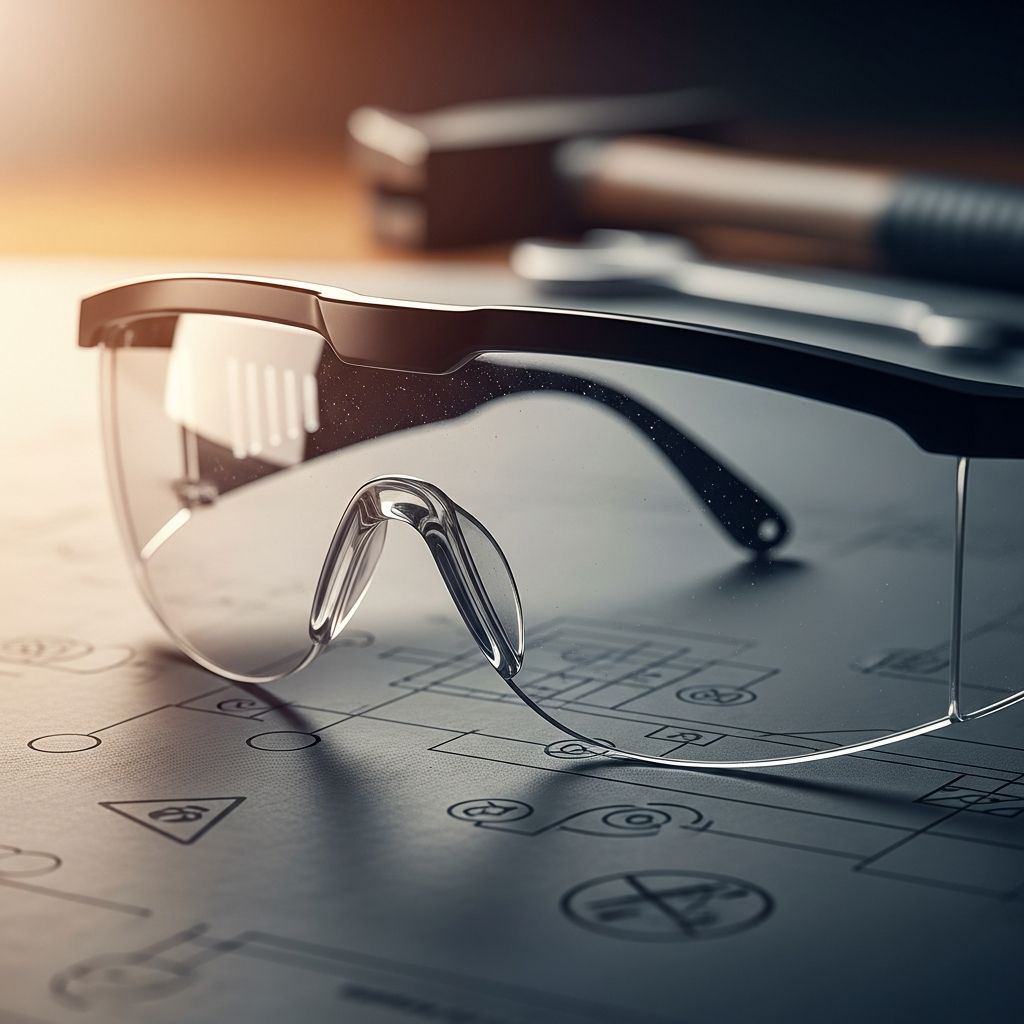
Investing in quality eyewear is non-negotiable. Polycarbonate lenses, 10 times stronger than standard plastics, offer superior impact resistance. Here’s what to choose:
- Safety glasses and goggles: Ideal for workshops, labs, and DIY projects to block particles and splashes.
- Sports-specific guards: Designed for activities like racquetball, basketball, or paintball to withstand high-speed impacts.
- UV-blocking sunglasses: Essential outdoors, filtering 99-100% of UVA/UVB rays to prevent long-term damage.
- Face shields: For heavy-duty tasks involving chemicals or grinding.
Ensure a snug fit and regular maintenance to avoid scratches that impair visibility. Employers must supply gear in hazardous environments.
Workplace Safety Protocols
Occupations involving tools, machinery, or irritants demand strict protocols. Identify hazards first—such as sparks from welding or dust in carpentry—then implement controls like machine guards and ventilation.
| Hazard Type | Recommended Protection | Additional Measures |
|---|---|---|
| Flying Debris | Safety goggles | Tool guards, clear work zones |
| Chemical Exposure | Sealed goggles, face shields | Label reading, ventilation |
| High-Impact Tools | Polycarbonate glasses | Training sessions |
| Digital Screens | 20-20-20 breaks |
Training educates workers on risks, reducing incidents significantly. Regular eye exams detect vulnerabilities early.
Home and DIY Project Precautions
Household chores account for many injuries. Mowing lawns, cleaning ovens, or yard work can propel objects into eyes. Always don eyewear for:
- Power tools like saws or drills.
- Cleaning agents—read labels, avoid mixing, and use in ventilated spaces.
- Kitchen tasks involving hot oils; employ splatter guards.
Store sharps and chemicals out of children’s reach. For home repairs, treat every project as potentially hazardous.
Sports and Recreation Safeguards
Athletic activities cause a significant portion of injuries, especially in racquet sports, ball games, and combat training. Polycarbonate sports goggles prevent 90% of impacts.
- Wear them throughout the game, not just during play.
- Choose activity-specific designs for optimal coverage.
- Avoid risky moves without protection.
For swimming, use goggles to block chlorine irritation, but skip contacts in pools.
Seasonal and Holiday Hazards
Holidays amplify risks. Fireworks lead to severe, often permanent damage—leave displays to experts and view from afar. Sparklers burn at 2,000°F, rivaling blowtorches.
Related Stories



Winter brings snow blower debris; summer grilling demands shields against flares. Year-round, UV exposure accumulates, so consistent sunglass use is key.
Digital Wellness and Fatigue Prevention
Prolonged screen time causes strain, dryness, and headaches. Combat this with the 20-20-20 rule: every 20 minutes, gaze 20 feet away for 20 seconds. Blink frequently, adjust lighting, and position screens at arm’s length.
Emergency Response: Act Fast
If injury strikes, stay calm:
- Don’t rub: It worsens scratches or embeds particles.
- Flush chemicals: Rinse with lukewarm water for 15+ minutes.
- Shield loosely: Use a clean cloth; avoid pressure.
- Seek pros immediately: Even mild issues need evaluation to avert complications.
Never ignore symptoms like pain, blurred vision, or light sensitivity.
Building Community Awareness
Prevention thrives on education. Share tips via family discussions, workplace programs, and public campaigns. Community efforts, like safety standards in products and driver vision checks, amplify impact. Observe eye safety months to reinforce habits.
Long-Term Vision Maintenance
Annual exams catch issues early. Maintain gear, stay informed on updates, and model safe behaviors for kids. These steps ensure sustained eye health.
Frequently Asked Questions
What makes polycarbonate lenses ideal for protection?
They resist impacts 10 times better than other plastics, perfect for high-risk activities.
Is eye protection required by law at work?
Yes, employers must provide it in hazardous settings to comply with safety regulations.
How can I protect kids’ eyes during play?
Use child-sized goggles for sports and keep hazards secured; educate on not rubbing eyes.
Do sunglasses really prevent eye damage?
Those blocking 99-100% UV rays shield against cataracts and macular degeneration.
What if I get something in my eye at home?
Flush gently and consult a doctor promptly—don’t delay.
References
- Protecting Your Eyes at Work and Home: Simple Tips for Eye Injury Prevention — Bowden Eye & Associates. 2023. https://www.bowdeneye.com/eye-health/protecting-your-eyes-at-work-and-home-simple-tips-for-eye-injury-prevention/
- Preventing Vision Loss | Vision and Eye Health — Centers for Disease Control and Prevention (CDC). 2024-02-23. https://www.cdc.gov/vision-health/prevention/index.html
- 5 Tips for Preventing Eye Injuries — Mayo Clinic Health System. 2023. https://www.mayoclinichealthsystem.org/hometown-health/speaking-of-health/5-tips-for-preventing-eye-injuries
- Preventing Eye Injuries — National Center for Biotechnology Information (PMC). 2016-03-01. https://pmc.ncbi.nlm.nih.gov/articles/PMC4790163/
- How to Prevent Workplace Eye Injuries — Black Hills Eyes. 2023-03-01. https://www.blackhillseyes.com/2023/03/01/how-to-prevent-workplace-eye-injuries/
- Preventing Eye Injuries — Prevent Blindness. 2024. https://preventblindness.org/preventing-eye-injuries/
Similar Articles








Read full bio of medha deb