Safeguarding Children: A Comprehensive Guide To Protecting Kids
Essential guide to protecting children from abuse, recognizing signs, and knowing what actions to take for their safety and welfare.

Safeguarding children involves protecting children from maltreatment, preventing impairment of their health or development, ensuring they grow up in circumstances consistent with safe and effective care, and taking action to enable all children to have the best outcomes.
Abuse and Safeguarding Policy
Child protection is a critical responsibility shared by families, communities, and professionals. In the UK, frameworks like Working Together to Safeguard Children (2018) outline how organizations and individuals should work together to protect children from harm. Abuse can occur in any setting, including homes, schools, care facilities, or online environments. Early recognition and intervention are key to preventing long-term damage.
What is Child Abuse?
Child abuse is when an adult or another child causes harm to a child under 18 years old. It can be a single incident or repeated over time. Abuse is not always obvious and can leave lasting emotional, physical, or psychological scars. The four main categories are physical abuse, emotional abuse, sexual abuse, and neglect, though children may experience multiple types simultaneously.
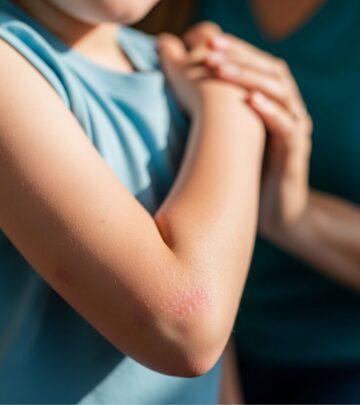
- Physical abuse: Involves non-accidental physical injury, such as hitting, shaking, burning, or poisoning. Signs include unexplained bruises, fractures, or injuries in various healing stages.
- Emotional abuse: Persistent emotional maltreatment causing severe adverse effects on emotional development. Examples include constant criticism, rejection, or exposure to domestic violence.
- Sexual abuse: Forcing or enticing a child into sexual activities, including non-contact acts like viewing pornographic material. Indicators may include sexual knowledge beyond age, genital injuries, or behavioral changes.
- Neglect: Persistent failure to meet a child’s basic physical and/or psychological needs, resulting in serious impairment. This includes inadequate food, clothing, supervision, or medical care.
Who is at Risk?
Any child can be at risk of abuse, but certain factors increase vulnerability. Children under 1 year old are particularly susceptible to serious harm or death from abuse. Those living in poverty, with disabilities, or in households with domestic violence, substance misuse, or mental health issues face higher risks. Looked-after children, those in care, or unaccompanied asylum-seeking children are also more vulnerable.
| Risk Factors | Examples |
|---|---|
| Family Stressors | Domestic abuse, parental mental illness, drug/alcohol misuse |
| Child Characteristics | Young age (<1 year), disabilities, behavioral issues |
| Social Factors | Poverty, social isolation, frequent changes in carers |
How Large is the Problem?
In England, local authorities received over 404,000 referrals concerning child protection in 2022-2023, with around 50,200 children starting on child protection plans. NSPCC data indicates 1 in 20 children experience maltreatment. Globally, WHO estimates 1 billion children aged 2-17 have experienced physical, sexual, or emotional violence or neglect in the past year. These figures likely underrepresent the true scale due to underreporting.
Recognizing Signs of Abuse
Spotting abuse requires awareness of physical, behavioral, and contextual indicators. Not all signs mean abuse has occurred, but clusters warrant concern.
Physical Indicators
- Unexplained injuries, burns, or bruises in unusual patterns (e.g., handprints, ligature marks).
- Frequent absences from school or medical appointments.
- Inappropriate clothing to hide injuries.
Related Stories



Behavioral Indicators
- Withdrawal, fearfulness, or aggression.
- Overly compliant or attention-seeking behavior.
- Age-inappropriate sexualized behavior or knowledge.
- Running away from home or self-harm.
Parental Indicators
- Hostility towards the child or reluctance to discuss concerns.
- History of violence or neglect in their own childhood.
- Drug/alcohol problems or untreated mental health issues.
Professionals must observe changes from the child’s normal behavior and consider the family context.
Safeguarding Processes
Safeguarding follows structured procedures to assess and address risks. Key steps include:
- Identification: Anyone can raise a concern if they believe a child is at risk.
- Referral: Contact local children’s social care services or police immediately if there’s imminent danger.
- Assessment: Social workers conduct initial assessments within 24 hours for urgent cases, or up to 10 working days for others.
- Child Protection Plan: For children at continued risk, a multi-agency plan is developed.
- Conference: Involves family, professionals, and the child where appropriate.
In emergencies, call 999. For non-emergencies, use local authority numbers or NSPCC Helpline (0808 800 5000).
Roles and Responsibilities
Everyone has a duty to safeguard children. Specific roles include:
- Parents/Carers: Provide safe, nurturing environments and seek help early.
- Teachers/Healthcare Workers: Mandatory reporters; must report suspicions.
- Social Workers: Lead assessments and interventions.
- Police: Investigate criminal aspects, especially sexual abuse or serious injury.
Designated Safeguarding Leads (DSLs) in schools coordinate responses.
Preventing Abuse
Prevention strategies focus on education, support, and early intervention:
- Parenting programs and family support services.
- School-based education on healthy relationships and online safety.
- Community awareness campaigns.
- Addressing root causes like poverty and mental health.
What Should You Do if You Suspect Abuse?
- Ensure the child’s immediate safety.
- Do not confront the alleged abuser.
- Report to authorities: children’s social care, police, or NSPCC.
- Record facts accurately, including dates, observations, and child’s words.
- Support the child without leading questions.
Confidentiality is important but not absolute; sharing information is justified to protect the child.
Support for Families
Families under stress can access services like Family Support Workers, Sure Start Children’s Centres, or mental health support. Organizations like Barnardo’s and NSPCC offer counseling and advocacy.
Frequently Asked Questions (FAQs)
Q: What should I do if a child discloses abuse to me?
A: Listen calmly without judgment, reassure them they’re not in trouble, do not promise secrecy, and report immediately to safeguarding authorities. Avoid detailed questioning.
Q: Can I report anonymously?
A: Yes, many services accept anonymous referrals, though providing contact details aids follow-up.
Q: What happens after I report a concern?
A: Social services assess the situation; you may be updated if appropriate, respecting confidentiality.
Q: Is online grooming considered abuse?
A: Yes, sexual abuse includes online exploitation; report to CEOP or police.
Q: How can parents prevent neglect?
A: Ensure regular meals, medical care, supervision; seek help from GP or support services if struggling.
Further Resources
- NSPCC Helpline: 0808 800 5000
- Childline: 0800 1111
- Local Authority Children’s Services
- GOV.UK: Working Together to Safeguard Children
References
- What is Safeguarding Adults? – Patient Information Leaflet — Cumbria, Northumberland, Tyne and Wear NHS Foundation Trust. 2025-10-01. https://www.cntw.nhs.uk/resource-library/what-is-safeguarding-adults-patient-information-leaflet/
- Safeguarding adults — Patient.info. 2024-12-09. https://patient.info/mental-health/safeguarding-adults-leaflet
- Safeguarding vulnerable adults from abuse — Patient.info. 2025-01-22. https://patient.info/doctor/mental-health/safeguarding-adults-pro
- Safeguarding adults from abuse – Easy Read — West Berkshire Council. 2024. https://www.westberks.gov.uk/article/44927/Safeguarding-adults-from-abuse-Easy-Read
- Working Together to Safeguard Children — UK Government (Department for Education). 2018-07-13 (last accessed 2026). https://www.gov.uk/government/publications/working-together-to-safeguard-children–2
Similar Articles








Read full bio of Sneha Tete