Safeguarding Eyes From Sun Damage: Expert Protection Tips
Discover how to balance sunlight's benefits for vision with essential protections against UV harm for lifelong eye wellness.
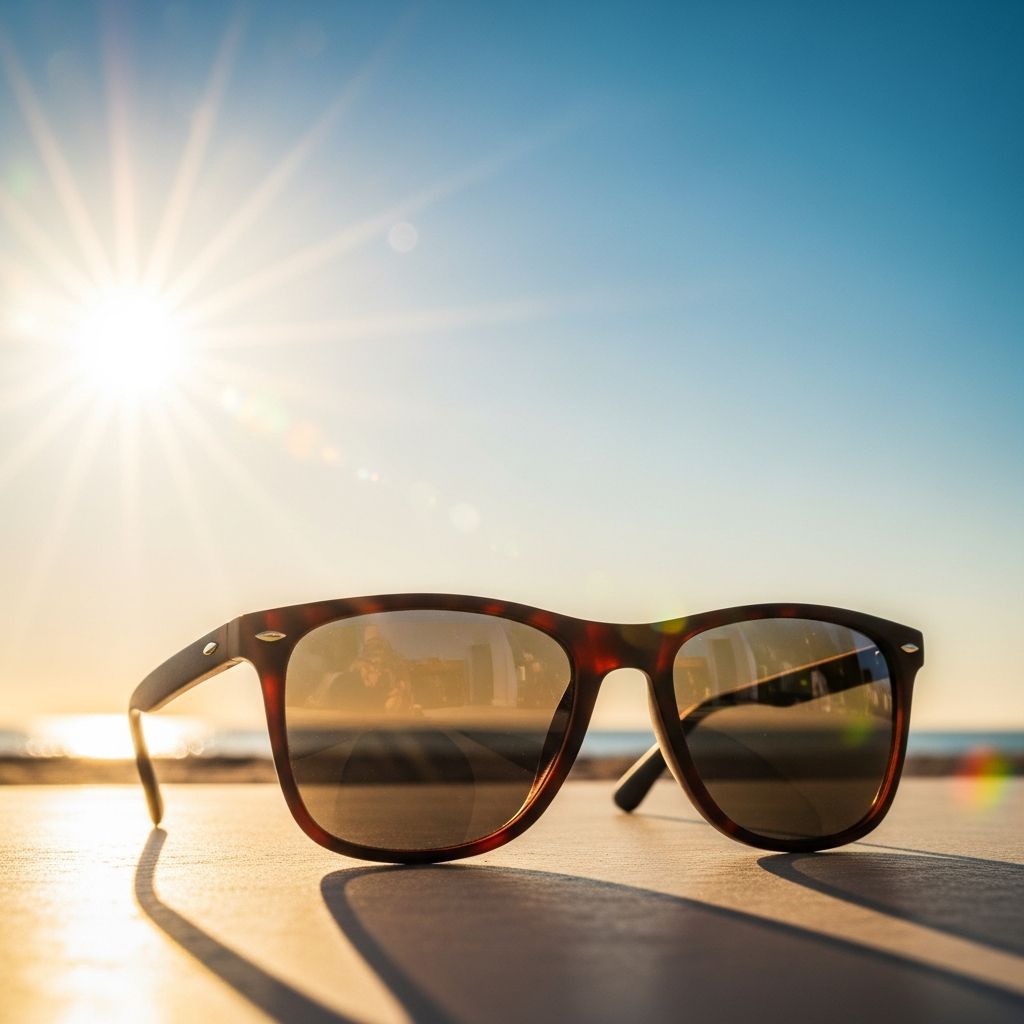
Sunlight offers vital benefits for eye health, including vitamin D synthesis and myopia prevention in children, but unprotected exposure to ultraviolet (UV) rays can cause serious conditions like cataracts and macular degeneration. Balancing enjoyment of natural light with robust protective measures ensures long-term ocular wellness.
The Beneficial Side of Sun Exposure for Vision
Natural sunlight plays a key role in maintaining healthy eyes through several mechanisms. Exposure triggers vitamin D production in the skin, which supports overall physiological functions, including those tied to vision. This nutrient aids in mineral absorption, bolstering immune responses that indirectly protect ocular tissues.
Early morning sunlight is particularly advantageous, helping regulate circadian rhythms by influencing melatonin production via retinal cells. As eyes absorb light through rods and cones, this sets the internal clock, promoting better sleep—crucial since aging reduces light intake, potentially worsening sleep issues.
For developing eyes, outdoor time in sunlight significantly lowers myopia risk. Studies indicate that natural light stimulates dopamine release in the retina, which controls eyeball elongation and fosters proper growth. Children spending time outdoors daily show reduced nearsightedness rates compared to those indoors.
- Spend at least 30 minutes outdoors daily for children to support eye development.
- Morning light enhances mood and vitamin D levels without peak UV intensity.
- Regular exposure combats light sensitivity (photophobia) and keeps eyes vibrant.
Understanding UV Rays and Their Ocular Threats
UV radiation from the sun comprises UVA and UVB rays, both capable of penetrating eye structures. UVA rays reach deeper into the lens and retina, contributing to long-term damage, while UVB primarily affects the cornea and conjunctiva.
Chronic exposure elevates risks for multiple conditions:
- Cataracts: Clouding of the lens, accelerated by UV-induced protein clumping.
- Macular Degeneration: Breakdown of central retina, leading to vision loss.
- Photokeratitis: Painful corneal sunburn from intense short-term exposure.
- Pterygium: Growth on the eye’s surface from prolonged irritation.
- Uveal Melanoma and Eyelid Cancers: Rare but serious malignancies linked to cumulative UV doses.
Reflected UV from water, sand, snow, or concrete amplifies exposure, especially in winter when ground reflection remains high. Modeling shows corneas and periorbital skin receive peak doses during high solar elevation.
Optimal Protective Gear for Everyday Use
Selecting the right eyewear is paramount. Sunglasses must block 100% of UVA and UVB rays, verified by labels like ‘UV400’ or CE certification. Wraparound styles or goggles offer superior coverage against side and reflected light, achieving near-perfect protection (up to 100% in some zones).
| Sunglass Type | UV Protection Level | Best For |
|---|---|---|
| Aviator (Medium) | 60-80% for sides | Daily wear, moderate reflection |
| Wraparound | 90-100% overall | Beach, sports, high reflection |
| Goggles | 100% ocular zones | Winter sports, extreme conditions |
| Large Frame | High for nose/cheeks | Cloudy days, indirect UV |
Related Stories



Brimmed hats reduce UV by 50%, complementing glasses. Polarized lenses cut glare from reflective surfaces, improving comfort without compromising UV block.
Tailored Advice for Different Age Groups
Protecting Children’s Developing Eyes
Young eyes are vulnerable yet benefit most from sunlight’s myopia-preventing effects. Encourage outdoor play with UV-protective sunglasses and hats from infancy. Never allow direct sun gazing, like during eclipses, to avoid solar retinopathy.
Adult Strategies for Long-Term Health
Adults face cumulative risks from driving, commuting, or recreation. Year-round protection is essential, even on overcast days when UV penetrates clouds. Combine sunglasses with brimmed hats for comprehensive shielding.
Seniors and Age-Related Vulnerabilities
Aging lenses filter less blue light and UV, heightening degeneration risks. Prioritize full-spectrum blockers and regular eye exams to monitor changes.
Environmental Factors Influencing UV Exposure
UV intensity peaks between 10 AM and 4 PM, at higher altitudes, and near equator. Snow reflects up to 80% UV, water 10-30%, sand 15%. Cloudy skies block only 20-50% direct rays, allowing diffuse UV to reach eyes.
Seasonal variations matter: summer delivers highest doses, but winter reflections from snow sustain risks. Global positioning affects baseline exposure—southern latitudes see more year-round UV.
Integrating Sun Habits into Daily Routines
Build protection into lifestyle:
- Check UV index via weather apps; limit exposure above 3 without gear.
- Reapply sunscreen around eyes, avoiding direct contact.
- For sports, use activity-specific eyewear like ski goggles.
- Educate family on habits—model wearing protection to instill behaviors.
Balance with safe exposure: 15-30 minutes midday for vitamin D, eyes shielded.
Frequently Asked Questions
Do I need sunglasses on cloudy days?
Yes, up to 80% UV penetrates clouds, risking cumulative damage.
Can cheap sunglasses suffice?
No—only verified 100% UV blockers protect; others may darken lenses, dilating pupils to admit more rays.
How does sunlight prevent myopia?
It boosts retinal dopamine, inhibiting excessive eye growth in children.
Is blue light from sun harmful?
Moderate exposure aids brain function via retinal cells, but excess contributes to macular stress—use blockers if sensitive.
What if I forget protection occasionally?
Occasional lapses are low risk; consistency prevents chronic buildup leading to disease.
Long-Term Outcomes of Proactive Protection
Adopting these practices yields measurable gains: reduced cataract incidence, stable vision in youth, and preserved retinal health. Research underscores that proper eyewear and habits lower disease odds significantly, promoting clearer sight into later years.
References
- Is Sunlight Good or Bad for My Eyes? — Insight Vision Center Optometry. 2023. https://www.insightvisionoc.com/eye-care/is-sunlight-good-or-bad-for-my-eyes/
- Is Sunlight Good or Bad for My Eyes? — Nova Eye Docs. 2024. https://novaeyedocs.com/is-sunlight-good-or-bad-for-my-eyes/
- Sunshine for Vision and Health — St. Lucie Eye. 2023. https://www.stlucieeye.com/sunshine-for-vision-and-health/
- Sun exposure to the eyes: predicted UV protection… — PMC (National Library of Medicine). 2019-10-04. https://pmc.ncbi.nlm.nih.gov/articles/PMC6803516/
- Sunlight: Good For the Eyes as well as the Brain — Phil Maffetone. 2022. https://philmaffetone.com/sun-and-brain/
- The Pros and Cons of Sunlight Exposure for Eye Health — Acuity Optical. 2024. https://acuityoptical.com/the-pros-and-cons-of-sunlight-exposure-for-eye-health/
- Why You Need UV Eye Protection — The Eye Doctors. 2023. https://www.theeyedoctors.net/eye-care-resources/why-uv-eye-protection-is-so-important
Similar Articles








Read full bio of Sneha Tete