Workplace Eye Safety: An Essential Guide To Preventing Injuries
Discover essential strategies to prevent workplace eye injuries and protect your vision with proven safety measures and expert insights.
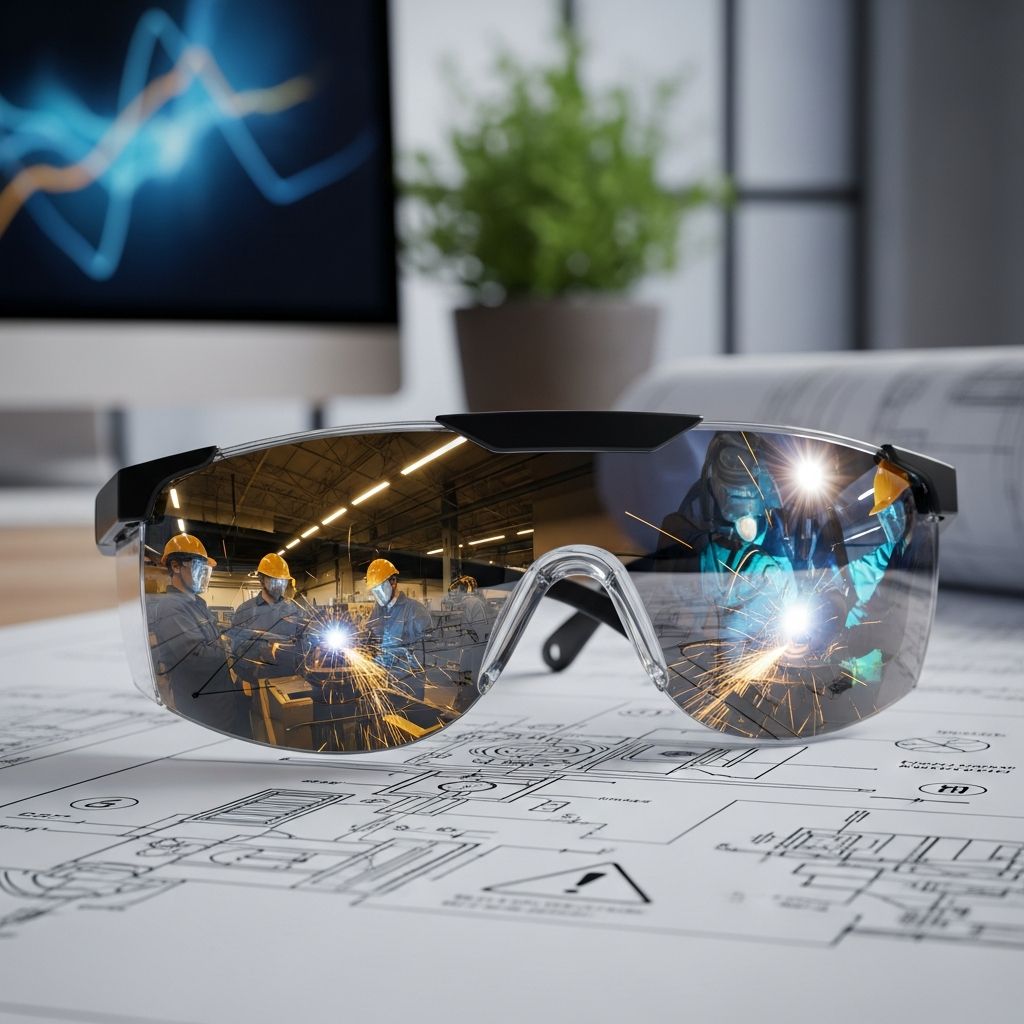
Workplace eye injuries affect thousands daily, with data indicating around 2,000 U.S. workers seeking medical treatment each day for such incidents. Remarkably, experts estimate that 90% of these could be avoided through correct use of protective eyewear.
The Alarming Scope of Workplace Eye Risks
Every year, approximately 300,000 eye injuries linked to occupational settings lead to emergency room visits across the nation. These incidents not only cause immediate pain but also result in substantial economic burdens, including about $300 million in medical expenses, compensation, and absenteeism. Eye injuries represent nearly 45% of head-related traumas that force workers to miss days on the job, highlighting their severity in professional environments.
Demographic patterns reveal that men aged 25 to 44 account for 80% of victims, often due to the physically demanding nature of their roles. Certain sectors bear the brunt: manufacturing, construction, and mining industries see 40% of all on-the-job eye traumas. Beyond these, service industries (24.8%), transportation (17%), and production (16.6%) also report significant cases.
Common Culprits Behind Eye Trauma at Work
Foreign bodies, such as metal fragments or dust particles, top the list of injury causes, especially in metalworking and construction where rates reach 593.3 and 533.1 per 100,000 workers, respectively. Other frequent issues include superficial scratches, keratitis (corneal inflammation), chronic conjunctivitis, and chemical burns, with incidences varying by industry—for instance, 73.5 ocular burns per 100,000 in manufacturing.
- Projectiles and Debris: Flying particles from tools like grinders or saws pose immediate threats.
- Chemicals and Liquids: Splashes from solvents or acids can cause burns or irritation.
- Impacts: Tools, falling objects, or collisions lead to contusions and fractures.
- Heat and Radiation: Welding arcs or intense light sources damage retinas without proper shielding.
- Biological Agents: In healthcare, splashes of bodily fluids risk infections.
Repeat injuries are common; one study found 4% of metalworkers experienced a second foreign body incident within a year, signaling inconsistent protection use.
Why Protection Fails: Barriers to Safe Practices
Despite availability, nearly three in five injured workers wore no eyewear, often believing it unnecessary for their task. Other obstacles include poor fit, discomfort, limited access, and underestimation of risks, leading to low compliance across sectors. In healthcare, only 28% consistently used gear despite awareness.
| Barrier Type | Examples | Affected Groups |
|---|---|---|
| Regulatory Gaps | Weak enforcement, insufficient training | Construction, industrial workers |
| Fit and Comfort Issues | Ill-fitting glasses, fogging | All manual laborers |
| Perception Problems | Belief that risk is low | Service and production staff |
| Access Limitations | No on-site supply | Remote or small operations |
Selecting the Right Protective Gear
Standard glasses or sunglasses offer no defense against impacts or chemicals; task-specific eyewear is essential. Safety glasses must meet ANSI Z87.1 standards, featuring side shields, impact resistance, and anti-fog coatings. For chemicals, sealed goggles provide full coverage; welders need helmets with shaded lenses.
- General Impact: Polycarbonate lenses with wraparound design.
- Chemical Splash: Indirect-vented or sealed goggles.
- Dust and Particles: Full-cup goggles or powered air-purifying respirators.
- Welding/Lasers: Auto-darkening helmets with appropriate filters.
- Prescription Needs: Fit-over frames or custom safety inserts from eye care professionals.
Employers should conduct hazard assessments per OSHA guidelines, mandating gear for at-risk zones and bystanders nearby.
Related Stories



Implementing Robust Safety Programs
Effective prevention demands more than gear distribution. OSHA requires written hazard control programs, including assessments, training, and maintenance protocols. Regular drills ensure familiarity, while usage tracking via smart eyewear tech monitors compliance.
Training should cover hazard recognition, gear selection, donning/doffing, and emergency responses like irrigation for chemicals. Industry-tailored education boosts adherence; for example, construction workers face unique debris risks needing targeted sessions.
Emergency Response for Eye Exposures
Act swiftly: rinse chemical exposures with lukewarm water or saline for 15-20 minutes, avoiding neutralizers. Cover uninjured eyes and seek immediate medical help. For impacts, avoid rubbing and use cold compresses. Document incidents for prevention improvements.
Benefits of Proactive Eye Safety
Reducing injuries cuts costs—eye traumas alone tally $300 million yearly—and preserves productivity. Enhanced safety cultures foster morale and compliance, with studies showing education lowers incidence. Post-COVID shifts suggest PPE familiarity aids ongoing protection.
Frequently Asked Questions
Are regular glasses sufficient for work safety?
No, they lack impact and splash resistance. Use certified safety eyewear.
How often should safety glasses be inspected?
Daily for scratches or damage; replace as needed or per manufacturer guidelines.
What industries need eye protection most?
Manufacturing, construction, mining, healthcare, and transportation.
Can contacts be worn under safety gear?
Yes, but pair with sealed goggles to prevent irritation from dust or chemicals.
Who pays for protective eyewear?
Employers must provide and cover costs under OSHA rules.
Long-Term Strategies for Vision Preservation
Beyond immediate fixes, integrate eye safety into company culture via incentives for compliance, annual audits, and worker input on gear comfort. Partner with optometrists for fittings, especially for diverse workforces. Future innovations like adaptive lenses promise better adoption.
Healthcare sectors benefit from combined face shields during procedures, reducing infectious risks. Service jobs with cleaning agents require splash guards. Comprehensive approaches, blending regulation, tech, and education, promise substantial declines in injuries.
References
- 90% of the 300000 eye injuries yearly are preventable by wearing appropriate eye protection — RVC Optometric. Accessed 2026. https://rvcoptometric.com/90-of-the-300000-eye-injuries-yearly-are-preventable-by-wearing-appropriate-eye-protection/
- Workplace eye injury statistics — HexArmor. Accessed 2026. https://www.hexarmor.com/posts/workplace-eye-injury-statistics
- Patterns and Prevention of Occupational Eye Injuries — PMC (National Library of Medicine). 2023. https://pmc.ncbi.nlm.nih.gov/articles/PMC12643036/
- Is Your Workplace A Danger to Your Eyes? — South Shore Eye Care. Accessed 2026. https://www.southshoreeyecare.net/is-your-workplace-a-danger-to-your-eyes
- Protecting your eyes at work — American Optometric Association. Accessed 2026. https://www.aoa.org/healthy-eyes/caring-for-your-eyes/protecting-your-vision
- Work-related eye injuries in the U.S — CDC Stacks. Accessed 2026. https://stacks.cdc.gov/view/cdc/192042
Similar Articles








Read full bio of Sneha Tete