Basketball Eye Injuries: 5 Proven Ways To Protect Vision
Essential strategies to prevent eye injuries and protect sight during high-impact basketball play for athletes of all levels.
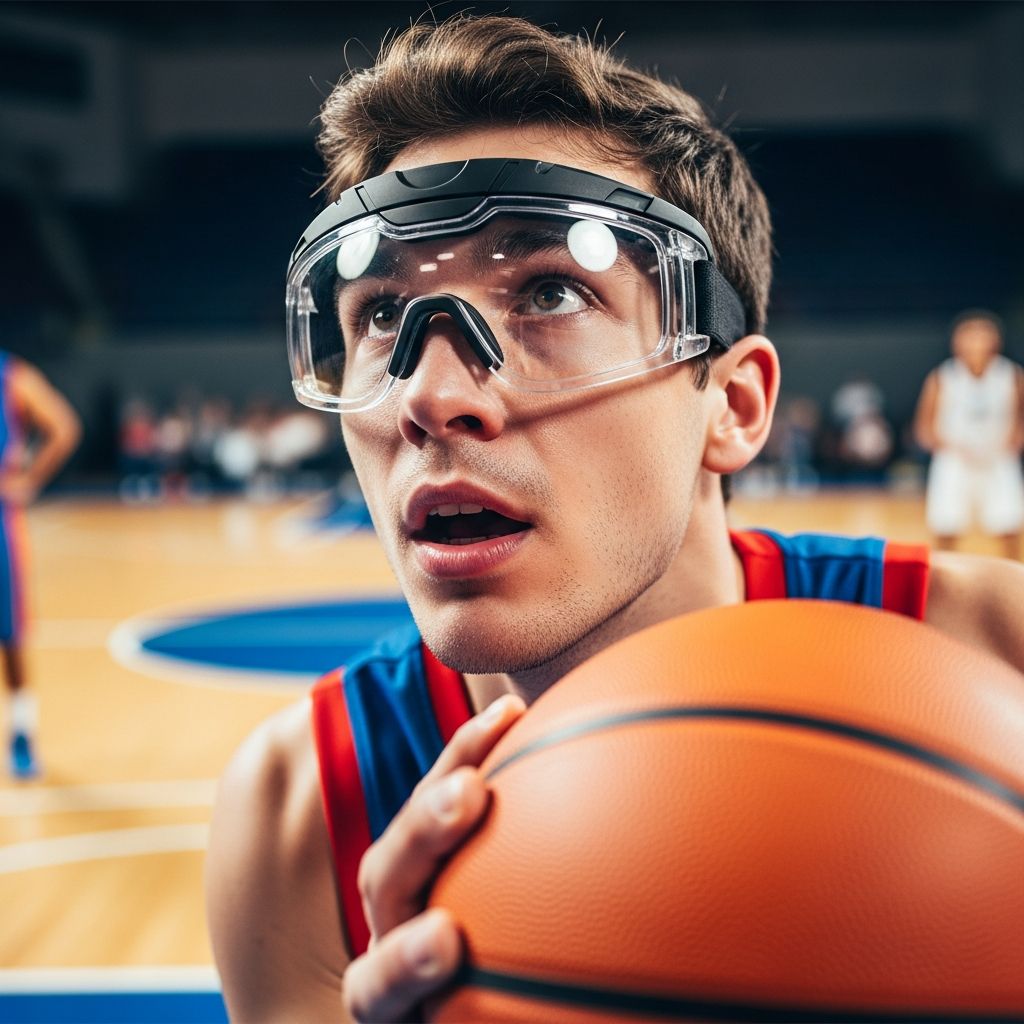
Basketball stands as one of the most dynamic team sports worldwide, captivating millions with its fast-paced action and physical demands. However, the intense physicality inherent in rebounding, defensive plays, and close-contact maneuvers elevates the risk of eye injuries, making it the leading cause of sports-related ocular trauma. Recent data underscores this urgency: in 2024 alone, over 43,300 sports eye injuries were treated in the U.S., with basketball topping the list, marking a 33% surge from prior years. This article delves into the epidemiology, injury mechanisms, protective measures, and actionable strategies to shield players’ vision, drawing from peer-reviewed studies and authoritative health organizations.
The Alarming Rise of Eye Trauma on the Court
The court becomes a high-stakes arena where split-second decisions collide with aggressive plays, often resulting in unintended eye contact. Professional leagues like the NBA provide a stark illustration: a 17-month prospective study across all teams documented 59 eye injuries among 1,092 total injuries, yielding an incidence rate of 1.44 per 1,000 game exposures. These figures highlight basketball’s prominence in sports eye trauma, outpacing even baseball and soccer in some analyses.
Amateur and youth leagues face similar perils. Prevent Blindness reports basketball as the primary culprit for sports-related eye injuries, with pools and water sports trailing. A systematic review of recent literature confirms that most affected players were unprotected, emphasizing a preventable public health issue. Children under 11 suffer disproportionately from baseball-related incidents, but teens and adults encounter heightened risks in basketball and soccer due to increased physicality.
Decoding Common Eye Injuries in Basketball
Understanding injury patterns is crucial for targeted prevention. Basketball trauma typically stems from blunt force by fingers, elbows, or the ball itself, frequently during rebounding (30.5% of cases) or offensive plays (27.1%). Here’s a breakdown of prevalent injuries:
- Eyelid Abrasions or Lacerations: Accounting for 50.9% of NBA cases, these superficial wounds cause pain, swelling, and infection risk.
- Periorbital Contusions: Representing 28.8%, these involve bruising and edema around the eye, often from elbows or fingers.
- Corneal Abrasions: Seen in 11.9% of professional injuries, these scratches on the eye’s surface lead to severe discomfort and potential vision blur.
- Orbital Fractures: Comprising 5.1%, these bone breaks demand surgical intervention in over half of cases and pose long-term risks.
- Severe Internal Damage: Rare but devastating, including hyphema (8.1%), retinal detachment (noted in 69.2% of one-center cases from ball strikes), and traumatic cataracts.
Contusions dominate overall diagnoses at 82.4%, with golf and archery causing the gravest vision loss, though basketball’s volume amplifies its impact. In a review of 14 cases, corneal abrasions led, followed by orbital contusions.
Why Basketball Poses Unique Ocular Risks
The sport’s blend of speed, height disparities, and minimal equipment distinguishes it. Players leap for rebounds, exposing eyes to flailing limbs; defensive steals invite finger pokes; and errant passes deliver high-velocity ball impacts. Unlike helmeted sports, basketball mandates no facial protection, leaving eyes vulnerable.
Professional data reveals 96.6% of injured NBA players lacked eyewear. Recreational settings exacerbate this, as casual players skip gear. Youth vulnerability stems from developing coordination, amplifying collision likelihood. Monocular athletes (those relying on one functional eye) face amplified dangers, necessitating specialized counsel.
| Injury Type | Prevalence in Basketball (%) | Common Cause | Potential Complications |
|---|---|---|---|
| Eyelid Abrasions/Lacerations | 50.9 | Fingers/Elbows | Infection, Scarring |
| Periorbital Contusions | 28.8 | Blunt Impact | Swelling, Vision Obstruction |
| Corneal Abrasions | 11.9 | Direct Contact | Ulcers, Sensitivity |
| Orbital Fractures | 5.1 | High-Force Blows | Surgery, Double Vision |
| Retinal Detachment | Variable (up to 69% in subsets) | Ball Strikes | Permanent Blindness |
Related Stories



This table synthesizes data from NBA studies and reviews, illustrating injury hierarchies and triggers.
Proven Prevention: The Power of Protective Eyewear
Authoritative bodies concur: 90% of sports eye injuries are avertable with proper gear. Polycarbonate lenses, shatter-resistant and lightweight, form the gold standard, drastically curbing trauma severity.
The American Academy of Ophthalmology and Prevent Blindness advocate ASTM-compliant eyewear tailored to basketball (F803 standard). Certification by bodies like the Safety Equipment Institute (SEI) ensures reliability—avoid ‘ASTM Certified’ labels, as ASTM doesn’t certify.
Selecting Optimal Eye Protection
- Verify basketball-specific ASTM F803 designation on packaging.
- Choose SEI-certified or lab-tested models for verified performance.
- Opt for lenses that pop outward on impact, not inward.
- For prescription users, seek custom-fitted sports guards from eye care professionals.
- Monocular players: Consult doctors on safe sports and mandatory gear.
Post-mandate precedents inspire: Field hockey saw 67% fewer orbital injuries after requiring protection, a blueprint for basketball.
Immediate Response to Court Injuries
Swift action mitigates damage. Symptoms like pain, vision changes, bleeding, or light sensitivity demand halting play and seeking ophthalmologic care. Avoid rubbing eyes; use clean compresses for swelling. Most resolve with treatment, but delays risk permanent loss—9 of 59 NBA players missed games.
Building a Culture of Eye Safety
Coaches, parents, and leagues must prioritize education. Integrate eyewear into training; model usage; enforce policies. Though U.S. basketball lacks mandates, advocacy could mirror successes elsewhere. Spectators too: Balls stray into stands, warranting caution.
Amid rising participation post-COVID, vigilance is paramount. With 43,379 injuries in 2024, proactive steps safeguard futures.
Frequently Asked Questions (FAQs)
Is basketball really the top sport for eye injuries?
Yes, data from Prevent Blindness confirms basketball leads, surpassing soccer and baseball in injury volume.
What gear meets safety standards?
ASTM F803-rated polycarbonate eyewear, SEI-certified, with outward-popping lenses.
Do pros wear protective eyewear?
Rarely—96.6% of injured NBA players did not, per a key study.
Can eye injuries cause permanent damage?
Absolutely: retinal detachments and fractures risk blindness without prompt care.
Should kids wear eyewear?
Essential, as youth comprise half of sports eye cases.
By embracing evidence-based protection, basketball enthusiasts can relish the game without vision peril. Prioritize eyewear—your sight depends on it.
References
- The National Basketball Association eye injury study — Barry L. H. et al. 1995-05-01. https://pubmed.ncbi.nlm.nih.gov/7786216/
- Data Shows Basketball as Cause of Most Sports-related Eye Injuries — Prevent Blindness. 2020-09-01. https://preventblindness.org/basketball-cause-of-most-sports-eye-injuries/
- Help patients keep their eyes on the ball—and safe from injury — American Optometric Association. 2023-01-01. https://www.aoa.org/news/clinical-eye-care/health-and-wellness/help-patients-keep-their-eyes-on-the-ball-and-safe-from-injury
- Basketball-Associated Eye Injuries: A Systematic Review — Kim et al. 2023-03-01. http://rimed.org/rimedicaljournal/2023/03/2023-03-40-research-kim.pdf
- Sports Eye Injury Statistics — Optics Outfitter. 2015-01-01. https://opticsoutfitter.com/pages/sports-eye-injury-statistics
- Prevent Blindness Declares September as Sports Eye Safety Month — Prevent Blindness. 2025-09-01. https://preventblindness.org/sports-eye-safety-month-2025/
Similar Articles








Read full bio of medha deb