Sports Eye Injuries: 5 Common Types And Protective Gear
Discover essential strategies to prevent sports-related eye injuries and ensure long-term visual safety during athletic activities.
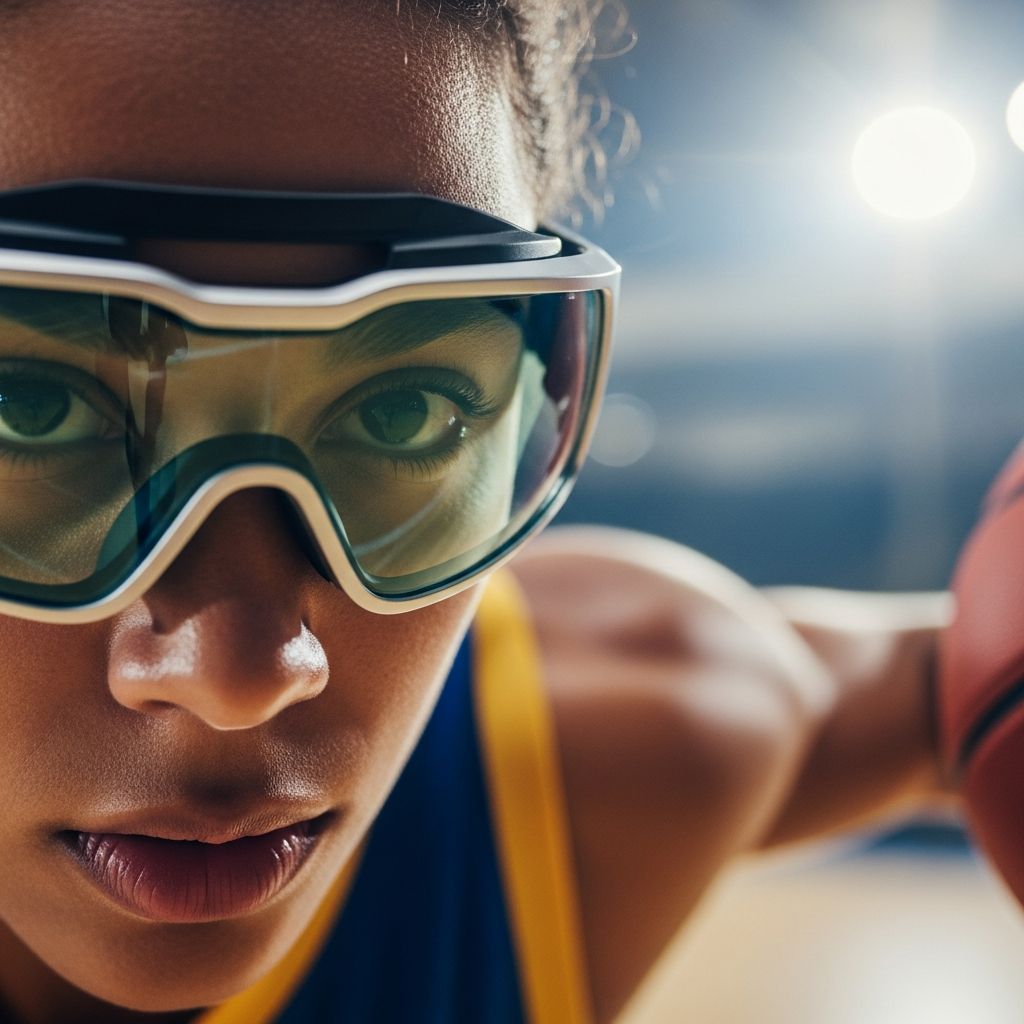
Engaging in physical activities brings joy and health benefits, but the eyes face significant risks from high-speed impacts, flying objects, and close contact. Proper precautions can drastically reduce these dangers, preserving clear sight for years ahead.
Why Eye Protection Matters in Athletics
Athletic pursuits demand quick reactions and sharp focus, making vision a critical asset. Yet, rapid movements and forceful collisions often lead to ocular harm. Data shows that over 40,000 such incidents occur annually in the U.S., with most being avoidable through targeted safeguards. High-velocity sports amplify vulnerability, underscoring the need for proactive measures.
Prevalent Types of Ocular Trauma in Sports
Understanding typical injuries equips athletes to recognize and address problems swiftly. These range from surface-level scratches to deep structural damage.
- Surface Scratches on the Cornea: Debris, fingers, or gear often abrades the eye’s outer layer, causing sharp pain, tearing, and light aversion.
- Impact from Blunt Force: Balls, elbows, or sticks deliver blows that swell tissues, hemorrhage internally, or displace structures around the orbit.
- Piercing Wounds: Sharp implements penetrate the globe, demanding instant medical intervention to avert vision loss.
- Bone Fractures Around the Eye: Powerful strikes crack facial bones, leading to double vision, bruising, and restricted movement.
- Retinal Disruptions: Sudden jolts tear or detach the light-sensitive lining, with symptoms like floaters or shadowy patches signaling urgency.
These conditions highlight the spectrum of threats, from minor irritations to sight-threatening emergencies.
Sport-Specific Hazards and Vulnerabilities
Not all games pose equal dangers; some stand out due to their dynamics. Basketball tops lists with elbow clashes and ball deflections. Baseball risks high-speed pitches and errant swings. Racquet games involve strung implements whipping at close range. Water activities expose eyes to chemicals and particulates, while hockey features sticks and pucks traveling at extreme speeds. Children face heightened peril from less coordinated play and developing reflexes.
| Sport | Primary Risks | Annual Injury Share |
|---|---|---|
| Basketball | Elbows, fingers, balls | Highest reported |
| Baseball | Bats, balls, gloves | Significant |
| Racquet Sports | Rackets, shuttles, balls | Common |
| Hockey | Sticks, pucks | Notable |
| Soccer | Headers, kicks | Growing |
Selecting Optimal Protective Equipment
The cornerstone of defense is gear engineered for impact resistance. Polycarbonate lenses, far tougher than glass or plastic, block up to 90% of threats. Opt for items certified by standards bodies like ASTM for reliability.
- Goggles for Contact Sports: Sealed designs suit basketball, soccer, and racquet play, with foam padding for comfort and stability.
- Shields and Masks: Full-face options excel in hockey, lacrosse, and football, combining with helmets for layered defense.
- Specialized Swim Gear: Tight-fitting masks shield against pool irritants and underwater hazards.
- Custom Prescription Options: Vision-corrected frames ensure clarity without compromising safety.
Regular inspections prevent failures; discard scratched or cracked pieces promptly. Standard spectacles shatter under force, worsening harm.
Preparation Before Hitting the Field
A thorough vision check flags issues like uncorrected refractive errors or dry eyes that heighten accident odds. Monocular individuals—those with one functional eye (vision below 20/40 in the weaker)—require stringent protocols, including mandatory protectors in all risky scenarios. Avoid combat sports where safeguards fall short. Team leaders should mandate gear as uniform policy, modeling compliance to foster culture.
Immediate Responses to Incidents
Swift action minimizes fallout. Halt activity at signs of distress: pain, blurred sight, blood, or odd pupil responses. Shield the area gently, rinse debris with saline if superficial, but never probe embedded objects. Rush to specialists for penetrating or structural suspicions. Topical numbing agents mask severity, delaying care—steer clear.
Related Stories



Guidelines for Resuming Competition
Return demands clearance from eye professionals confirming stability, comfort, and acuity restoration. Gear remains non-negotiable. Coaches assess symptoms on-site but defer complex cases. Precedents stress full recovery to sidestep recurrences.
Additional Safeguards for Outdoor and Youth Play
UV-blocking lenses combat glare and cumulative ray damage in sunny venues. Youth programs benefit from education campaigns, parental oversight, and gear provision, given their outsized injury rates.
Frequently Asked Questions
Can regular glasses suffice for sports?
No, they lack impact durability and may fragment, inflicting cuts.
Should play continue post-minor poke?
Absolutely not; subtle signs can herald grave issues.
Are kids at greater risk?
Yes, due to unpredictable actions and nascent skills.
What if symptoms lack pain?
Seek evaluation anyway; internal trauma often presents silently.
Is protective eyewear mandatory everywhere?
Not universally, but essential in high-risk pursuits for safety.
Long-Term Benefits of Vigilance
Consistent habits not only avert acute harm but sustain visual prowess across lifetimes. Athletes prioritizing ocular wellness enjoy prolonged participation without compromise.
References
- Prevention and Treatment of Common Eye Injuries in Sports — American Academy of Family Physicians. 2003-04-01. https://www.aafp.org/pubs/afp/issues/2003/0401/p1481.html
- Prevention and treatment of common eye injuries in sports — PubMed (Research Support, Non-U.S. Gov’t; Review). 2003. https://pubmed.ncbi.nlm.nih.gov/12722848/
- Sports Eye Injuries – Prevention & Treatment Tips — EyeCare of Rigby. Recent (accessed 2026). https://eyecareofrigby.com/vision-care-tips/sports-eye-injuries-prevention-treatment/
- Fact Sheet for Parents: Sports-Related Eye Injuries in Youth — New Jersey Department of Education (.gov). Recent. https://www.nj.gov/education/safety/health/athlete/docs/SportsRelatedEyeInjury.pdf
- Protecting Your Eyes During Exercise and Sports — New England College of Optometry (.edu). Recent. https://www.neco.edu/news/protecting-your-eyes-during-exercise-and-sports/
Similar Articles








Read full bio of Sneha Tete