Kidney Health: A Comprehensive Guide To Protect Your Kidneys
Essential strategies to protect kidney function and prevent chronic kidney disease through lifestyle and proactive health measures.
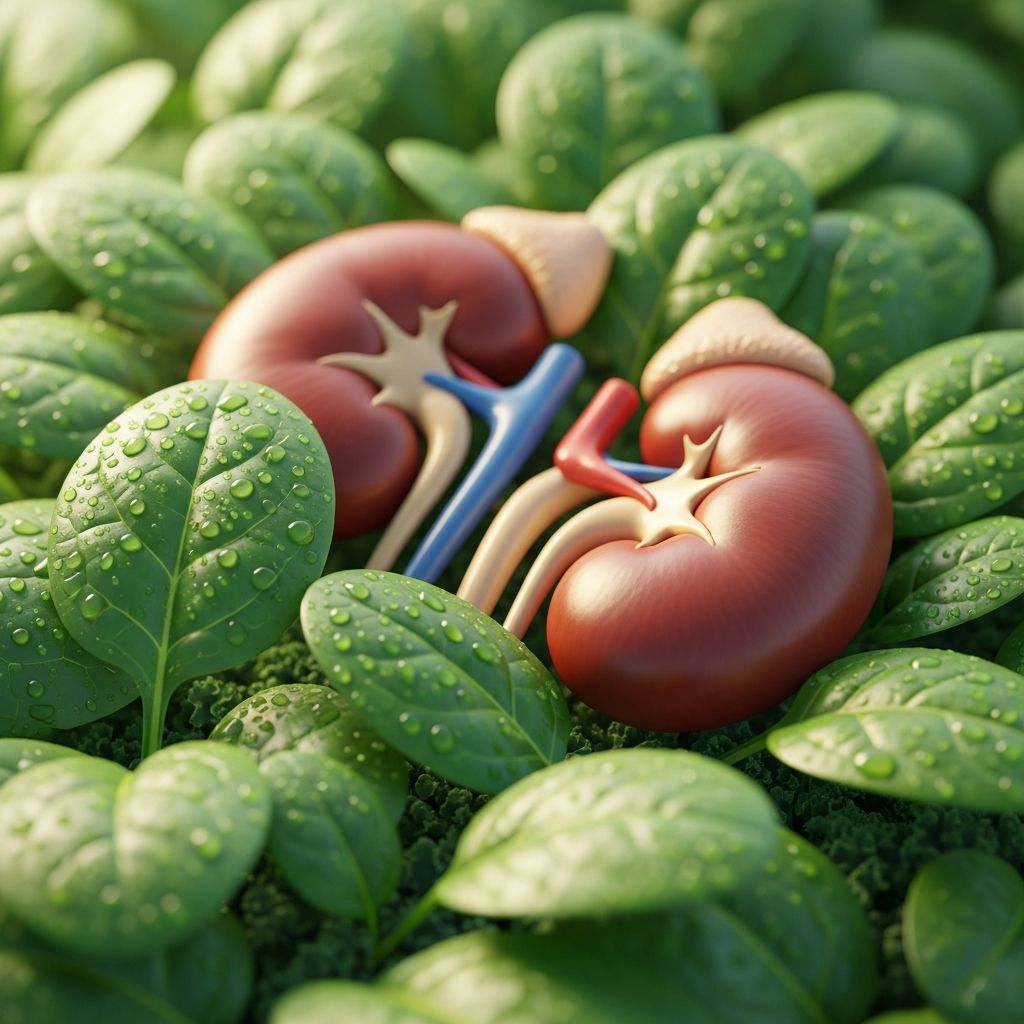
Your kidneys play a vital role in filtering waste, regulating blood pressure, and maintaining fluid balance. Protecting them involves understanding risks, recognizing early signs, and adopting sustainable habits. This guide draws on established health recommendations to empower you with actionable steps for lifelong kidney health.
Understanding Kidney Function and the Silent Threat
The kidneys process about 200 liters of blood daily, removing toxins and excess fluids to produce urine. When function declines, chronic kidney disease (CKD) can develop silently, affecting roughly 1 in 7 adults in some populations, with 90% unaware of their condition. Early detection and prevention are crucial, as CKD often progresses without symptoms until advanced stages.
Key Risk Factors for Kidney Damage
Identifying personal risks allows for targeted prevention. Major contributors include:
- Diabetes: The leading cause, as high blood sugar damages kidney filters over time.
- High blood pressure: Strains renal blood vessels, accelerating wear.
- Family history: Genetic predisposition to CKD, diabetes, or hypertension increases vulnerability.
- Obesity and heart disease: Excess weight promotes inflammation and cardiovascular issues linked to kidney strain.
- Age over 60 or prior acute kidney injury: Natural decline and past episodes heighten susceptibility.
Other factors like prolonged NSAID use (e.g., ibuprofen), autoimmune conditions, or recurrent urinary infections also elevate risks. Assess your profile by discussing family history and health metrics with a doctor.
Early Warning Signs to Watch For
CKD symptoms may not appear until kidneys lose significant function. Common indicators include:
- Fatigue and weakness from anemia or toxin buildup.
- Swelling in legs, ankles, or face due to fluid retention.
- Changes in urination, such as foamy urine, blood, or reduced output.
- Persistent itching, nausea, or metallic taste from waste accumulation.
- High blood pressure that’s hard to control.
If you notice these, seek testing promptly, especially with risk factors present.
Proven Lifestyle Habits for Kidney Protection
Daily choices significantly influence renal health. Prioritize these evidence-based practices:
Regular Physical Activity
Aim for at least 150 minutes of moderate aerobic exercise weekly, like brisk walking, cycling, or swimming, plus strength training twice a week. Exercise controls weight, lowers blood pressure, and improves insulin sensitivity, all protective against CKD progression.
Weight Management
Maintaining a healthy BMI reduces obesity-related kidney stress. Combine diet and movement for sustainable results.
No Smoking and Limited Alcohol
Smoking damages blood vessels, impairing kidney filtration; quitting yields immediate benefits. Limit alcohol to moderate levels to avoid dehydration and pressure spikes.
Hydration Essentials
Related Stories



Drink adequate water daily—about 8-10 cups for most adults—to support filtration and prevent stones. Adjust based on activity and health status; consult professionals if fluid limits apply.
| Habit | Benefit to Kidneys | Practical Tip |
|---|---|---|
| Exercise | Lowers BP, aids weight control | 30 min walk daily |
| Hydration | Prevents stones, supports detox | Carry a reusable bottle |
| Quit Smoking | Preserves vessels | Seek cessation programs |
| Moderate Alcohol | Avoids dehydration | 1 drink/day max for women, 2 for men |
Dietary Strategies for Optimal Kidney Function
A nutrient-focused diet protects kidneys by managing blood pressure, sugar, and electrolytes. Key principles from health authorities:
- Reduce sodium: Limit to under 2,300 mg daily, ideally less for CKD risk. Avoid processed foods; rinse canned items.
- Balanced proteins: Moderate intake, favoring plant sources like beans over excess meat to ease filtration load. Dialysis patients may need more.
- Control phosphorus and potassium: Limit high-phosphorus foods (dairy, cola) if advised; choose fresh produce over processed.
- Heart-healthy fats: Opt for unsaturated fats; avoid trans and saturated types.
- Fruits and veggies: At least 5 servings daily for antioxidants and fiber, keeping cholesterol in check.
Work with a dietitian for personalized plans, especially with diabetes or CKD.
Sample Kidney-Friendly Meal Ideas
| Meal | Foods | Why It Helps |
|---|---|---|
| Breakfast | Oatmeal with berries, almond milk | Low sodium, high fiber |
| Lunch | Grilled chicken salad, olive oil dressing | Lean protein, veggies |
| Dinner | Baked fish, quinoa, steamed greens | Balanced, low phosphorus |
| Snack | Apple slices with unsalted nuts | Hydrating, controlled portions |
Medical Management and Monitoring
Control underlying conditions rigorously:
- Monitor blood pressure (<130/80 mmHg target) and blood sugar (A1C <7% for diabetics).
- Avoid NSAIDs; use alternatives as prescribed.
- Get annual check-ups, including eGFR and urine tests for at-risk individuals.
- Stay vaccinated against flu and COVID to prevent infections straining kidneys.
Track cholesterol and know your numbers through routine physicals.
Special Considerations for Those with Existing CKD
If diagnosed, focus on slowing progression:
- Tailor protein and fluid intake per stage.
- Regular doctor visits for blood work and adjustments.
- Incorporate supervised exercise if possible.
Early intervention can delay dialysis or transplant needs significantly.
Frequently Asked Questions (FAQs)
How often should I get kidney function tested?
Annually if at risk; more frequently if diagnosed. Simple blood (creatinine) and urine (albumin) tests detect issues early.
Can dehydration cause permanent kidney damage?
Acute dehydration can lead to injury, but hydration prevents most cases. Chronic low intake risks stones and strain.
Is coffee safe for kidneys?
Moderate consumption (2-3 cups) is generally fine and may offer protective antioxidants; monitor if caffeine-sensitive.
What role does sleep play in kidney health?
7-9 hours nightly supports hormone balance and recovery, indirectly benefiting kidneys via better BP control.
Are herbal supplements safe?
Not always; some strain kidneys. Consult doctors before use, especially with CKD.
Building a Long-Term Kidney Protection Plan
Integrate habits holistically: track progress with apps, join support groups, and review annually with providers. Small, consistent changes yield profound results. Empower yourself with knowledge—your kidneys will thank you.
References
- 6-Step Guide to Protecting Kidney Health — National Kidney Foundation. 2023. https://www.kidney.org/kidney-topics/6-step-guide-to-protecting-kidney-health
- 6-Step Guide to Protecting Kidney Health — Campbell County Health. 2023-03. https://www.cchwyo.org/news/2023/march/6-step-guide-to-protecting-kidney-health/
- Know Your Kidneys™ – Prevention — American Kidney Fund. Accessed 2026. https://www.kidneyfund.org/know-your-kidneys/prevention
- A Guide for Protecting Your Kidney Health: Facts, Signs, and Prevention — Norman Urology. Accessed 2026. https://www.normanurology.com/blog/a-guide-for-protecting-your-kidney-health-facts-signs-and-prevention
- Chronic kidney disease – Prevention — NHS. Accessed 2026. https://www.nhs.uk/conditions/kidney-disease/prevention/
- Healthy Eating for Adults with Chronic Kidney Disease — National Institute of Diabetes and Digestive and Kidney Diseases (NIDDK). Accessed 2026. https://www.niddk.nih.gov/health-information/kidney-disease/chronic-kidney-disease-ckd/healthy-eating-adults-chronic-kidney-disease
- Keep Your Kidneys Healthy — American Diabetes Association. Accessed 2026. https://diabetes.org/kidney-care
Similar Articles








Read full bio of medha deb