Safer Sex Guidelines: Complete Health Protection
Comprehensive guidelines for safer sexual practices and disease prevention.

Safer Sex Guidelines: Protecting Your Health Through Informed Decisions
Sexual health is an important component of overall wellness and well-being. Practicing safer sex protects your health and the health of your partner by reducing the risk of sexually transmitted infections (STIs) and unintended pregnancies. Safer sex involves using protective methods, regular health screenings, open communication with partners, and making informed decisions about sexual activity. Understanding these guidelines helps you maintain a fulfilling intimate life while safeguarding yourself and those you care about.
Understanding Safer Sex
Safer sex refers to practices and precautions taken during sexual activity to minimize health risks. It’s important to understand that no method is 100% effective, but combining multiple approaches significantly reduces risk. Safer sex practices apply to all forms of sexual activity, including vaginal, anal, and oral sex. The goal is to prevent the transmission of STIs and avoid unintended pregnancies while allowing individuals to enjoy their sexuality responsibly.
Contraceptive Methods and Their Effectiveness
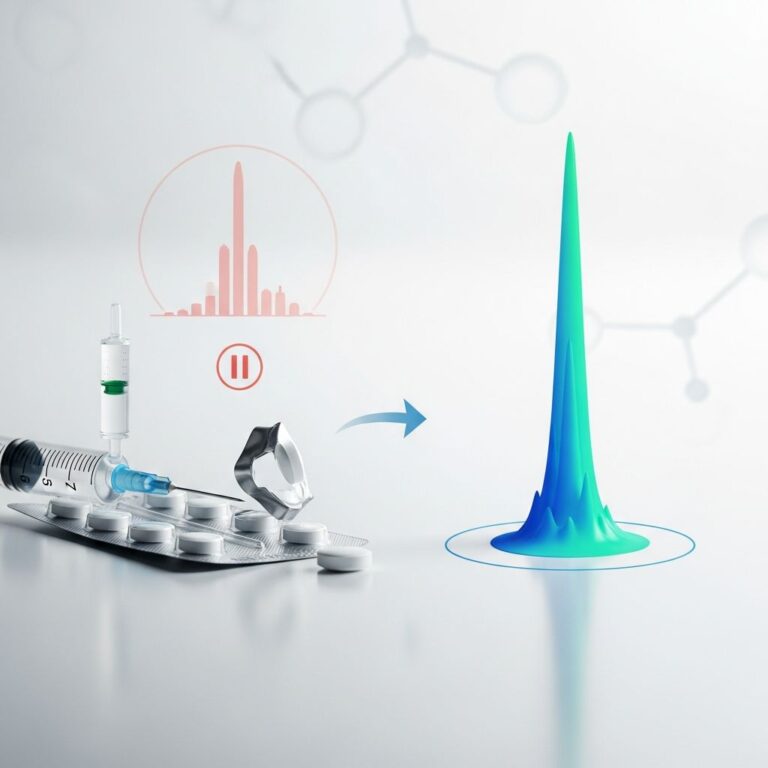
Choosing the right contraception is fundamental to safer sex practices. Multiple options exist, each with different effectiveness rates and benefits. Understanding these methods helps you select the most appropriate option for your needs and lifestyle.
Barrier Methods
Condoms are among the most widely used barrier contraceptives and provide protection against both pregnancy and STIs. Male condoms are worn over the penis, while female condoms line the vagina. When used correctly and consistently, condoms are highly effective. They come in various materials including latex, polyurethane, and non-latex options for individuals with latex allergies. Always check the expiration date and store condoms properly to maintain their integrity.
Diaphragms and cervical caps are barrier methods inserted into the vagina to cover the cervix. These methods must be used with spermicide to be effective and provide contraception but do not protect against STIs. They require fitting by a healthcare provider and proper insertion technique for optimal effectiveness.
Hormonal Methods
Birth control pills contain hormones that prevent ovulation and are taken daily. When taken consistently and correctly, they are highly effective at preventing pregnancy but do not protect against STIs. Various formulations exist, and a healthcare provider can help determine which is best for your body and health status.
The hormonal patch, vaginal ring, and injection provide similar hormonal contraception through different delivery methods. The patch is applied weekly, the ring is inserted monthly, and the injection is administered every three months. Like oral contraceptives, these methods do not protect against STIs.
Intrauterine devices (IUDs) are small devices inserted into the uterus and provide long-acting contraception lasting three to twelve years depending on the type. Hormonal IUDs release small amounts of hormone, while copper IUDs work non-hormonally. IUDs are highly effective but do not protect against STIs.
Permanent Methods
Tubal ligation and vasectomy are permanent contraceptive methods. Tubal ligation involves blocking or removing the fallopian tubes, while vasectomy involves cutting the vas deferens. These procedures are highly effective and permanent, requiring surgical intervention. They do not protect against STIs.
Sexually Transmitted Infection (STI) Prevention
Preventing STIs requires consistent use of protective methods and regular health screenings. STIs can be transmitted through vaginal, anal, and oral sex, and some can be transmitted through other forms of contact. Understanding transmission routes and prevention strategies is essential for maintaining sexual health.
Related Stories



Using Barrier Protection
Consistent and correct condom use is the most effective way to prevent STI transmission during sexual activity. Condoms should be used for all types of sexual contact, including oral and anal sex. Using condoms consistently reduces the risk of transmitting or acquiring STIs by approximately 95% when used correctly and consistently. Water-based or silicone-based lubricants can increase comfort and reduce breakage. Oil-based lubricants should be avoided with latex condoms as they can compromise the material.
Regular Health Screenings
Regular STI testing is crucial for anyone who is sexually active. The Centers for Disease Control and Prevention (CDC) recommends annual STI screening for sexually active individuals under 25 years old and for older individuals with new or multiple partners. Testing frequency may increase based on individual risk factors. Common STI tests include blood tests for HIV, hepatitis B, and syphilis, and nucleic acid tests for chlamydia and gonorrhea. Early detection and treatment prevent complications and reduce transmission risk.
Vaccination
Vaccines are available for certain STIs, including human papillomavirus (HPV) and hepatitis B. The HPV vaccine protects against types of HPV that cause most cervical cancers and other genital cancers. It is most effective when administered before becoming sexually active but can provide benefit to those who have already been exposed. Hepatitis B vaccine is also recommended for all individuals and is particularly important for those at higher risk of exposure.
Communication With Partners
Open and honest communication with sexual partners is vital for safer sex practices. Before sexual contact, discuss STI status, sexual history, and contraceptive preferences. Partners should inform each other of any STI diagnoses or symptoms. This conversation may feel uncomfortable initially but is essential for protecting mutual health and respecting each other’s wellbeing.
Establishing clear boundaries and consent ensures that all sexual activity is consensual and safe. Partners should feel comfortable discussing any concerns or changes in comfort level. Regular communication strengthens relationships and fosters an environment where health concerns can be addressed openly and without judgment.
When to Seek Medical Care
Seek medical attention promptly if you experience symptoms of STIs, including unusual discharge, pain during urination or sexual activity, genital sores or warts, pelvic pain, or rashes. Post-sexual contact testing may be recommended after unprotected sexual exposure to certain infections. Prophylactic treatments are available for some STIs when initiated soon after exposure. If a condom breaks during sexual activity, emergency contraception and STI testing may be necessary.
Substance Use and Sexual Risk
Alcohol and drug use can impair judgment and increase the likelihood of risky sexual behaviors, including unprotected sex. Being under the influence may compromise your ability to consistently use contraception or recognize warning signs. Making decisions about sexual activity while sober ensures you can give informed consent and make choices aligned with your values and safety preferences.
Special Populations and Considerations
Adolescents and Young Adults
Young people benefit from comprehensive sexual health education that includes information about contraception, STI prevention, and healthy relationships. Access to confidential healthcare services encourages adolescents to seek preventive care and testing without fear of judgment or loss of confidentiality.
Men Who Have Sex With Men
Men who have sex with men face unique considerations regarding sexual health. Regular STI testing, consistent condom use, and knowledge of pre-exposure prophylaxis (PrEP) for HIV prevention are important. PrEP is a medication taken daily by HIV-negative individuals to prevent infection from HIV-positive partners.
Transgender and Non-Binary Individuals
Sexual health recommendations should be individualized based on anatomy and sexual practices rather than gender identity alone. Healthcare providers should use patient-centered language and ensure comprehensive sexual health counseling that addresses specific risks and prevention strategies.
Frequently Asked Questions About Safer Sex
Q: Is it safe to rely on condoms alone for STI prevention?
A: Condoms are highly effective when used consistently and correctly, reducing STI transmission risk by approximately 95%. However, combining condoms with regular testing and communication with partners provides comprehensive protection. Some STIs can be transmitted through skin contact even with condom use, so combining methods is ideal.
Q: How often should I get tested for STIs?
A: The CDC recommends annual STI screening for sexually active individuals under 25 years old and for anyone with new or multiple partners. Individuals with HIV or other risk factors may need more frequent testing. Discuss appropriate testing schedules with your healthcare provider based on your specific circumstances.
Q: Can I get an STI from oral sex?
A: Yes, many STIs can be transmitted through oral sex, including chlamydia, gonorrhea, herpes, HPV, and HIV. Using barrier protection during oral sex, such as condoms or dental dams, significantly reduces transmission risk.
Q: What should I do if a condom breaks?
A: Stop sexual activity and replace the condom. If you’re concerned about pregnancy, emergency contraception can be taken within 72 hours. Contact your healthcare provider about STI testing, as prophylactic treatment may be available for certain infections if started soon after exposure.
Q: Are hormonal contraceptives effective immediately after starting?
A: Most hormonal contraceptives require 7 days of consistent use before providing reliable protection. During this initial period, backup contraception such as condoms is recommended. Consult with your healthcare provider about the specific timeline for your chosen method.
Q: Can I use lubricant with condoms?
A: Yes, water-based or silicone-based lubricants can be used with all condom types and may increase comfort and reduce breakage. Oil-based lubricants should be avoided with latex condoms as they can damage the latex material and compromise effectiveness.
Q: What is PrEP and who should consider it?
A: PrEP (pre-exposure prophylaxis) is a daily medication that prevents HIV infection in HIV-negative individuals. It is highly effective when taken consistently and is recommended for individuals with HIV-positive partners, men who have sex with men, transgender individuals, and others at significant risk of HIV exposure.
Q: How do I talk to my partner about STI testing?
A: Approach the conversation with a focus on mutual health and care rather than accusation. Choose a calm, private moment outside of sexual activity. Frame it as a routine part of sexual health, similar to other preventive healthcare. Most people appreciate partners who prioritize health and safety.
Key Takeaways for Safer Sex Practices
Safer sex involves multiple strategies working together to protect your health and that of your partners. Consistently using barrier methods like condoms provides protection against both STIs and pregnancy when used correctly. Hormonal and long-acting contraceptives prevent pregnancy but require additional barrier protection for STI prevention. Regular testing and open communication with partners are essential components of sexual health maintenance.
Remember that safer sex practices are an ongoing commitment rather than a one-time decision. Staying informed about sexual health, maintaining open communication with partners, and seeking healthcare when needed ensures that you can enjoy a healthy, fulfilling sexual life while minimizing health risks. Your sexual health is important, and taking proactive steps to protect it demonstrates self-care and respect for your wellbeing and that of your partners.
References
- CDC Sexually Transmitted Infections (STIs) — Centers for Disease Control and Prevention. 2024. https://www.cdc.gov/std/
- Contraception and Sexually Transmitted Infections — American College of Obstetricians and Gynecologists. 2024. https://www.acog.org/
- Pre-Exposure Prophylaxis (PrEP) — U.S. Department of Health and Human Services. 2024. https://www.hiv.gov/hiv-basics/hiv-prevention/using-prep
- HIV Prevention: Condoms and Barrier Methods — WHO (World Health Organization). 2023. https://www.who.int/
- Sexual Health and Reproductive Health — American Sexual Health Association. 2024. https://www.ashasexualhealth.org/
Similar Articles








Read full bio of Sneha Tete