Safer Sex Guidelines: Reduce STI and Pregnancy Risks
Essential safer sex practices to protect yourself from STIs, unwanted pregnancy, and emotional harm.
Safer Sex: A Comprehensive Guide to Protecting Your Sexual Health
‘Safer sex’ refers to having sex in a way that reduces your risk of catching a sexually transmitted infection (STI), preventing unwanted pregnancy, and protecting your emotional well-being. Although sex should be an enjoyable activity, it does carry inherent risks. Because sexual activity involves intimate contact with another person, infections can pass from one person to another. Beyond disease transmission, other risks include unintended pregnancy, emotional consequences, and legal considerations. While sex can never be completely without risk, taking sensible precautions can significantly reduce these dangers.
Understanding the Difference: Safe vs. Safer Sex
The term ‘safer sex’ is used rather than ‘safe sex’ because absolute safety is impossible. However, with proper knowledge and preparation, you can greatly minimize health risks associated with sexual activity. The concept encompasses multiple protective strategies, from physical barriers to communication and testing protocols.
Reducing Your Risk of Sexually Transmitted Infections
Sexually transmitted infections are a primary concern for sexually active individuals. Understanding transmission routes and prevention methods is essential for protecting yourself and your partners.
Sexual Practices and Risk Levels
Different sexual practices carry varying levels of infection risk. The safest approach is to have no physical contact with another person—such as phone sex or self-masturbation—which carries virtually no STI transmission risk. However, for those engaging in partnered sexual activity, understanding risk stratification is important.
- Penetrative sex (involving a penis, sex toy, tongue, finger, or fist) carries higher risk than non-penetrative activities
- Oral sex can transmit infections, contrary to common misconceptions that it is risk-free
- Anal sex carries particular risks due to the delicate tissue in this area
- Non-penetrative sex with proper barriers significantly reduces—though does not eliminate—transmission risk
Condom Use and Barrier Methods
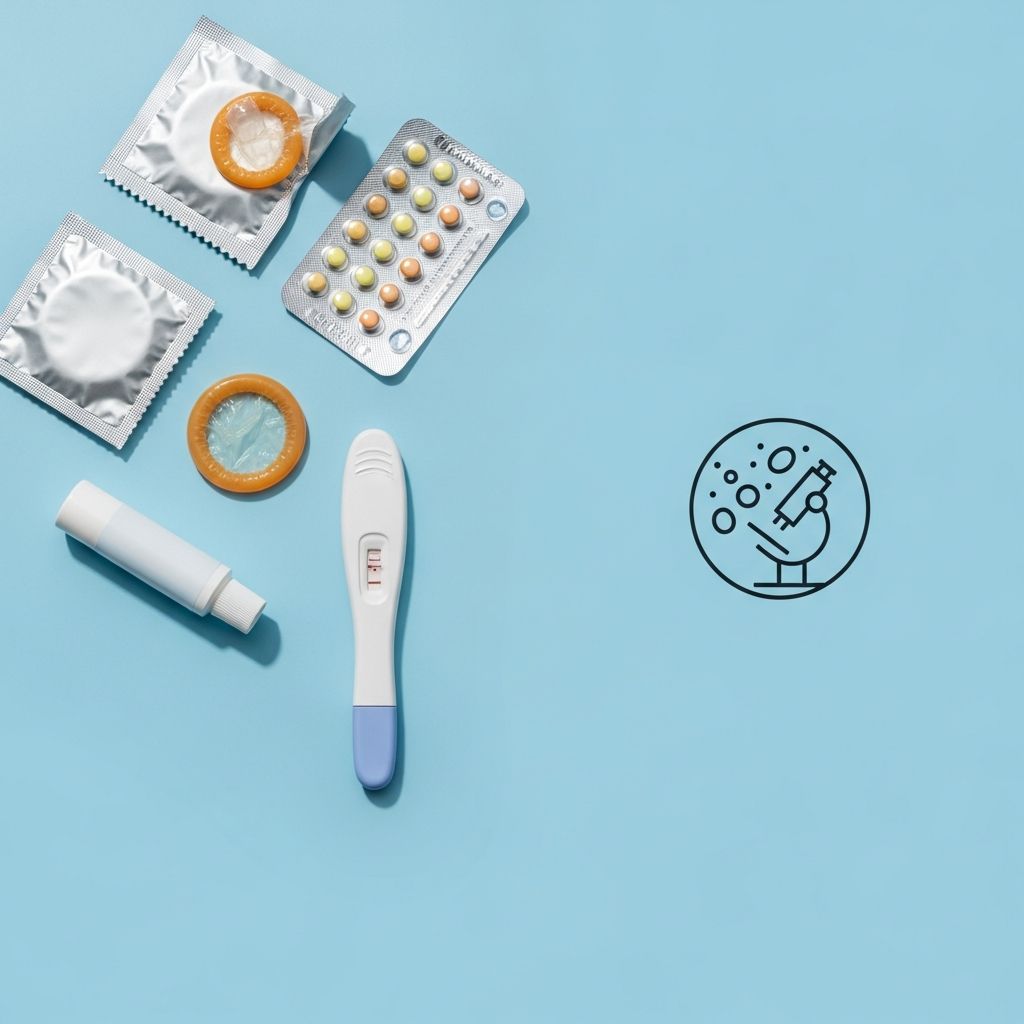
Condoms remain the most effective single method for reducing STI transmission during sexual activity. They should be used consistently and correctly for all types of penetrative sex, including vaginal, anal, and oral intercourse. For oral sex, dental dams or other barrier methods provide additional protection. It is essential to use condoms every time you have sexual contact with a new or untested partner, and to ensure they are stored properly and used according to instructions.
Sexual Hygiene and Toy Maintenance
If you use sex toys, keep them clean before and after use to prevent bacterial transmission. Washing toys with soap and warm water, or using specific toy cleaners, reduces infection risk. Sharing toys without cleaning increases STI transmission risk significantly.
Partner Selection and Communication
Limiting the number of sexual partners substantially reduces your exposure to infection. Taking time to get to know a potential partner before engaging in sexual activity allows for better communication about sexual history and testing status. Choose partners who are willing to practice safer sex and respect your boundaries and preferences. Clear communication about expectations, concerns, and boundaries is fundamental to safer sex practice.
Related Stories



Testing and STI Screening
Consider getting tested for STIs—along with your partner—before starting a sexual relationship. Many infections have no symptoms, so testing provides peace of mind and prevents unknowing transmission. If you experience any symptoms suggestive of an STI, such as genital soreness, discharge, or unusual pain, visit your general practitioner or sexual health clinic immediately. Do not engage in unprotected sex until you have been cleared by a healthcare provider.
Reducing Your Risk of Unwanted Pregnancy: Contraception
While safer sex primarily focuses on STI prevention, preventing unwanted pregnancy is equally important for many individuals. Numerous contraceptive methods exist, each with varying effectiveness rates and considerations.
Contraceptive Options Overview
| Contraceptive Method | Effectiveness | STI Protection | Key Considerations |
|---|---|---|---|
| Condoms (male and female) | 85-98% with typical use | Yes | Dual protection; must use correctly every time |
| Hormonal pills, patches, rings | 91% with typical use | No | Requires daily adherence; no STI protection |
| Intrauterine devices (IUDs) | 99% effective | No | Long-acting; reversible; no STI protection |
| Implants | 99% effective | No | Long-lasting; no daily action required; no STI protection |
| Diaphragm or cervical cap | 88-94% with typical use | Partial | Must be fitted; used with spermicide |
| Emergency contraception | Varies by type | No | Used after unprotected intercourse; not regular contraception |
For optimal protection, many sexual health experts recommend combining barrier methods (condoms) with hormonal or other contraception to achieve protection against both STIs and unwanted pregnancy.
Sex and the Law
Understanding the legal aspects of sexual activity is crucial. Consent is the fundamental legal requirement—all participants must freely agree to sexual activity without coercion, manipulation, or incapacity due to intoxication. The age of consent varies by jurisdiction, and sexual activity with individuals below the legal age of consent is illegal. Additionally, knowingly transmitting an STI to another person without informing them may have legal consequences in some jurisdictions.
Staying Safe: Emotional and Psychological Considerations
Sexual health extends beyond physical protection. Emotional safety and psychological well-being are equally important components of safer sex.
Consent and Relationship Dynamics
Enthusiastic, informed consent from all participants is non-negotiable. Both partners should:
- Clearly agree to sexual activity and understand what it entails
- Feel comfortable saying ‘no’ without pressure or judgment
- Have the capacity to consent (not impaired by alcohol or drugs)
- Be willing to stop activity if either partner becomes uncomfortable
- Understand the emotional consequences of sexual activity
Alcohol and Drug Use
Avoid having sex under the influence of alcohol or drugs, as impairment compromises your ability to consent, use protection correctly, and make safe decisions. Plan ahead if you anticipate a social situation involving alcohol, and designate strategies to protect yourself before you become intoxicated.
Emotional Readiness
Do not initiate a sexual relationship until both partners are emotionally ready and have discussed expectations and feelings. Being emotionally prepared reduces the risk of hurt, regret, or relationship complications.
Summary: Essential Tips for Safer Sex
Implementing these evidence-based recommendations significantly reduces your risk of STIs, unwanted pregnancy, and emotional harm:
- Limit the number of sexual partners and maintain monogamous relationships when possible
- Take time to know a potential partner before engaging in sexual activity
- Ensure all partners consent enthusiastically and are willing to practice safer sex
- Always use condoms for all types of penetrative sex
- Consider barrier methods for oral sex, such as dental dams
- Keep sex toys clean and never share without proper washing
- Get tested for STIs before starting new sexual relationships
- Seek immediate medical attention if you experience STI symptoms
- Use additional contraception to prevent unwanted pregnancy
- Avoid sexual activity when impaired by alcohol or drugs
- Ensure clear communication and genuine consent from all partners
- Understand your local age of consent and sexual health laws
Frequently Asked Questions
Q: Can I get an STI from oral sex?
A: Yes, many sexually transmitted infections can be transmitted through oral sex, including chlamydia, gonorrhea, herpes, and HPV. Using barrier methods like dental dams or condoms during oral sex reduces—but does not eliminate—this risk.
Q: Is one condom safer than another?
A: Latex and polyurethane condoms are highly effective when used correctly. Female condoms also provide protection. The most important factor is consistent and correct use for every sexual encounter. Never double-bag condoms, as this increases breakage risk.
Q: What should I do if a condom breaks during sex?
A: Stop immediately and remove the broken condom. Wash the genital area with soap and water. Consider emergency contraception if pregnancy is a concern, and get tested for STIs after the appropriate window period (usually 2-4 weeks depending on the infection).
Q: Do I need to be tested if I’m in a monogamous relationship?
A: Yes, testing at the beginning of a relationship is recommended, as many STIs have no symptoms. If you and your partner both test negative, you can reduce protection methods only after confirming mutual exclusivity and committing to monogamy.
Q: How do I talk to a partner about safer sex?
A: Have the conversation before sexual activity in a calm, non-judgmental setting. Be honest about your sexual history, testing status, and boundaries. Ask about their history and preferences. Frame safer sex as a shared responsibility that protects both of you.
Q: What if my partner refuses to use condoms?
A: A partner who refuses to practice safer sex is not respecting your health and boundaries. This is a significant concern and may indicate other relationship problems. You have the right to decline sexual activity with someone unwilling to protect your health.
Q: Are STIs curable?
A: Many STIs—including chlamydia, gonorrhea, and syphilis—are curable with antibiotics if caught early. Others, such as herpes, HPV, and HIV, are manageable with treatment but not curable. Early detection through testing and treatment improves outcomes significantly.
Conclusion
Practicing safer sex is an expression of self-respect and care for your partners. It allows you to enjoy sex as a pleasurable, fulfilling activity without unnecessary health risks. By implementing these guidelines—using protection, communicating clearly, getting tested, and making informed decisions—you create a foundation for sexual health and well-being. Remember that sexual health is a component of overall health, and seeking guidance from healthcare providers when needed is a responsible choice.
References
- Safer Sex Guidelines — Patient.info, Medical Review. October 16, 2017. https://patient.info/sexual-health/safer-sex
- Sexually Transmitted Infections (STI, STD) — Patient.info, Medical Information. https://patient.info/sexual-health/sexually-transmitted-infections-leaflet
- Safer Sex Guidelines — Northwestern Medicine Health Encyclopedia. https://encyclopedia.nm.org/search/85,p00585
- Safer Sex: Care Instructions — Kaiser Permanente Health Wellness. https://healthy.kaiserpermanente.org/health-wellness/health-encyclopedia/he.safer-sex-care-instructions.zc1381
- Knowledge of Safe Sex and Sexually Transmitted Infections Among Adolescents — PubMed Central, National Center for Biotechnology Information. https://pmc.ncbi.nlm.nih.gov/articles/PMC7480502/
Similar Articles








Read full bio of Sneha Tete