Safflower Benefits: 5 Proven Health And Skin Perks
Discover the science-backed health benefits of safflower oil, from heart health and blood sugar control to skin care and anti-inflammatory effects.
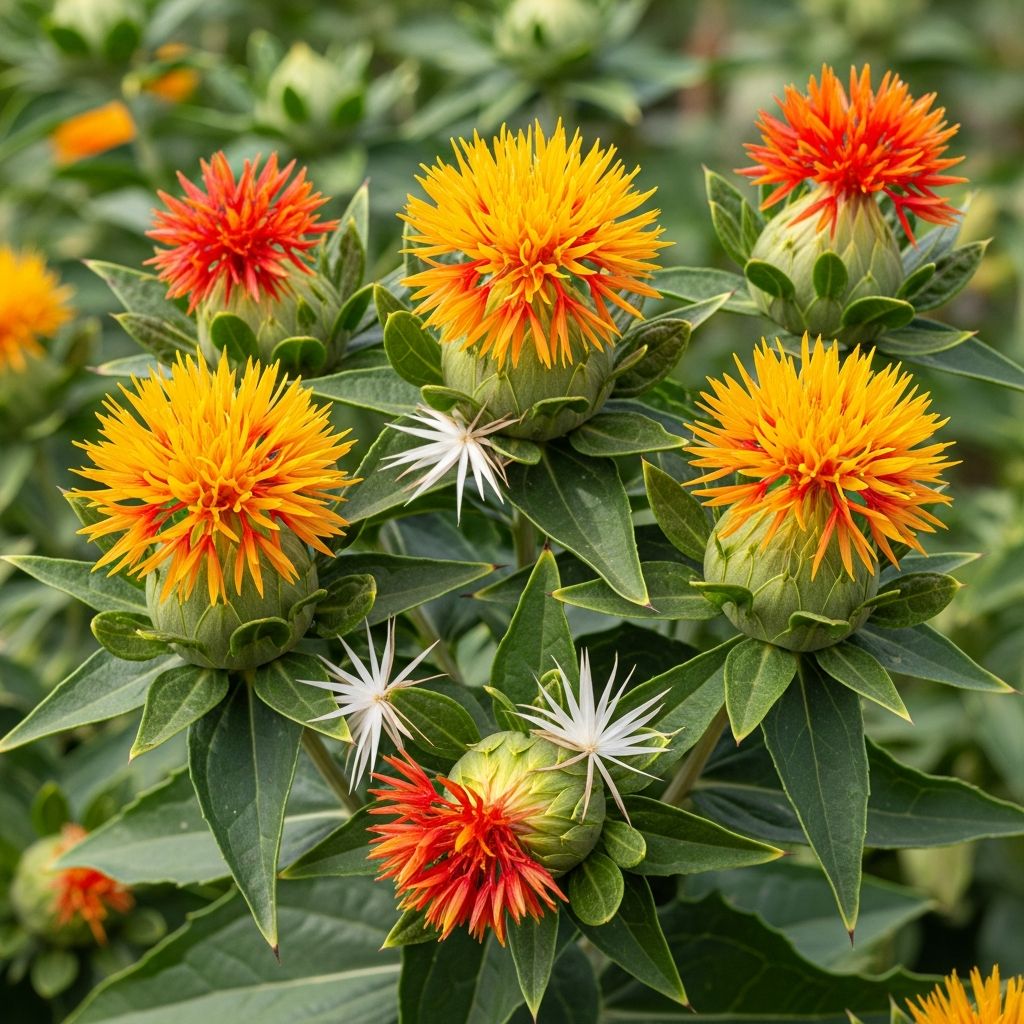
Safflower (Carthamus tinctorius), a vibrant thistle-like plant cultivated for millennia, yields oil and extracts rich in unsaturated fatty acids, flavonoids, phenolics, and tocopherols. High-oleic safflower oil contains primarily oleic acid (up to 75%), while high-linoleic varieties provide polyunsaturated linoleic acid (up to 80%). These compounds drive safflower’s potential in supporting heart health, metabolic function, skin integrity, and inflammation control.
Traditionally used in Traditional Chinese Medicine for circulation and menstrual issues, modern research validates safflower’s bioactive profile through clinical trials and preclinical studies. Safflower seeds offer 15–22% protein and 11–22% fiber, enhancing its nutritional value. This article examines evidence-based benefits, mechanisms, usage, and precautions.
What Is Safflower?
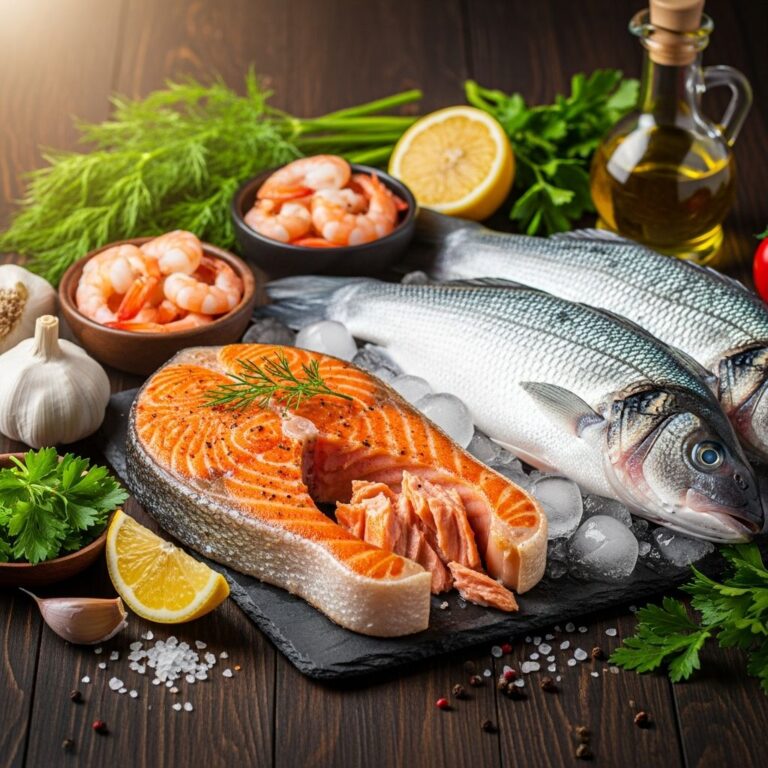
Safflower, native to the Middle East and now grown globally, produces seeds pressed into oil or processed into teas, extracts, and pigments like safflower yellow (SY) and hydroxysafflor yellow A (HSYA). The oil’s composition varies: high-linoleic types mimic sunflower oil for cooking, while high-oleic versions excel in stability for frying and skincare.
Key nutrients include:
- Polyunsaturated fats: Linoleic acid (omega-6) supports cell membranes and hormone production.
- Monounsaturated fats: Oleic acid (omega-9) promotes heart health akin to olive oil.
- Antioxidants: Tocopherols (vitamin E), flavonoids (luteolin, quercetin, kaempferol), and phenolics combat oxidative stress.
- Serrepeptase and other bioactives: In extracts for anti-inflammatory effects.
Safflower’s versatility spans culinary, cosmetic, and medicinal applications, with cold-pressed oils preserving antimicrobial phenolics.
Safflower Oil Benefits
1. May Improve Heart Health
Safflower oil’s unsaturated fats lower LDL cholesterol and raise HDL. A 2011 randomized trial in type 2 diabetes patients found 8g daily safflower oil for 4 months reduced total cholesterol, triglycerides, and HbA1c while boosting HDL by 0.12 mmol/L.
Mechanisms include thinning blood (reducing platelet stickiness), relaxing vessels to lower blood pressure, and preventing clots. Safflower dilates arteries, enhances oxygenation, and dissolves thrombi long-term. American Heart Association guidelines support polyunsaturated fats like those in safflower for cardiovascular risk reduction.
In obese postmenopausal women, 8g/day for 16 weeks improved lipid profiles, reduced CRP (inflammation marker), and increased lean mass. Flavonoids like HSYA activate Nrf2 antioxidant pathways and inhibit platelet aggregation.
2. May Help Regulate Blood Sugar Levels
Replacing saturated fats or carbs with polyunsaturated fats from safflower improves insulin sensitivity. A systematic review confirmed benefits for glycemic control, insulin resistance, and secretion.
The same 2011 study showed 8g safflower oil daily lowered fasting glucose and HbA1c by 0.64% after 16 weeks in diabetic women, with time-dependent effects. HSYA enhances Sirt1 signaling in fatty liver models, reducing oxidative stress and boosting SOD/GSH. These actions counter metabolic syndrome features like visceral fat.
3. May Reduce Inflammation
Linoleic acid and phenolics (luteolin glucosides) inhibit NF-kB signaling, lowering TNF-α, iNOS, and COX-2. Safflower oil reduced CRP in trials and improved inflammation markers in Clinical Nutrition studies.
Antioxidants neutralize ROS from UV or injury, preserving collagen and modulating microglial polarization for neuroprotection. In spinal cord injury models, HSYA downregulated inflammatory cytokines. Safflower tea (72mg polyphenols) lowered serum TBARS (peroxidation marker) and raised vitamins E/A/C in postmenopausal women.
Related Stories



4. May Aid Weight Loss
Safflower oil supplementation increased lean mass and reduced trunk fat in obese postmenopausal women with diabetes (8g/day, 16 weeks), aligning with better glucose control and inflammation reduction. Adipose remodeling via PPAR pathways and reduced visceral fat support metabolic health.
While not a direct fat-burner, its role in hormone regulation and satiety from healthy fats indirectly aids weight management.
5. May Benefit Skin Health
Rich in linoleic acid, safflower oil hydrates, repairs barrier function, and fights photoaging. Antioxidants counter UV-induced ROS, preserving collagen. Anecdotal and lab evidence supports anti-inflammatory use for eczema, acne, and wounds.
Topical application soothes irritation; oral intake supports systemic barrier homeostasis via tocopherols.
Other Potential Safflower Benefits
Beyond core uses:
- Antimicrobial: Cold-pressed oil inhibits E. coli, Candida, and fungi via phenolics disrupting biofilms.
- Hepatoprotective: HSYA improves NAFLD via Sirt1, reducing steatosis.
- Neuroprotective: Boosts SOD/CAT/GSH in TBI models, neutralizes ROS.
- Antitumor/Anticoagulant: Preclinical promise; HSYA synergizes with heparin.
- Bone health: Safflower tea maintains antioxidants, potentially attenuating postmenopausal osteoporosis.
Safflower Nutrition Facts
| Nutrient (per 1 tbsp/14g oil) | Amount | % Daily Value |
|---|---|---|
| Calories | 120 | 6% |
| Total Fat | 14g | 18% |
| Polyunsaturated Fat (linoleic) | 9-11g | – |
| Monounsaturated Fat (oleic) | 2-5g | – |
| Vitamin E (tocopherols) | 4.6mg | 31% |
Values vary by type (high-linoleic vs. high-oleic). Seeds add protein/fiber.
How to Use Safflower Oil
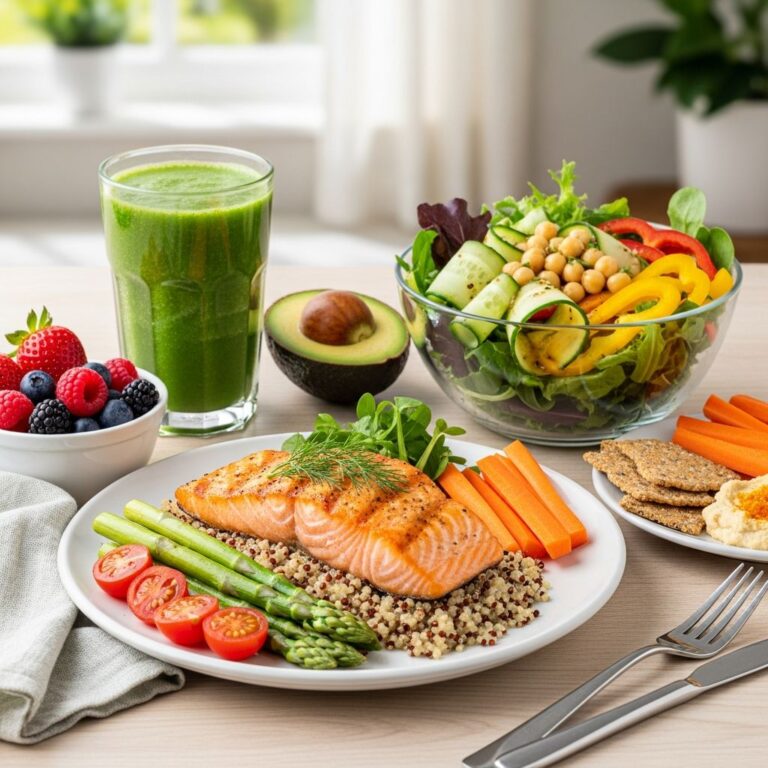
- Culinary: High smoke point (510°F) for frying, baking, dressings. 1-2 tbsp/day.
- Supplements: 8g/day softgels for metabolic benefits (per trials).
- Skin: Dilute 1:1 carrier; apply to damp skin. Patch test.
- Tea: 72mg polyphenols daily for antioxidants.
Safflower Oil Dosage
Clinical doses: 8g/day (≈1 tbsp) for 12-16 weeks showed benefits without adverse effects. Start low; consult doctor for diabetes/heart conditions. Extracts: HSYA 10-50mg/kg preclinical.
Safflower Side Effects
Generally safe in moderation. Risks:
- Bleeding: Thins blood; avoid pre-surgery or with anticoagulants.
- Allergies: Rare; Asteraceae family sensitivity.
- GI upset: High doses laxative.
- Seizures: Theoretical omega-6 excess; balance with omega-3.
Pregnant/breastfeeding: Avoid medicinal doses due to emmenagogue effects.
Frequently Asked Questions (FAQs)
Is safflower oil healthy?
Yes, its unsaturated fats support heart, blood sugar, and skin health when replacing saturated fats.
Is safflower oil better than olive oil?
High-oleic safflower matches olive’s stability/heart benefits; high-linoleic adds inflammation control.
Can safflower oil help with diabetes?
Studies show improved HbA1c, insulin sensitivity at 8g/day.
Is safflower oil good for skin?
Yes, linoleic acid hydrates and repairs barriers; antioxidants fight aging.
Does safflower oil cause weight gain?
No; trials indicate fat loss and lean gain.
References
- Safflower Oil Benefits: Heart, Blood Sugar, and Skin Health Explained — News-Medical.net. 2025. https://www.news-medical.net/health/Safflower-Oil-Benefits-Heart-Blood-Sugar-and-Skin-Health-Explained.aspx
- Top 6 health benefits of safflower oil — Medical News Today. 2024-10-13. https://www.medicalnewstoday.com/articles/322245
- Pharmacological actions and applications of safflower flavonoids — Frontiers in Nutrition. 2025. https://www.frontiersin.org/journals/nutrition/articles/10.3389/fnut.2025.1637053/full
- Effects of a safflower tea supplement on antioxidative status — NIH PMC. 2011-03-01. https://pmc.ncbi.nlm.nih.gov/articles/PMC3061265/
- Medical uses of Carthamus tinctorius L. (Safflower) — NIH PMC. 2018. https://pmc.ncbi.nlm.nih.gov/articles/PMC5984022/
Similar Articles








Read full bio of Sneha Tete