Safflower Oil: Nutrition, Benefits, and Uses
Discover the potential health benefits of safflower oil, from heart health to skin care, backed by scientific research.
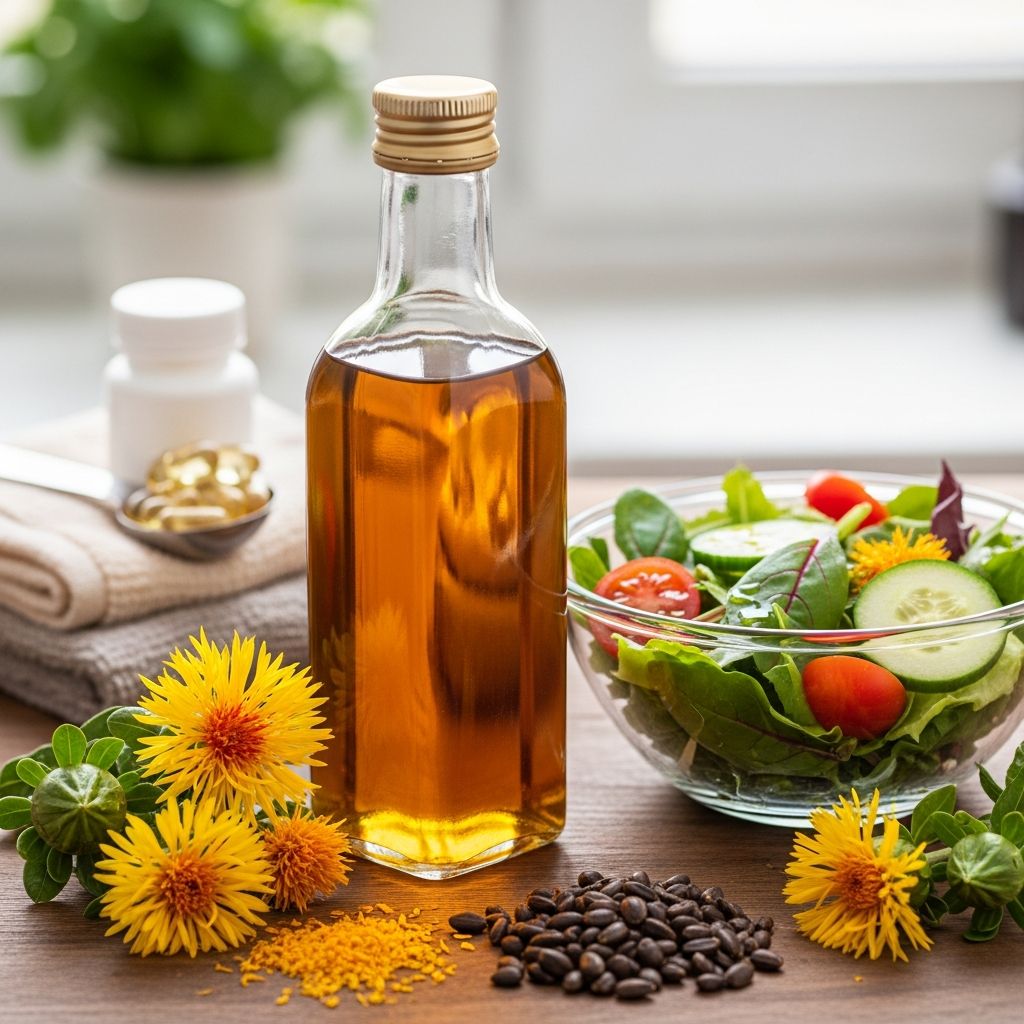
Safflower oil, extracted from the seeds of the Carthamus tinctorius plant, is a versatile cooking oil known for its high smoke point and neutral flavor. Rich in unsaturated fats, it offers potential health benefits including improved blood sugar control, lower cholesterol, reduced inflammation, and skin soothing properties. This article examines its nutrition, science-backed benefits, culinary and topical uses, and safety considerations.
What Is Safflower Oil?
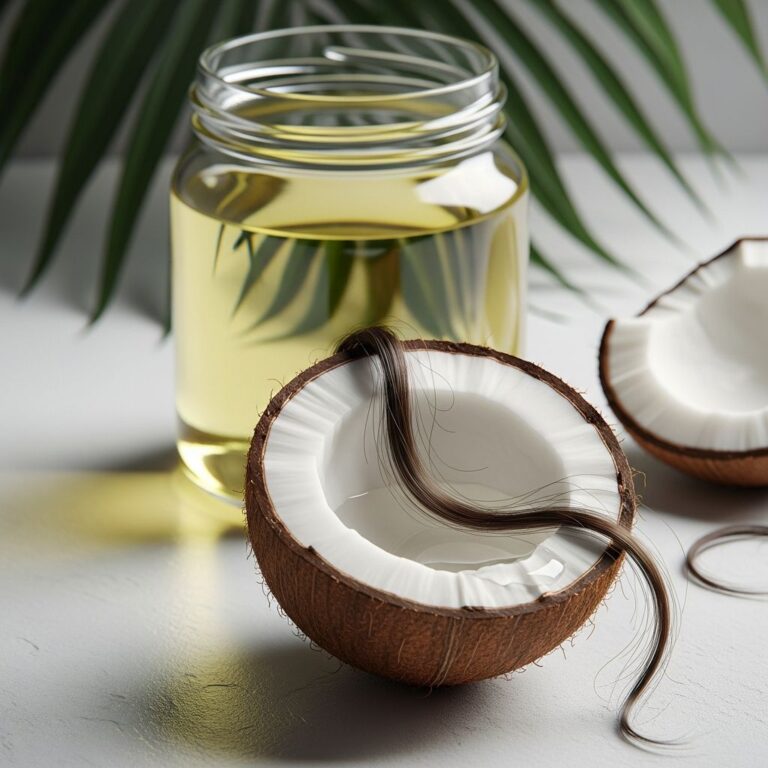
Safflower oil is derived from the seeds of the safflower plant, native to regions in Asia and the Middle East. It comes in two main varieties: high-oleic safflower oil, which is primarily monounsaturated fat (about 75-80%), and high-linoleic safflower oil, rich in polyunsaturated fats like linoleic acid (up to 75%). The high-oleic type is stable for high-heat cooking due to its high smoke point of around 510°F (266°C), surpassing many oils including olive oil. High-linoleic versions are better for cold uses like dressings to preserve delicate fats.
Historically used for dyes and paints due to its vibrant yellow hue, safflower oil has transitioned to food and cosmetic applications. Its neutral taste makes it ideal for frying, baking, and salads without overpowering flavors. Nutritionally, one tablespoon (13.6g) provides about 120 calories, 13.6g total fat (10% DV), with 0g saturated fat, 1.8g monounsaturated, and 10.2g polyunsaturated fats, plus vitamin E (4.6mg, 31% DV).
Safflower Oil Nutrition Facts
Safflower oil is calorie-dense but nutrient-poor beyond fats and vitamin E. Here’s a breakdown per tablespoon:
| Nutrient | Amount | % Daily Value |
|---|---|---|
| Calories | 120 | 6% |
| Total Fat | 13.6g | 17% |
| Saturated Fat | 1g | 5% |
| Monounsaturated Fat (high-oleic) | 10.2g | – |
| Polyunsaturated Fat (high-linoleic) | 10.2g | – |
| Vitamin E | 4.6mg | 31% |
| Vitamin K | 8.1mcg | 7% |
Data adapted from USDA standards via reliable analyses. It lacks protein, carbs, fiber, and most vitamins/minerals, emphasizing moderation in a balanced diet.
Potential Health Benefits of Safflower Oil
1. A Healthful Source of Unsaturated Fatty Acids
Safflower oil is predominantly unsaturated fats, essential for hormone production, cell membrane integrity, nutrient absorption (vitamins A, D, E, K), and satiety. Diets high in these ‘good’ fats reduce inflammation and support heart health compared to saturated fats. High-oleic versions mimic olive oil’s stability; high-linoleic provides omega-6s like linoleic acid, a precursor to anti-inflammatory compounds.
2. May Improve Blood Sugar Levels
Research indicates safflower oil can enhance glycemic control, particularly in type 2 diabetes. A randomized, double-blind crossover study of 35 postmenopausal women with type 2 diabetes found 8g daily safflower oil for 16 weeks reduced HbA1c by 0.64%, improved fasting glucose, and boosted insulin sensitivity (QUICKI index). Effects emerged after 8-16 weeks, correlating with serum linoleic acid increases. A systematic review supports replacing saturated fats or carbs with polyunsaturated fats like those in safflower oil to lower insulin resistance.
3. Lowers Cholesterol and Boosts Heart Health
The same NIH study showed safflower oil raised HDL cholesterol by 0.12 mmol/L (clinically meaningful, linked to 2-3% CVD risk reduction per 0.026 mmol/L increase) while improving overall lipids. Unsaturated fats thin blood, reduce platelet stickiness, relax vessels, and lower blood pressure, potentially preventing clots and strokes. American Heart Association guidelines align with these findings for cholesterol management.
Related Stories



4. Fights Inflammation
Safflower oil’s linoleic acid exhibits anti-inflammatory effects. The clinical trial reported decreased C-reactive protein (CRP) and increased adiponectin, beneficial for diabetes and heart disease. A Clinical Nutrition study echoed improved inflammation markers. These properties may mitigate chronic conditions driven by inflammation.
5. Soothes Dry Skin
Topically, safflower oil moisturizes dry or inflamed skin, thanks to vitamin E’s antioxidant protection. It’s a staple in cosmetics for softness and smoothness. Anecdotal evidence supports its use, with vitamin E’s dermatological benefits well-established.
6. Potential Aid in Weight Loss
Indirectly, safflower oil’s fats promote fullness and may replace higher-calorie options. The NIH study noted trunk fat reduction with safflower oil (vs. CLA for total fat loss), suggesting metabolic benefits in obese diabetics. However, evidence is preliminary; calorie control remains key.
How to Use Safflower Oil
- Cooking: High-oleic for frying, sautéing, baking (smoke point 510°F). Neutral flavor suits any dish.
- Cold Uses: High-linoleic in dressings, dips, mayo for max nutrient retention.
- Topical: Apply directly or mix in lotions for dry skin; patch test first.
- Baking/Substitutes: Replaces butter or other oils 1:1.
Daily intake: 1-2 tablespoons max, within 20-35% total fat calories. Track hidden sources in processed foods like chips, snacks.
Safflower Oil vs. Other Oils
| Oil | Smoke Point | Fat Profile | Best For |
|---|---|---|---|
| Safflower (High-Oleic) | 510°F | 75% MUFA, low PUFA | High-heat cooking |
| Olive (Extra Virgin) | 375°F | 73% MUFA | Salads, low-heat |
| Canola | 400°F | 63% MUFA, 28% PUFA | Versatile |
| Safflower (High-Linoleic) | 450°F | 75% PUFA | Cold uses |
Safflower excels in heat stability over olive oil.
Possible Side Effects and Precautions
Generally safe in moderation, but high omega-6 may imbalance omega-3:6 ratio if overconsumed, potentially promoting inflammation long-term—though studies show benefits. Blood-thinning effects increase bleeding risk for those with disorders, on anticoagulants, or pre-surgery. Allergic reactions rare; consult doctors for diabetes/heart meds. Limit to 1-2 tbsp/day.
FAQs
Is safflower oil healthy?
Yes, when used moderately; its unsaturated fats support heart health, blood sugar, and more.
High-oleic or high-linoleic safflower oil?
High-oleic for cooking, high-linoleic for cold.
Can safflower oil help with weight loss?
Possibly via fat metabolism improvements, but pair with diet/exercise.
Is safflower oil good for skin?
Yes, moisturizes and soothes due to vitamin E.
How much safflower oil per day?
1-2 tablespoons, part of balanced fat intake.
References
- Top 6 health benefits of safflower oil — Medical News Today. 2018-02-21. https://www.medicalnewstoday.com/articles/322245
- Time-dependent effects of safflower oil to improve glycemia, inflammation, and blood lipids in type 2 diabetes — NIH/PMC. 2011-07. https://pmc.ncbi.nlm.nih.gov/articles/PMC3115398/
Similar Articles








Read full bio of Sneha Tete