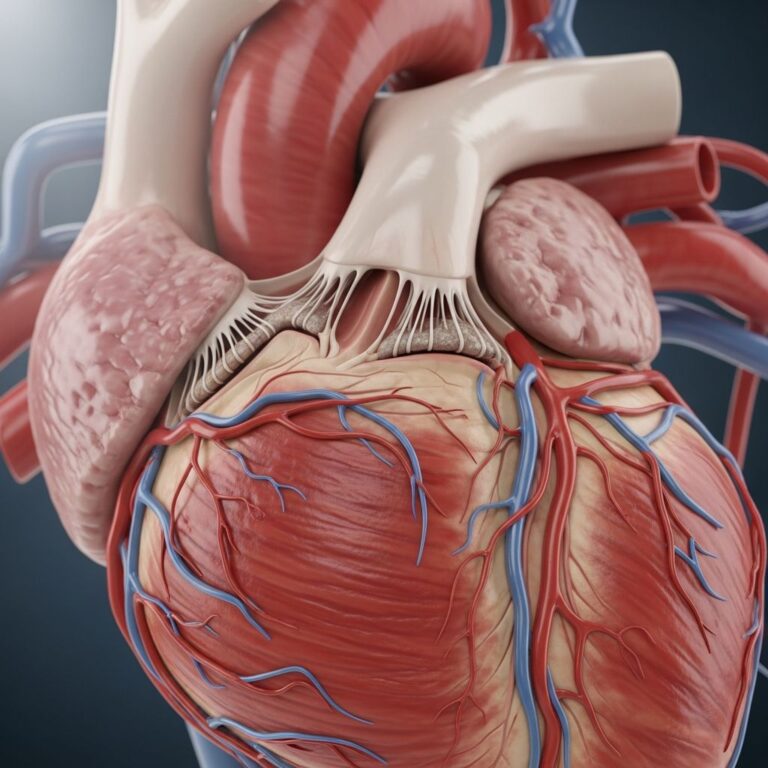
Saffron Benefits: 9 Evidence-Based Boosts For Your Health
Discover the science-backed health benefits of saffron, from mood enhancement to eye health and beyond.
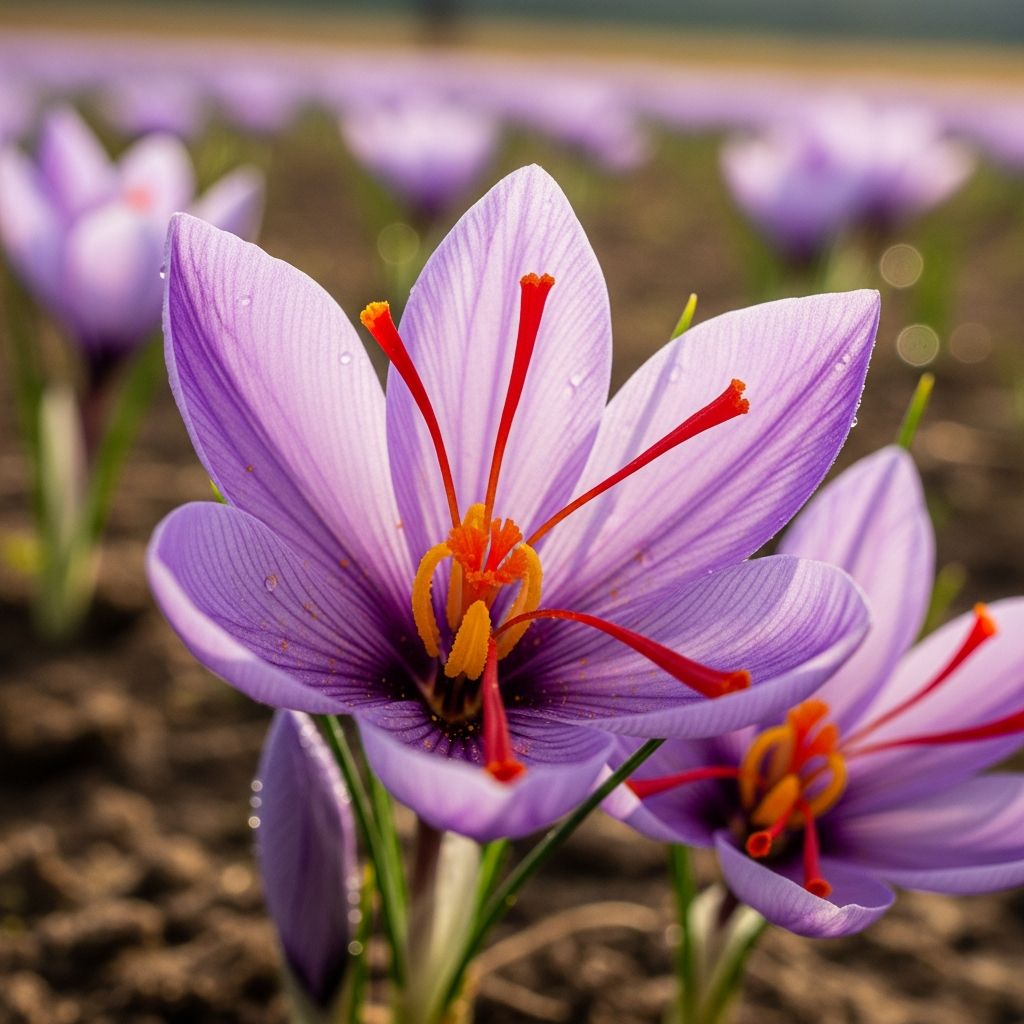
Saffron, derived from the Crocus sativus flower, is one of the world’s most precious spices, renowned for its vibrant color, unique flavor, and growing body of evidence supporting its health benefits. This delicate spice has been used in traditional medicine for centuries, and modern research highlights its potential in mental health, cardiovascular support, eye health, weight management, and neuroprotection.
What Is Saffron?
Saffron consists of the dried stigmas of the crocus flower, harvested primarily in Iran, which produces over 90% of the global supply. Each flower yields just three stigmas, making it labor-intensive and expensive—often costing more than gold by weight. Key bioactive compounds include crocin (responsible for its golden hue and antioxidant properties), crocetin, and safranal, which contribute to its therapeutic effects. These compounds exhibit antioxidant, anti-inflammatory, and neuroprotective qualities, forming the basis for saffron’s health applications.
9 Evidence-Based Saffron Benefits
Research, including randomized controlled trials and meta-analyses, supports saffron’s role in various health areas. Below are key benefits, grounded in peer-reviewed studies.
1. May Ease Depression Symptoms
Saffron shows promise as an effective treatment for mild to moderate depression, often comparable to pharmaceutical antidepressants like fluoxetine (Prozac). A study found that 30 mg daily of saffron led to mood improvements similar to SSRIs, with fewer side effects. It works by inhibiting serotonin reuptake, boosting serotonin availability, and increasing brain-derived neurotrophic factor (BDNF), which supports neuron growth. Recent trials, including one from 2025, demonstrated saffron’s efficacy as monotherapy or augmentation therapy, particularly for anhedonia—a core depression symptom. A 2025 meta-analysis confirmed its viability as an SSRI alternative.
2. Could Help Treat Anxiety
Saffron’s anxiolytic effects stem from enhancing GABA (calming neurotransmitter), modulating dopamine and norepinephrine, and reducing inflammation. A double-blind trial showed 30 mg daily reduced anxiety symptoms effectively and tolerability. It’s particularly useful for generalized anxiety, with mechanisms blocking NMDA receptors to balance excitatory signals.
3. Might Improve PMS Symptoms
Women experiencing premenstrual syndrome (PMS) or premenstrual dysphoric disorder (PMDD) may benefit from saffron’s mood-stabilizing properties. Studies indicate it alleviates emotional symptoms like irritability and mood swings by balancing neurotransmitters and reducing inflammation.
4. May Protect Eye Health
Saffron supports retinal health, potentially slowing age-related macular degeneration (AMD), diabetic retinopathy, and glaucoma. Crocin improves retinal blood flow and protects photoreceptors from oxidative damage. Clinical trials showed 20-30 mg daily improved visual acuity in early AMD patients. Its antioxidants combat free radicals in ocular tissues.
5. Could Benefit Heart Health
Saffron’s hypolipidemic, antihypertensive, and anti-atherosclerotic effects make it valuable for cardiovascular health. It lowers LDL cholesterol, triglycerides, and blood pressure while improving endothelial function. Trials reported reduced systolic blood pressure in hypertensives after 12 weeks of 200 mg daily, linked to decreased endothelin-1. Post-stroke, saffron reduced NIHSS scores and oxidative markers.
6. Might Aid Weight Loss
Emerging evidence suggests saffron curbs appetite and reduces snacking, aiding weight management. Its mood-enhancing effects may indirectly support weight loss by alleviating emotional eating. A review noted antioxidant-driven metabolic benefits.
7. Could Boost Cognitive Function
For mild cognitive impairment (MCI) and Alzheimer’s, saffron improves memory and cognition. A 16-week trial with 30 mg daily enhanced scores in Alzheimer’s patients, matching donepezil with fewer side effects. Mechanisms include BDNF elevation, amyloid-beta reduction, and mitochondrial protection.
Related Stories



8. Has Antioxidant and Anti-Inflammatory Effects
Saffron neutralizes free radicals and lowers inflammatory markers like MDA. This underpins its benefits across systems, from neuroprotection to cancer prevention research.
9. May Support Physical Performance
Saffron enhances muscle strength, reaction time, and endurance by improving mitochondrial function and oxygen delivery. A study in healthy men found 300 mg daily over 10 days boosted performance.
How to Use Saffron for Health Benefits
Recommended Dosage: Most studies use 20-30 mg of standardized saffron extract daily, divided into doses. For culinary use, steep 5-10 threads in hot water.
- Forms: Threads, powder, capsules, or tea. Opt for standardized extracts with 3.5% leptocrocin.
- Tips: Add to rice, teas, or smoothies. Combine with black pepper for better absorption.
- Duration: Benefits appear in 4-12 weeks.
Saffron Nutrition Facts
| Nutrient | Per 1g (threads) | % Daily Value |
|---|---|---|
| Calories | 3 | 0% |
| Carbs | 1g | 0% |
| Protein | 0.1g | 0% |
| Antioxidants (Crocin) | High | – |
Source: USDA data adapted for saffron.
Saffron Side Effects
Saffron is generally safe at recommended doses, but high amounts (>5g daily) can cause toxicity. Possible side effects include nausea, dizziness, or dry mouth.
- Interactions: May enhance sedatives or blood thinners.
- Contraindications: Pregnancy (uterine stimulant), bipolar disorder (mania risk).
Who Should Not Take Saffron?
- Pregnant or breastfeeding women.
- Those on SSRIs without medical advice.
- Individuals with low blood pressure.
Frequently Asked Questions (FAQs)
What are the main benefits of saffron?
Saffron supports mood, eye health, heart function, and cognition via antioxidants like crocin and safranal.
Is saffron better than antidepressants?
It matches SSRIs for mild depression with fewer side effects in studies, but consult a doctor.
How much saffron per day?
20-30 mg extract daily; culinary use is lower but beneficial.
Can saffron help with weight loss?
Yes, by reducing appetite and improving metabolism per preliminary research.
Is saffron safe long-term?
Up to 12 weeks in trials; long-term data limited, monitor with healthcare provider.
This article synthesizes recent research (up to 2025) on saffron’s multifaceted benefits. Always consult professionals before use.
References
- Saffron: An Old Spice with Exciting Mental Health Benefits — Psychiatry Redefined. 2025. https://www.psychiatryredefined.org/saffron-an-old-spice-with-exciting-mental-health-benefits/
- Saffron (Crocus sativus L.): A Source of Nutrients for Health — PMC (NIH). 2022-02-28. https://pmc.ncbi.nlm.nih.gov/articles/PMC8839854/
- What are the health benefits of Saffron? — University of Texas Medical Branch (UTMB). 2025-06-25. https://www.utmb.edu/utmb/news-article/utmb-news/2025/06/25/what-are-the-health-benefits-of-saffron
- What to know about saffron — MD Anderson Cancer Center. 2023. https://www.mdanderson.org/cancerwise/what-to-know-about-saffron.h00-159781179.html
Similar Articles








Read full bio of Sneha Tete