Saffron And Macular Degeneration: Evidence-Backed Guide
Discover how saffron supplementation may support vision in early age-related macular degeneration based on emerging clinical evidence.
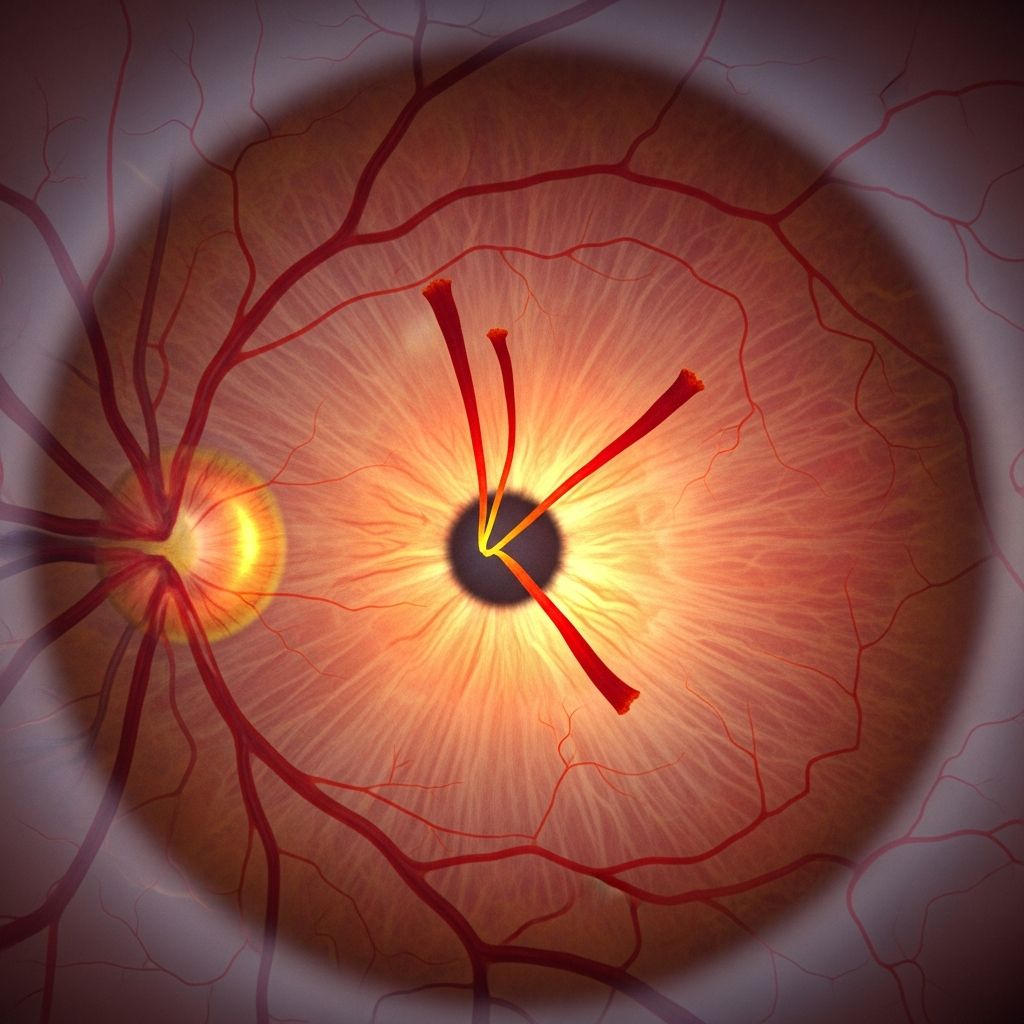
Age-related macular degeneration (AMD) stands as a primary cause of vision loss among older adults worldwide. This condition targets the macula, the central retina region crucial for sharp, detailed sight. As populations age, the search for effective interventions grows urgent, particularly for early-stage AMD where options remain limited. Saffron, the vibrant spice from the Crocus sativus flower, has emerged in recent research as a potential supporter of retinal health. Rich in bioactive compounds like crocin and crocetin, saffron exhibits antioxidant and anti-inflammatory properties that may protect light-sensitive cells from oxidative damage.
Understanding Age-Related Macular Degeneration
AMD progresses in two main forms: dry (atrophic), the more common type involving gradual retinal cell deterioration, and wet (neovascular), characterized by abnormal blood vessel growth leading to rapid vision decline. Early AMD often presents subtle symptoms like blurred central vision or distorted lines, detectable via tests such as optical coherence tomography (OCT) or electroretinography (ERG). Risk factors include advancing age, genetics, smoking, and prolonged exposure to blue and ultraviolet light, which overwhelm the macula’s natural protective pigments.
The macula’s role in filtering harmful light makes it vulnerable over time. In glucose- and oxygen-rich environments, cumulative stress accelerates photoreceptor breakdown, impairing light sensitivity and acuity. Current treatments like anti-VEGF injections address advanced wet AMD effectively but offer little for dry or early stages, fueling interest in nutritional strategies.
The Science Behind Saffron’s Eye-Protective Effects
Saffron’s key components, crocin and crocetin, act as potent antioxidants, neutralizing free radicals that damage retinal cells. These carotenoids enhance blood flow to the eyes, reduce inflammation by suppressing pro-inflammatory cytokines, and bolster cell survival pathways. In preclinical models, saffron has demonstrated neuroprotection against glaucoma-like pressures by curbing microglial activation and preserving retinal ganglion cells.
Human studies highlight saffron’s ability to amplify retinal responses. For instance, supplementation increases flicker sensitivity, a measure of how well the retina processes changing light, vital for low-light vision. These mechanisms address AMD’s core pathology: photoreceptor dysfunction in the macula.
Key Clinical Studies on Saffron for AMD
Multiple randomized controlled trials have tested saffron’s efficacy. In one pivotal study, participants with early AMD received 20 mg daily saffron or placebo for three months. Saffron users showed enhanced retinal sensitivity to dim light and gained an average of two lines on the Snellen eye chart, equating to a 14.3% visual acuity boost. Placebo groups saw no such gains.
A longer-term trial extended supplementation to six months at 30 mg daily, revealing sustained improvements in macular OCT thickness and ERG parameters for both dry and wet AMD patients. Those with advanced disease benefited most, though larger trials are needed for statistical power.
Another crossover study with 20-50 mg saffron over 3-12 months reported better best-corrected visual acuity, contrast sensitivity, and multifocal ERG responses, independent of genetic risks. Benefits persisted post-treatment, suggesting lasting retinal enhancements.
| Study Design | Dose & Duration | Key Outcomes | AMD Type |
|---|---|---|---|
| Randomized, placebo-controlled | 20 mg/day, 3 months | +2 Snellen lines; improved flicker sensitivity | Early dry |
| Randomized, 6 months | 30 mg/day | ERG & OCT improvements | Dry & wet |
| Crossover trial | 20-50 mg/day, 3-12 months | Visual acuity & contrast gains | Both |
Related Stories



Optimal Dosage and Supplementation Strategies
Clinical evidence supports 20-30 mg of high-quality saffron daily for AMD support. Doses as low as 20 mg yield rapid effects within three months, while 30 mg sustains mid-term benefits up to six months. Crocin extracts at 5-15 mg offer similar potency. Always select standardized extracts to ensure bioactive content.
Combining saffron with other carotenoids amplifies results. Lutein at 10-12 mg daily boosts macular pigment density by up to 175%, complementing saffron’s retinal sensitization. Alpha-carotene-rich diets correlate with 32% lower advanced AMD risk, per large cohort studies.
- Start low: Begin with 20 mg/day to assess tolerance.
- Consistency: Take with meals for better absorption.
- Synergies: Pair with lutein/zeaxanthin formulas.
- Monitoring: Track vision via Amsler grid tests.
Safety Profile and Potential Side Effects
Saffron is generally safe at recommended doses, with studies reporting no serious adverse events. Mild issues like digestive upset occur rarely. High doses over 5 grams pose toxicity risks, but therapeutic levels stay far below. Consult physicians if pregnant, on blood thinners, or with bipolar disorder, as saffron may influence mood.
Short-term use (up to 12 months) shows excellent tolerability, even alongside AREDS2 formulas. Long-term data is emerging, but current findings endorse its role in preventive eye care.
Integrating Saffron into a Comprehensive Eye Health Plan
Beyond supplements, lifestyle factors enhance saffron’s impact. A diet rich in leafy greens, fish, and colorful produce supplies protective nutrients. Regular eye exams detect early changes, while UV-blocking sunglasses shield the macula. Quitting smoking halves AMD progression risk.
For those with family history or early signs, saffron offers a proactive edge. It targets root causes like oxidative stress, potentially delaying advanced stages where treatments falter.
Current Limitations and Future Research Directions
While promising, saffron research faces hurdles: small sample sizes limit generalizability, and few studies exceed one year. Variability in saffron quality affects outcomes, underscoring standardization needs. Head-to-head trials versus standard care could clarify positioning.
Ongoing trials explore higher doses, combinations, and genetic subgroups. If validated, saffron could redefine early AMD management, bridging gaps in current therapies.
Frequently Asked Questions (FAQs)
How quickly does saffron improve vision in AMD?
Benefits like enhanced light sensitivity appear within 3 months at 20 mg daily, with acuity gains measurable via eye charts.
Is saffron safe for long-term use?
Up to 12 months shows safety in trials; monitor with healthcare providers for extended use.
Can saffron help wet AMD?
Yes, studies note ERG improvements in both dry and wet forms.
What if I’m already on AREDS2?
Saffron complements it, enhancing retinal function without interactions.
Where to source quality saffron?
Opt for standardized extracts from reputable suppliers, verified for crocin content.
References
- How Saffron Protects Eye Health And Vision — Life Extension. 2016-07-01. https://www.lifeextension.com/magazine/2016/7/saffron-improves-vision-in-aging-humans
- Saffron Benefits for Eye Health, Neurodegeneration, and Mood Disorders — Natural Health Research. 2023-01-15. https://naturalhealthresearch.org/saffron-benefits-for-eye-health-neurodegeneration-and-mood-disorders/
- Short-term Outcomes of Saffron Supplementation in Patients with AMD — PMC (NCBI). 2017-02-15. https://pmc.ncbi.nlm.nih.gov/articles/PMC5342880/
- Crocus sativus (saffron) and age-related macular degeneration — Semantic Scholar. 2022-05-10. https://pdfs.semanticscholar.org/1e77/523d2d99c007e9c31ba7619a36fc1e14d8ea.pdf
- Broccoli and Saffron May Combat Ocular Diseases — Review of Optometry. 2023-11-20. https://www.reviewofoptometry.com/article/broccoli-and-saffron-may-combat-ocular-diseases
- Saffron for macular degeneration: How much, side effects — Medical News Today. 2024-03-12. https://www.medicalnewstoday.com/articles/how-much-saffron-should-i-take-for-macular-degeneration
Similar Articles








Read full bio of Sneha Tete