Sage: Uses, Research, And Safety Guide In 2025
Exploring sage's potential benefits for menopause, cognition, and overall wellness with evidence-based insights.
Understanding Sage: An Overview of This Ancient Herb
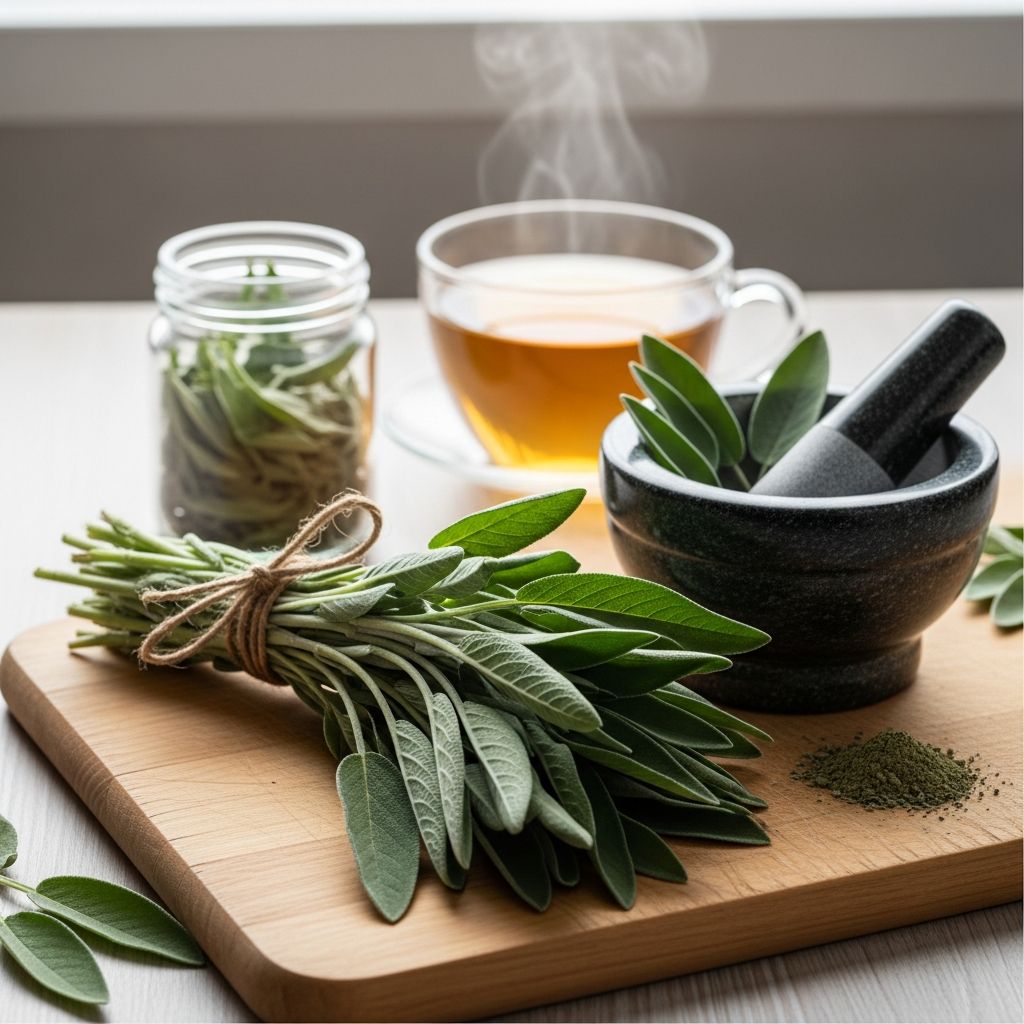
Sage, scientifically known as Salvia officinalis, has been used for centuries in traditional medicine across various cultures. This aromatic herb, belonging to the mint family, is commonly found in Mediterranean regions and has gained considerable attention in modern complementary and integrative health practices. While sage is frequently used as a culinary ingredient and flavoring agent, many individuals turn to sage for its potential health benefits. However, it is important to distinguish between anecdotal uses and scientifically validated applications, as the body of research on sage remains relatively limited compared to other herbal remedies.
The State of Research on Sage
One of the most critical considerations when evaluating sage’s effectiveness is understanding the current scope of scientific investigation. Only small amounts of research have been conducted on sage’s use for various health conditions, which means that definitive conclusions about its effects cannot be reached at this time. This limitation underscores the importance of continued research and the need for consumers to approach sage supplementation with realistic expectations about what current evidence can and cannot demonstrate. While preliminary findings are encouraging in certain areas, they are not yet robust enough to make strong clinical recommendations in most cases.
Research Limitations and What They Mean
The scarcity of large-scale, well-controlled studies on sage creates challenges for healthcare providers and consumers alike. Many existing studies involve small sample sizes, which limits the generalizability of results. Additionally, variations in study design, sage preparation methods, and dosage regimens make it difficult to draw direct comparisons between different research efforts. This fragmented evidence base highlights why consultation with healthcare providers remains essential before incorporating sage into a health regimen.
Sage and Menopause: Potential Relief from Hot Flashes
Among the various potential applications of sage, its use for managing menopausal symptoms represents one of the most promising areas of research. The results of a few small studies suggest that common sage might be helpful in reducing the frequency of hot flashes associated with menopause. Hot flashes are one of the most commonly reported symptoms during menopause, affecting a significant proportion of women transitioning through this life stage. These sudden episodes of intense heat, often accompanied by sweating and flushing, can substantially impact quality of life and daily functioning.
How Sage May Help
The mechanism by which sage may reduce hot flashes remains an area of ongoing investigation. Some researchers hypothesize that sage contains compounds with estrogenic properties or other bioactive constituents that may influence thermoregulation—the body’s ability to maintain stable body temperature. While the exact pathway is not fully understood, the preliminary evidence suggesting sage’s potential benefit makes it an interesting option worth discussing with a healthcare provider, particularly for women seeking non-pharmaceutical approaches to menopause management.
Cognitive Function and Memory Enhancement
Beyond its potential menopausal applications, sage has garnered attention for its possible effects on brain function. A few studies suggest that common sage, Spanish sage, or a combination of the two may improve scores on tests of memory or other aspects of cognition in healthy people. These findings have generated considerable interest in sage as a potential cognitive enhancer, particularly among aging populations concerned about maintaining mental sharpness.
Related Stories



Memory and Mental Performance
Research examining sage’s effects on cognition has employed various testing methods to assess memory, attention, and processing speed. Some investigations have shown promising results, with participants receiving sage supplements demonstrating improvements in certain cognitive measures compared to those receiving placebo. However, the amount of evidence is small, and additional research would be needed before definite conclusions could be reached. This measured assessment reflects the scientific community’s commitment to avoiding overstatement of preliminary findings.
Sage and Alzheimer’s Disease
Given sage’s potential effects on cognition in healthy individuals, researchers have explored whether sage might benefit individuals with neurodegenerative conditions, particularly Alzheimer’s disease. However, it is uncertain whether sage affects cognitive function in people with Alzheimer’s disease because very little research has been done on this topic in people. This knowledge gap represents an important area for future investigation, as understanding sage’s effects in pathological states requires distinct research approaches compared to studying its effects in healthy aging.
Cardiovascular and Metabolic Health
Beyond cognitive and menopausal applications, researchers have investigated sage’s potential effects on cardiovascular risk factors. A few studies suggest that sage may have beneficial effects on levels of blood cholesterol and other lipids. Maintaining healthy cholesterol levels is crucial for cardiovascular health and disease prevention, making this potential benefit particularly significant for public health.
Blood Glucose and Metabolic Function
While initial findings regarding sage’s effects on lipid profiles are intriguing, evidence regarding blood glucose regulation remains inconclusive. There isn’t enough evidence to show whether sage has beneficial effects on blood glucose (sugar). This distinction is important for individuals with diabetes or prediabetes who might be considering sage supplementation as part of their metabolic health strategy. Until more robust evidence emerges, blood sugar management should continue to rely on established medical treatments and lifestyle interventions.
Safety Considerations and Important Precautions
While sage is generally considered safe when used appropriately, several important safety considerations warrant attention before incorporating it into a health routine. Understanding these considerations is essential for protecting your health and preventing potentially harmful interactions.
Interactions with Medications
One of the most critical safety considerations involves potential interactions between sage and medications. If you take any type of medicine, it is essential to talk with your health care provider before using any herbal product, as some herbs and medicines interact in harmful ways. These interactions can range from reduced medication effectiveness to amplified side effects, making professional guidance non-negotiable for individuals on pharmacological treatments.
Regulatory Status of Dietary Supplements
Unlike drugs, dietary supplements are not approved by the U.S. Food and Drug Administration (FDA) before they are sold to the public. This distinction has important implications for consumers. Rather than pre-market approval, manufacturers and distributors of supplements are responsible for evaluating the safety and labeling of their products before marketing to ensure that they meet all regulatory requirements. When public health concerns arise about the safety of a dietary supplement or an ingredient including an herb, the FDA can take action to protect the public. This system places greater responsibility on consumers to verify product quality and on healthcare providers to stay informed about supplement safety.
Making Informed Health Decisions
Navigating the landscape of complementary and integrative health requires a collaborative, informed approach. The foundation of safe and effective health management rests on open communication between patients and healthcare providers.
Taking Charge of Your Health
You should take charge of your health by talking with your health care providers about any complementary health approaches you use. Together, you can make shared, well-informed decisions. This partnership approach ensures that all aspects of your health management are coordinated and that potential risks or benefits are thoroughly considered within the context of your complete health picture, including your medical history, current medications, and overall health goals.
Evaluating Scientific Evidence
When evaluating health information about sage or any herbal supplement, it is valuable to develop skills in assessing scientific evidence. Understanding how to interpret research findings, recognizing the limitations of small studies, and distinguishing between preliminary results and established clinical recommendations are all important competencies for consumers navigating health decisions.
Additional Resources for Information
For those seeking more comprehensive information about sage and other complementary health approaches, several authoritative resources are available to support your research and decision-making process.
NCCIH Clearinghouse
The NCCIH Clearinghouse provides information on complementary and integrative health approaches, including publications and searches of Federal databases of scientific and medical literature. The Clearinghouse does not provide medical advice, treatment recommendations, or referrals to practitioners. You can contact them via:
Toll-free: 1-888-644-6226
Telecommunications relay service (TRS): 7-1-1
Email: info@nccih.nih.gov
PubMed for Scientific Literature
PubMed, a service of the National Library of Medicine, contains publication information and brief summaries of articles from scientific and medical journals. This resource is invaluable for individuals interested in accessing peer-reviewed research on sage and other health topics.
Office of Dietary Supplements
The Office of Dietary Supplements at the National Institutes of Health seeks to strengthen knowledge and understanding of dietary supplements by evaluating scientific information, supporting research, sharing research results, and educating the public. Their resources include fact sheets on various supplement ingredients and products.
Frequently Asked Questions About Sage
Q: Is sage safe for everyone to use?
A: While sage is generally recognized as safe when used appropriately, certain individuals should exercise caution. Pregnant and breastfeeding women should consult healthcare providers before using sage supplements. Additionally, individuals on medications should discuss sage use with their healthcare provider to rule out potential interactions.
Q: How much sage should I take?
A: Dosage recommendations vary depending on the form of sage (dried herb, extract, supplement) and the specific health goal. There is no standardized recommended dosage established by regulatory authorities. Your healthcare provider can recommend an appropriate dose based on your individual health needs and circumstances.
Q: Can sage replace my current medications?
A: No. Sage should not be used as a replacement for prescribed medications without explicit guidance from your healthcare provider. While sage may offer complementary benefits, it is typically used alongside conventional medical treatments rather than as a substitute for them.
Q: How long does it take to experience benefits from sage?
A: The timeframe for experiencing potential benefits from sage varies considerably among individuals and depends on the specific health outcome being addressed. Some effects may be noticeable within weeks, while others may require longer-term use. Patience and consistent communication with your healthcare provider are important.
Q: Are there any side effects associated with sage use?
A: Most people tolerate sage well when used in appropriate amounts. However, some individuals may experience mild side effects such as digestive upset or allergic reactions. If you experience any adverse effects, discontinue use and consult your healthcare provider.
Q: Where can I find reliable information about sage quality and purity?
A: Look for supplements that have been third-party tested for quality and purity. Some certification organizations verify that products contain the ingredients listed on the label and are free from contaminants. Your healthcare provider or pharmacist can help you identify reputable manufacturers.
Conclusion
Sage represents an interesting area of complementary and integrative health research, with preliminary evidence suggesting potential benefits for menopausal hot flashes and cognitive function. However, the current body of research remains limited, and more investigation is needed before making definitive clinical claims. The key to safely incorporating sage into your health regimen involves maintaining open communication with healthcare providers, understanding current evidence limitations, and making informed decisions within the context of your complete health picture. As research continues to evolve, our understanding of sage’s true therapeutic potential will undoubtedly become clearer and more nuanced.
References
- Sage: Usefulness and Safety — National Center for Complementary and Integrative Health (NCCIH), National Institutes of Health. 2025-04. https://www.nccih.nih.gov/health/sage
- An extract of Salvia (sage) with anticholinesterase properties improves memory and attention in healthy older volunteers — Scholey AB, Tildesley NTJ, Ballard CG, et al. Psychopharmacology. 2008;198(1):127-139. https://pubmed.ncbi.nlm.nih.gov
- Salvia officinalis on hot flashes in postmenopausal women: a systematic review and meta-analysis — International Journal of Community Based Nursing and Midwifery. 2023;11(3):169-178. https://pubmed.ncbi.nlm.nih.gov
- Sage — Drugs and Lactation Database (LactMed), National Institute of Child Health and Human Development. 2024-08-15. https://ncbi.nlm.nih.gov/books/NBK501816
- Using Dietary Supplements Wisely — National Institutes of Health, Office of Dietary Supplements. https://ods.od.nih.gov
Similar Articles








Read full bio of medha deb