Salad Toppings with Protein and Fiber to Keep You Full
Boost your salads with protein-packed and fiber-rich toppings that satisfy hunger and support lasting fullness all day long.
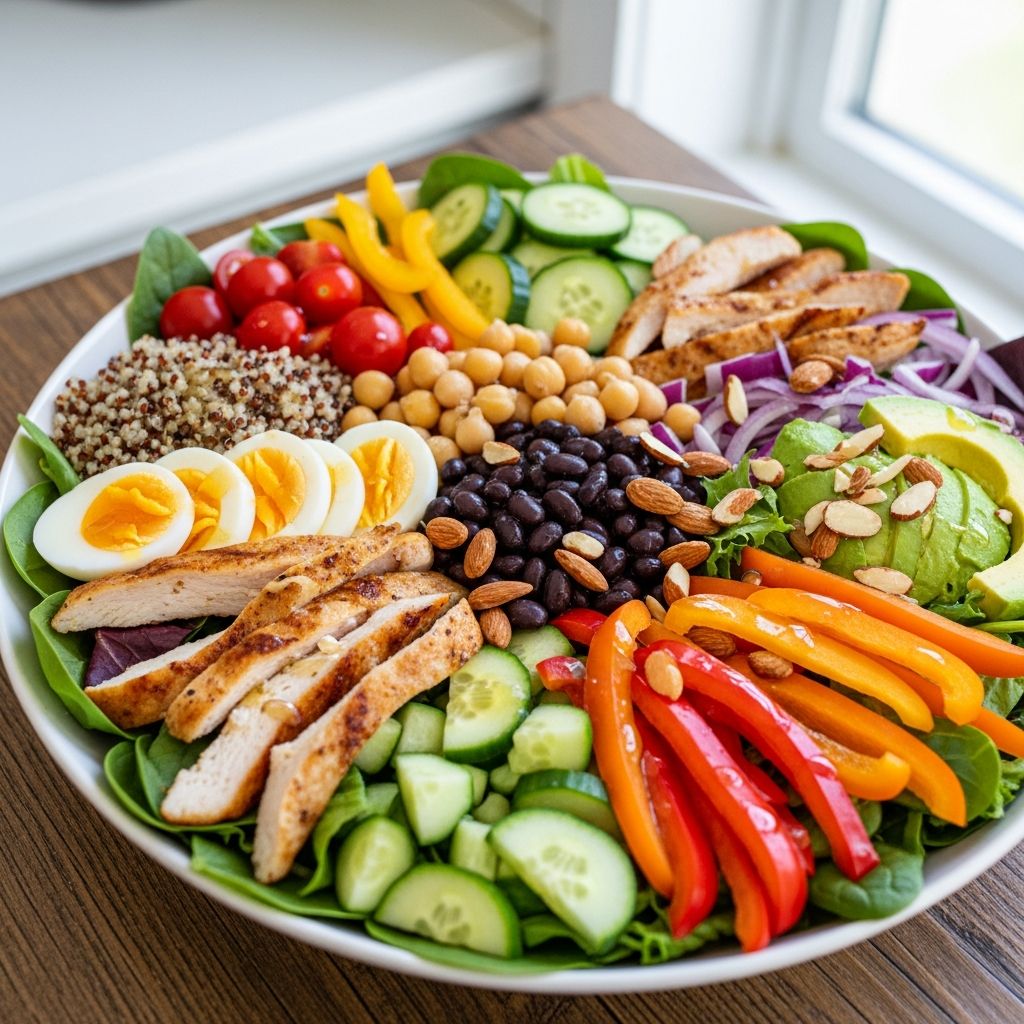
Salads offer a versatile base for nutrient-packed meals, but adding
protein
andfiber-rich toppings
transforms them into satisfying dishes that promote fullness, stabilize blood sugar, and support overall health. These toppings provide essential macronutrients: protein aids muscle repair, metabolism, and satiety, while fiber supports digestion, gut health, and sustained energy. Experts recommend aiming for 20-25g of protein per salad to create balanced meals that prevent hunger pangs.Incorporating these elements not only enhances flavor and texture but also aligns with dietary guidelines from sources like the USDA, emphasizing whole foods for heart health, weight management, and disease prevention. Whether animal-based or plant-powered, the following 18 toppings deliver both protein and fiber, making your salads more nutritious and enjoyable.
Why Protein and Fiber Matter in Salads
**Protein** is crucial for stabilizing blood sugar levels, boosting metabolism, and supporting muscle maintenance, helping you avoid mid-afternoon snack attacks. Registered dietitians note that 20-25g per salad creates a ‘balanced, satisfying’ meal. Meanwhile,
fiber
promotes digestive regularity, lowers cholesterol, and enhances feelings of fullness by slowing digestion.Combining both creates synergistic effects: studies show high-protein, high-fiber meals improve satiety hormones like GLP-1 and reduce ghrelin, the hunger hormone. This duo is particularly beneficial for weight management, as evidenced by USDA nutritional profiles of whole foods rich in these nutrients. Leafy greens provide a low-calorie base, but toppings elevate salads from side dish to main course.
Animal-Based Protein Toppings
These options deliver complete proteins with all essential amino acids, pairing excellently with fibrous veggies for balanced nutrition.
- Hard-Boiled Eggs: A versatile topping offering 6g protein per large egg (50g), plus choline for brain health. Slice or chop for easy addition; their mild flavor complements any dressing.
- Chicken Breast: Skinless, boneless chicken provides 25.9g protein per 85g serving, low in calories and fat. Grill or bake for juicy texture; it’s a staple for metabolism support.
- Salmon: Rich in omega-3s, baked or canned salmon delivers 20g+ protein per 85g, with anti-inflammatory benefits for heart health.
- Canned Tuna: Convenient and lean, 85g offers 20g protein. Opt for water-packed varieties to minimize sodium.
- Shrimp: Low-calorie seafood with 20g protein per 85g; quick-cook for a seafood boost.
- Low-Fat Cottage Cheese: 24.2g protein per 78g (half-cup), plus calcium for bones. Creamy texture adds richness without excess fat.
Plant-Based Protein Toppings
Ideal for vegans and vegetarians, these legumes, grains, and soy products offer complete or complementary proteins alongside abundant fiber.
- Chickpeas: 82g canned chickpeas yield 7g protein and 6g fiber. Roast for crunch; supports gut health.
- Lentils: Boiled lentils provide 9g protein and 8g fiber per 100g. Quick-cooking and versatile for heart-friendly salads.
- Black Beans: 100g canned offers 7g protein and 7g fiber, packed with antioxidants to reduce cancer and heart disease risk.
- Quinoa: A complete protein grain with 8g per cooked cup (185g), plus fiber and B vitamins. Nutty flavor enhances texture.
- Edamame: 78g shelled provides 8-10g protein and complete amino acids; steam for tenderness.
- Tofu: Firm tofu at 126g gives 21.8g protein, with heart-healthy fats. Bake or grill for meaty appeal; linked to lower CVD risk.
- Tempeh: Fermented soy with 16.9g protein per 83g; nutty and meaty, aids weight management.
Related Stories



Nuts, Seeds, and Crunchy Add-Ins
These deliver healthy fats, protein, and fiber for crunch and prolonged satiety without many calories.
- Peanuts: 37g raw peanuts pack 9.2g protein and fiber; legume benefits include vitamins and minerals.
- Walnuts: Omega-3 rich, 28g offers 4g protein and 2g fiber; supports cardiovascular health.
- Pumpkin Seeds (Pepitas): 100g boasts 29.9g protein, plus antioxidants; a crunchy powerhouse.
Building Your High-Protein, High-Fiber Salad
Start with a fiber base like spinach or kale (3-5g fiber per cup). Layer 20-25g protein from 2-3 toppings, add 10g+ fiber via legumes/veggies. Dress lightly with olive oil and lemon to preserve nutrients.
Sample Salad Combos:
| Salad Name | Key Toppings | Protein (g) | Fiber (g) |
|---|---|---|---|
| Mediterranean Power Bowl | Chickpeas, feta, quinoa, olives | 22 | 12 |
| Southwest Crunch | Black beans, corn, avocado, shrimp | 28 | 15 |
| Asian-Inspired | Edamame, tofu, sesame seeds, cabbage | 25 | 10 |
| Classic Grilled | Chicken, eggs, walnuts, broccoli | 35 | 8 |
Prep tips: Rinse canned beans to cut sodium by 40%; roast nuts/seeds for flavor; use leftovers for convenience.
Health Benefits Backed by Science
High-protein salads reduce overeating: a study-linked legume intake lowers heart disease risk via fiber and antioxidants. Nuts/seeds daily may cut CVD risk. Whole grains like quinoa add B vitamins for energy metabolism. USDA data confirms these toppings’ nutrient density, supporting guidelines for 25-30g fiber daily.
Frequently Asked Questions (FAQs)
What are the best high-protein salad toppings?
Top choices include chicken breast (25.9g per 85g), tofu (21.8g per 126g), and cottage cheese (24.2g per 78g), all paired with fiber sources like lentils or chickpeas.
How much protein should a salad have to keep me full?
Aim for 20-25g to stabilize blood sugar and promote satiety throughout the day, per dietitian recommendations.
Are plant-based toppings as effective as meat for protein?
Yes, complete proteins like quinoa, edamame, and tempeh provide similar benefits, plus extra fiber for gut health.
Can nuts and seeds add enough fiber to salads?
They contribute 2-8g per handful, enhancing fullness when combined with veggies and legumes.
How do I store prepped salad toppings?
Keep proteins like cooked chicken or beans in airtight containers for 3-4 days; freeze extras for longer shelf life.
References
- 18 Best High-Protein Toppings to Add to Your Salad — Women’s Health Mag. 2024-10-15. https://www.womenshealthmag.com/uk/food/healthy-eating/a65909605/high-protein-salad-toppings/
- 20 Healthy Salad Toppings — Healthline. 2023-05-12. https://www.healthline.com/nutrition/healthy-salad-toppings
- Cracking the Vault: Build Higher Fiber Salads — Food and Health Communications. 2024-02-20. https://www.foodandhealth.com/blog-free/higher-fiber-salads
- FoodData Central — United States Department of Agriculture (USDA). 2025-01-01. https://fdc.nal.usda.gov/
Similar Articles








Read full bio of Sneha Tete