Salbutamol: Essential Guide To Uses, Dosage, Side Effects
Discover how salbutamol relieves asthma symptoms, its mechanisms, forms, and safety tips for effective respiratory care.
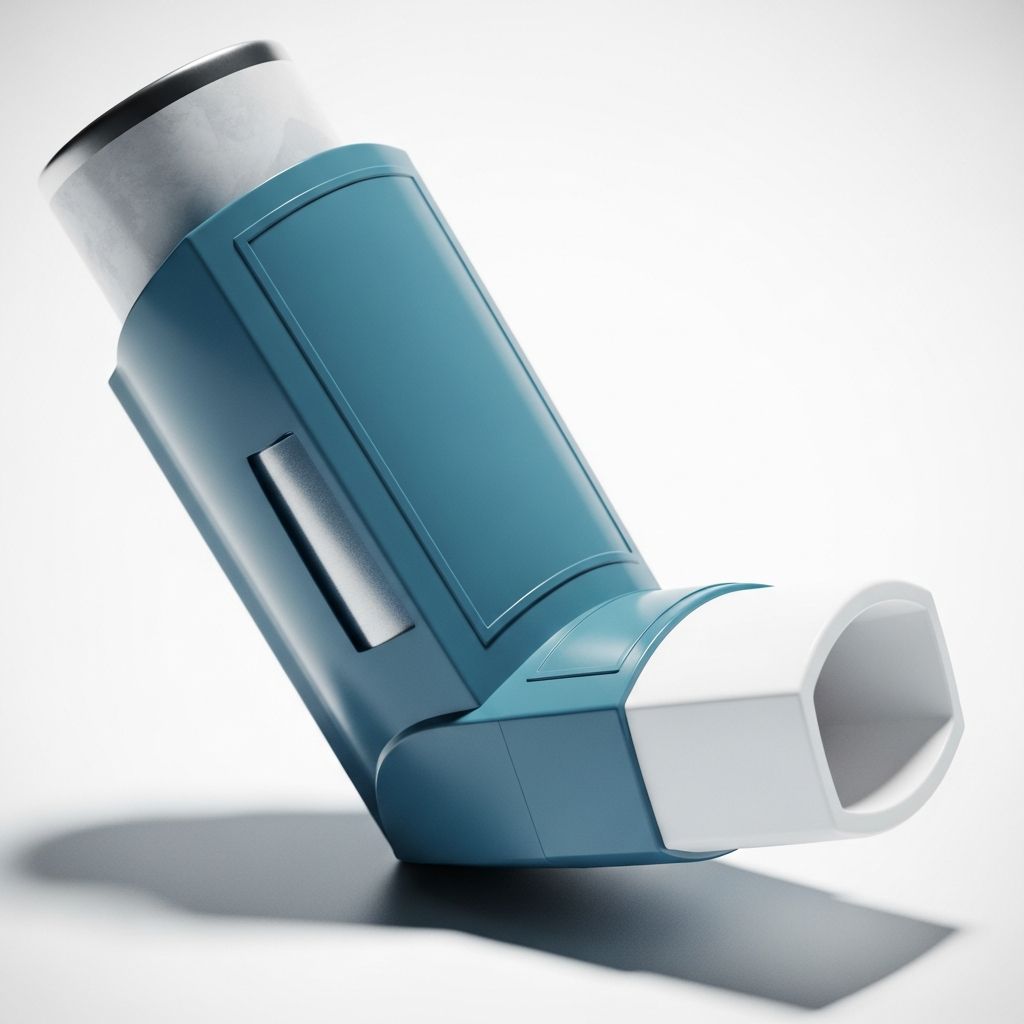
Salbutamol stands as a cornerstone in respiratory medicine, primarily serving as a short-acting beta-2 agonist to provide quick relief from bronchospasm in conditions like asthma and chronic obstructive pulmonary disease (COPD). Known also as albuterol in some regions, this medication targets airway smooth muscles to promote rapid bronchodilation, easing breathing difficulties during acute episodes.
Primary Applications in Respiratory Care
Clinicians prescribe salbutamol for immediate symptom relief in bronchial asthma, chronic bronchitis, emphysema, and other reversible obstructive airway diseases where bronchospasm plays a key role. It proves invaluable for preventing exercise-induced bronchospasms, allowing individuals to maintain physical activity without undue respiratory distress.
Beyond routine asthma management, salbutamol addresses acute bronchoconstriction triggered by allergens, cold air, or irritants, functioning as a functional antagonist against various spasmogens in the airways from trachea to terminal bronchioles. In emergency settings, nebulized or intravenous forms offer swift intervention for severe attacks unresponsive to initial therapies.
- Relief of sudden wheezing and shortness of breath.
- Prevention prior to physical exertion.
- Management of chronic bronchopulmonary disorders.
How Salbutamol Achieves Bronchodilation
At its core, salbutamol selectively activates beta-2 adrenergic receptors on bronchial smooth muscle cells, triggering adenylyl cyclase to elevate cyclic AMP (cAMP) levels. This cascade inhibits myosin phosphorylation and reduces intracellular calcium, essential for muscle contraction, leading to profound relaxation and widened airways.
The drug’s tertiary butyl group enhances beta-2 specificity, minimizing beta-1 cardiac effects compared to non-selective agents. Additionally, elevated cAMP curbs mediator release from mast cells, basophils, and eosinophils, dampening inflammation and hypersensitivity responses in asthmatic airways.
Pharmacokinetically, inhalation delivers rapid onset—within minutes—due to direct lung deposition, with systemic absorption varying by route: oral yields slower effects, while intravenous provides peak plasma levels swiftly. Metabolism occurs primarily in the liver to an inactive sulfate conjugate, excreted renally.
Available Forms and Administration Methods
Salbutamol’s versatility spans multiple delivery systems tailored to patient needs and severity.
| Form | Description | Typical Use |
|---|---|---|
| Metered-Dose Inhaler (MDI) | HFA propellant-based, 90-100 mcg per puff | Quick relief, daily maintenance |
| Nebulizer Solution | 2.5-5 mg diluted for aerosol | Acute severe episodes, young children |
| Oral Tablets/Syrup | 2-4 mg doses | Prevention when inhalers unsuitable |
| IV/IM Injection | 0.5 mg doses | Hospital emergencies |
Inhalers demand proper technique: shake, exhale fully, inhale slowly while actuating, hold breath 10 seconds. Spacers enhance delivery for children or those with coordination issues.
Dosage Guidelines for Different Age Groups
Adults typically inhale 1-2 puffs (100-200 mcg) every 4-6 hours as needed, not exceeding 8 puffs daily without medical advice. For exercise prophylaxis, administer 15-30 minutes prior.
Children over 4 years mirror adult dosing at 1-2 puffs; under 4, nebulization at 0.15 mg/kg every 6 hours suits acute care. Adjust for severity: severe attacks may require 4-10 puffs via spacer or continuous nebulization.
Always titrate to lowest effective dose to avoid tolerance, where repeated use diminishes responsiveness—a risk with overuse.
Common Side Effects and Management
Most users experience mild, transient effects from beta-2 stimulation: fine tremor, headache, tachycardia, anxiety, and muscle cramps. Inhalation minimizes systemic exposure, reducing incidence versus oral routes.
Related Stories



- Tremor: Often hands; resolves quickly, lessens with continued use.
- Heart-related: Palpitations, faster pulse; monitor if persistent.
- Nervous system: Dizziness, irritability, insomnia.
These stem from peripheral beta-2 effects like skeletal muscle stimulation and minor cardiovascular influence.
Serious Adverse Reactions Requiring Attention
Rare but critical: paradoxical bronchospasm (immediate worsening), hypokalemia (muscle weakness, arrhythmias), hyperglycemia, and lactic acidosis with high doses. High usage signals poor control, warranting controller medication review.
Seek emergency care for chest pain, severe dizziness, hallucinations (rare in children), or allergic signs like hives and swelling. Overdose mimics severe side effects, treatable with supportive care and beta-blockers cautiously.
Precautions and Potential Interactions
Exercise caution in cardiovascular disease, diabetes, hyperthyroidism, or seizure disorders due to sympathetic stimulation. Hypokalemia risk heightens with diuretics or xanthines; monitor electrolytes in vulnerable patients.
Drug interactions include:
- Beta-blockers: Antagonize effects, risk bronchospasm.
- MAOIs/TCAs: Potentiate cardiovascular effects.
- Digoxin: Possible toxicity from hypokalemia.
- Corticosteroids: Additive hypokalemia.
Pregnancy category C; benefits outweigh risks in asthma, as uncontrolled exacerbations harm fetus more. Breastfeeding compatible, minimal milk transfer.
Special Considerations for Vulnerable Populations
In elderly, start low due to comorbidity risks like heart failure. Pediatrics: Hyperactivity or drowsiness possible; teach guardians proper use. Diabetics note blood sugar rises from glycogenolysis.
Renal impairment slows clearance; hepatic less impactful. No routine adjustments needed, but watch for accumulation.
Emerging Research and Off-Label Uses
Investigations explore salbutamol beyond lungs: hyperkalemia treatment via potassium shifts into cells; potential in myasthenia gravis symptom reduction; spinal muscular atrophy via SMN2 splicing modulation. Skeletal muscle enhancement noted in trials, hinting athletic applications, though unapproved.
Multiple sclerosis cytokine regulation and allergic response modulation show promise, pending larger studies.
Optimizing Treatment Outcomes
Pair salbutamol with inhaled corticosteroids for persistent asthma per guidelines. Track usage via peak flow meters; exceeding rescue doses signals escalation need.
Lifestyle synergies: Avoid triggers, quit smoking, maintain fitness. Proper device cleaning prevents contamination.
Frequently Asked Questions (FAQs)
What if I overuse my salbutamol inhaler?
Excess signals uncontrolled asthma; contact provider for controller therapy adjustment. Rinse mouth post-use to avoid thrush risk.
Can salbutamol be used during pregnancy?
Yes, preferred for relief; maternal asthma control protects fetal oxygenation.
How quickly does salbutamol work?
Inhaled form acts in 5-15 minutes, lasting 4-6 hours.
Is salbutamol addictive?
No, but psychological reliance possible with frequent need; address underlying inflammation.
What to do if side effects persist?
Consult physician; may switch devices or add therapies.
Storage and Disposal Best Practices
Store at room temperature, away from heat/moisture; protect inhalers from freezing. Discard after labeled puffs or if empty. Environmental disposal: return to pharmacy programs.
References
- Salbutamol – Wikipedia — Wikimedia Foundation. 2026 (accessed). https://en.wikipedia.org/wiki/Salbutamol
- Salbutamol in the Management of Asthma: A Review – PMC — National Center for Biotechnology Information. 2022-11-18. https://pmc.ncbi.nlm.nih.gov/articles/PMC9696300/
- Albuterol: Uses, Interactions, Mechanism of Action | DrugBank — DrugBank Online. 2026 (accessed). https://go.drugbank.com/drugs/DB01001
- phl-Salbutamol Factsheet, Uses & Common Side Effects | Rexall — Rexall. 2026 (accessed). https://www.rexall.ca/article/drug/view/id/5975/
- Details for: SALBUTAMOL HFA – Drug and Health Product Register — Health Canada. 2026 (accessed). https://hpr-rps.hres.ca/details.php?drugproductid=3440
- Salbutamol: Uses, Side Effects and Cautions | Phlo Blog — Phlo. 2026 (accessed). https://wearephlo.com/post/salbutamol-uses-side-effects-and-cautions
- Consumer Information for: TEVA-SALBUTAMOL HFA — Health Canada. 2026 (accessed). https://dhpp.hpfb-dgpsa.ca/dhpp/resource/81180/consumer-information
Similar Articles








Read full bio of Sneha Tete