Salicylic Acid: Comprehensive Guide to Benefits and Uses
Understanding salicylic acid: A beta-hydroxy acid for acne, exfoliation, and skin health.
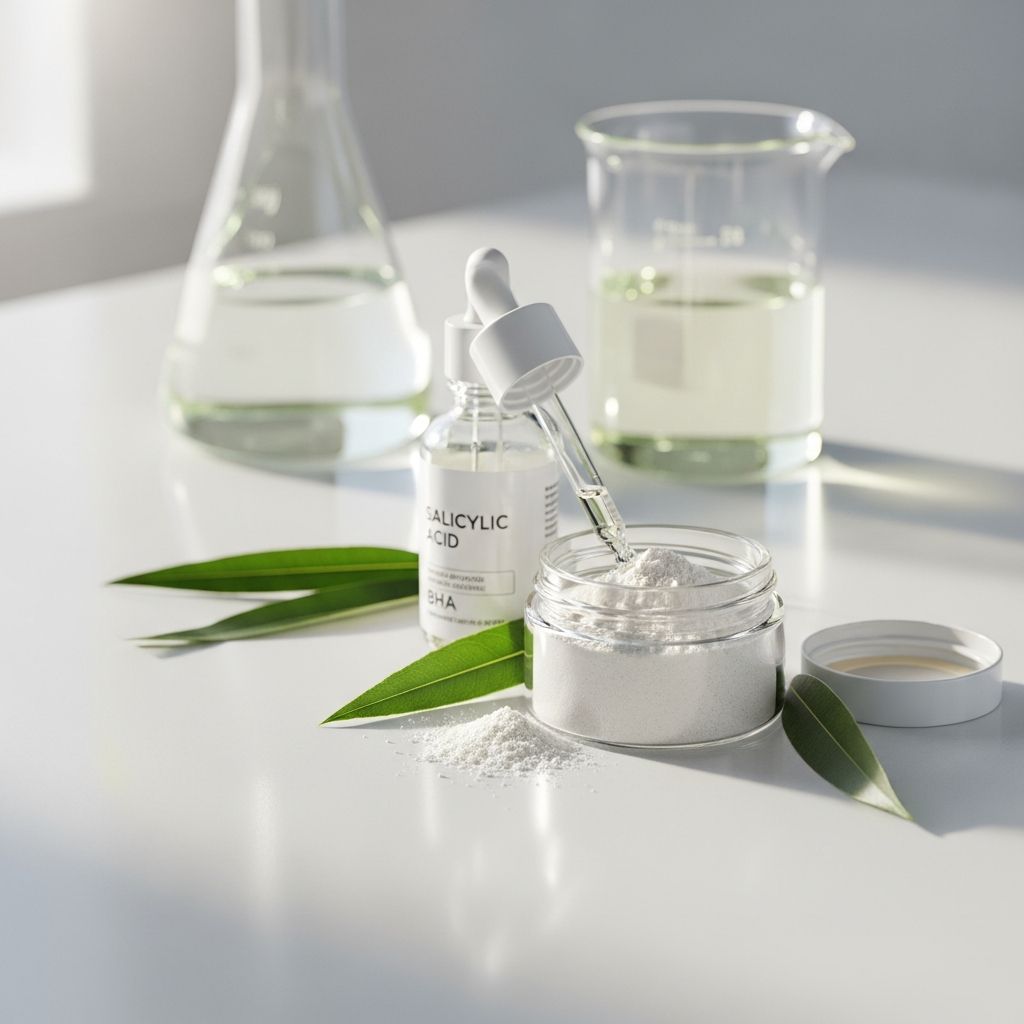
What is Salicylic Acid?
Salicylic acid is a beta-hydroxy acid (BHA) that has been used topically for more than 2,000 years in skincare and dermatological treatments. It belongs to a group of medications called salicylates and is one of the most widely recognized active ingredients in over-the-counter skin products. Salicylic acid works by penetrating the outermost layers of the skin and breaking down the attachments between skin cells, facilitating the skin’s natural exfoliation process.
The chemical structure of salicylic acid makes it uniquely effective at dissolving oils and debris within pores, making it particularly valuable for managing oily and acne-prone skin types. Unlike some other acids, salicylic acid is oil-soluble, allowing it to penetrate deeper into pores than water-soluble ingredients.
How Salicylic Acid Works
Salicylic acid functions through several complementary mechanisms in the skin. Oil solubility is one of its most important properties—it dissolves excess sebum (oil) that accumulates in pores, which is a primary contributor to acne formation. The ingredient works by breaking down the bonds between keratinocytes (skin cells) that form the upper layer of the skin, gently removing the dull, dead layer without requiring mechanical exfoliation that may irritate sensitive skin types.
Beyond exfoliation, salicylic acid also decreases inflammation and promotes skin cell turnover, which prevents clogged pores and loosens dry, scaly skin. This multi-action approach makes it particularly effective for various skin conditions beyond acne, including psoriasis, dandruff, and seborrheic dermatitis.
Primary Benefits of Salicylic Acid
1. Deep Cleansing and Pore Clarification
One of the most significant benefits of salicylic acid is its ability to deep clean the skin and clear clogged pores. For individuals suffering from oily skin and excess sebum production, salicylic acid provides an effective solution by dissolving the oils that build up in pores and cause impurities. Regular use of salicylic acid products—such as daily face washes or gentle scrubs—helps maintain clear pores and prevents the formation of pimples, blackheads, and whiteheads.
2. Acne Prevention and Control
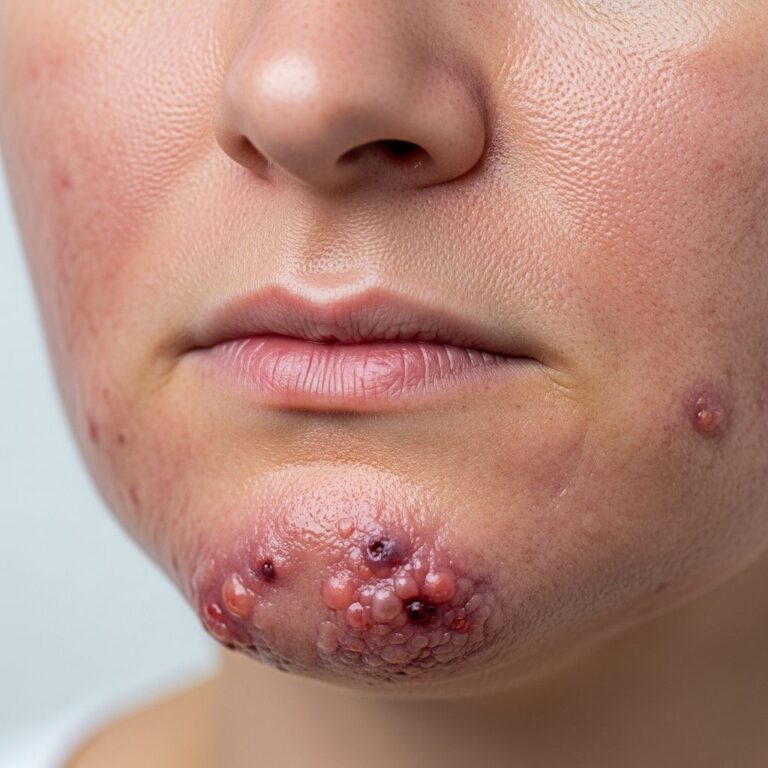
Acne develops when oil and dead skin cells clog hair follicles, creating an environment for bacterial growth and inflammation. Salicylic acid reduces the chances of future breakouts through regular use by keeping pores clear and preventing the accumulation of comedogenic material. Additionally, its anti-inflammatory properties help protect the skin from *Cutibacterium acnes* (formerly *Propionibacterium acnes*), the primary acne-causing bacterium. Clinical evidence indicates that salicylic acid works best for mild acne, particularly blackheads and whiteheads, and can help prevent the formation of new lesions.
3. Chemical Exfoliation
Salicylic acid acts as a mild exfoliator at typical concentrations used in skincare products, and as a more potent peeling agent in higher concentrations. Unlike physical or mechanical exfoliation, which can irritate sensitive skin, salicylic acid gently removes the dull outer layer of skin through chemical action. This process allows new, healthy skin cells to surface, resulting in a smoother, more radiant complexion. All skin types benefit from the improved radiance that follows chemical exfoliation, particularly dull or congested skin.
4. Acne Scar Reduction
By removing old and dead skin cells from the skin’s surface, salicylic acid helps reduce the appearance of acne scars. The ingredient promotes skin healing and improves skin texture by reducing skin flaking and helping to fade darkened or harsh skin spots that remain where pimples have healed. Over time, consistent use can significantly improve the appearance of mild scarring.
Related Stories



5. Age Spot and Hyperpigmentation Treatment
Salicylic acid helps reduce the signs of aging by removing pigmented and dead skin cells from the skin’s surface layer. As these damaged cells are shed, new skin cells take their place, reducing the visible appearance of age spots and giving the skin a more youthful, even-toned appearance. This benefit makes salicylic acid valuable for addressing photoaging and other pigmentation concerns.
Skin Conditions Treated with Salicylic Acid
Beyond acne, salicylic acid is used to manage a variety of skin conditions:
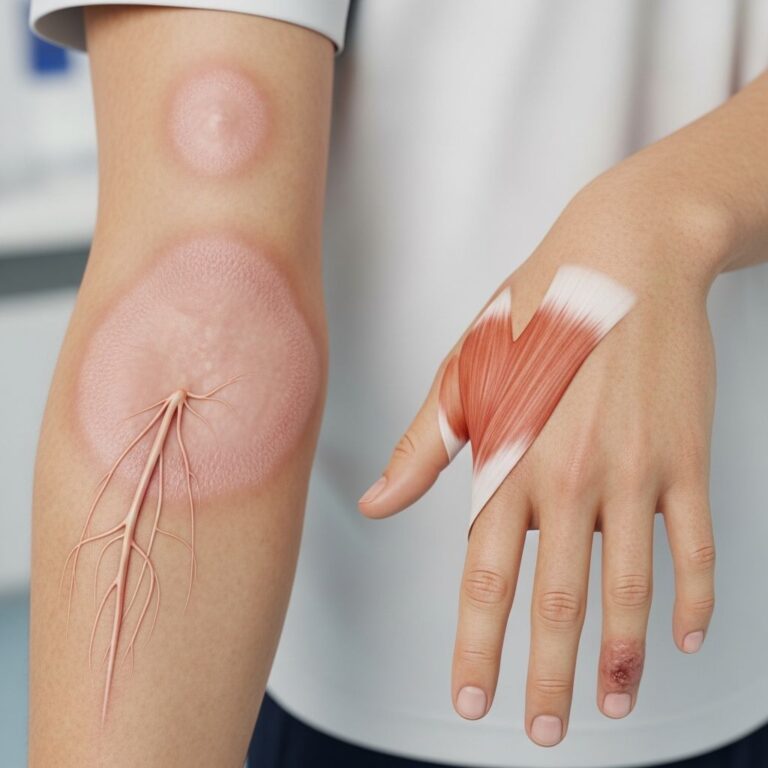
- Psoriasis: Salicylic acid loosens dry, scaly skin, making it easier to remove and reducing the appearance of plaques.
- Dandruff and seborrheic dermatitis: The ingredient helps reduce scaling and flaking on the scalp and skin.
- Warts and calluses: Salicylic acid works by sloughing off the skin surrounding these growths, helping to reduce their size over time.
- Corns: Similar to its action on warts, salicylic acid helps remove dead skin buildup associated with corns.
- Keratosis pilaris: The exfoliating properties of salicylic acid help smooth the bumpy texture associated with this common condition.
Best Suited Skin Types
Acne-prone and oily skin benefit most from salicylic acid due to its oil-soluble nature and pore-unclogging properties. The ingredient is particularly effective for individuals with excess sebum production, as it helps regulate oil levels. Salicylic acid is also beneficial for rough or bumpy skin texture and keratosis pilaris-prone skin.
However, dry and sensitive skin types should use salicylic acid in moderation or as specifically directed. Some individuals with sensitive skin may experience dryness and irritation, although this largely depends on the product formulation and concentration used. Many skincare brands assume sensitive skin is dry and flaky rather than considering that sensitivity can occur alongside oiliness, making it challenging to address both concerns simultaneously.
Product Formats and Applications
Salicylic acid is available in numerous over-the-counter formats, allowing for flexible incorporation into skincare routines:
- Facial cleansers and washes
- Acne spot treatments and serums
- Face masks and peels
- Moisturizers and toners
- Topical wart and psoriasis treatments
- Dandruff shampoos and scalp treatments
- Body products for rough skin and keratosis pilaris
Products formulated for facial use are typically non-comedogenic and lightweight, ensuring they won’t clog pores while treating breakouts. For leave-on products designed to manage breakouts, ensuring lightweight, non-comedogenic formulations is particularly important.
Usage Guidelines and Efficacy Timeline
The form and dosage of salicylic acid in a skincare product determine how frequently it should be applied. Most over-the-counter products are formulated for daily use, though some individuals may need to reduce frequency if experiencing excessive dryness or irritation.
Results timeline: It typically takes several weeks of consistent use to notice the full effects of salicylic acid. If you aren’t seeing improvements after 6 weeks of daily use, consult with a dermatologist to discuss alternative treatments or higher-concentration options. Professional-strength salicylic acid peels may provide faster results for more stubborn acne or hyperpigmentation concerns.
Combination Treatments
Salicylic acid can be effectively combined with other skincare ingredients to enhance results. Retinol and retinoids can be used alongside salicylic acid, with retinol helping to reduce inflammatory acne lesions. However, when combining these potent ingredients, it’s important to introduce them gradually and monitor for excessive dryness or irritation. Starting with alternate-day use or using them in different morning/evening routines can help minimize irritation while maximizing efficacy.
Important Safety Considerations
While salicylic acid is generally well-tolerated when used as directed, certain precautions are necessary. Do not use salicylic acid on sensitive areas of the body, such as the genitals. If you experience any difficulty breathing, facial swelling, or throat tightness after using a salicylic acid product, stop immediately and seek medical attention.
Individuals with very sensitive skin should perform a patch test before incorporating salicylic acid into their routine and start with lower concentrations or reduced frequency. Pregnant individuals should consult with their healthcare provider before using salicylic acid products.
Concentration Levels and Effectiveness
The concentration of salicylic acid in a product affects both its strength and appropriate use:
- 0.5%-2%: Typical range for daily-use skincare products suitable for regular cleansing and maintenance
- Higher concentrations: Professional-strength peels (up to 30%) used for treating acne, acne scars, age spots, and melasma
Higher concentrations are typically applied by dermatologists or in professional settings and may require specific aftercare instructions.
Frequently Asked Questions
Q: Is salicylic acid good for all skin types?
Salicylic acid is best suited for acne-prone, oily, and rough skin types. Dry and sensitive skin should use it in moderation or as directed. If you have sensitive skin prone to both oiliness and irritation, choose formulations specifically designed for sensitive skin with lower concentrations.
Q: How long does it take to see results from salicylic acid?
Most people notice improvements within 2-4 weeks of consistent daily use, though full results may take 6 weeks or longer. If you don’t see improvement after 6 weeks, consult a dermatologist about alternative treatments or stronger formulations.
Q: Can salicylic acid be used on the face?
Yes, salicylic acid is highly beneficial for facial use due to its exfoliating and non-comedogenic properties. It can be used daily as part of your skincare routine in appropriately formulated products designed for facial use, including around the delicate eye area when formulated accordingly.
Q: What should I do if salicylic acid causes irritation?
If you experience excessive dryness, redness, or irritation, reduce the frequency of use (e.g., from daily to every other day) or lower the concentration. Ensure you’re using a good moisturizer and sunscreen. If irritation persists, discontinue use and consult a dermatologist.
Q: Can I use salicylic acid with other acne treatments?
Salicylic acid can be combined with other treatments, including retinoids and benzoyl peroxide, though careful introduction is important. Consider using them at different times of day or alternating days to minimize irritation while maximizing effectiveness.
Q: Is salicylic acid suitable for cystic acne?
Salicylic acid works best for mild acne (blackheads and whiteheads) and comedonal acne. Cystic acne typically requires professional treatment. Consult a dermatologist if you have severe or cystic acne, as oral medications or other interventions may be necessary.
References
- 5 Benefits of Salicylic Acid — Neutrogena ME. Accessed January 2026. https://www.neutrogena-me.com/beauty-and-skincare-tips/skincare/five-benefits-of-salicylic-acid
- Salicylic acid: benefits, uses and side effects for skin — CVS Health. Accessed January 2026. https://www.cvs.com/learn/beauty/skin-care/salicylic-acid-benefits
- Salicylic Acid benefits for sensitive skin — Pai Skincare US. Accessed January 2026. https://www.paiskincare.us/blogs/guides/salicylic-acid-benefits
- What is Salicylic Acid (BHA): Benefits & FAQs — CeraVe Australia. Accessed January 2026. https://www.cerave.com.au/skin-care-ingredients/salicylic-acid
- Salicylic Acid: Uses, Brands & Interactions — Cleveland Clinic. Accessed January 2026. https://my.clevelandclinic.org/health/drugs/20341-salicylic-acid-topical-gel-cream-lotion-solution
- Salicylic Acid for Acne: Benefits, Dosages, and Side Effects — Healthline. Accessed January 2026. https://www.healthline.com/health/skin/salicylic-acid-for-acne
- Salicylic acid explained: benefits and how to use — Holland & Barrett. Accessed January 2026. https://www.hollandandbarrett.com/the-health-hub/conditions/skin-health/oily-skin/4-benefits-of-salicylic-acid/
Similar Articles








Read full bio of Sneha Tete