Salicylic Acid Topical Gel, Cream, Lotion & Solution: Uses, Benefits & Precautions
Comprehensive guide on salicylic acid topical treatments for acne, psoriasis, warts, and skin health.
What is Salicylic Acid?
Salicylic acid is a topical medication commonly used to treat a variety of skin conditions, including acne, psoriasis, dandruff, warts, calluses, and corns. It belongs to the class of medications known as salicylates and functions by decreasing inflammation, promoting the natural turnover of skin cells, and dissolving the protein bonds between dead skin cells. This process prevents clogged pores and loosens dry, scaly skin, making it easier to remove. Salicylic acid is available in various forms such as gels, creams, lotions, and solutions.
How Does Salicylic Acid Work?
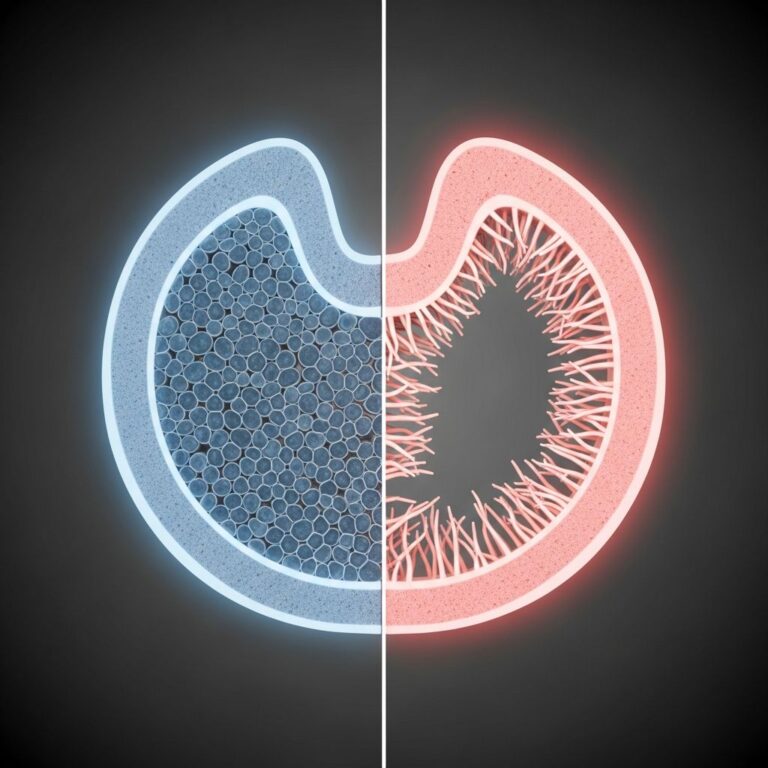
Salicylic acid acts primarily as an exfoliant. It is a beta hydroxy acid (BHA) and a desmolytic agent, which means it dissolves the ‘glue’ that holds dead skin cells together, rather than dissolving the cells themselves. This property facilitates the shedding of dead skin cells and prevents buildup on the skin’s surface. By doing so, it keeps pores clear of blockages, which can reduce acne, blackheads, and whiteheads.
Additionally, salicylic acid has anti-inflammatory properties that help to reduce redness, swelling, and irritation associated with acne and other inflammatory skin conditions. Its ability to promote skin cell turnover also helps improve skin texture and can diminish the appearance of age spots, scars, and other blemishes.
Uses of Salicylic Acid
Salicylic acid is used topically to treat multiple skin disorders. These include:
- Acne: Helps unclog pores, reduce oiliness, exfoliate dead skin cells, and decrease inflammation associated with acne breakouts.
- Psoriasis: Loosens and removes scaly skin patches typical of psoriasis.
- Dandruff and Seborrheic Dermatitis: Helps remove flakes and reduce scalp inflammation.
- Warts: Especially common warts and plantar warts, by softening and breaking down the thickened skin.
- Calluses and Corns: Helps soften and remove thickened, hardened skin.
Forms and Strengths
Salicylic acid is available over the counter in multiple topical forms including gels, creams, lotions, and solutions. The strength of the preparation depends on the specific condition being treated and the formulation used. Higher concentrations are often used for wart and callus treatment, while lower concentrations are typical for acne and skin exfoliation.
Benefits of Salicylic Acid
- Deep Pore Cleansing: Being oil-soluble, salicylic acid penetrates deep into pores to dissolve excess oils and impurities, effectively cleaning clogged pores.
- Exfoliation: Gently removes dead skin cells to reveal fresher, brighter skin and improve texture without harsh mechanical scrubbing.
- Acne Treatment and Prevention: Controls oil production, prevents formation of new acne lesions, and calms inflammation associated with breakouts.
- Reduction of Blackheads and Whiteheads: Unblocks pores to reduce the appearance and formation of blackheads and whiteheads.
- Balances Excess Oil Secretion: Helps regulate sebum production leading to less oily skin and a more balanced complexion.
- Reduces Redness and Swelling: Anti-inflammatory effects relieve redness and irritation.
- Minimizes Enlarged Pores: Keeps pores clear, which reduces their visible size for a smoother skin appearance.
- Improves Appearance of Acne Scars and Age Spots: Facilitates skin renewal to reduce post-acne marks and signs of photodamage.
How to Use Salicylic Acid Topical Products
Use salicylic acid topical products as directed by the product label or your healthcare provider. Common guidelines include:
- Cleanse the targeted area before application.
- Apply a thin layer of the medication to the affected area, avoiding surrounding sensitive skin and sensitive body parts like genitals.
- Use the product regularly, commonly once or twice daily, but start slowly if you have sensitive skin to prevent irritation.
- Avoid using multiple salicylic acid products simultaneously to reduce risk of skin dryness or irritation.
- Apply sunscreen daily, as salicylic acid can increase skin sensitivity to sunlight.
Precautions and Warnings
Related Stories



- Do not apply salicylic acid to broken, raw, or irritated skin as it may cause severe irritation.
- Avoid contact with eyes, mouth, and mucous membranes. Rinse thoroughly with water if contact occurs.
- Use cautiously on sensitive areas such as the face—avoid eyelids, inside the nose, and the genital area.
- Stop using the medication and seek emergency medical help if you experience symptoms like difficulty breathing, facial swelling, or throat tightness, which could indicate an allergic reaction.
- Consult your healthcare provider before using salicylic acid products if you are pregnant, breastfeeding, or have a history of allergies to aspirin or other salicylates.
Possible Side Effects
Common side effects may include mild skin irritation, redness, dryness, burning sensation, or peeling at the application site. These effects are generally temporary and improve as the skin adjusts to the medication. If irritation worsens or persistent discomfort occurs, discontinue use and consult a doctor.
Who Should Use Salicylic Acid?
- Individuals with oily or acne-prone skin looking for a medicated exfoliant.
- Those managing psoriasis, dandruff, or seborrheic dermatitis for symptom relief.
- People with warts, calluses, or corns seeking treatment to soften and remove thickened skin.
- Anyone seeking to improve skin texture, tone, and reduce blackheads and whiteheads.
Who Should Avoid Salicylic Acid?
- People with allergies to salicylates or aspirin should avoid use.
- Individuals with very sensitive or broken skin should avoid or use cautiously.
- Children and infants, unless specifically prescribed by a healthcare provider.
- Pregnant or breastfeeding women should seek medical advice before use.
Frequently Asked Questions (FAQs)
Can I use salicylic acid daily?
Yes, but it depends on your skin type and product concentration. For oily or acne-prone skin, daily use is often safe. However, if you have sensitive skin, it’s advisable to start with 2-3 times weekly and gradually increase if tolerated.
Will salicylic acid make my skin dry?
Salicylic acid may cause some dryness or peeling, particularly when you first start using it. This effect usually decreases as your skin adjusts. Using a moisturizer can help alleviate dryness.
Is salicylic acid safe for use on the face?
Yes, but avoid sensitive areas like eyes, lips, and mucous membranes. Use formulations meant for facial skin and start with lower concentrations to assess tolerance.
Can salicylic acid treat warts?
Yes, salicylic acid is commonly used to treat common and plantar warts by softening and gradually removing the thickened skin.
How does salicylic acid compare with other acne treatments?
Salicylic acid uniquely penetrates oily pores due to its oil solubility, making it particularly effective at unclogging pores. Unlike benzoyl peroxide, it also has exfoliating properties and reduces inflammation gently.
Summary Table: Salicylic Acid Uses and Considerations
| Condition | Purpose | Typical Concentration | Usage Notes |
|---|---|---|---|
| Acne | Unclogs pores, reduces oil, exfoliates dead skin | 0.5% – 2% | Use daily or as tolerated, avoid sensitive areas |
| Psoriasis | Removes scales and softens plaques | 3% – 6% | Apply carefully, avoid broken skin |
| Warts | Softens and removes thickened skin | 10% – 40% | Apply directly on wart, often under occlusion |
| Calluses/Corns | Softens hardened skin | 10% – 40% | Apply to affected areas, careful with surrounding skin |
Important Tips for Safe and Effective Use
- Introduce salicylic acid slowly into your skincare routine to monitor skin reaction.
- Always do a patch test before widespread application, especially if you have sensitive skin.
- Use sunscreen daily when using salicylic acid as it can increase sun sensitivity.
- Do not combine multiple peeling or exfoliating products to prevent excessive irritation.
- Consult a healthcare provider or dermatologist if you have questions about appropriate use or side effects.
References
- Salicylic acid topical route — Mayo Clinic. 2024-01-15. https://www.mayoclinic.org/drugs-supplements/salicylic-acid-topical-route/description/drg-20066030
- Salicylic Acid: Uses, Brands & Interactions — Cleveland Clinic. 2025-04-10. https://my.clevelandclinic.org/health/drugs/20341-salicylic-acid-topical-gel-cream-lotion-solution
- Salicylic acid: benefits, uses and side effects for skin — CVS. 2024-07-22. https://www.cvs.com/learn/beauty/skin-care/salicylic-acid-benefits
- 5 Benefits of Salicylic Acid — Neutrogena. 2023-12-05. https://www.neutrogena-me.com/beauty-and-skincare-tips/skincare/five-benefits-of-salicylic-acid
- The Skin Benefits and Uses of Salicylic Acid — Kiehl’s. 2024-02-18. https://www.kiehls.com/skincare-advice/salicylic-acid-benefits.html
Similar Articles








Read full bio of medha deb