Saline Nasal Solutions: Uses, Benefits & Application
Discover how saltwater nasal treatments can relieve congestion and support respiratory health naturally.
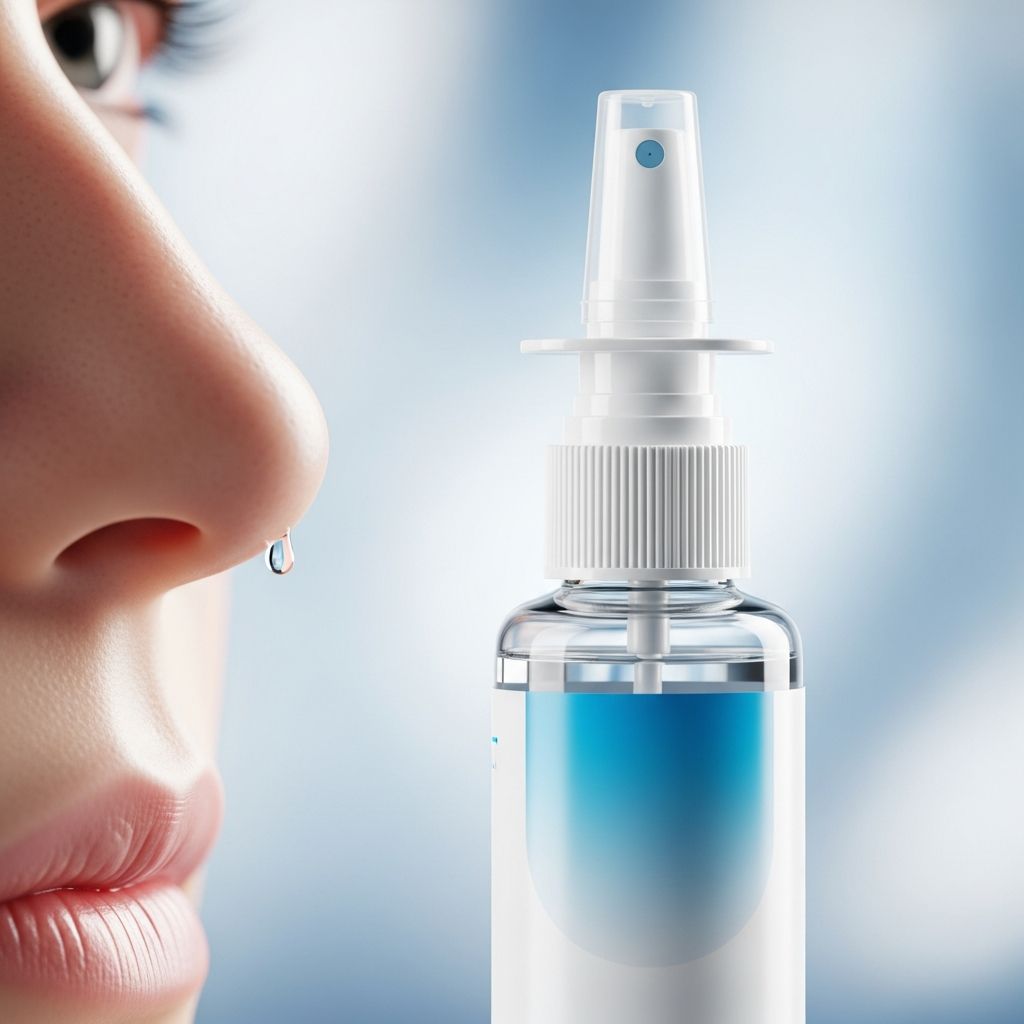
Saline nasal solutions represent one of the most straightforward yet effective approaches to managing nasal discomfort and congestion. Composed simply of salt (sodium chloride) dissolved in water, these non-medicated formulations offer a gentle alternative to pharmaceutical interventions for various nasal complaints. Unlike decongestant sprays or steroid-based treatments, saline solutions work through physical rather than chemical mechanisms, making them suitable for regular use without risk of dependency or tissue damage.
The Fundamental Mechanics of Saline Treatment
Understanding how saline solutions function within the nasal cavity helps explain their widespread therapeutic application. When nasal congestion develops, the mucous membranes lining your nasal passages become inflamed and swollen, trapping excess mucus that restricts airflow. Environmental irritants including pollen, dust, pet dander, and air pollutants accumulate on the nasal lining, contributing to further inflammation and discomfort.
Saline solutions address these issues through multiple pathways. The saltwater mixture works to thin thickened mucus, making it easier for your body to clear accumulated secretions naturally. Simultaneously, the solution moisturizes the delicate tissues inside your nasal passages, counteracting the drying effects that often accompany congestion or exposure to dry air. By flushing out the nasal passages, saline also physically removes particulates and irritants that triggered the inflammatory response in the first place.
Primary Health Conditions Addressed by Saline Solutions
Saline nasal treatments demonstrate effectiveness across a spectrum of common nasal and sinus complaints. Their safety profile and lack of active pharmaceutical ingredients make them appropriate for addressing multiple conditions either independently or as complementary therapy alongside other treatments.
- Allergic Rhinitis: Seasonal and year-round allergies cause nasal passage inflammation as the immune system reacts to airborne allergens. Saline solutions help by mechanically removing pollen, mold spores, and dust mites from nasal tissues, while also reducing inflammation through moisturization. Many individuals find that using saline rinses during high pollen periods or immediately upon returning indoors significantly diminishes allergy symptoms throughout the day.
- Common Cold and Influenza: Viral upper respiratory infections predictably cause nasal congestion, excessive mucus production, and sinus pressure. Saline solutions ease these symptoms by loosening secretions and improving drainage, allowing clearer breathing during recovery. The moisturizing properties also soothe irritated tissues damaged by persistent congestion and nasal blowing.
- Acute Sinusitis: When sinus cavities become infected or inflamed, thick mucus becomes trapped behind swollen tissue. Saline irrigation helps thin this mucus, promoting drainage and reducing sinus pressure. Clinical evidence demonstrates that regular saline irrigation improves symptom resolution in acute sinusitis cases, with effectiveness rates suggesting significant improvements in nasal obstruction and overall comfort.
- Chronic Nasal Dryness: Dry indoor heating during winter months, air travel, and certain environmental conditions deplete moisture from nasal passages, causing irritation, crusting, and discomfort. A saline mist rapidly restores moisture to these tissues, providing immediate relief and supporting healthier mucosal function.
- Epistaxis Management: Individuals prone to nosebleeds, particularly those resulting from chronically dry nasal passages, benefit from regular saline spray application. By maintaining adequate moisture in nasal tissues, daily use reduces the fragility that leads to spontaneous bleeding.
- Post-Surgical Care: Following nasal or sinus procedures, saline irrigation supports healing by keeping the surgical site clean and well-hydrated while removing debris and secretions that might impede recovery.
Distinct Delivery Methods and Their Applications
Saline nasal solutions come in various delivery formats, each offering specific advantages depending on intended use and personal preference. Understanding these differences helps guide appropriate selection for individual circumstances.
Spray Formulations: Metered-dose saline sprays deliver a measured amount of solution with each activation. These are convenient for quick moisturizing applications and gentle cleansing, requiring minimal preparation or setup. Sprays work well for regular maintenance use and addressing mild congestion.
Rinse Systems: Larger-volume saline irrigation systems, including neti pots and squeeze bottles, enable more thorough nasal passage cleansing. These deliver significantly more solution than sprays, making them superior for flushing accumulated mucus, pollen, and debris from the entire nasal cavity. Rinses prove particularly effective for serious congestion or post-pollen exposure cleansing.
Related Stories



Drop Formulations: While less commonly used than sprays or rinses, saline drops offer precise delivery to specific nasal areas and are sometimes preferred by individuals with particular sensitivity to spray pressure.
Proper Application Techniques for Optimal Results
Effective use of saline nasal solutions requires understanding the correct methodology for each delivery system. Improper application reduces efficacy and may cause discomfort.
Spray Application Method
For moisturizing dry nasal passages, insert the nozzle gently into one nostril while keeping your head upright. Activate the spray with 1-3 short, gentle bursts, allowing the mist to settle into nasal tissues. Repeat with the opposite nostril. This approach works well for daily maintenance and preventing dryness.
For more thorough irrigation using spray bottles, tilt your head to the side over a sink. Insert the nozzle into the upper nostril and activate the spray, allowing saline to flow through your nasal passages and exit from the lower nostril. Continue until the nasal passages feel clear and excess fluid drains away. Repeat on the opposite side. This technique requires some practice but delivers excellent cleansing.
Rinse System Application
Rinse systems involve larger volumes and require more specific technique. Fill your irrigation device with appropriately warmed saline solution. Tilt your head forward and to one side over a sink. Insert the nozzle into the upper nostril and allow gravity to draw solution through the nasal passages, exiting from the lower nostril. Breathe through your mouth during this process. The procedure should feel comfortable rather than pressurized or painful.
Advantages Over Medicated Alternatives
While saline solutions offer simpler mechanisms than pharmaceutical nasal treatments, this simplicity translates to meaningful practical advantages. Non-dependency: Unlike decongestant sprays that cause rebound congestion with prolonged use, saline solutions can be used indefinitely without tolerance development or worsening of symptoms. Safety for sensitive populations: Saline solutions suit pregnant individuals, young children, and people taking multiple medications, as salt water poses minimal interaction risks. Cost-effectiveness: Salt and water cost considerably less than branded pharmaceutical sprays, making regular use economically feasible. Preservative sensitivity: Individuals with sensitivity to spray preservatives can select preservative-free saline formulations without sacrificing benefits.
Integrating Saline Solutions With Other Treatments
Saline solutions work synergistically with other nasal medications, particularly when proper sequencing is observed. Healthcare providers recommend using saline first when combining treatments. This preliminary rinse removes thick mucus and debris that would otherwise prevent subsequent medications from reaching affected tissues effectively. For example, when using nasal steroid sprays for allergy management, saline pretreatment allows the steroid to penetrate deeper into nasal tissues, enhancing therapeutic efficacy.
Clinical Evidence and Effectiveness
Research examining saline nasal treatment documents substantial symptom improvement across multiple conditions. Studies of sea salt-derived saline solutions in patients with acute upper respiratory infections showed effectiveness rates of 87.3% for nasal congestion and 85.9% for runny nose symptoms, compared to 59.7% and 61.1% respectively in control groups receiving standard supportive care. Beyond congestion relief, participants reported improved sleep quality and better appetite, suggesting systemic benefits from restored nasal function.
The safety profile proves consistently reassuring across studies. No adverse events emerge from appropriate saline use, and the solutions cause no tissue damage or mucosal irritation even with extended application. This excellent safety-to-benefit ratio makes saline solutions appropriate for daily use and long-term symptom management.
Selecting and Using Saline Solutions Effectively
When choosing saline products, consider concentration levels, preservative content, and delivery system. Standard isotonic saline (0.9% sodium chloride) matches the body’s natural salt concentration and suits most people. Hypertonic solutions (higher salt concentration) create additional drawing effects that some find particularly helpful for thick mucus, though they may cause mild stinging in sensitive individuals.
For those with preservative sensitivity, preservative-free options packaged in single-dose vials or spray bottles with special designs prevent contamination without chemical additives. Purchasing preservative-free solutions, while slightly more expensive, often proves worthwhile for regular users experiencing irritation from standard formulations.
Consistency matters significantly in achieving benefits, particularly for allergy management and chronic congestion. Regular twice-daily application often proves more effective than sporadic heavy use. During high-pollen seasons or illness, increasing frequency to three or four daily applications enhances symptom control.
Special Considerations and Best Practices
Temperature affects comfort during application. Using room-temperature or slightly warmed saline feels more pleasant than cold solution, which can cause nasal passages to constrict reflexively. If you make homemade saline, allow it to cool to appropriate temperature before use.
For children, saline solutions offer particular advantages due to their complete safety. Gentle spray bottles designed for pediatric use deliver appropriate volumes without excessive pressure. Teaching children proper technique from an early age establishes beneficial habits for managing seasonal congestion and post-cold recovery.
Individuals with perforated eardrums should avoid irrigation systems that create excessive pressure, as this could force solution into the middle ear. Spray applications work safely for these individuals, though consultation with an ear specialist helps determine safest approaches.
Frequently Asked Questions
How quickly do saline solutions provide relief?
Most individuals notice symptom improvement within minutes of application, with effects developing as the solution moisturizes tissues and begins clearing mucus. Maximum benefit typically emerges after several consecutive daily applications as accumulated irritants and thick mucus clear away.
Can saline solutions be used during pregnancy?
Yes. Saline solutions contain no active pharmaceutical ingredients and pose no risks to developing fetuses, making them ideal for pregnant individuals managing congestion and allergies without medication exposure.
What age can children begin using saline solutions?
Saline solutions suit infants and children of all ages. For very young children, drops or gentle spray bottles designed for pediatric use work best. Parents should avoid creating excessive pressure that could force solution into ear passages.
Is homemade saline as effective as commercial products?
Properly prepared homemade saline solutions using sterile water and pharmaceutical-grade salt match commercial products in efficacy. However, sterility matters critically—contaminated solutions could introduce pathogens into nasal passages. Many prefer commercial products for guaranteed sterility and proper concentration.
Should saline be used before or after other nasal sprays?
Always use saline first. This clears the nasal passages, allowing subsequent medications to contact affected tissues directly. Wait several minutes between applications to allow the saline to drain.
Conclusion
Saline nasal solutions represent a fundamental therapeutic tool for managing diverse nasal conditions through simple, safe mechanisms. Whether addressing seasonal allergies, cold symptoms, sinus congestion, or environmental dryness, these saltwater formulations support nasal health without the risks associated with medicated alternatives. Their compatibility with other treatments, affordability, and documented effectiveness make them appropriate for regular use as either primary therapy or supplementary care. Understanding proper application techniques and selecting appropriate delivery systems ensures individuals maximize the benefits these straightforward yet powerful solutions provide.
References
- Saline Nasal Spray: A Natural Alternative — Walgreens Health Blog. https://blog.walgreens.com/health/allergy/saline-nasal-spray-a-natural-alternative.html
- What Is Saline Nasal Spray and What Is It Used For? — SUDAFED. https://www.sudafed.com/know-your-congestion/what-is-saline-spray
- Natural Allergy Relief: Saline Nasal Sprays — WebMD. https://www.webmd.com/allergies/saline-spray
- Efficacy and Safety of Sea Salt-Derived Physiological Saline Nasal Spray Device in Patients with Acute Upper Respiratory Infection — National Center for Biotechnology Information (NCBI), PubMed Central. PMC8122848. https://pmc.ncbi.nlm.nih.gov/articles/PMC8122848/
- Saline Solution: What It Is, Types & Uses — Cleveland Clinic. https://my.clevelandclinic.edu/health/treatments/saline-solution
- The Benefits of Daily Nasal Sprays — Midwest ENT. https://www.midwestearnosethroat.com/blog/503637-the-benefits-of-daily-nasal-sprays/
- Using Nasal Spray the Right Way — Carilion Clinic. https://www.carilionclinic.org/health-and-wellness/article/using-nasal-spray-right-way
Similar Articles








Read full bio of medha deb