Salmon Benefits: 10 Science-Backed Health Gains
Discover the impressive health benefits of salmon, from heart and brain health to glowing skin and strong immunity.
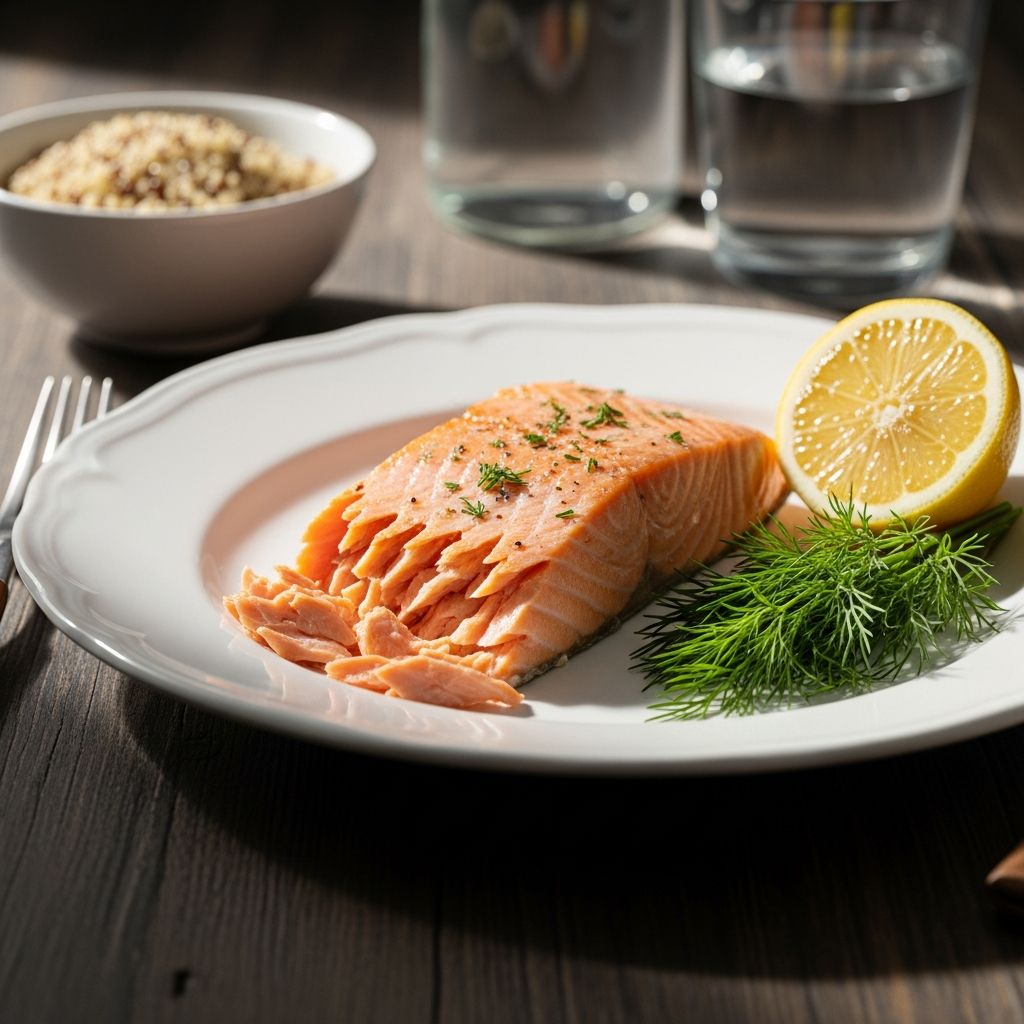
Salmon, a nutrient-dense fatty fish, offers a wide array of health benefits backed by its rich profile of omega-3 fatty acids, high-quality protein, vitamins, and minerals. Regular consumption supports cardiovascular wellness, cognitive function, joint mobility, vision, skin vitality, and immune resilience, making it an essential addition to a balanced diet.
Nutrition Facts
A typical 3-ounce serving of cooked farmed salmon delivers approximately 177 calories, 19 grams of protein, 10 grams of fat (including beneficial omega-3s), and essential micronutrients like vitamin D, selenium, B vitamins, potassium, and phosphorus. Wild-caught salmon offers slightly fewer calories and more protein per serving, with both types low in mercury compared to other fish.
- Key Nutrients: Omega-3 fatty acids (EPA and DHA), astaxanthin (antioxidant), vitamin D (over 50% daily value), selenium (75-85% daily value), B12, niacin, and phosphorus.
- Farmed vs. Wild: Farmed provides more omega-3s; wild has higher protein density and fewer contaminants in some cases.
These nutrients make salmon a powerhouse for overall health, surpassing many other protein sources in bioavailability and anti-inflammatory effects.
1. Heart Health
Salmon’s omega-3 fatty acids are renowned for protecting the heart by reducing inflammation, lowering blood pressure, decreasing triglycerides, and minimizing bad cholesterol (LDL) levels. Studies link regular intake—such as two servings weekly—to a lower risk of cardiovascular disease, stroke prevention via reduced clot formation, and overall cardiac protection, especially in Mediterranean-style diets.
Experts recommend eating salmon twice a week to leverage these benefits, as the EPA and DHA directly combat arterial plaque buildup and hypertension.
2. Brain Health
The omega-3s in salmon, particularly DHA, are vital for brain structure and function, supporting cognitive performance, memory, and learning via the hippocampus. Regular consumption may slow cognitive decline, reduce Alzheimer’s risk, and enhance anti-inflammatory effects that protect against age-related brain deterioration.
Research indicates even one weekly serving correlates with better mental acuity and lower dementia progression rates.
3. Mental Health
Beyond cognition, salmon aids mental well-being through omega-3s and high vitamin D content, which regulate mood, sleep, and depression risk. The FDA-endorsed two fish servings weekly show associations with reduced depression, particularly in women, due to vitamin D’s role in serotonin production.
4. Muscle Mass
Combining complete protein with omega-3s, salmon promotes muscle growth and maintenance. Two weekly servings can significantly boost muscle mass, ideal for active lifestyles, weight management, and preventing sarcopenia in aging populations.
5. Cancer Risk Reduction
Salmon’s antioxidants like astaxanthin and selenium offer protective effects against colorectal cancer and others by neutralizing free radicals and reducing oxidative stress. While no food prevents cancer alone, salmon’s profile enhances cellular defense mechanisms.
6. Bone Health
Vitamin D in salmon facilitates calcium absorption, strengthening bones and preventing osteoporosis. One serving meets over half the daily vitamin D needs, crucial for skeletal integrity alongside its phosphorus content.
Related Stories



7. Joint Health
Anti-inflammatory omega-3s alleviate rheumatoid arthritis symptoms, improve flexibility, and reduce joint pain. Vitamin D further bolsters bone-joint strength, making salmon a go-to for mobility as we age.
8. Eye Health
Rich in vitamin A and antioxidants, salmon combats oxidative stress, preserving vision and lowering age-related macular degeneration risk. These nutrients shield retinal cells, promoting long-term eye wellness.
9. Skin Health
Omega-3s maintain skin hydration, elasticity, and suppleness, while antioxidants fight aging signs like wrinkles. Regular intake yields smoother, more youthful skin as an internal beauty booster.
10. Immune Support
Selenium and vitamins in salmon enhance thyroid function, provide antioxidant protection, and fortify immunity against oxidative damage and infections.
How Much Salmon Should You Eat?
The FDA advises two 3-4 ounce servings of low-mercury fish like salmon weekly for optimal benefits without excess. This equates to about 8-12 ounces total, balancing nutrient intake with sustainability concerns.
| Serving Size | Frequency | Benefits Maximized |
|---|---|---|
| 3 oz cooked | 2x/week | Heart, brain, muscle |
| 4-6 oz | 1-2x/week | Full nutrient profile |
Health Risks of Salmon
While overwhelmingly beneficial, risks include parasites or bacteria in raw/undercooked salmon; cook to 145°F for safety. Farmed varieties may have higher contaminants if not from reputable sources, but benefits outweigh risks for most when properly prepared. Opt for sustainable, traceable salmon.
Farmed vs. Wild Salmon
- Farmed: Higher omega-3s, more affordable, consistent supply; potential for antibiotics if low-quality.
- Wild: Leaner, richer in protein/minerals, lower contaminants; seasonal and pricier.
Both are nutritious; choose based on preference and source quality.
Is Canned Salmon Healthy?
Yes, canned salmon retains most benefits—omega-3s, protein, bones for calcium—making it a convenient, affordable option comparable to fresh.
5 Ways to Eat More Salmon
- Grilled or Baked: Season with herbs, lemon for simple heart-healthy meals.
- Salads: Flake over greens for protein-packed lunches.
- Salmon Burgers: Mix with oats for muscle-building patties.
- Smoked: Add to bagels or wraps for omega-3 boosts.
- Sushi/Sashimi: Fresh, high-quality only to minimize risks.
Frequently Asked Questions (FAQs)
What are the top health benefits of eating salmon?
Salmon boosts heart health, brain function, muscle mass, mental health, joint flexibility, eye and skin vitality, bone strength, and immunity via omega-3s, vitamin D, and selenium.
How much salmon should I eat per week?
Aim for two 3-4 ounce servings weekly, per FDA guidelines, to maximize benefits while minimizing risks.
Is farmed salmon as healthy as wild?
Both are healthy; farmed often has more omega-3s, wild more protein—choose sustainable sources.
Can I eat salmon raw?
Possible with sushi-grade, but cook fully to avoid parasites/bacteria; benefits are safest prepared.
Does canned salmon have the same benefits?
Yes, it provides comparable omega-3s, protein, and calcium from edible bones.
References
- Top Health Benefits of Eating Salmon — Mowi Salmon. Accessed 2026. https://mowisalmon.us/top-health-benefits-of-eating-salmon/
- 6 Reasons Why Salmon Is So Good for You — Cleveland Clinic. 2023-10-12. https://health.clevelandclinic.org/salmon-benefits
- Omega-3 Fatty Acids and Cardiovascular Disease — U.S. Food and Drug Administration (FDA). 2024. https://www.fda.gov/food/consumers/advice-about-eating-fish
- Vitamin D and Health — National Institutes of Health (NIH). 2025-02-15. https://ods.od.nih.gov/factsheets/VitaminD-HealthProfessional/
- Selenium Health Professional Fact Sheet — NIH Office of Dietary Supplements. 2024-11-01. https://ods.od.nih.gov/factsheets/Selenium-HealthProfessional/
Similar Articles








Read full bio of Sneha Tete