Salmonella Infection: 4 Essential Prevention Steps
Comprehensive insights into Salmonella: causes, symptoms, prevention, and treatment strategies for this common foodborne illness.
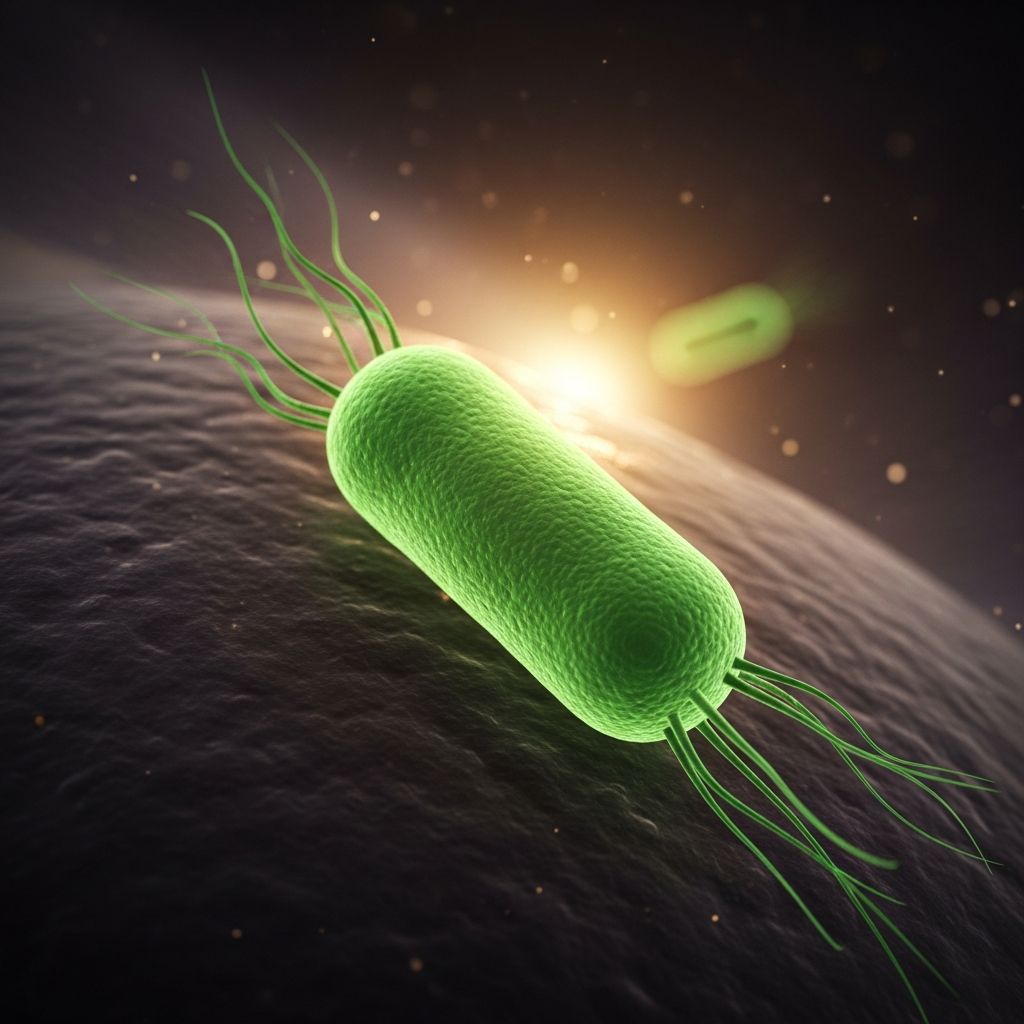
Salmonella bacteria represent one of the leading causes of foodborne diseases worldwide, affecting millions annually through contaminated food and water. These resilient microbes thrive in various environments, posing risks from farm to table.
The Nature of Salmonella Bacteria
Belonging to the Enterobacteriaceae family, Salmonella consists of gram-negative rods that are facultative anaerobes, meaning they can survive with or without oxygen. The genus includes two primary species: Salmonella bongori and Salmonella enterica, with over 2,500 serovars identified, primarily under S. enterica. These serovars differ in host specificity and disease severity; non-typhoidal serovars like Enteritidis and Typhimurium commonly cause gastroenteritis, while typhoidal ones such as Typhi lead to severe systemic infections.
Salmonella’s hardiness allows survival for weeks in dry conditions and months in water, enabling persistence on surfaces like produce or in frozen foods. For instance, certain strains endure up to 63 days on lettuce or 10 months in refrigerated cheese. This durability underscores the need for vigilant hygiene practices.
How Salmonella Spreads to Humans
Transmission occurs mainly via the fecal-oral route, with bacteria shedding from infected animals into the food chain. Common reservoirs include poultry, pigs, cattle, reptiles, amphibians, and pets like turtles, birds, cats, and dogs. Contaminated animal feed introduces Salmonella early, persisting through processing to consumer products.
Primary infection sources encompass:
- Undercooked meats, especially poultry and pork.
- Raw or unpasteurized eggs, milk, and dairy.
- Contaminated produce like sprouts, tomatoes, and melons due to irrigation with tainted water.
- Direct contact with infected animals or their environments, such as reptile tanks.
- Person-to-person spread in settings with poor handwashing, like childcare facilities.
Biofilm formation enhances spread, as Salmonella adheres to surfaces in kitchens, farms, and food plants, resisting sanitizers. Globally, food animals drive most cases, with household cross-contamination amplifying risks.
Recognizing Symptoms of Salmonella Infection
Infections, termed salmonellosis, typically manifest 6 to 72 hours post-exposure, varying by serovar and dose (often 103 to 105 bacteria). Non-typhoidal strains cause acute gastroenteritis: diarrhea (often bloody), fever, abdominal cramps, nausea, and vomiting lasting 4-7 days. Children under 5, elderly over 70, and immunocompromised individuals face higher risks of dehydration or bloodstream invasion.
Typhoidal Salmonella (e.g., Typhi) induces enteric fever after 3-60 days: prolonged high fever, headache, malaise, and potential complications like intestinal perforation. Rare manifestations include reactive arthritis, meningitis, or osteomyelitis. Asymptomatic carriage occurs, especially in gallbladders, perpetuating spread.
| Symptom | Common in Non-Typhoidal | Common in Typhoidal |
|---|---|---|
| Diarrhea | Yes (frequent, watery/bloody) | Less prominent |
| Fever | Yes (acute) | Yes (sustained high) |
| Abdominal Pain | Yes | Yes |
| Headache/Malaise | Sometimes | Yes (prominent) |
| Duration | 4-7 days | Weeks if untreated |
Risk Factors and Vulnerable Populations
Young children, seniors, pregnant individuals, and those with weakened immunity (e.g., HIV, cancer patients) suffer worse outcomes. High-risk exposures involve international travel to endemic areas, consuming raw/undercooked foods, or reptile contact. Outbreaks often trace to centralized food supplies like peanut butter or pet foods.
Globally, Salmonella claims ~155,000 deaths yearly, predominantly in low-resource settings lacking sanitation. In the U.S., ~1.35 million cases occur annually, with 26,500 hospitalizations.
Related Stories



Diagnosing a Salmonella Infection
Stool culture remains gold standard, isolating bacteria 1-3 days post-symptom onset; PCR assays offer faster detection. Blood cultures aid invasive cases. Serotyping and antimicrobial testing guide management, as resistance rises (e.g., to fluoroquinolones). Clinicians assess dehydration via clinical signs and labs (electrolytes, CBC).
Treatment Approaches for Salmonellosis
Most cases resolve with hydration: oral rehydration solutions for mild illness, IV fluids for severe dehydration. Antibiotics (e.g., ciprofloxacin, azithromycin) reserved for high-risk patients or bacteremia; unnecessary use risks resistance. Avoid anti-motility drugs, as they prolong bacterial shedding.
Supportive care suffices for 80-90% of non-typhoidal infections. Hospitalization rates climb with age extremes or comorbidities.
Preventing Salmonella: Key Strategies
Prevention hinges on “clean, separate, cook, chill”:
- Clean: Wash hands, surfaces, produce with soap/water or approved sanitizers (1:10 bleach, 70% ethanol).
- Separate: Avoid cross-contamination between raw meats and ready-to-eat foods.
- Cook: Heat poultry/beef to 165°F/74°C, eggs until yolks solidify.
- Chill: Refrigerate perishables promptly below 40°F/4°C.
Avoid raw/undercooked eggs/meats, unpasteurized products; steer clear of reptile/amphibian pets for young kids/immunocompromised. Travelers should choose cooked foods, bottled water. Farm-level interventions like vaccination, biosecurity reduce reservoir.
Salmonella in Animals and Public Health Impact
As zoonotic pathogens, Salmonella infects broad hosts: livestock, wildlife, pets. Serovars like Typhimurium exhibit wide host range, unlike host-restricted Typhi (humans only). Pets shed asymptomatically, infecting owners via handling. Control demands integrated efforts: surveillance, outbreak tracing, recalls.
Emerging Challenges: Resistance and Biofilms
Antibiotic resistance complicates therapy; virulence plasmids and islands (SPI-1, SPI-2) encode invasion/secretion systems aiding survival. Biofilms shield bacteria on surfaces, necessitating novel controls like bacteriophages or probiotics.
Frequently Asked Questions (FAQs)
Can Salmonella infections spread person-to-person?
Yes, via fecal-oral route if hygiene lapses, especially in daycare or hospitals.
How long does Salmonella last in the body?
Symptoms: 4-7 days; carriers may shed for weeks/months.
Is Salmonella killed by freezing?
No, it survives freezing; thorough cooking required.
Should I take antibiotics for Salmonella diarrhea?
Only if severe/invasive; consult a doctor.
Are pet turtles safe for children?
No, high risk; CDC advises against for kids under 5.
References
- Salmonella (non-typhoidal) — World Health Organization. 2023-02-22. https://www.who.int/news-room/fact-sheets/detail/salmonella-(non-typhoidal)
- Salmonella enterica spp. Biological Agent Reference Sheet (BARS) — Cornell University Environmental Health and Safety. Accessed 2026. https://ehs.cornell.edu/research-safety/biosafety-biosecurity/biological-safety-manuals-and-other-documents/bars-other/salmonella-enterica-spp
- Salmonellosis: An Overview of Epidemiology, Pathogenesis, and Prevention Strategies — PMC (NCBI). 2024. https://pmc.ncbi.nlm.nih.gov/articles/PMC10812683/
- Salmonella (Salmonellosis) — U.S. Food and Drug Administration. Accessed 2026. https://www.fda.gov/food/foodborne-pathogens/salmonella-salmonellosis
- Clinical Overview of Salmonellosis — Centers for Disease Control and Prevention. Accessed 2026. https://www.cdc.gov/salmonella/hcp/clinical-overview/index.html
Similar Articles








Read full bio of medha deb