Salmonella Infection: Symptoms, Treatment, Prevention
Understand Salmonella symptoms, causes, prevention, and treatment for this common foodborne illness affecting millions worldwide.
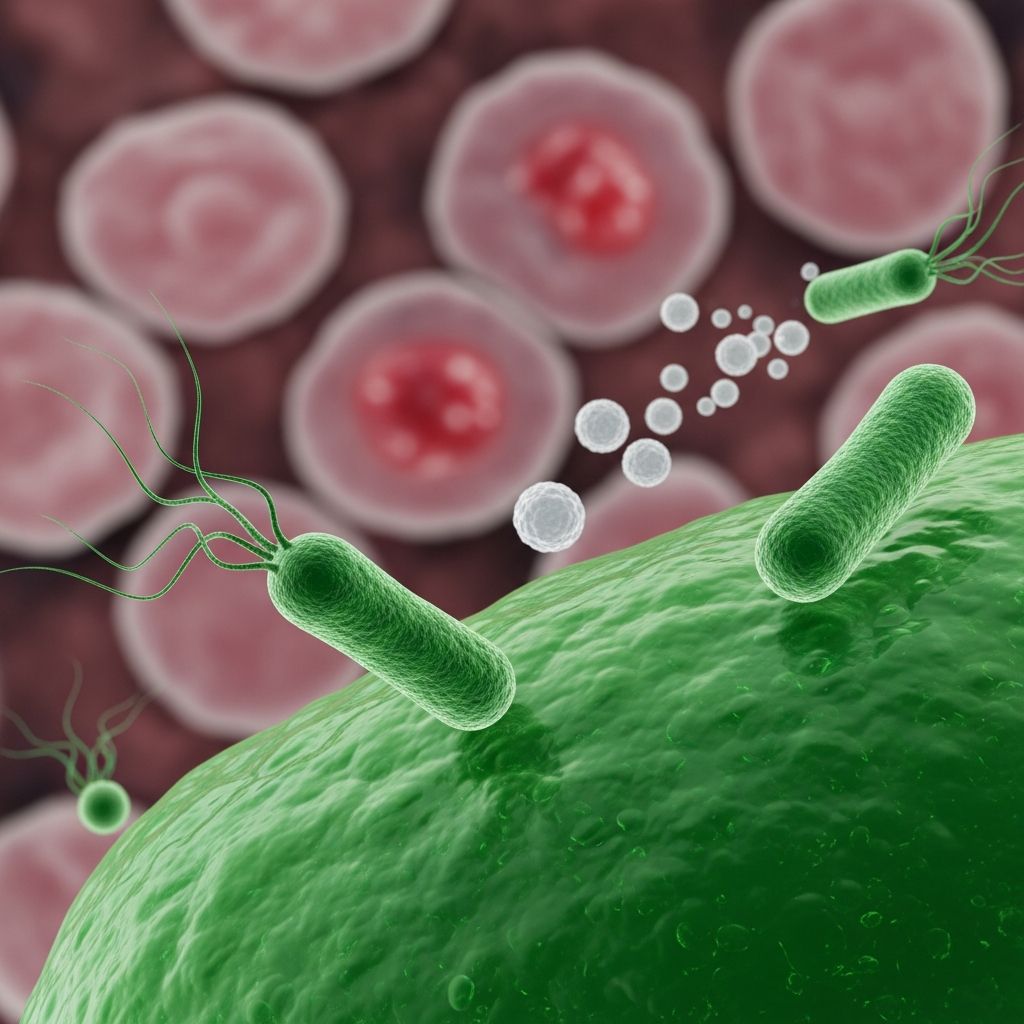
Salmonella infection, also known as salmonellosis, is a widespread bacterial illness primarily affecting the intestinal tract. Caused by various serotypes of Salmonella bacteria, it leads to symptoms such as diarrhea, fever, and abdominal cramps in most cases. This infection spreads mainly through contaminated food and water, posing significant risks especially to vulnerable populations like young children, the elderly, and immunocompromised individuals.
Globally, non-typhoidal Salmonella causes an estimated 93.8 million cases of gastroenteritis annually, with 155,000 deaths, underscoring its public health impact. In the U.S., the CDC reports around 1.35 million infections yearly, though many go undiagnosed. Understanding its epidemiology, symptoms, transmission, and control is crucial for prevention.
What Is Salmonella?
Salmonella belongs to a genus of rod-shaped, Gram-negative bacteria encompassing over 2,600 serovars, divided into typhoidal (e.g., S. Typhi) and non-typhoidal types. Non-typhoidal strains, like S. Enteritidis and S. Typhimurium, cause most foodborne cases, while typhoidal lead to severe systemic infections like typhoid fever.
These bacteria thrive in the intestines of humans and animals, shedding through feces. They are highly adaptable, surviving in diverse environments from farm to table, making the ‘farm-to-fork’ continuum a key transmission pathway. Poultry products account for about 34% of outbreaks, followed by pork (25%) and beef (16%).
Symptoms of Salmonella Infection
Symptoms typically emerge 6 hours to 6 days post-exposure, averaging 12-72 hours, lasting 4-7 days in healthy individuals. The illness mimics stomach flu but is bacterial.
- Common symptoms: Diarrhea (often non-bloody), fever (up to 104°F), stomach cramps, nausea, vomiting, chills, headache, and muscle pain.
- Severe cases: Bloody stools, prolonged diarrhea (up to 10 days), dehydration signs like dry mouth, reduced urine, and fatigue.
Invasive infections occur in 5% of cases, particularly among at-risk groups, leading to bacteremia, meningitis, or septic arthritis. Typhoidal salmonellosis presents with sustained high fever (39-40°C), headache, constipation or diarrhea, and bradycardia. Recovery usually happens without treatment, but bowel habits may take months to normalize.
Causes and Risk Factors
Salmonella infection stems from ingesting contaminated food, water, or surfaces harboring as few as 15-20 organisms. Primary sources include:
- Animal products: Raw/undercooked poultry, meat, eggs, unpasteurized milk/dairy.
- Produce: Contaminated fruits, vegetables, sprouts via fecal matter or irrigation water.
- Other: Pet foods, reptiles/birds, and cross-contaminated surfaces.
Risk factors amplify susceptibility:
| Risk Factor | Description |
|---|---|
| Young children (<5 years) | Higher hospitalization rates due to dehydration. |
| Elderly (>65 years) | Weakened immunity increases invasive disease risk. |
| Immunocompromised | HIV, cancer patients face severe outcomes. |
| Antacid use | Reduces stomach acid barrier. |
| Recent antibiotics | Disrupts gut flora. |
| Inflammatory bowel disease | Damaged intestinal lining aids invasion. |
Recent outbreaks, like the 2025 CDC-linked case from home-delivered meals (16 illnesses across 10 states, 7 hospitalizations), highlight ongoing risks from prepared foods.
Transmission: How Does Salmonella Spread?
The farm-to-fork model drives transmission: animals shed bacteria in feces, contaminating meat during slaughter or produce via manure. Human-to-human spread occurs via poor hygiene, especially post-toilet or diaper changes.
- Foodborne (90%): Undercooked eggs/meat, unwashed produce.
- Waterborne: Polluted sources in outbreaks.
- Person-to-person: In households, daycare.
- Animal contact: Reptiles (turtles), chicks carry asymptomatic.
Sporadic cases comprise 60-80% of infections, evading outbreak detection. Chronic carriers (1-6% for S. Typhi) shed bacteria long-term.
Diagnosis and When to See a Doctor
Diagnosis involves stool culture or PCR testing to confirm Salmonella and serotype. Seek medical care if:
Related Stories



- Symptoms persist >3 days or worsen.
- High fever (>102°F), bloody stools, severe dehydration.
- Affecting infants, elderly, or immunocompromised.
Healthy adults often recover at home with hydration; doctors monitor high-risk cases.
Treatment for Salmonella
Most cases (self-limiting) require supportive care: oral rehydration solutions, rest, bland diet. Antibiotics like ciprofloxacin are reserved for severe/invasive cases, but multidrug-resistant (MDR) strains complicate therapy.
Alternatives gaining traction: probiotics, bacteriophages, antimicrobial peptides, essential oils, vaccines. Hospitalization for IV fluids occurs in ~20% of cases, especially vulnerable groups.
Prevention and Control Strategies
Prevention hinges on hygiene and food safety:
- Cook thoroughly: Poultry/meat to 165°F, eggs firm.
- Wash produce/hands: Avoid cross-contamination.
- Pasteurize: Milk, avoid raw eggs.
- Pet precautions: Wash after reptile/bird contact.
At farms/slaughterhouses: biosecurity, screening, vaccines. Public health surveillance detects outbreaks early. Quarantine exposed individuals/animals matching incubation periods.
Recent Outbreaks and Epidemiology
Outbreaks persist: 2025 Metabolic Meals incident (July-Aug, 16 cases). Poultry dominates U.S. attributions. Global burden highest in low-resource areas due to poor sanitation.
Frequently Asked Questions (FAQs)
Can Salmonella be spread person-to-person?
Yes, via fecal-oral route from poor handwashing after toilet use or diaper changes.
How long does Salmonella last?
Symptoms: 2-7 days; diarrhea up to 10 days. Full recovery may take weeks.
Is Salmonella contagious?
During acute illness and shedding (up to a month); carriers longer.
Who is at highest risk for severe Salmonella?
Infants, elderly, immunocompromised.
Does cooking kill Salmonella?
Yes, internal temp ≥165°F for poultry/eggs.
References
- Salmonellosis: An Overview of Epidemiology, Pathogenesis, and Treatment Strategies — Majowicz SE et al. 2024-01-15. https://pmc.ncbi.nlm.nih.gov/articles/PMC10812683/
- Salmonella infection – Symptoms & causes — Mayo Clinic Staff. 2025-08-20. https://www.mayoclinic.org/diseases-conditions/salmonella/symptoms-causes/syc-20355329
- Investigation Update: Salmonella Outbreak, September 2025 — Centers for Disease Control and Prevention (CDC). 2025-09-05. https://www.cdc.gov/salmonella/outbreaks/homedeliverymeals-09-25/investigation.html
- Salmonella (non-typhoidal) — World Health Organization (WHO). 2024-06-12. https://www.who.int/news-room/fact-sheets/detail/salmonella-(non-typhoidal)
Similar Articles








Read full bio of Sneha Tete