Salmonella: Understanding This Sneaky Foodborne Threat
Learn how to identify, prevent, and treat salmonella infection with expert guidance.
Salmonella: Why It’s Sneaky and How to Protect Yourself
Salmonella remains one of the most common and deceptive foodborne pathogens affecting millions of people worldwide each year. Despite decades of food safety awareness, salmonella continues to cause outbreaks in households, restaurants, and food production facilities. The sneaky nature of this bacterium lies not only in its ability to contaminate various food sources but also in how it spreads silently and quickly through unsuspecting populations. Understanding salmonella’s characteristics, transmission methods, and prevention strategies is essential for safeguarding your family’s health.
What Is Salmonella?
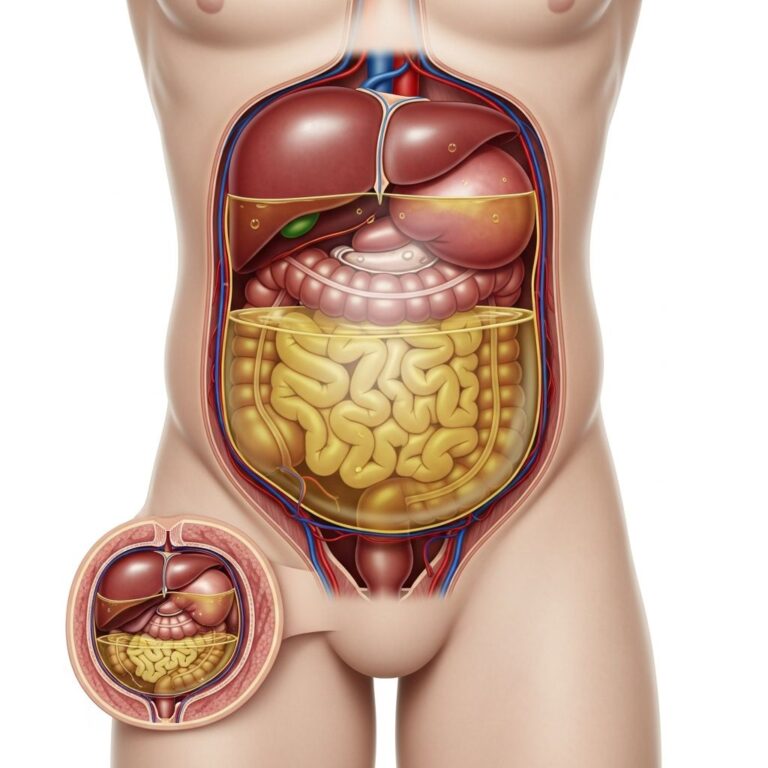
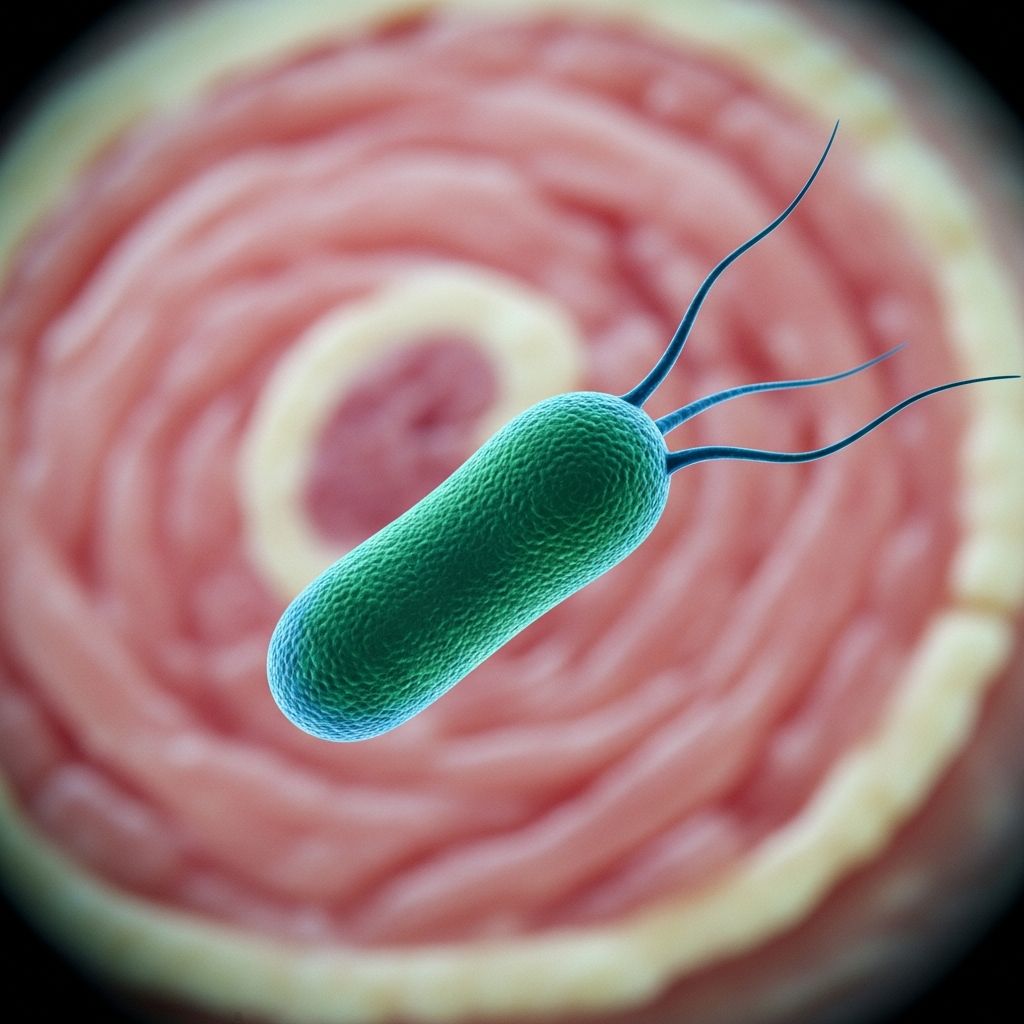
Salmonella is a genus of rod-shaped bacteria that causes salmonellosis, a common infection affecting the gastrointestinal system. This pathogen lives in the intestines of many animals, including poultry, cattle, and reptiles, and can contaminate food products during processing or handling. The sneaky aspect of salmonella is that infected animals may not show obvious signs of illness, yet they continue to shed the bacteria in their feces. This means contaminated food products can appear perfectly normal and safe to consume while harboring dangerous pathogens.
Why Salmonella Is Particularly Sneaky
Salmonella’s deceptive nature stems from several factors that make it difficult to detect and prevent:
Invisible Contamination
Unlike some pathogens that cause visible changes to food, salmonella contamination is completely invisible to the naked eye. You cannot taste, smell, or see salmonella in your food, making it impossible to identify contamination through sensory inspection alone. This characteristic makes it particularly dangerous in food preparation environments.
Multiple Transmission Routes
Salmonella spreads through numerous pathways beyond just raw poultry and eggs. The bacterium can contaminate produce, dairy products, processed foods, and even spices. Cross-contamination in kitchens occurs when bacteria from raw foods spread to ready-to-eat items through cutting boards, utensils, and hands. This multifaceted transmission method makes comprehensive prevention challenging.
Asymptomatic Carriers
People infected with salmonella can remain asymptomatic or experience mild symptoms while still shedding the bacteria. This means an infected person might unknowingly spread the infection to others through food handling or poor hygiene practices. The incubation period, typically 6 to 72 hours, means symptoms may not appear until well after exposure.
Recognizing Salmonella Symptoms
Understanding the signs of salmonella infection is crucial for seeking timely medical attention and preventing further transmission. Symptoms typically develop within 6 to 72 hours after consuming contaminated food.
Common Symptoms
Most people infected with salmonella experience gastrointestinal symptoms that can range from mild to severe:
– Diarrhea- Fever- Abdominal cramps and pain- Nausea and vomiting- Headache- Loss of appetite- In some cases, blood or mucus in stool
Severity and Complications
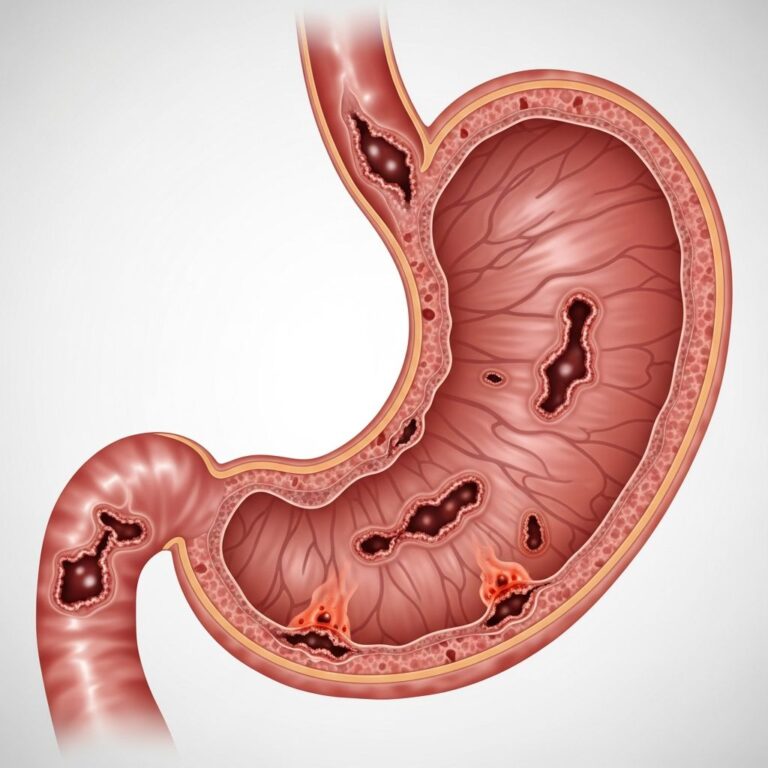
While most people recover within a few days to a week without specific treatment, salmonella can cause severe complications in vulnerable populations. Young children, elderly individuals, pregnant women, and immunocompromised persons face higher risks of serious illness. Dehydration is the most common serious complication, particularly in children and infants. In rare cases, the infection can lead to bacteremia (bacteria entering the bloodstream) or arthritis complications.
How Salmonella Spreads
Understanding transmission routes helps you implement effective prevention strategies in your home and daily life.
Food Sources and Contamination
Salmonella commonly contaminates:
– Raw and undercooked poultry and eggs- Unpasteurized dairy products- Raw fruits and vegetables- Processed meats- Spices and other dry goods- Pet reptiles and their environments
Related Stories



Cross-Contamination in the Kitchen
Many infections occur through cross-contamination rather than consuming the initial contaminated product. When raw meat juices contact ready-to-eat foods, cutting boards, or utensils without proper cleaning, salmonella bacteria transfer to these surfaces and foods. This is why proper kitchen hygiene and food separation are critical prevention measures.
Person-to-Person Transmission
Infected individuals shed salmonella bacteria in their feces for days or weeks after symptoms resolve. Poor hand hygiene after using the bathroom, changing diapers, or handling contaminated materials can spread the infection to others. This is particularly concerning in childcare settings, schools, and healthcare facilities.
Prevention Strategies: Your Defense Against Salmonella
Effective prevention requires a multi-layered approach addressing food handling, personal hygiene, and animal contact.
Hand Washing Excellence
Proper hand hygiene is your first line of defense. Wash your hands thoroughly with soap and water for at least 20 seconds after:
– Using the toilet- Changing diapers- Handling raw meat or poultry- Cleaning pet feces or touching pets- Any contact with animals or their environments- Before eating or preparing food
Food Preparation Safety
Implement these critical food handling practices:
– Keep raw meat and poultry separate from produce and other foods when shopping and storing- Use separate cutting boards for raw meat and vegetables- Wash all cutting boards, utensils, and countertops after handling raw poultry- Cook meat, poultry, and hamburgers until no longer pink in the middle and juices run clear- Never consume raw or undercooked eggs- Use pasteurized eggs for recipes that don’t require cooking (hollandaise, salad dressing, homemade ice cream)- Wash raw fruits and vegetables before eating- Avoid unpasteurized milk and dairy products
Food Storage and Cooking Temperatures
Proper storage and cooking eliminate salmonella bacteria:
– Store raw meat on the lowest shelf of your refrigerator to prevent dripping on other foods- Cook poultry to an internal temperature of 165°F (74°C)- Cook ground meat to 160°F (71°C)- Cook beef, pork, and lamb steaks to 145°F (63°C)- Refrigerate perishable foods within two hours of purchase- Use leftover meat within 3-4 days
Animal Contact Safety
Reptiles and other animals can carry salmonella without showing symptoms. Minimize your risk by:
– Avoiding contact with reptiles if you’re in a high-risk group- Washing hands thoroughly after any animal contact- Not eating food in areas where animals are present- Keeping animals with diarrheal illness isolated from food preparation areas- Not allowing pets on kitchen surfaces or dining areas
Water and Swimming Safety
Exercise caution around shared water sources:
– Do not swim in public pools if experiencing diarrhea- Avoid swimming until at least 24 hours after diarrhea has stopped- Ensure infants wear tight-fitting waterproof pants or swimming nappies- Report swimming pool accidents involving feces to facility management
Treatment and Recovery
Most salmonella infections resolve without specific medical treatment, but proper management is crucial for recovery.
Managing Dehydration
Dehydration is the primary concern during salmonella infection. The most important treatment is replacing lost fluids and electrolytes. Hydrating fluids include:
– Water- Clear broths- Oral rehydration solutions (highly recommended for children)- Sports drinks (diluted for children)- Coconut water
Avoid full-strength fruit juices and carbonated drinks, as these can worsen diarrhea. For infants and young children, oral rehydration solutions available at pharmacies are specifically formulated to restore proper electrolyte balance.
Dietary Considerations
Once rehydration begins, gradually introduce food:
– Mildly unwell children should continue usual fluids more frequently- Breastfed babies should continue breastfeeding throughout illness- After rehydration, restart normal diet including full-strength milk- Offer small portions of usual foods when hungry- Avoid high-sugar and high-fat foods initially
Medication Caution
Avoid certain medications without doctor approval:
– Anti-diarrheal medications like loperamide (Imodium) may prolong illness- Anti-vomiting medications should not be given to children without medical guidance- Always consult your healthcare provider before taking over-the-counter medications
When to Seek Medical Attention
Contact your healthcare provider if you experience:
– Diarrhea lasting more than three days- Severe abdominal pain or cramps- Bloody stools- High fever (over 102°F or 39°C)- Signs of severe dehydration (extreme thirst, dark urine, dizziness)- Symptoms in infants, elderly persons, or immunocompromised individuals- Worsening symptoms despite home treatment
Antibiotic Treatment
Most healthy people do not require antibiotics for salmonella. However, healthcare providers may prescribe antibiotics for severe infections or high-risk individuals. People with compromised immune systems, extreme age, or severe symptoms may benefit from antibiotic therapy. Your healthcare provider will determine if antibiotics are appropriate for your specific situation.
Preventing Spread to Others
If you’re infected, protecting others is essential:
– Exclude from childcare, preschool, school, and work until 24 hours without diarrhea (48 hours for food handlers)- Do not prepare food for others while symptomatic- Do not share food or drinks- Avoid swimming or sharing bathwater with others- Maintain meticulous hand hygiene, especially before food preparation or caring for others- Clean and disinfect bathroom surfaces regularly
Frequently Asked Questions
Q: How long does salmonella infection typically last?
A: Most healthy people recover within a few days to a week without specific treatment. However, some individuals shed bacteria for several weeks or longer after symptoms disappear.
Q: Can you get salmonella from handling raw chicken?
A: Yes, raw chicken frequently carries salmonella. Proper hand washing immediately after handling raw poultry and avoiding cross-contamination are critical prevention measures.
Q: Are some people more at risk for severe salmonella infection?
A: Yes, infants, young children, elderly adults, pregnant women, and immunocompromised individuals face higher risks of severe illness and complications from salmonella.
Q: Can salmonella contaminate produce?
A: Yes, produce can be contaminated through contaminated water, soil, or improper handling. Always wash fruits and vegetables thoroughly before eating, even if you’ll peel them.
Q: How quickly should I treat dehydration from salmonella?
A: Begin fluid replacement immediately when symptoms appear. Start with small, frequent sips of rehydration solution, especially for children and infants, to prevent severe dehydration.
Q: Is it safe to eat at restaurants if concerned about salmonella?
A: Restaurants have food safety regulations, but risks remain. Choose establishments with good hygiene records, order thoroughly cooked foods, and verify that foods are cooked to proper temperatures.
Conclusion
Salmonella’s sneaky nature demands vigilance in food handling, personal hygiene, and animal contact practices. While this pathogen remains a significant public health concern, understanding its transmission routes and implementing comprehensive prevention strategies effectively reduces your risk of infection. Should you contract salmonella, focus on staying hydrated and managing symptoms while preventing transmission to vulnerable individuals. By combining proper food safety practices, thorough hand hygiene, and awareness of high-risk foods and situations, you can significantly reduce your family’s salmonella risk and enjoy peace of mind knowing you’re taking active steps to protect your health.
References
- Preventing Salmonellosis — Minnesota Department of Health. 2024. https://www.health.state.mn.us/diseases/salmonellosis/prevention.html
- Treatment of Salmonella Infection — Centers for Disease Control and Prevention. 2024. https://www.cdc.gov/salmonella/treatment/index.html
- Salmonella Infection – Diagnosis & Treatment — Mayo Clinic. 2024. https://www.mayoclinic.org/diseases-conditions/salmonella/diagnosis-treatment/drc-20355335
- Salmonella Infection – Symptoms & Causes — Mayo Clinic. 2024. https://www.mayoclinic.org/diseases-conditions/salmonella/symptoms-causes/syc-20355329
- Salmonella (Salmonellosis) — U.S. Food and Drug Administration. 2024. https://www.fda.gov/food/foodborne-pathogens/salmonella-salmonellosis
- Salmonella: Outbreaks, Causes, Symptoms & Treatment — Cleveland Clinic. 2024. https://my.clevelandclinic.org/health/diseases/15697-salmonella
- Salmonella — StatPearls, National Center for Biotechnology Information. 2024. https://www.ncbi.nlm.nih.gov/books/NBK555892/
Similar Articles








Read full bio of medha deb