Salmonella Symptoms: Signs, Causes & Treatment
Complete guide to salmonella symptoms, causes, and when to seek medical care.
What Is Salmonella?
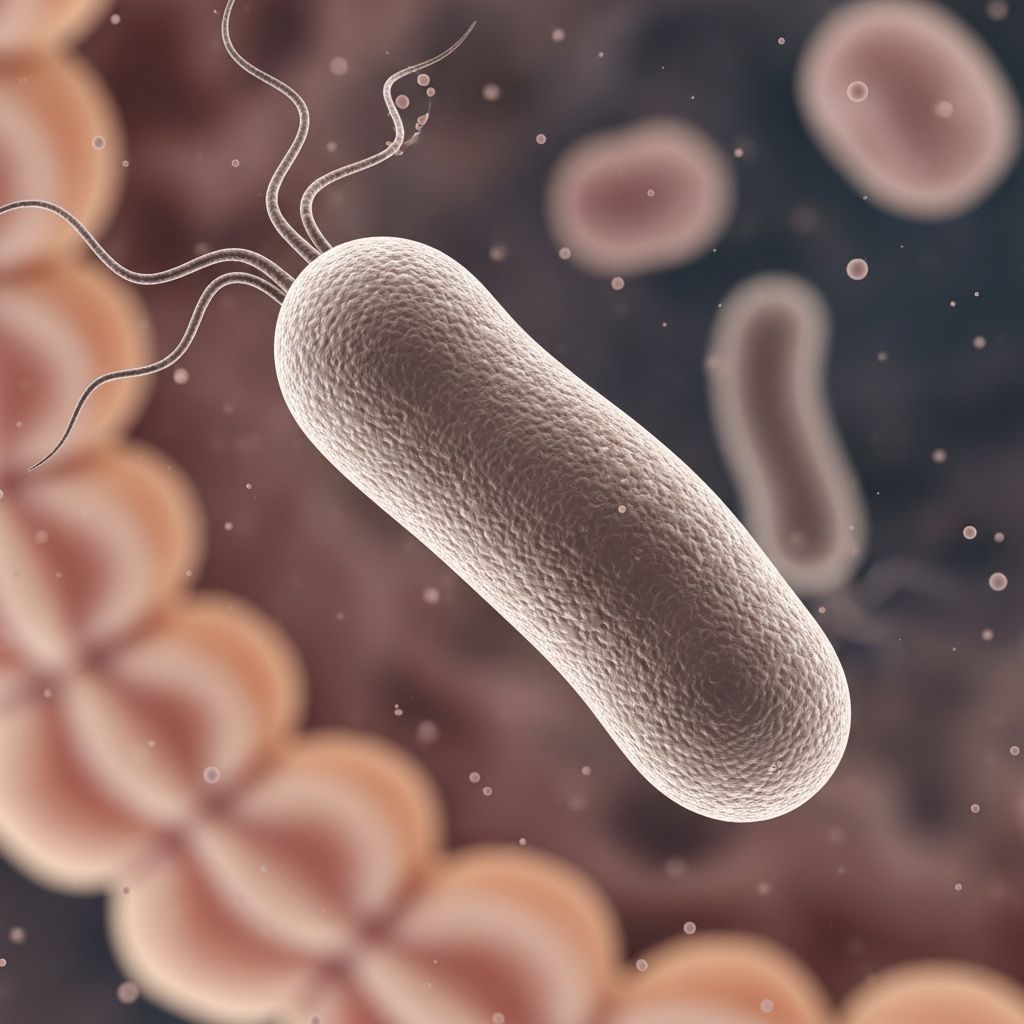
Salmonella is a common bacterial infection that affects the intestinal tract, medically known as salmonellosis. The bacteria typically live in animal and human intestines and are shed through stool. Humans become infected most frequently through contaminated water or food sources. While some people with salmonella infection have no symptoms at all, most people develop recognizable signs of illness within a specific timeframe after exposure.
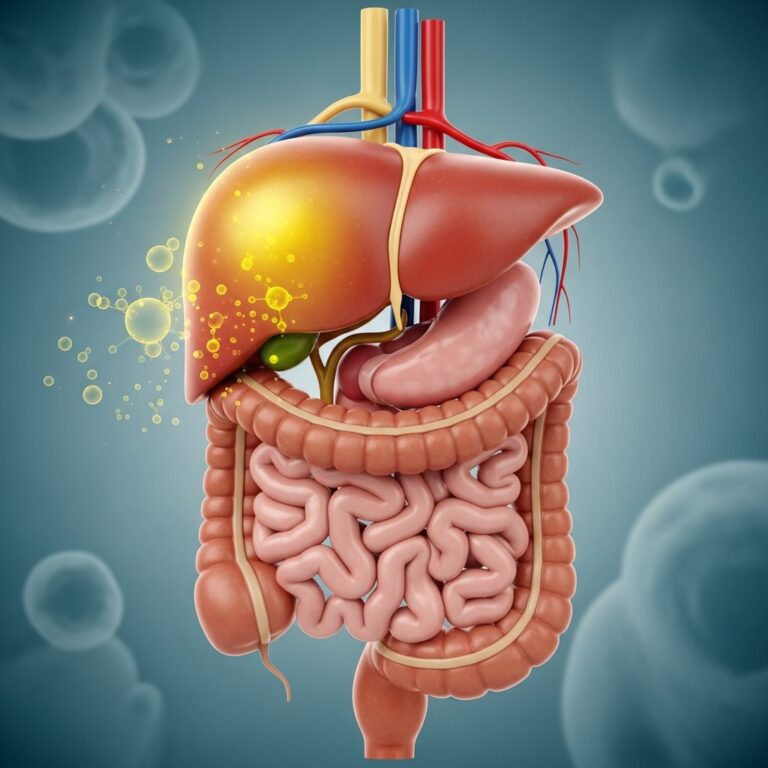
Salmonella bacteria invade and destroy the cells that line your intestines, making it difficult for your body to absorb water properly. This cellular damage is what causes many of the characteristic symptoms of the infection, particularly gastrointestinal distress.
Common Salmonella Symptoms
Most people infected with salmonella develop symptoms within 8 to 72 hours after exposure, though the incubation period can range from 6 hours to 6 days. The typical signs and symptoms include:
- Diarrhea (sometimes containing blood)
- Stomach (abdominal) cramps and pain
- Fever
- Nausea
- Vomiting
- Chills
- Headache
- Blood in the stool
You may experience some or all of these symptoms. It’s important to note that diarrhea and fever are the most common symptoms, though vomiting doesn’t always occur. The severity and combination of symptoms can vary significantly from person to person.
Duration of Symptoms
Signs and symptoms of salmonella infection generally last a few days to a week. In most cases, symptoms typically persist for four to seven days. However, diarrhea may last up to 10 days, and it can take several months before bowel movements return to normal patterns. Most healthy people recover within a few days to a week without specific treatment.
How Salmonella Is Transmitted
Understanding how salmonella spreads is crucial for prevention. The infection occurs through several common pathways:
Contaminated Food
Salmonella infection is usually caused by eating raw or undercooked meat, poultry, and eggs or egg products, or by drinking unpasteurized milk. Many foods become contaminated when prepared by people who don’t wash their hands thoroughly after using the toilet, changing a diaper, or handling contaminated food. Almost any uncooked food could potentially be contaminated with salmonella bacteria, though most people get sick from uncooked or undercooked poultry or eggs.
Infected Surfaces
Infection can occur if people touch something contaminated and then put their fingers in their mouths without proper hand hygiene.
Animal and Pet Contact
Animals and pets, especially birds and reptiles, may carry salmonella bacteria on their feathers, fur, skin, or in their feces. Some pet foods may also be contaminated with salmonella and can infect both animals and their owners.
It’s important to note that salmonella bacteria doesn’t have a smell, and food contaminated with salmonella usually smells and looks normal, making it impossible to detect through appearance or odor alone.
Risk Factors and Vulnerable Populations
Certain individuals are at higher risk of developing severe salmonella infections or complications. These include:
- Infants and young children
- Older adults
- Pregnant women
- Transplant recipients
- People with weakened immune systems
- Those with inflammatory bowel disease
- People taking antacids (which lower stomach acidity)
- Those with recent antibiotic use
Related Stories



Recent antibiotic use can be particularly problematic because it reduces the number of “good” bacteria in your intestines, which may impair your ability to fight off a salmonella infection. Similarly, antacids that lower stomach acidity allow more salmonella bacteria to survive and cause infection. Those with inflammatory bowel disease have damaged intestinal linings, making it easier for salmonella bacteria to take hold.
When to See a Doctor
Most people don’t need to seek medical attention for salmonella infection because it clears up on its own within a few days. However, you should call a healthcare provider if you or someone in your care experiences any of the following:
- Illness lasts more than a few days
- High fever or bloody stools are present
- Signs of dehydration, including urinating less than usual, dark-colored urine, dry mouth and tongue, or sunken eyes
- No tears when crying (in infants)
- Unusual tiredness or irritability
- Confusion or altered mental status
Medical attention is especially important if the affected person is an infant, young child, older adult, or someone with a weakened immune system.
Potential Complications
While salmonella infection usually isn’t life-threatening, serious complications can develop in certain people. Understanding these potential complications is important for recognizing when additional medical care is needed.
Dehydration
Dehydration is one of the most common complications of salmonella infection. If you can’t drink enough to replace the fluid you’re losing from diarrhea, you may become dehydrated. Warning signs of dehydration include urinating less than usual, dark-colored urine, dry mouth and tongue, sunken eyes, no tears when crying, being more tired than usual, and irritability or confusion.
Bacteremia
In severe cases, salmonella infection can enter your bloodstream in a condition called bacteremia. When this occurs, the infection can spread to tissues throughout your body, potentially causing:
- Urinary tract infections
- Meningitis (infection of tissues surrounding the brain and spinal cord)
- Endocarditis (infection of the heart lining or valves)
- Osteomyelitis (infection of bones or bone marrow)
- Infection of blood vessel linings, especially if you’ve had a vascular graft such as heart vessel bypass surgery
Reactive Arthritis
People who have had salmonella are at higher risk of developing reactive arthritis from salmonella infection, also known as Reiter’s syndrome. This condition typically causes eye irritation, painful urination, and painful joints that may persist long after the initial infection has resolved.
Typhoid Fever
A few varieties of salmonella bacteria result in typhoid fever, a sometimes deadly disease that is more common in developing countries. Typhoid fever presents with a different clinical picture including fever, headache, malaise, and sometimes cough.
Treatment Options
Salmonella is usually self-limiting, meaning it goes away without treatment after a few days of symptoms. Most of the time, you can manage the infection at home with supportive care. The primary treatment approach focuses on preventing dehydration and allowing your body’s immune system to fight the infection naturally.
Supportive Care
The cornerstone of salmonella treatment is drinking plenty of fluids to prevent dehydration. This is the most important step you can take to support your recovery. Rest is also essential, allowing your body to direct energy toward fighting the infection.
Antibiotic Treatment
If you’re living with a compromised immune system, sickle cell disease, or if you become severely ill with salmonella, your healthcare provider may prescribe antibiotics. However, antibiotics are not routinely recommended for uncomplicated salmonella infections in healthy individuals, as they may not significantly shorten the duration of illness and can potentially increase the risk of complications.
If your symptoms aren’t improving after three days, consult your healthcare provider. Most people recover completely without any long-term effects, though some may experience lingering bowel changes for several months.
Prevention Strategies
You can significantly reduce your risk of salmonella infection by following these safe food handling habits:
- Cook poultry and meat to the proper internal temperature
- Cook eggs until both whites and yolks are firm
- Wash hands thoroughly with soap and water after using the toilet, changing diapers, or handling raw food
- Avoid drinking unpasteurized milk and untreated water
- Wash surfaces, utensils, and hands after handling raw meat or poultry
- Avoid cross-contamination by using separate cutting boards for raw meat and other foods
- Practice careful hygiene when handling pets, especially reptiles and birds
- Be cautious with travel to countries without clean drinking water and proper sewage disposal
Key Statistics
Understanding the scope of salmonella infections can help highlight the importance of prevention and proper food safety. The U.S. Centers for Disease Control and Prevention estimated that approximately 450 persons in the United States die each year from acute salmonellosis. Most people with salmonellosis develop diarrhea, fever, and abdominal cramps, with more severe cases potentially including a high fever, aches, headaches, lethargy, a rash, and blood in the urine or stool.
Frequently Asked Questions
Q: How long does salmonella take to show symptoms?
A: Symptoms of salmonella typically appear anywhere from 6 hours to 6 days after exposure, with most people developing symptoms within 8 to 72 hours. The exact timing depends on the amount of bacteria consumed and individual immune response.
Q: Is salmonella contagious?
A: Yes, salmonella is contagious. You can spread the infection to others through contaminated feces, particularly if you don’t wash your hands thoroughly after using the bathroom. Proper hand hygiene is essential for preventing transmission.
Q: Can you get salmonella from touching infected animals?
A: Yes, salmonella can be transmitted from animals and pets, especially reptiles and birds, which may carry the bacteria on their skin, fur, feathers, or in their feces. Always wash your hands after handling animals.
Q: Do I always vomit when I have salmonella?
A: No, you don’t always throw up when you have salmonella poisoning. The most common symptoms are diarrhea and fever, though some people do experience vomiting.
Q: How can I tell if food is contaminated with salmonella?
A: You cannot tell if food is contaminated with salmonella by looking at it or smelling it. Food contaminated with salmonella usually smells and looks completely normal, which is why proper food handling and cooking temperatures are so important.
Q: When should I be concerned about complications?
A: You should be concerned about complications if you experience signs of severe dehydration, blood in your stool, a very high fever, or if symptoms persist beyond a few days, particularly if you’re in a vulnerable population such as a young child, elderly person, or immunocompromised individual.
References
- Salmonella infection – Symptoms & causes — Mayo Clinic. 2024. https://www.mayoclinic.org/diseases-conditions/salmonella/symptoms-causes/syc-20355329
- Salmonella (Salmonellosis) — U.S. Food and Drug Administration. 2024. https://www.fda.gov/food/foodborne-pathogens/salmonella-salmonellosis
- Salmonella: Outbreaks, Causes, Symptoms & Treatment — Cleveland Clinic. 2024. https://my.clevelandclinic.org/health/diseases/15697-salmonella
- Salmonella Infections — Rady Children’s Health. 2024. https://www.rchsd.org/health-article/salmonella-infections/
- Salmonella spp. infection – a continuous threat worldwide — National Center for Biotechnology Information, PubMed Central. 2021. https://pmc.ncbi.nlm.nih.gov/articles/PMC8057844/
Similar Articles








Read full bio of Sneha Tete