Salon Strategies For Eczema-Prone Skin: Expert Tips
Expert guidance for enjoying salon visits safely with eczema, covering prep, communication, and aftercare to prevent flare-ups.
Individuals with eczema can relish salon experiences by adopting targeted strategies that safeguard sensitive skin from potential irritants during hair services. This comprehensive guide outlines proactive measures, effective communication tactics, and recovery protocols to ensure enjoyable, flare-up-free visits.
Pre-Visit Preparation Essentials
Thorough preparation before arriving at the salon sets the foundation for a successful appointment. Start by selecting establishments known for accommodating skin conditions, prioritizing those offering patch testing for dyes and hypoallergenic product lines.
- Research Salons Thoroughly: Seek out facilities with dermatologist-recommended protocols or positive reviews from eczema sufferers. Check online directories for salons certified in sensitive skin care.
- Timing Your Appointment: Schedule during less crowded periods to minimize exposure to shared tools and airborne chemicals, reducing irritation risks.
- Skin Barrier Reinforcement: Apply a thick moisturizer 24-48 hours prior to fortify the skin’s natural defenses against salon exposures.
Document your eczema history, including recent flare-ups, trigger products, and physician advice, to share efficiently during consultations.
Mastering Communication with Your Stylist
Clear, upfront dialogue bridges gaps between client needs and professional expertise, preventing misunderstandings that could lead to discomfort.
| Topic | Key Phrases to Use | Expected Stylist Response |
|---|---|---|
| Skin Condition Disclosure | “I have eczema on my scalp and neck; please avoid products with fragrances or alcohol.” | Confirmation of understanding and product alternatives. |
| Patch Testing Request | “Can we do a patch test for the color 48 hours in advance?” | Agreement to test on a small area and monitor. |
| Tool Hygiene | “Please use fresh towels and sanitized combs for my service.” | Demonstration of sterilization processes. |
Bring visual aids like photos of safe past styles or ingredient lists of tolerated products to facilitate precise discussions.
Navigating Specific Salon Services Safely
Hair Coloring Without Compromise
Hair dyes often contain PPD or resorcinol, common eczema aggravators. Opt for ammonia-free, PPD-free semi-permanent options or henna-based alternatives verified for gentleness.
- Mandate a 48-hour patch test on the inner arm or behind the ear.
- Request glove usage throughout to prevent direct contact.
- Ask for low-heat rinsing to avoid steam-induced dryness.
Styling Techniques for Sensitive Scalps
Heat tools and tight styles can exacerbate inflammation. Favor air-drying methods, loose braids, or protective styles using silk-based pins.
During blowouts, insist on heat protectants formulated for sensitive skin and lower temperature settings. For chemical relaxers, confirm sulfate-free shampoos post-treatment.
Nail and Facial Add-Ons
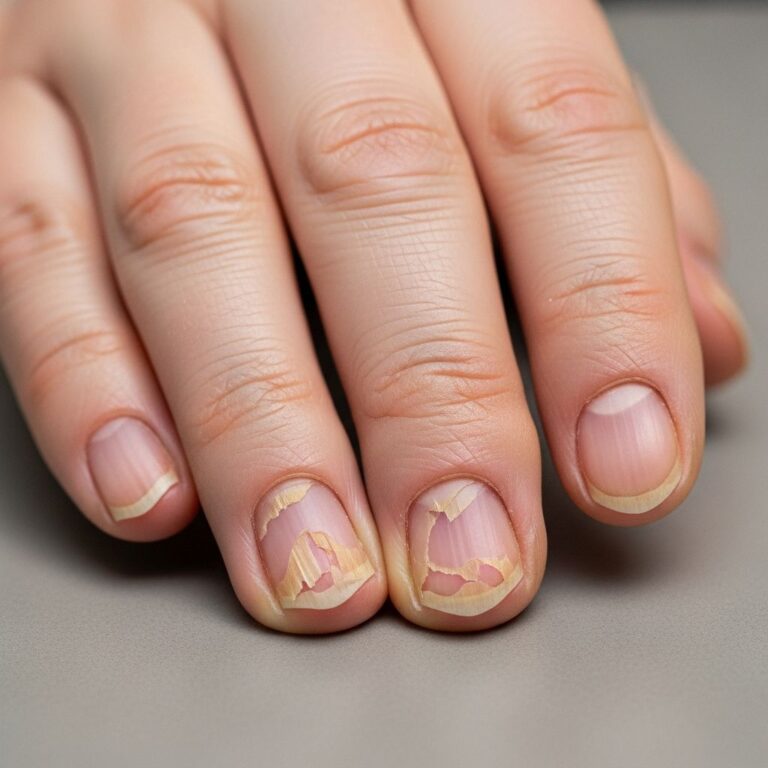
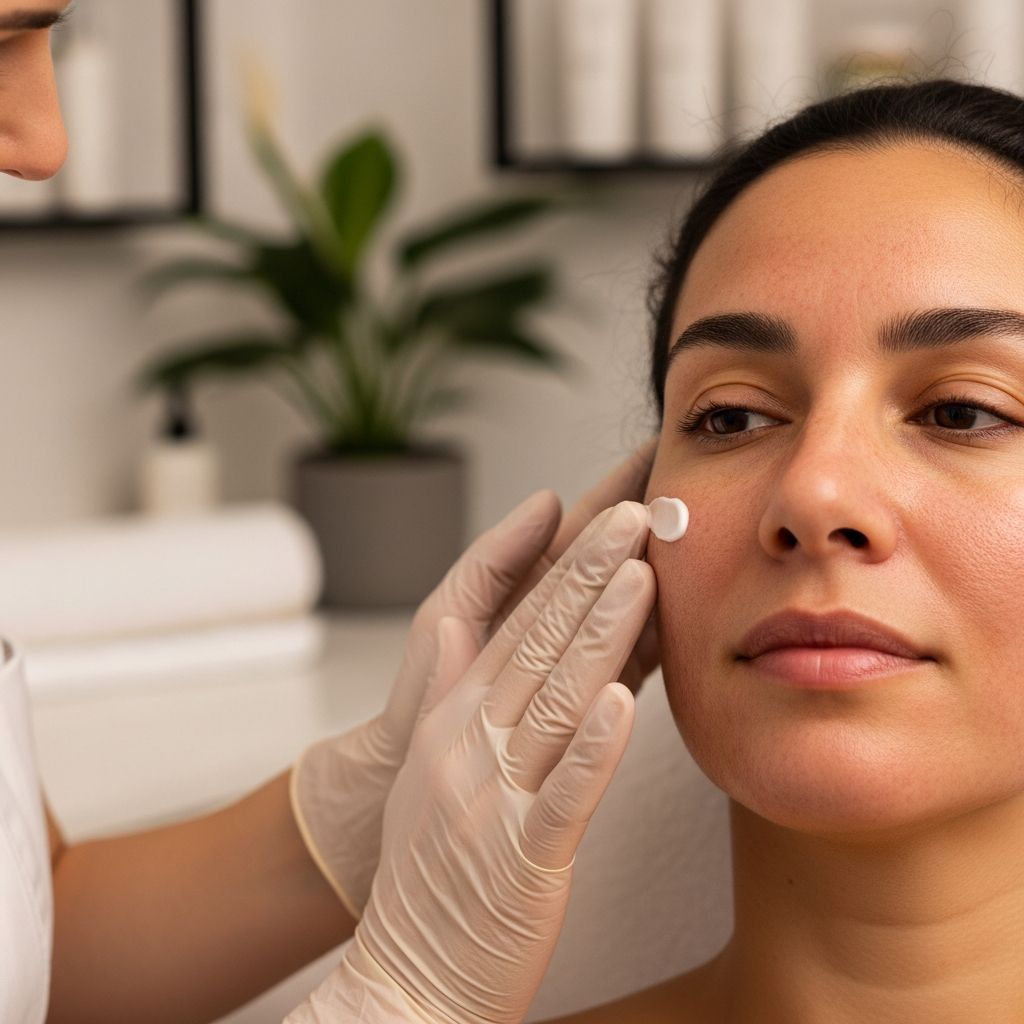
Manicures pose risks from acrylic dust; choose waterless pedicures or gel polishes with formaldehyde-free bases. Facials should skip extractions, focusing on hydrating masks with colloidal oatmeal.
Maintaining Hygiene Standards
Salon hygiene directly impacts eczema vulnerability. Politely verify protocols without accusation to foster collaboration.
- Observe sink cleanliness and request disposable capes.
- Ensure capes and neck strips are freshly laundered.
- Confirm UV sterilizers or Barbicide solutions for implements.
If concerns arise, inquire about single-use applicators for dyes and creams.
Related Stories



Product Selection and Ingredient Awareness
Empower yourself with knowledge of eczema-safe ingredients. Avoid parabens, sulfates, formaldehyde releasers, and essential oils prone to sensitization.
| Safe Ingredients | Ingredients to Avoid |
|---|---|
| Ceramides, hyaluronic acid | Fragrance, alcohol denat. |
| Colloidal oatmeal, shea butter | PPD, resorcinol, cocamidopropyl betaine |
| Glycerin, panthenol | Propylene glycol (in high amounts) |
Request product labels or digital ingredient lists for pre-approval. Post-service, obtain travel-sized samples of used items for home continuity.
During-Appointment Comfort Measures
Stay vigilant to maintain control. Sip water to counteract dehydration from processing chemicals, and use a portable fan for ventilation if needed.
- Voice discomfort immediately for adjustments.
- Limit phone use to reduce stress-induced flares.
- Practice deep breathing during lengthy applications.
Post-Salon Aftercare Routines
Immediate aftercare prevents delayed reactions. Rinse treated areas gently with lukewarm water and a fragrance-free cleanser upon returning home.
- Apply prescription topicals if flare signs appear.
- Moisturize liberally with ceramide-rich creams every 2 hours initially.
- Avoid washing hair for 72 hours post-color to lock in moisture.
- Monitor for redness, itching, or swelling over 48 hours.
Incorporate weekly scalp massages with aloe vera gel to soothe residues.
Frequently Asked Questions
Can I get highlights with eczema?
Yes, using foils with gentle developers and ensuring no scalp contact. Always patch test first.
What if a flare-up starts mid-service?
Request pause for moisturizer application or saline rinse; most salons accommodate sensitively.
Are organic salons always safer?
Not necessarily; verify certifications like ECOCERT and read labels, as ‘natural’ can still irritate.
How often should I switch stylists for eczema management?
Build loyalty with informed pros; switch only if protocols don’t align with your needs.
Is tipping etiquette different for sensitive services?
No, standard 15-20% applies, appreciating their extra caution equally.
Building Long-Term Salon Relationships
Foster ongoing partnerships by providing feedback post-visit via email or apps. Loyal clients with documented needs often receive prioritized accommodations, like reserved hypoallergenic stations.
Join eczema support forums for salon recommendations and share positive experiences to guide others.
References
- National Eczema Association: Eczema and Hair Care Guidelines — National Eczema Association. 2023-05-15. https://nationaleczema.org/eczema/children/treatment/skin-care/
- American Academy of Dermatology: Safe Hair Dye Practices for Sensitive Skin — American Academy of Dermatology. 2024-02-10. https://www.aad.org/public/everyday-care/hair-scalp-care/hair/safe-hair-dye
- National Institute for Occupational Safety and Health: Hair Salon Chemical Exposures — Centers for Disease Control and Prevention (CDC). 2022-11-01. https://www.cdc.gov/niosh/topics/salon/salon.html
- Journal of the American Academy of Dermatology: Allergic Contact Dermatitis in Hairdressing — Elsevier (Peer-reviewed). 2023-07-20. https://doi.org/10.1016/j.jaad.2023.05.012
- World Health Organization: Atopic Dermatitis Management Guidelines — World Health Organization. 2021-12-05. https://www.who.int/publications/i/item/9789240029277
Similar Articles








Read full bio of Sneha Tete