Salpingectomy: Fallopian Tube Removal Surgery
Complete guide to salpingectomy surgery: types, procedures, recovery, and benefits.
Understanding Salpingectomy: Fallopian Tube Removal Surgery
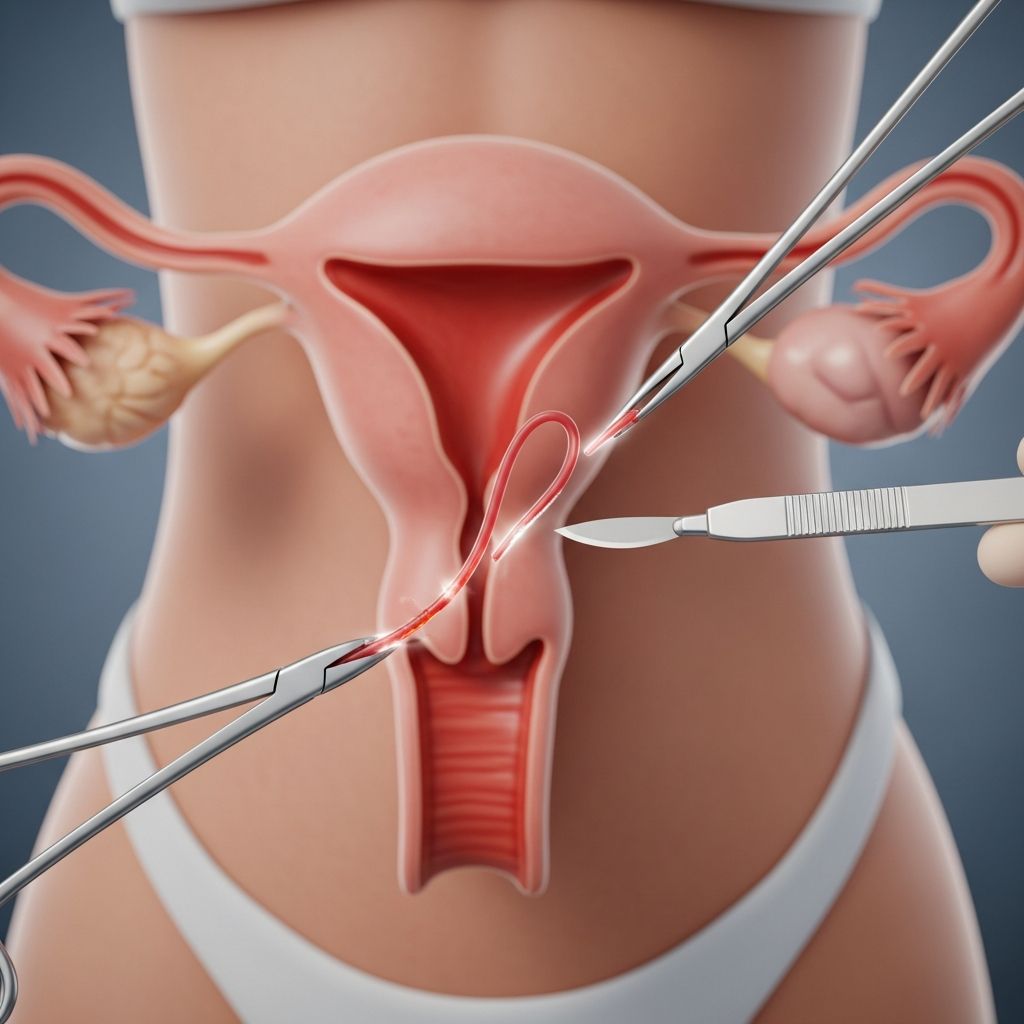
Salpingectomy is a surgical procedure that involves the removal of one or both fallopian tubes. This procedure has become increasingly common in modern gynecological practice due to its minimal invasiveness and multiple therapeutic and preventive benefits. Whether performed for treating an ectopic pregnancy, providing permanent birth control, or reducing the risk of ovarian cancer, salpingectomy offers women a viable surgical option with manageable recovery times and low complication rates.
The procedure represents a significant advancement in women’s health, particularly because it can be performed through minimally invasive laparoscopic techniques. This approach means patients experience less pain, shorter hospital stays, and faster return to normal activities compared to traditional open surgery methods.
Why You Might Need a Salpingectomy
There are several medical and personal reasons why your healthcare provider may recommend a salpingectomy. Understanding these reasons can help you make an informed decision about your reproductive health and overall wellbeing.
Ectopic Pregnancy Treatment
One of the primary reasons for salpingectomy is to treat an ectopic pregnancy, a condition where the fertilized egg implants and develops outside the main cavity of the uterus, typically within the fallopian tube. Most ectopic pregnancies occur in the isthmic (middle) part of the fallopian tube. When an ectopic pregnancy is diagnosed, salpingectomy becomes a necessary surgical intervention to protect the mother’s health and prevent life-threatening complications.
Permanent Birth Control
Many women choose salpingectomy as a permanent form of birth control. Unlike reversible contraceptive methods, salpingectomy provides definitive sterilization. This option is particularly suitable for women who have completed their families or have decided they do not wish to have children. The procedure offers a one-time solution without the need for ongoing contraceptive maintenance.
Ovarian Cancer Prevention
Recent medical research has revealed that most high-grade serous ovarian cancers originate in the fallopian tubes. This discovery has led to the practice of opportunistic salpingectomy, where the fallopian tubes are removed during other abdominal surgeries or as part of sterilization procedures. Studies have demonstrated that salpingectomy can reduce the risk of ovarian cancer by approximately 80 percent, making it a valuable preventive measure for eligible women.
Other Medical Reasons
Additional reasons for salpingectomy may include infection of the fallopian tubes, chronic pelvic pain, or other gynecological conditions that may benefit from tube removal. Your healthcare provider will evaluate your specific medical situation to determine if salpingectomy is appropriate for your circumstances.
How Salpingectomy Is Performed
Minimally Invasive Laparoscopic Approach
The preferred method for performing salpingectomy today is through laparoscopy, a minimally invasive surgical technique. During a laparoscopic salpingectomy, the surgeon makes two or three very small incisions, typically no larger than the width of a pinky tip, through the abdominal wall. A thin, tube-like instrument called a laparoscope, which contains a camera and light source, is inserted through one of these incisions, allowing the surgeon to visualize the fallopian tubes and surrounding structures on a monitor.
Through the additional small incisions, specialized surgical instruments are inserted to carefully remove the fallopian tube or tubes. The minimally invasive nature of this approach significantly reduces tissue trauma, postoperative pain, and recovery time. Most patients can return home the same day as their surgery and resume normal activities within one to two weeks.
Related Stories



Open Surgical Approach
In rare cases, your surgeon may recommend an open surgical approach, which involves making a larger three to four centimeter incision in the abdomen. However, as gynecological experts note, such open approaches are extremely uncommon in current surgical practice. Open salpingectomies are typically reserved for situations where a patient is already undergoing another surgery that requires a larger abdominal incision, such as a cesarean section, abdominal hysterectomy, or non-gynecological surgical procedure. The open approach increases postoperative pain, extends recovery time, and raises the risk of surgical complications.
Anesthesia Requirements
Regardless of the surgical approach chosen, all salpingectomy procedures require anesthesia. General anesthesia is the standard choice, ensuring that you are completely asleep and comfortable throughout the procedure without experiencing any discomfort or awareness of the surgical intervention.
Types of Salpingectomy Procedures
There are four distinct types of salpingectomy, classified based on the amount of fallopian tube tissue that requires removal. Your surgeon will recommend the most appropriate type based on your specific medical condition and reasons for the procedure.
Partial Salpingectomy
Partial salpingectomy involves removing only a portion of the fallopian tube. Since the fallopian tube consists of three distinct parts—the ampulla, isthmus, and fimbria—this procedure targets specific sections. The isthmic (middle) section is where most ectopic pregnancies occur, making partial salpingectomy particularly suitable for treating ectopic pregnancies in this location. However, partial salpingectomy is also commonly performed for permanent birth control purposes.
Complete Salpingectomy
Complete salpingectomy removes the entire fallopian tube in its entirety. Research has demonstrated that there is no increased risk associated with complete salpingectomy compared to partial removal. Due to this safety profile, medical experts now recommend complete removal of the fallopian tubes when performing the procedure for permanent birth control. An additional significant advantage of complete salpingectomy is its superior effectiveness in reducing ovarian cancer risk, as it eliminates the entire potential site of cancer origin.
Unilateral Salpingectomy
Unilateral salpingectomy refers to the removal of just one fallopian tube, which can be either partial or complete depending on clinical requirements. The most common indication for unilateral salpingectomy is the treatment of ectopic pregnancy. Since an ectopic pregnancy affects only one fallopian tube, surgical removal focuses solely on the affected tube, preserving the other tube and maintaining reproductive potential if desired.
Bilateral Salpingectomy
Bilateral salpingectomy involves the removal of both fallopian tubes and can be performed as either partial or complete removal. This procedure is typically recommended for women who have completed their childbearing years or have decided they have no interest in future pregnancy. Bilateral salpingectomy provides definitive sterilization and offers maximum ovarian cancer risk reduction.
Recovery After Salpingectomy
Immediate Postoperative Period
After your salpingectomy procedure, you will spend time in the recovery room while anesthesia wears off and your vital signs are monitored. Most patients can go home the same day of their laparoscopic surgery, though arrangements should be made for someone to drive you home since the effects of general anesthesia require several hours to fully resolve.
Pain Management and Activity
Mild to moderate pain and discomfort at the incision sites are normal after salpingectomy. Your healthcare provider will recommend appropriate pain management strategies, which typically include over-the-counter pain relievers such as ibuprofen (Advil, Motrin) or acetaminophen (Tylenol). Prescription pain medications may be provided if needed for more significant discomfort.
Most women return to their regular daily activities and light exercise within one to two weeks following a laparoscopic salpingectomy. However, it is essential to follow your surgeon’s specific guidance regarding activity restrictions and gradual return to normal routines.
Timeline for Full Recovery
Full recovery typically occurs within a few weeks, though individual experiences may vary. Factors affecting recovery time include the surgical approach used, your overall health status, and whether any complications develop. Following postoperative instructions carefully, including wound care, activity modifications, and attending follow-up appointments, promotes optimal healing.
Potential Risks and Complications
While salpingectomy is generally considered a safe procedure, as with any surgical intervention, certain risks and complications can occur. Most complications are rare, particularly with the minimally invasive laparoscopic approach.
Potential complications may include:
- Severe pain requiring additional pain management
- Bleeding that may require blood transfusion in rare cases
- Damage to nearby organs such as the intestines, bladder, or blood vessels
- Anesthesia-related complications
- Infection at the incision sites
- Blood clots
- Fluid accumulation in the abdomen
These complications may lengthen recovery time and require additional medical intervention. However, the minimally invasive nature of laparoscopic salpingectomy significantly reduces the likelihood of serious complications compared to open surgical approaches. Your surgeon will discuss the specific risks relevant to your situation during your preoperative consultation.
Who Is a Candidate for Salpingectomy
Salpingectomy is appropriate for various groups of women depending on their medical circumstances and goals. Women who have completed childbearing or who have no interest in future pregnancy are good candidates for sterilization purposes. Women with ectopic pregnancy require salpingectomy for emergency treatment. Additionally, women at high risk for ovarian cancer, including those with genetic mutations such as BRCA1 or BRCA2, may be candidates for prophylactic salpingectomy.
Opportunistic salpingectomy is particularly valuable for women who are already undergoing other abdominal surgeries, such as appendectomy, gallbladder removal, or hysterectomy. In these cases, adding salpingectomy to the existing procedure does not significantly increase surgical risks or complications.
Preparing for Your Salpingectomy
Proper preparation before your salpingectomy helps ensure the best possible outcome. Your healthcare provider will provide specific preoperative instructions that typically include fasting for a certain period before surgery, arranging transportation home, and having someone available to assist you during initial recovery.
Inform your surgeon about all medications you take, supplements, and any allergies you have. Certain medications, particularly blood thinners, may need to be adjusted before surgery. It is important to discuss any concerns or questions with your surgical team to ensure you feel confident and prepared for the procedure.
Frequently Asked Questions
Q: How long does a salpingectomy procedure take?
A: Laparoscopic salpingectomy typically takes 30 to 60 minutes, depending on complexity and whether one or both tubes are being removed. The procedure is relatively quick, allowing for same-day discharge in most cases.
Q: Is salpingectomy reversible?
A: No, salpingectomy is considered a permanent form of birth control. While fallopian tube reversal surgery exists, it is complex, not always successful, and not widely available. You should be certain about your decision regarding future pregnancy before undergoing this procedure.
Q: Will salpingectomy affect my hormones or menstruation?
A: No, salpingectomy does not affect your hormonal balance or menstrual cycle since it does not involve the ovaries. Your periods will continue as normal after recovery.
Q: Can salpingectomy be performed during other surgeries?
A: Yes, opportunistic salpingectomy can be performed during other abdominal procedures such as cesarean section, hysterectomy, or appendectomy, provided you consent to the additional procedure and meet eligibility criteria.
Q: How effective is salpingectomy for ovarian cancer prevention?
A: Research shows that salpingectomy reduces the risk of ovarian cancer by approximately 80 percent, making it a highly effective preventive measure for eligible women.
Q: When can I resume sexual activity after salpingectomy?
A: Most healthcare providers recommend waiting two to four weeks before resuming sexual activity, depending on your individual recovery progress and comfort level. Always follow your surgeon’s specific recommendations.
Conclusion
Salpingectomy is a safe, effective surgical option for women seeking permanent birth control, requiring treatment for ectopic pregnancy, or interested in reducing their ovarian cancer risk. The minimally invasive laparoscopic approach offers significant advantages including reduced postoperative pain, shorter recovery times, and lower complication rates compared to traditional open surgery. With proper preparation and postoperative care, most women experience straightforward recovery and return to normal activities within a few weeks. Discuss with your healthcare provider whether salpingectomy is appropriate for your individual circumstances and health goals.
References
- Laparoscopic Salpingectomy Surgery Guide — GoodRx Health. 2024. https://www.goodrx.com/health-topic/gynecology/laparoscopic-salpingectomy
- Salpingectomy for ovarian cancer prevention: Video education for training surgeons — National Center for Biotechnology Information (PubMed). 2024. https://pubmed.ncbi.nlm.nih.gov/38584804/
- Salpingectomy: Preventing Ovarian Cancer — Johns Hopkins Medicine. October 25, 2024. https://www.youtube.com/watch?v=05I9-fIZ96o
- I had one simple surgery to lower my risk of the deadliest cancer for women: Here’s why you probably don’t know about it but should — Fortune Well. June 16, 2025. https://fortune.com/well/2025/06/16/i-had-one-simple-surgery-to-lower-my-risk-of-the-deadliest-cancer-for-women-heres-why-you-probably-dont-know-about-it-but-should/
Similar Articles








Read full bio of medha deb