Sand Flea Bites: Symptoms, Treatment & Prevention Guide
Everything you need to know about sand flea bites: symptoms, treatment, prevention, and when to seek medical help for itchy beach bites.
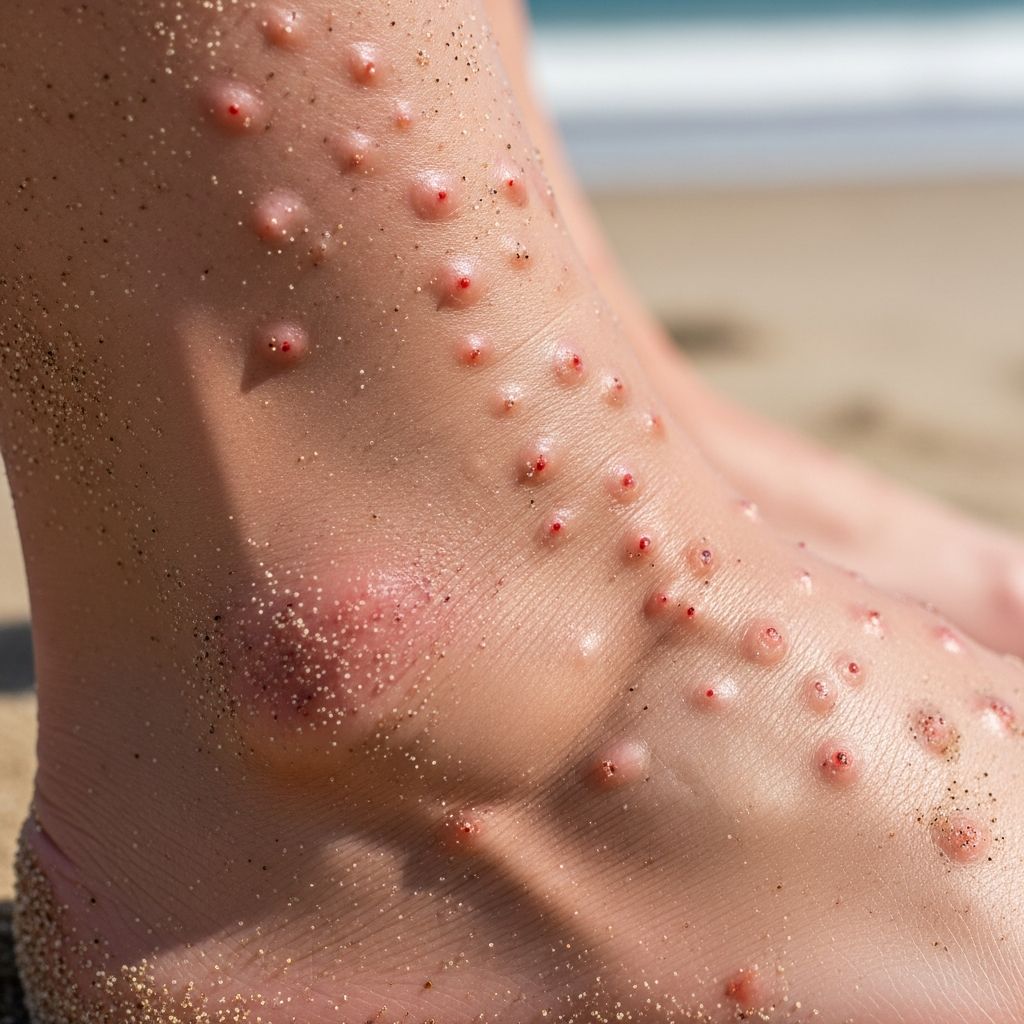
Sand flea bites are small, red, itchy welts commonly experienced by beachgoers, caused by tiny crustaceans or fleas burrowing into the skin, leading to irritation that can range from mild discomfort to severe infections if untreated.
What Are Sand Flea Bites?
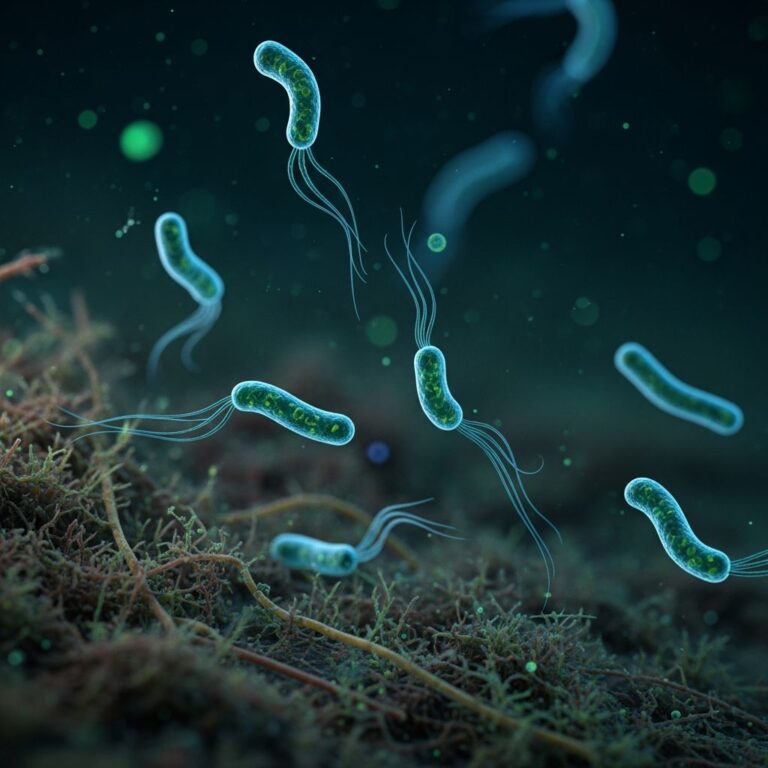
Sand fleas, often misidentified as insects, are actually small crustaceans (amphipods or isopods) found in coastal sands worldwide, particularly in warm, moist environments like beaches. Unlike common fleas, these sand fleas don’t typically infest homes or pets but bite exposed skin during activities like walking barefoot or sitting on wet sand. Bites occur when females burrow to lay eggs, triggering an inflammatory response. In tropical regions, a related species called chigoe fleas (Tunga penetrans) can embed deeply, causing more serious issues known as tungiasis.
These bites are prevalent in areas like Florida beaches, Caribbean shores, and other sandy coastal zones, peaking at dawn, dusk, or after rain when fleas are most active near the waterline. Homeowners near beaches should note that while sand fleas don’t invade indoors, prevention around yards helps reduce exposure.
Symptoms of Sand Flea Bites
Symptoms usually appear within hours of exposure and include:
- Small red bumps or welts, often in clusters on feet, ankles, legs, or thighs—the most exposed areas when barefoot or sitting on sand.
- Intense itching, sometimes burning or stinging sensation.
- Mild swelling and redness around the bite site.
- For common sand flea bites, symptoms resolve in a few days; chigoe flea bites may swell, turn white with a black center (flea’s silhouette), become painful, crusty, or ulcerate.
Severe cases show signs of infection: increased swelling, pus, warmth, fever, or darkened skin, warranting immediate medical attention to prevent complications like tetanus or gangrene. Differentiate from mosquito bites (larger, singular) or jellyfish stings (linear welts).
How to Treat Sand Flea Bites
Treatment focuses on relieving itch, reducing inflammation, and preventing infection. Start with home care:
- Clean the area: Wash bites with mild soap and warm water to remove debris and reduce bacteria risk.
- Avoid scratching: Scratching opens wounds, inviting infection; trim nails if needed.
- Topical remedies: Apply calamine lotion, 1% hydrocortisone cream, or aloe vera gel (frozen spear for extra soothing) to calm itch and swelling.
- Oral medications: Take ibuprofen for pain/swelling or antihistamines (e.g., Benadryl) for itch.
- Baths: Soak in cool water with baking soda (1 cup per tub) or colloidal oatmeal to ease multiple bites; avoid hot water.
- Natural options: Diluted essential oils like tea tree, lavender, or eucalyptus after patch-testing.
For persistent symptoms, consult a doctor for prescription steroids, antibiotics, or tetanus shots. In chigoe infestations, surgical removal may be necessary. Monitor for worsening: if bites spread, ooze, or cause fever, seek care promptly.
When to See a Doctor for Sand Flea Bites
Most bites heal in 3-7 days with self-care, but see a healthcare provider if:
- Bites show infection signs: pus, red streaks, excessive swelling, or fever.
- Itching persists beyond a week or disrupts sleep.
- You have open wounds, diabetes, or weakened immunity—increasing complication risk.
- Suspected chigoe fleas: painful, embedded black dots, or ulcers.
Diagnosis involves skin exam and history; providers may rule out allergies or other bites. Early intervention prevents secondary issues like cellulitis.
Related Stories



How to Prevent Sand Flea Bites
Prevention is key for enjoyable beach days. Strategies include:
- Timing: Visit beaches midday when sun warms sand, driving fleas deeper; avoid dawn, dusk, or post-rain.
- Barriers: Wear closed shoes or water socks; use towels, mats, or chairs instead of sitting directly on sand.
- Repellents: Skip DEET sprays (ineffective/may attract); apply baby oil, coconut oil, or DEET-free repellents with eucalyptus/citronella.
- Home/yard tips: Eliminate standing water, trim vegetation, seal cracks, use outdoor repellents.
| Prevention Method | Best For | Tips |
|---|---|---|
| Footwear | Barefoot walkers | Aqua socks or flip-flops near waterline |
| Towels/Blankets | Sitters/Loungers | Keep skin off moist sand |
| Oils | All exposed skin | Reapply after swimming |
| Timing | Families | Midday 10 AM-4 PM |
Sand Flea Bites vs. Other Beach Irritations
Sand flea bites: Clustered red welts on lower body, very itchy, no stinger.
Mosquito bites: Larger, random, less clustered.
No-see-ums: Tiny, airborne, widespread itching.
Chigoe fleas: Embedded, painful, tropical-specific.
Consult visuals from reliable sources or a dermatologist for confirmation.
Frequently Asked Questions (FAQs)
Are sand fleas dangerous?
No, common sand fleas pose no disease risk, but bites itch and can infect if scratched. Chigoe fleas may lead to severe complications.
Can sand fleas infest homes or pets?
No, they live in coastal sand, not indoors or on pets like cat fleas.
How long do sand flea bites last?
3-7 days with treatment; longer if infected.
Do bug sprays work on sand fleas?
DEET often fails; use oils instead.
What if I get bitten while pregnant?
Consult a doctor before treatments; clean and monitor closely.
Key Takeaways for Beachgoers
Sand flea bites are a common nuisance but manageable with prompt care and prevention. By timing visits wisely, using barriers, and treating symptoms early, you can minimize disruption. Stay vigilant for infection signs, especially in vulnerable groups.
References
- Sand Flea Bites: What They Look Like, Treatment & Prevention — Cleveland Clinic. 2023. https://my.clevelandclinic.org/health/diseases/24458-sand-flea-bites
- How to Treat Sand Flea Bites — MosquitoNix. 2023. https://mosquitonix.com/blogs/news/how-to-treat-sand-flea-bites
- Sand Fleas: What Are They and Why Should Homeowners Care? — All U Need Pest Control. 2024. https://alluneedpest.com/blog/sand-fleas-what-are-they/
- SAND FLEA BITES SUCK! — Absolute Foot and Ankle Clinic. 2023. https://www.absolutefootandankleclinic.com/sand-flea-bites-suck/
- Sand Fleas in Florida: Identification, Behavior, and Bite Prevention — Arrow Pest Services. 2024. https://arrowps.com/sand-fleas-in-florida-identification-behavior-and-bite-prevention/
- How To Avoid And Treat Sand Flea Bites — Panama Jack. 2023. https://panamajack.com/blogs/tips-n-tricks/how-to-avoid-and-treat-sand-flea-bites
Similar Articles








Read full bio of Sneha Tete