Saphenous Vein: Anatomy, Function, and Clinical Importance
Explore the anatomy, function, and medical significance of the saphenous vein in the human body.
What Is the Saphenous Vein?
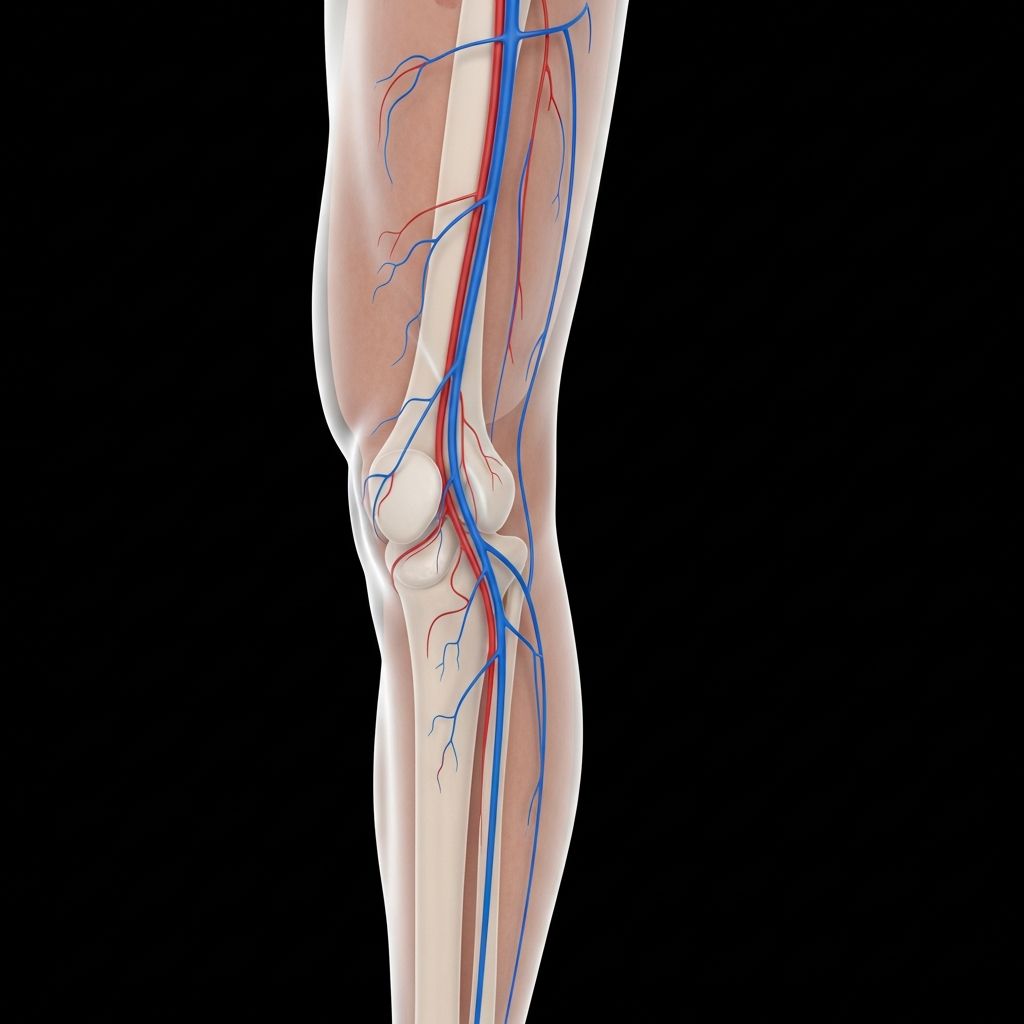
The saphenous vein is one of the largest superficial veins in the human body. It plays a crucial role in returning deoxygenated blood from the lower limbs back to the heart. There are two main saphenous veins: the great saphenous vein and the small saphenous vein. Both are essential components of the venous system, particularly in the legs.
Anatomy of the Saphenous Vein
The great saphenous vein begins at the dorsal venous arch of the foot and travels up the medial (inner) side of the leg, passing through the thigh and entering the groin. It ultimately drains into the femoral vein, which is a major deep vein in the thigh. The small saphenous vein starts at the lateral (outer) side of the foot and runs up the back of the calf, draining into the popliteal vein behind the knee.
- The great saphenous vein is the longest vein in the body.
- It contains 10 to 20 one-way valves that prevent blood from flowing backward.
- The small saphenous vein is shorter and runs along the posterior aspect of the leg.
Function of the Saphenous Vein
The primary function of the saphenous vein is to transport deoxygenated blood from the lower extremities to the heart. This process is vital for maintaining proper circulation and preventing blood pooling in the legs. The valves within the saphenous vein ensure that blood flows in one direction, toward the heart, and do not allow it to flow backward.
Superficial veins like the saphenous vein are not surrounded by muscle, unlike deep veins. Instead, they rely on external forces such as muscle movement and breathing to help push blood upward. The calf muscles, in particular, act as a “second heart” by squeezing the veins and propelling blood toward the heart.
Role in the Venous System
The saphenous vein is part of the superficial venous system, which works in conjunction with the deep venous system. Blood from the superficial veins is transferred to the deep veins through short connecting veins called perforator veins. These perforator veins also contain valves that prevent blood from flowing back into the superficial veins.
The communication between the superficial and deep venous systems occurs at specific junctions, such as the saphenofemoral junction (where the great saphenous vein meets the femoral vein) and the saphenopopliteal junction (where the small saphenous vein meets the popliteal vein). These junctions are critical points for venous health and are often examined in cases of venous disorders.
Common Disorders of the Saphenous Vein
The saphenous vein is commonly affected by several disorders, the most notable being varicose veins. Varicose veins occur when the valves within the saphenous vein become weak or damaged, allowing blood to pool and causing the veins to become enlarged and twisted.
Related Stories



- Varicose veins are more common in the great saphenous vein.
- Symptoms include pain, swelling, heaviness, and visible bulging veins.
- Complications can include superficial thrombophlebitis (inflammation of the vein) and, in rare cases, deep vein thrombosis.
Diagnosis and Evaluation
Diagnosing disorders of the saphenous vein typically involves a physical examination and imaging studies. Duplex ultrasound is the gold standard for evaluating the saphenous vein and its junctions. This non-invasive test allows healthcare providers to assess blood flow, valve function, and the presence of reflux (backward flow of blood).
During the examination, patients may be asked to stand while a probe is placed over the common femoral vein or behind the knee. The Valsalva maneuver (bearing down as if having a bowel movement) may be used to elicit reflux. Measurements of the luminal diameter and valve competence are taken to determine the severity of the disorder.
Treatment Options
There are several treatment options for disorders of the saphenous vein, depending on the severity and symptoms. These include:
- Saphenous vein stripping: Surgical removal of the affected vein segment.
- Ligation: Tying off the vein at the saphenofemoral or saphenopopliteal junction.
- Endovenous ablation: Using heat or laser energy to close the vein.
- Sclerotherapy: Injecting a solution into the vein to cause it to collapse.
- Phlebectomy: Removal of varicose veins through small incisions.
These procedures are generally safe and effective, with complications such as bleeding, infection, and transient hyperpigmentation being rare.
Saphenous Vein in Coronary Bypass Surgery
The saphenous vein is frequently used as a graft in coronary artery bypass grafting (CABG) surgery. During CABG, a segment of the saphenous vein is harvested and used to bypass blocked coronary arteries, restoring blood flow to the heart muscle.
While the radial artery is sometimes used as an alternative graft, studies have shown no significant long-term mortality difference between radial artery and saphenous vein grafts. The choice of graft depends on various factors, including patient anatomy and surgeon preference.
Prevention and Management
Preventing disorders of the saphenous vein involves maintaining a healthy lifestyle and managing risk factors. Recommendations include:
- Regular exercise to promote circulation.
- Maintaining a healthy weight.
- Avoiding prolonged periods of standing or sitting.
- Wearing compression stockings if recommended by a healthcare provider.
- Seeking medical attention for persistent leg pain or swelling.
Frequently Asked Questions (FAQs)
Q: What is the difference between the great and small saphenous veins?
A: The great saphenous vein runs along the inner side of the leg from the foot to the groin, while the small saphenous vein runs along the back of the calf from the foot to the knee.
Q: Can varicose veins be prevented?
A: While not all varicose veins can be prevented, regular exercise, maintaining a healthy weight, and avoiding prolonged standing or sitting can reduce the risk.
Q: Is saphenous vein stripping still performed?
A: Yes, saphenous vein stripping is still performed, but newer techniques like endovenous ablation are becoming more common.
Q: What are the risks of using the saphenous vein in bypass surgery?
A: Risks include infection, bleeding, and the possibility of the graft failing over time. However, the procedure is generally safe and effective.
Q: How long does it take to recover from saphenous vein surgery?
A: Recovery time varies, but most patients can resume normal activities within a few weeks.
References
- Great Saphenous Vein Anatomy, Function & Diagram — Healthline. 2018-01-22. https://www.healthline.com/health/great-saphenous-vein-male
- Veins: Anatomy and Function — Cleveland Clinic. https://my.clevelandclinic.org/health/body/23360-veins
- Varicose Veins: Newer, Better Treatments Available — Cleveland Clinic Journal of Medicine. 2005. https://www.ccjm.org/content/ccjom/72/4/312.full.pdf
Similar Articles








Read full bio of medha deb