SAPHO Syndrome: Diagnosis, Symptoms, And Treatment Guide
Rare autoinflammatory disorder linking skin pustules, severe acne, and chronic bone inflammation in adults and children.
SAPHO syndrome, an acronym for
synovitis, acne, pustulosis, hyperostosis, and osteitis
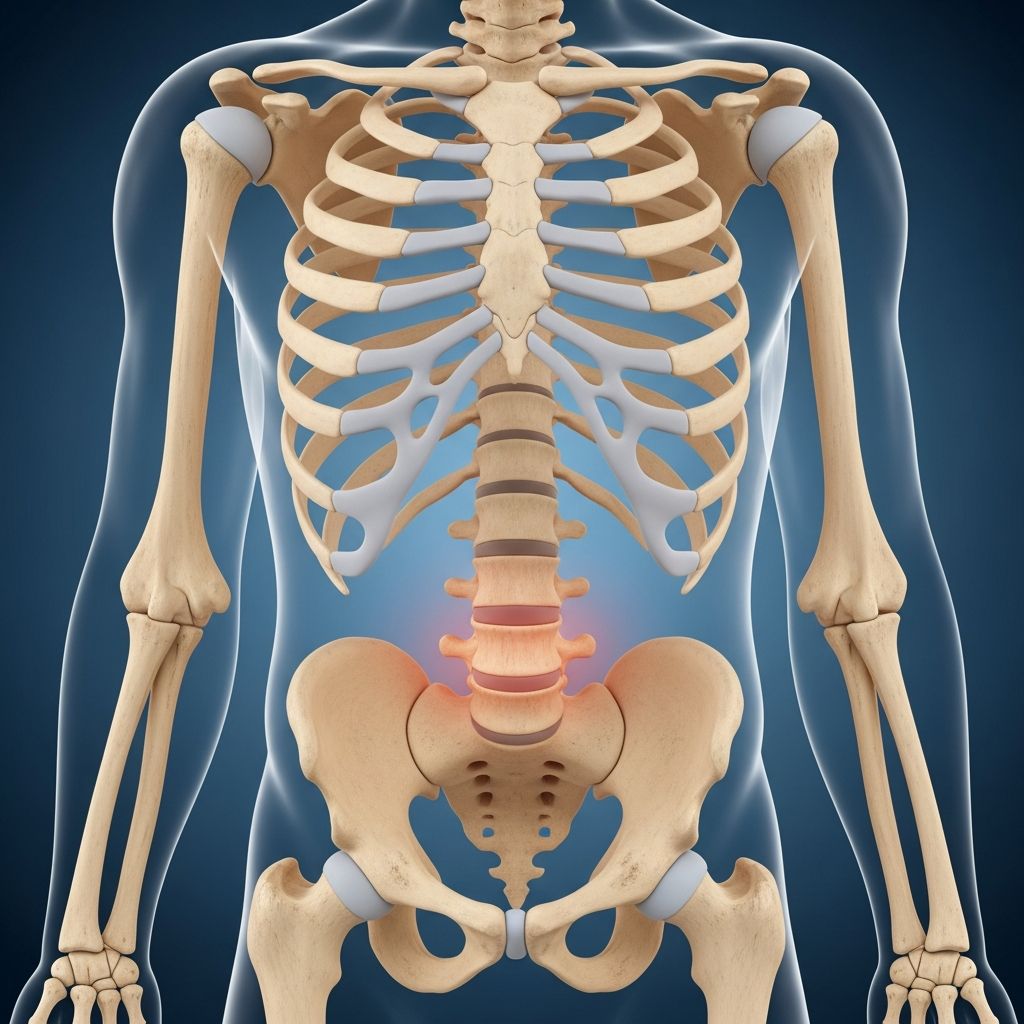
, is a rare autoinflammatory disorder characterized by the association of neutrophilic cutaneous lesions and chronic nonbacterial osteomyelitis, primarily affecting the anterior chest wall, spine, and long bones.What is SAPHO syndrome?
SAPHO syndrome represents a spectrum of osteoarticular and dermatological manifestations that can occur in the same patient. It is considered a pyogenic autoinflammatory disease, with an underestimated incidence due to its rarity and variable presentation. The condition bridges adult-onset forms with pediatric chronic non-bacterial osteitis (CNO) or chronic recurrent multifocal osteomyelitis (CRMO), often sharing features like sterile bone inflammation and skin involvement such as palmoplantar pustulosis (PPP) or severe acne.
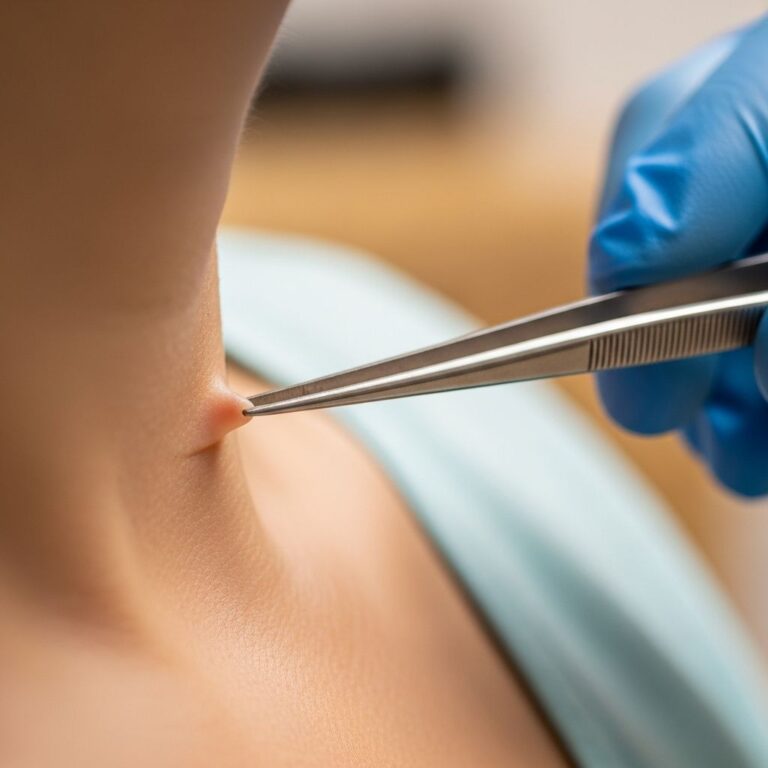
Typical features include inflammatory bone pain, tenderness, swelling, and skin lesions like PPP (yellow sterile pustules on palms and soles) and acne conglobata, fulminans, or hidradenitis suppurativa. Women more commonly develop PPP, while men present with severe acne forms. The disease course is often chronic with relapses and remissions, eventually self-limiting in many cases.
Who gets SAPHO syndrome? (Epidemiology)
SAPHO syndrome predominantly affects adults aged 30-50 years, with a slight female predominance in some cohorts, though severe acne forms are more common in males. Pediatric cases manifest as CRMO/CNO, typically in children and young adolescents under 20 years, with skin involvement in up to 20%. Global prevalence is low, but underdiagnosis occurs due to its heterogeneous presentation.
Risk factors may include genetic predisposition, with familial cases reported, and environmental triggers like infections or stress exacerbating flares. Associations with inflammatory bowel disease (IBD), psoriasis, and spondyloarthropathies suggest shared inflammatory pathways. Propionibacterium acnes (now Cutibacterium acnes) has been isolated from bone lesions, potentially triggering innate immunity via NLRP3 inflammasome activation, though not proven causative.
What causes SAPHO syndrome? (Aetiology / Pathogenesis)
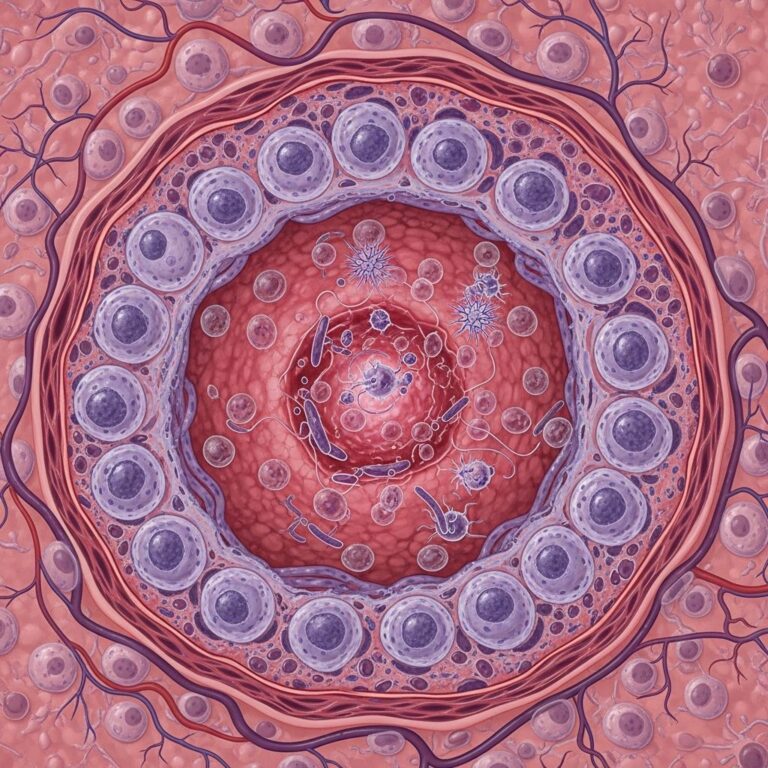
The exact pathogenesis remains unknown, involving a interplay of infectious, genetic, immunological, and environmental factors. Cutibacterium acnes, a skin commensal implicated in acne, is frequently cultured from sterile pustules and bone biopsies, activating IL-1β, IL-8, TNF-α, and IL-23 pathways, leading to sterile osteitis and synovitis.
Immunological dysregulation features elevated IL-18, endothelin-1 (ET-1), and IL-23, promoting vasculopathy, neutrophilic infiltration, and hyperostosis. Genetic links include associations with psoriasis and spondyloarthritis HLA alleles. No direct infectious cause is confirmed, as bone biopsies show sterile neutrophilic abscesses. Chronic stress and upper respiratory or urinary infections can trigger exacerbations.
What are the clinical features of SAPHO syndrome?
Skin lesions
Skin manifestations occur in 80-90% of cases, often preceding osteoarticular symptoms by 1-2 years or coinciding. Key lesions include:
- Palmoplantar pustulosis (PPP): Most common (up to 80%), featuring sterile yellow pustules on palms and soles that crust, peel, and recur. Bacteriology is usually negative, occasionally positive for C. acnes.
- Severe acne: Acne conglobata, fulminans, or hidradenitis suppurativa (acne inversa), more in males.
- Other rare lesions: Psoriasis, pyoderma gangrenosum, Sweet’s syndrome, Sneddon-Wilkinson disease.
Skin flares often parallel bone and joint exacerbations.
Musculoskeletal features
Osteoarticular involvement is hallmark, with anterior chest wall most affected (90%): sternoclavicular (SC) joints, sternum, clavicles, manubriosternal junction. Features include hyperostosis (bone thickening), osteitis (sterile inflammation), synovitis, and arthritis.
Related Stories



- Synovitis/Arthritis: SC joints (most common), sacroiliac, hips, knees; causes pain, swelling, reduced mobility.
- Hyperostosis/Osteitis: Sclerosing changes on imaging; CRMO-like in children affecting mandible, vertebrae, long bones.
Systemic symptoms: fever, fatigue, weight loss rare; abdominal pain, diarrhea suggesting IBD association.
How is SAPHO syndrome diagnosed? (Clinical diagnosis / Diagnostic criteria / Diagnostic tests / Imaging)
Diagnosis is clinical-radiological, suspected with pustular skin disease plus rheumatic pain, especially anterior chest. No pathognomonic test; exclusion of infection/malignancy essential.
Benveniste diagnostic criteria (1994)
| Category | Criteria |
|---|---|
| A | Anterior chest wall sterile osteoarticular lesions with PPP or severe acne. |
| B | Sterile osteoarticular lesions of anterior chest wall + chronic multifocal osteomyelitis or CRMO. |
| C | PPP or severe acne + sterile multifocal osteomyelitis affecting non-chest sites. |
| D | PPP or severe acne + single sterile osteitis of anterior chest wall or long bone/clavicle/vertebra/spine. |
Diagnosis if A or ≥3 from B-D.
Imaging
- X-ray: Hyperostosis, osteolysis, periostitis.
- CT: Bone sclerosis, erosions, ‘bullhead’ sign at SC joint.
- MRI: Bone marrow edema, soft tissue inflammation (STIR sequences).
- Bone scan/PET-CT: Increased uptake in multifocal sites.
- Biopsy: Neutrophilic abscesses, no organisms.
Differential diagnosis
SAPHO overlaps seronegative spondyloarthropathies (psoriatic arthritis, ankylosing spondylitis), infections (tuberculosis, brucellosis), malignancies (metastases, lymphoma), and other osteitis (chronic multifocal recurrent). Key differentiators: sterile biopsies, skin lesions, chest wall predilection.
| Condition | Distinguishing Features |
|---|---|
| Psoriatic Arthritis | Skin psoriasis (not pustulosis), HLA-B27+, peripheral joints dominant. |
| Infectious Osteomyelitis | Positive cultures, fever, response to antibiotics. |
| CRMO (pediatric) | Spectrum of SAPHO; multifocal long bone involvement. |
| IBD-associated Spondyloarthritis | Gut symptoms, sacroiliitis prominent. |
SAPHO syndrome treatment (Management)
No standardized therapy; multidisciplinary (rheumatology, dermatology, orthopedics). Aims: symptom relief, prevent deformity.
- First-line: NSAIDs (ibuprofen, indomethacin) for pain/inflammation.
- DMARDs: Sulfasalazine, methotrexate for refractory arthritis.
- Dermatologic: Retinoids (isotretinoin for acne, acitretin for PPP), topical corticosteroids, PUVA.
- Antibiotics: Doxycycline, clindamycin (empiric for C. acnes).
- Biologics: TNF inhibitors (infliximab, adalimumab) effective for refractory cases; IL-1 blockers (anakinra).
- Other: Bisphosphonates, corticosteroids (short-term), physiotherapy.
Surgery rare (drainage, joint replacement).
Complications of SAPHO syndrome
Chronic pain, joint ankylosis, mandibular osteitis (rare jaw deformity), spinal fractures from hyperostosis, depression from cosmetic skin disability. IBD association increases gastrointestinal risks.
SAPHO syndrome prognosis
Chronic-relapsing, but often self-limiting after years; pediatric CRMO remits by adulthood. Early treatment improves quality of life; biologics reduce flares. Mortality low, mainly from complications or comorbidities.
Frequently Asked Questions (FAQs)
Q: Is SAPHO syndrome contagious?
A: No, it is an autoinflammatory disorder, not infectious, despite occasional C. acnes isolation.
Q: Can children get SAPHO syndrome?
A: Yes, as CRMO/CNO with skin lesions in ~20%; long-term remission common.
Q: Does SAPHO syndrome cause permanent joint damage?
A: Possible ankylosis or hyperostosis, but early treatment mitigates.
Q: Is there a cure for SAPHO syndrome?
A: No cure; managed symptomatically, often self-resolves chronically.
Q: What is the link between SAPHO and acne?
A: Severe acne (fulminans/conglobata) is a core feature, driven by C. acnes triggering inflammation.
References
- SAPHO syndrome: a review — PMC – NIH. 2015-02-25. https://pmc.ncbi.nlm.nih.gov/articles/PMC4340847/
- SAPHO syndrome: pathogenesis, clinical presentation, imaging — PMC – NIH. 2022-01-18. https://pmc.ncbi.nlm.nih.gov/articles/PMC8802951/
- SAPHO syndrome and chronic non-bacterial osteitis (CNO) — Oxford Academic Rheumatology Advances. 2024-10-01. https://academic.oup.com/rheumap/article/8/4/rkae114/7822209
- SAPHO syndrome — DermNet NZ. Accessed 2026. https://dermnetnz.org/topics/sapho-syndrome
- SAPHO syndrome — Orphanet. Accessed 2026. https://www.orpha.net/en/disease/detail/793
Similar Articles








Read full bio of Sneha Tete