Sarcoma Treatment: Expert Answers from Carol Morris, MD
Comprehensive sarcoma treatment insights from leading orthopaedic oncologist Dr. Carol Morris at Johns Hopkins.
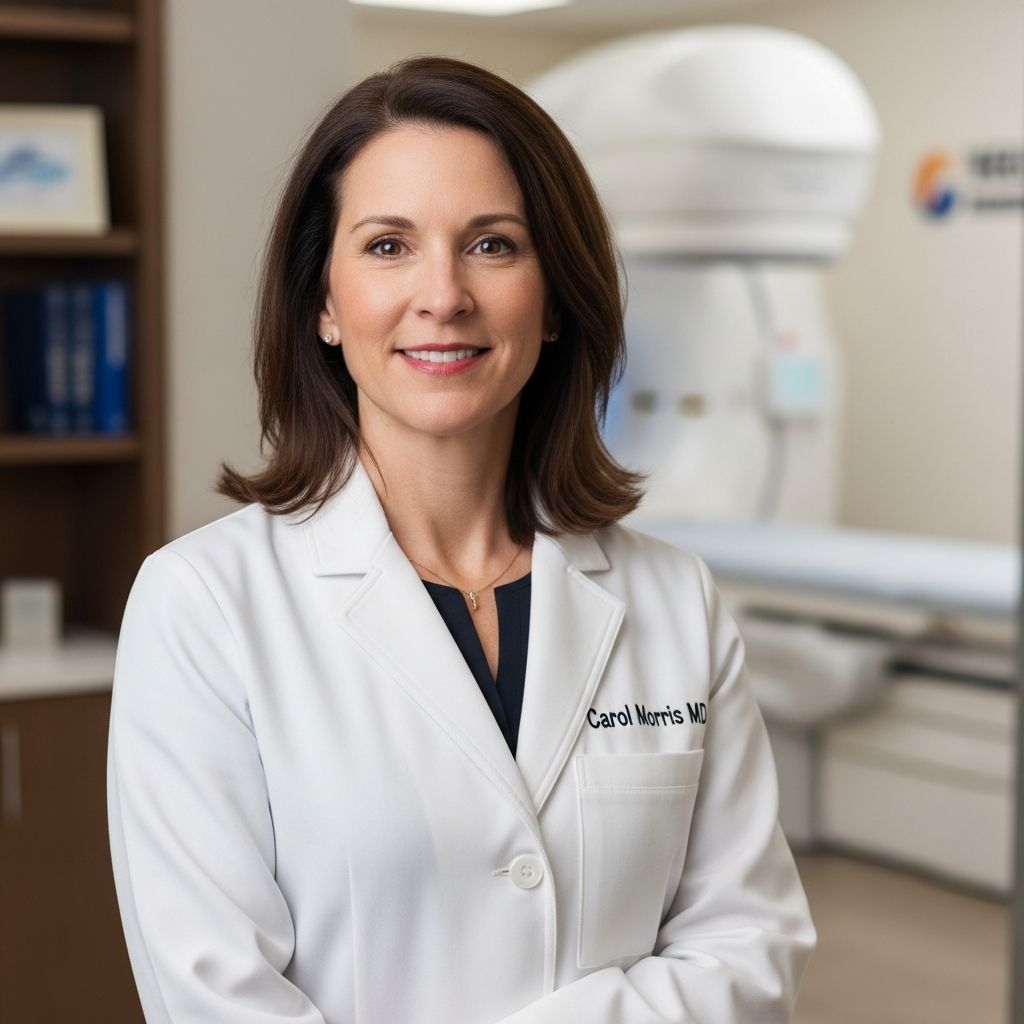
Understanding Sarcoma: A Comprehensive Guide to Treatment
Sarcoma represents a group of malignant tumors that develop in the connective tissues of the body, including bones and soft tissues. When patients receive a sarcoma diagnosis, one of their most pressing concerns involves understanding the available treatment options and what their prognosis might look like. Dr. Carol Morris, division chief of orthopaedic oncology at Johns Hopkins, has dedicated her career to providing comprehensive answers about sarcoma treatment and helping patients make informed decisions about their care.
What Exactly Is Sarcoma?
Sarcoma encompasses a diverse group of cancers that arise from mesenchymal tissues—the supportive structures of the body. These tumors can develop in bones (bone sarcomas) or in soft tissues such as muscles, fat, and connective tissues (soft tissue sarcomas). Common types of bone sarcomas include osteosarcoma, Ewing sarcoma, and chondrosarcoma. Understanding the specific type of sarcoma is crucial for determining the most appropriate treatment approach.
The grade of a sarcoma significantly impacts treatment decisions and prognosis. Higher-grade cancers tend to grow more rapidly and have a greater tendency to spread to other parts of the body, whereas lower-grade cancers typically remain localized where they originated. This grading system helps oncologists and surgeons develop targeted treatment plans tailored to each patient’s specific situation.
Multidisciplinary Approach to Sarcoma Treatment
Modern sarcoma treatment requires a collaborative approach involving multiple medical specialists. At Johns Hopkins, the orthopaedic oncology team has established a Sarcoma Multidisciplinary Clinic where patients can meet with all necessary specialists in a single visit. This coordinated approach includes orthopedic surgeons, medical oncologists, radiation oncologists, radiologists, and pathologists working together to develop comprehensive treatment plans.
The multidisciplinary team model ensures that all aspects of patient care are considered simultaneously, reducing treatment delays and improving overall outcomes. Specialists can discuss cases in real-time, share imaging and pathology findings, and arrive at consensus regarding the most effective treatment strategy for each individual patient.
Primary Treatment Modalities for Sarcoma
Sarcomas are typically treated using one or more of the following approaches:
- Surgery: Surgical removal of the tumor remains the cornerstone of sarcoma treatment, with the goal of complete tumor resection while preserving function
- Chemotherapy: Systemic treatment used to destroy cancer cells throughout the body and shrink tumors before surgery
- Radiation therapy: Targeted energy used to kill cancer cells and reduce tumor size, often used when surgery alone cannot achieve complete removal
- Combined therapy: Many sarcoma treatment plans integrate two or more of these modalities to maximize effectiveness
The specific combination of treatments depends on the tumor type, grade, size, location, and whether the cancer has spread to distant sites. Preoperative chemotherapy or radiation may be recommended to shrink the tumor and make surgical removal more feasible while preserving healthy tissue and function.
Limb Salvage Surgery: Preserving Function and Quality of Life
One of the most significant advances in sarcoma treatment has been the development and refinement of limb salvage surgical techniques. Historically, many patients with extremity sarcomas faced amputation as their only treatment option. Today, with modern surgical approaches and advances in reconstruction, most tumors can be removed without requiring limb amputation.
Related Stories



Limb salvage surgery involves carefully removing the diseased bone and surrounding tissue while preserving the limb’s function and structure. During this procedure, surgeons may replace removed bone using tissue from another part of the patient’s body (autograft) or utilize metallic implants designed specifically for orthopaedic reconstruction. Modern prosthetic replacements are significantly more durable and functional than those available in previous decades, allowing patients to return to near-normal activity levels.
The decision to pursue limb salvage versus amputation depends on multiple factors, including tumor location, size, relation to blood vessels and nerves, patient age, and functional goals. Dr. Morris emphasizes that there is no one-size-fits-all approach—the right surgical strategy must be individualized based on each patient’s unique circumstances and personal objectives.
Rotationplasty: An Innovative Alternative to Amputation
For patients with tumors located around the knee, rotationplasty represents a remarkable surgical innovation that can often prevent above-the-knee amputation. This unique procedure involves removing the diseased bone and tumor, then rotating the lower leg so that the ankle joint functions in place of the knee joint. The rotated lower leg is then fitted with a specialized prosthetic device.
Patients who undergo rotationplasty typically experience excellent functional outcomes and often return to very active lifestyles, including sports and recreational activities. While the procedure requires significant adaptation and rehabilitation, many patients report that the functional benefits substantially outweigh the cosmetic considerations. For appropriate candidates, rotationplasty offers a middle ground between traditional limb salvage and amputation, combining the functional benefits of both approaches.
Precision Medicine in Sarcoma Treatment
Dr. Morris’s surgical philosophy centers on precision medicine—identifying the right operation for the right patient based on their individual characteristics and specific needs. This personalized approach recognizes that optimal treatment differs significantly among patients, even when they have tumors of the same type or grade.
For example, the surgical approach most appropriate for a child may differ substantially from that recommended for an adult, even if both patients have the same tumor type. Pediatric patients have different goals, longer life expectancies, and require special consideration regarding growth plate preservation and long-term functional outcomes. Adult patients may have different priorities and tolerances that influence surgical decision-making.
Precision medicine also involves considering each patient’s personal goals and desired outcomes. Some patients prioritize maximum tumor removal and survival; others place greater emphasis on functional preservation and quality of life. Skilled surgeons work collaboratively with patients to understand these priorities and develop treatment plans that align with individual values and objectives.
Beyond Tumor Removal: Comprehensive Musculoskeletal Care
While successfully removing the cancer remains the primary objective of sarcoma treatment, it is not the only goal. Modern sarcoma care extends beyond simple tumor resection to encompass comprehensive management of the musculoskeletal system affected by both the cancer and its treatment.
Treatment teams focus on maintaining and restoring bone and muscle function, addressing the physical and functional consequences of tumor removal, and supporting patients’ overall quality of life. This holistic approach recognizes that removing the tumor represents the first step in a longer healing and rehabilitation journey. Patients require ongoing physiotherapy, functional assessment, and supportive care to optimize their recovery and return to meaningful activities.
The comprehensive musculoskeletal care model addresses complications related to surgery, chemotherapy, and radiation therapy. It also considers long-term functional outcomes, psychological adaptation, and social reintegration. This multifaceted approach helps patients achieve not just survival, but thriving after sarcoma treatment.
The Importance of Biopsy Technique
Before definitive treatment can be initiated, tissue diagnosis through biopsy is essential for confirming sarcoma and determining the specific tumor type and grade. Although patients and physicians often perceive biopsy as a simple, low-risk procedure, biopsy technique significantly impacts subsequent surgical success and patient outcomes.
Proper biopsy planning must consider the eventual surgical approach for tumor removal. A poorly planned biopsy can compromise limb salvage options or complicate definitive surgery. Critical technical considerations include biopsy trajectory, incision orientation, hemostasis control, and drainage placement. These seemingly minor technical details can determine whether limb-salvaging surgery remains feasible or whether amputation becomes necessary.
Experienced sarcoma centers carefully plan each biopsy, consulting with the surgical team that will perform definitive treatment. Pathologists utilize advanced diagnostic techniques, including molecular and genetic analysis, to accurately classify the tumor and provide prognostic information that guides treatment planning.
Imaging and Staging in Sarcoma Evaluation
Comprehensive imaging studies play a critical role in sarcoma diagnosis, staging, and surgical planning. Magnetic resonance imaging (MRI) provides excellent soft tissue detail and helps define tumor boundaries relative to surrounding structures. Computed tomography (CT) scanning evaluates bony involvement and helps detect pulmonary metastases, as the lungs represent the most common site for sarcoma spread.
Staging studies are directed at determining the extent of disease and identifying whether cancer has spread to distant sites. This workup focuses on locations where each specific tumor type most commonly metastasizes. For bone sarcomas, particular attention is paid to detecting pulmonary metastases, as these significantly impact prognosis and treatment recommendations.
Advanced imaging techniques, including positron emission tomography (PET) and dynamic contrast-enhanced imaging, can provide additional information about tumor biology and treatment response. These modalities help distinguish active tumor from fibrosis or necrosis, which is particularly valuable in assessing response to preoperative chemotherapy or radiation therapy.
Clinical Trials and Advancing Sarcoma Treatment
Johns Hopkins, like major comprehensive cancer centers nationwide, continuously develops new sarcoma treatments through clinical research and trials. These investigations explore innovative surgical techniques, novel chemotherapy agents, targeted therapies, and immunotherapies designed to improve outcomes and reduce treatment toxicity.
Patients with sarcoma may be eligible for clinical trials even if they are newly diagnosed. Participation in well-designed clinical trials offers access to cutting-edge treatments while contributing to the advancement of sarcoma care for future patients. The research mission of academic medical centers like Johns Hopkins ensures that patients benefit from the latest evidence-based treatments and innovative approaches.
Frequently Asked Questions About Sarcoma Treatment
Q: What is the difference between benign and malignant bone tumors?
A: Benign bone tumors are noncancerous growths that typically do not spread to other parts of the body and grow slowly. Malignant tumors are cancers that can grow rapidly and have the potential to spread to distant sites. Treatment approaches differ significantly between these two categories.
Q: Will I lose my limb if I have a sarcoma?
A: Modern surgical techniques make limb preservation possible for most patients with extremity sarcomas. Limb salvage surgery, which removes the tumor while preserving limb function, is now the standard approach. Amputation is reserved for cases where the tumor involves critical blood vessels or nerves that cannot be preserved.
Q: How long does sarcoma treatment typically take?
A: Treatment duration varies depending on the tumor type, grade, and treatment plan. Preoperative chemotherapy typically lasts several months, followed by surgery and possibly postoperative therapy. Total treatment may span six months to over a year, followed by surveillance imaging to monitor for recurrence.
Q: What is rotationplasty?
A: Rotationplasty is a surgical procedure for tumors around the knee where the diseased bone is removed and the lower leg is rotated so the ankle functions as a knee joint. This innovative approach often allows patients to avoid above-the-knee amputation and achieve excellent functional outcomes.
Q: What is the role of chemotherapy in sarcoma treatment?
A: Chemotherapy helps destroy cancer cells throughout the body and can shrink tumors before surgery, making complete removal more feasible. For certain sarcoma types, preoperative or postoperative chemotherapy significantly improves survival rates.
Q: How important is the multidisciplinary team approach?
A: The multidisciplinary team approach is essential for optimizing sarcoma treatment. Having surgeons, medical oncologists, radiation oncologists, and radiologists collaborate ensures comprehensive evaluation and coordinated care that improves outcomes and reduces treatment delays.
Q: What can I expect during rehabilitation after surgery?
A: Rehabilitation is a critical component of recovery after sarcoma surgery. Physical therapy helps restore strength and function, and most patients gradually return to normal activities. The timeline varies depending on the surgical procedure performed and individual healing responses.
Conclusion: Personalized Care and Hope
Sarcoma treatment has evolved dramatically over recent decades, offering patients better functional outcomes and improved survival rates. Under the leadership of experts like Dr. Carol Morris, modern sarcoma care emphasizes precision medicine, limb preservation, comprehensive musculoskeletal rehabilitation, and multidisciplinary collaboration. While sarcoma diagnosis remains serious, today’s treatment options provide genuine hope and the realistic possibility of returning to active, meaningful lives. Patients should seek care at specialized sarcoma centers where experienced teams can provide personalized treatment recommendations aligned with individual goals and values.
References
- Orthopaedic Surgery Service at Memorial Sloan Kettering — Memorial Sloan Kettering Cancer Center. 2024. https://www.mskcc.org/cancer-care/doctors/carol-morris
- Orthopaedic Oncology at Johns Hopkins — Johns Hopkins Medicine. 2016. https://www.youtube.com/watch?v=VSgvjXeFmiE
- The Role of Imaging in Extremity Sarcoma Surgery — Johns Hopkins University School of Medicine. 2024. https://pure.johnshopkins.edu/en/publications/the-role-of-imaging-in-extremity-sarcoma-surgery/fingerprints/
- American Cancer Society: Soft Tissue Sarcoma — American Cancer Society. 2024. https://www.cancer.org
- National Cancer Institute: Bone Cancer Information — National Cancer Institute. 2024. https://www.cancer.gov
Similar Articles








Read full bio of Sneha Tete