Sauerkraut Benefits: 8 Proven Boosts For Gut, Heart & Brain
Discover the probiotic power of sauerkraut: gut health, immunity boost, heart support, and more from this fermented superfood.
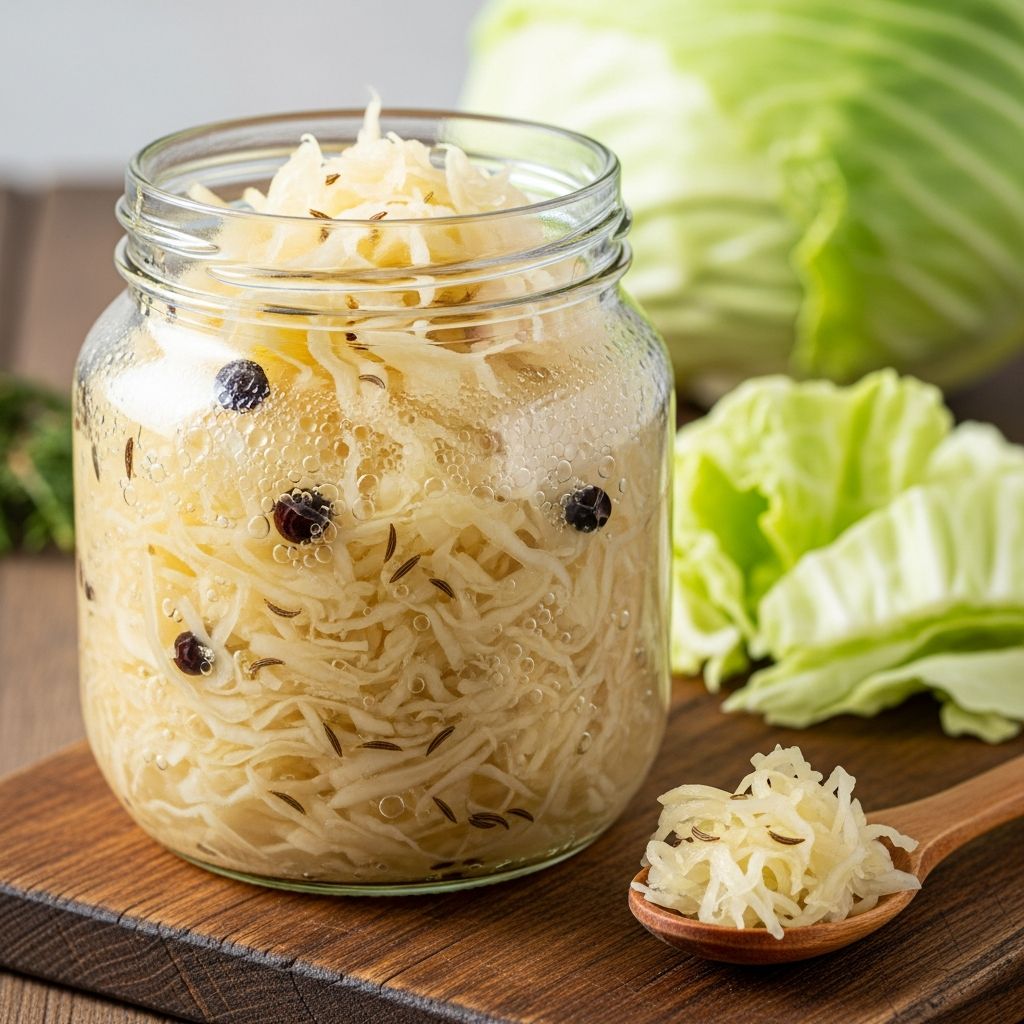
Sauerkraut, finely shredded and fermented cabbage, delivers powerful health benefits through its probiotics, vitamins, and fiber. This traditional food supports gut health, immunity, and more when consumed regularly in unpasteurized form.
What Is Sauerkraut?
Sauerkraut originates from Central and Eastern Europe, where “sauer” means sour and “kraut” means cabbage. The fermentation process involves lactobacilli bacteria converting cabbage sugars into lactic acid, creating a tangy, crunchy preserve rich in live probiotics.
Unlike pasteurized versions that kill beneficial bacteria during heat processing, raw sauerkraut retains diverse strains—up to 28 in one serving—that promote health. It’s low-calorie (19 calories per cup), gluten-free, vegan, and packed with nutrients like vitamin C, K, iron, and fiber.
Sauerkraut Nutrition Facts
One cup (142g) of drained sauerkraut provides:
- Calories: 27
- Protein: 1.3g
- Fiber: 4g (14% DV)
- Vitamin C: 35% DV
- Vitamin K1: 17% DV
- Vitamin B6: 12% DV
- Iron: 15% DV
- Copper: 16% DV
- Manganese: 10% DV
- Folate: 6% DV
Probiotics vary by batch but include Lactobacillus species key for gut balance. A UC Davis study confirmed sauerkraut metabolites mimic those from the gut microbiome, enhancing intestinal cell integrity against inflammation.
| Nutrient | Amount per 1 Cup (142g) | % Daily Value |
|---|---|---|
| Calories | 27 | – |
| Fiber | 4g | 14% |
| Vitamin C | 21mg | 35% |
| Vitamin K | 20mcg | 17% |
| Iron | 2.7mg | 15% |
This profile makes sauerkraut a nutrient-dense addition to meals.
8 Health Benefits of Sauerkraut
1. Provides Probiotics and Digestive Enzymes
Sauerkraut teems with live probiotics that colonize the gut, outcompeting harmful bacteria and aiding toxin defense. These enzymes break down food, easing nutrient absorption.
A study in Applied and Environmental Microbiology showed sauerkraut protects intestinal cells from inflammation, unlike raw cabbage.
2. Improves Digestion
The gut hosts over 38 trillion microbes crucial for digestion. Sauerkraut’s probiotics foster healthy flora, reducing antibiotic-associated diarrhea and inflammatory bowel symptoms.
Fiber softens stool for constipation relief and absorbs excess water for diarrhea control. Probiotics enhance vitamin/mineral uptake, promoting regularity.
3. Boosts Immune System
Gut bacteria influence 70-80% of immunity. Sauerkraut strengthens the gut lining, preventing leaks that trigger inflammation, and boosts antibody production.
Regular intake lowers risks of colds and UTIs while speeding recovery. Vitamin C and iron further fortify defenses.
4. May Help You Lose Weight
Low-calorie with high fiber and water, sauerkraut promotes fullness. Probiotics may regulate appetite hormones like GLP-1 and ghrelin.
One study linked probiotic foods to lower BMI and body fat, though more research is needed.
5. Helps Reduce Stress and Maintain Brain Health
The gut-brain axis links flora to mood. Sauerkraut probiotics improve mood, memory, and reduce anxiety/depression symptoms by enhancing mineral absorption (magnesium, zinc).
Fermented foods support serotonin production. Caution: May interact with MAOIs; consult doctors.
6. May Reduce Cancer Risk
Sulforaphane in cabbage combats oxidative damage, prevents cell mutation, and inhibits cancer growth, especially colorectal.
Isothiocyanates from glucosinolates show anti-cancer potential in lab studies, though human data is emerging.
Related Stories



7. May Promote Heart Health
Fiber and probiotics lower LDL cholesterol. They modestly reduce blood pressure in hypertensives.
Vitamin K2 prevents arterial calcium buildup, cutting heart disease risk. Potassium aids blood pressure regulation.
8. Contributes to Stronger Bones
Vitamin K2 activates osteocalcin, binding calcium to bones for density. Studies link K2 intake to better bone health, though sauerkraut’s amount needs further validation.
Potential Downsides of Sauerkraut
High sodium (661mg per cup, 29% DV) risks hypertension; rinse to reduce. FODMAPs may cause bloating in IBS. Histamine sensitivity leads to headaches. Vitamin K affects blood thinners—monitor intake.
- High sodium: Choose low-sodium or limit portions.
- Histamine intolerance: Symptoms include flushing, hives.
- Drug interactions: Warfarin users stabilize intake.
How to Make Sauerkraut at Home
Homemade ensures live probiotics. Ingredients: 1 medium cabbage (2 lbs), 1-1.5 tbsp sea salt.
- Quarter cabbage, remove core, thinly slice.
- Massage with salt 10 mins until watery.
- Pack into jar, press below liquid; add brine if needed (1.5 tsp salt per cup water).
- Weigh down, ferment 3-14 days at 60-70°F, burp daily.
- Refrigerate when tangy.
Lab and store-bought yield similar benefits.
What Is the Best Way to Eat Sauerkraut?
- Start with 1-2 tbsp daily to avoid bloating.
- Add to salads, sandwiches, eggs, soups.
- Recipes: Sauerkraut eggs, pierogi.
Choose refrigerated, unpasteurized for probiotics.
Frequently Asked Questions (FAQs)
Is sauerkraut good for your gut?
Yes, probiotics and fiber improve flora balance, digestion, and reduce inflammation.
Is sauerkraut anti-inflammatory?
Sauerkraut metabolites protect gut cells from damage, per UC Davis research.
Does sauerkraut have probiotics?
Unpasteurized does, with diverse Lactobacillus strains.
Is it better to eat sauerkraut raw or cooked?
Raw preserves probiotics; cooking kills them.
Is sauerkraut good for weight loss?
Fiber promotes satiety; probiotics may aid fat loss.
Who should not eat sauerkraut?
Those with histamine intolerance, high blood pressure (due to sodium), or on blood thinners.
The Bottom Line
Sauerkraut’s probiotics, fiber, vitamins C/K2, and antioxidants deliver multifaceted benefits: better digestion, immunity, heart/brain health, and more. Opt for raw varieties and incorporate small daily amounts for optimal results. Home fermentation is simple and effective.
References
- 8 Surprising Benefits of Sauerkraut (Plus How to Make It) — Healthline. 2023-10-12. https://www.healthline.com/nutrition/benefits-of-sauerkraut
- The Gut Health Benefits of Sauerkraut — UC Davis. 2024-05-15. https://www.ucdavis.edu/food/news/gut-health-benefits-sauerkraut
- Is Sauerkraut Good For You? | 7 Top Sauerkraut Benefits — Cultures for Health. 2023-08-20. https://culturesforhealth.com/blogs/learn/is-sauerkraut-good-for-you-sauerkraut-benefits
- Regular Consumption of Sauerkraut and Its Effect on Human Health — PMC (NCBI). 2014-11-14. https://pmc.ncbi.nlm.nih.gov/articles/PMC4268643/
- Sauerkraut: A Probiotic Superfood — Functional Foods in Health and Disease. 2013-06-01. https://ffhdj.com/index.php/ffhd/article/view/262/519
Similar Articles








Read full bio of medha deb