Thinning Hair: 7 Effective Treatments To Try
Discover proven strategies and treatments to combat hair loss and restore hair growth at any age.
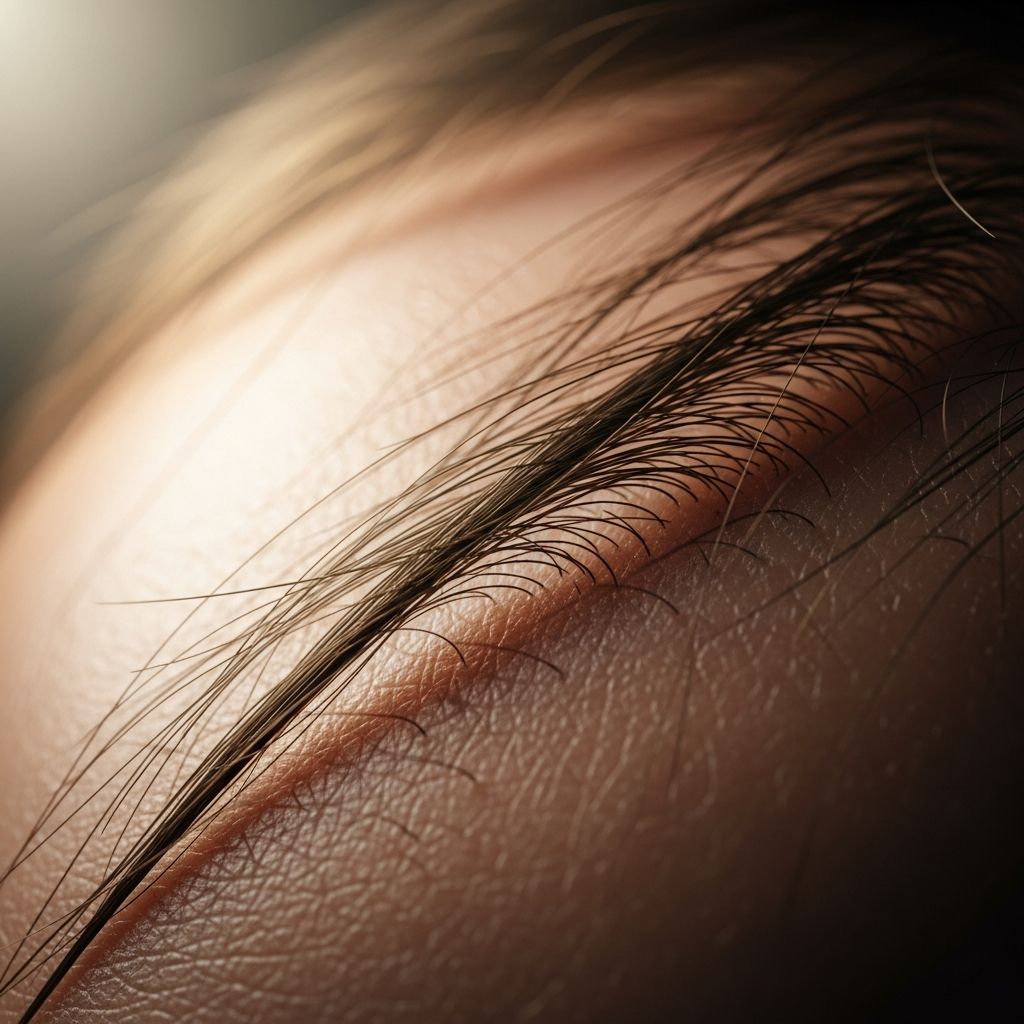
It’s Not Too Late to Save Thinning Hair
Hair loss affects millions of people worldwide, and the emotional impact can be significant. Whether you’re experiencing gradual thinning or more noticeable hair loss, the good news is that effective treatment options are available. With advances in dermatology and medical research, there are more solutions than ever before to address thinning hair and restore confidence. The key is understanding your options and taking action early.
Understanding Hair Loss and Its Causes
Hair loss occurs through multiple mechanisms, and understanding the underlying cause is essential for selecting the right treatment. The most common form is androgenetic alopecia, or pattern baldness, which affects both men and women. This type of hair loss is largely determined by genetics and the body’s sensitivity to androgens, male sex hormones that shrink hair follicles over time.
Other forms of hair loss include alopecia areata, an autoimmune condition where the body’s immune system attacks hair follicles, causing patchy hair loss. Alopecia areata affects more than 6 million Americans and can occur at any age, including in children. Additionally, hair loss can result from nutritional deficiencies, hormonal changes, stress, certain medications, or medical conditions such as thyroid disease or lupus.
FDA-Approved Medications for Hair Loss
Fortunately, the U.S. Food and Drug Administration has approved medications specifically designed to combat hair loss. These treatments have been scientifically tested and proven effective for many individuals.
Minoxidil (Rogaine)
Minoxidil is an over-the-counter topical medication available for both men and women. It comes in two convenient forms—liquid and foam—and at two different strengths: 2% and 5%. The 5% strength is typically more potent and may be recommended for significant hair loss.
How it works: While the exact mechanism isn’t completely understood, minoxidil stimulates new hair growth by increasing blood flow to hair follicles. This enhanced circulation may help revitalize dormant follicles and promote the growth phase of the hair cycle.
How to use it: Minoxidil requires consistent application directly to the scalp twice daily for best results. Patience is essential, as it typically takes several months before noticeable improvements appear. Some users see results within three to four months, while others may need six months or longer.
Effectiveness: Studies demonstrate that minoxidil is highly effective for treating age-related hair loss in both men and women. It works best when used consistently and can slow hair loss or even stimulate regrowth in responsive individuals.
Finasteride (Propecia)
Finasteride is an oral prescription medication primarily used for men with male pattern baldness. This medication works by blocking the enzyme that converts testosterone into dihydrotestosterone (DHT), the hormone primarily responsible for hair loss in genetically predisposed men.
How it works: By reducing DHT levels in the scalp, finasteride helps prevent further hair loss and may stimulate some hair regrowth in existing follicles. It’s most effective when started early, before significant hair loss has occurred.
Related Stories



Effectiveness: Clinical studies show that finasteride can halt hair loss progression in approximately 90% of men and produce noticeable hair regrowth in about 65% of users. Results typically become apparent after three to six months of consistent use.
Additional Treatment Options
Beyond FDA-approved medications, several other treatments show promise for addressing hair loss.
Spironolactone
This diuretic medication, commonly used to treat high blood pressure, also possesses anti-androgen properties. Spironolactone is frequently prescribed to women whose hair loss doesn’t respond adequately to minoxidil alone. By reducing androgen activity, it can help slow or stop androgenetic alopecia in women.
Corticosteroids for Autoimmune Hair Loss
For individuals with autoimmune conditions like alopecia areata, lichen planopilaris, or lupus-related hair loss, corticosteroids can be effective. These medications suppress the immune response that attacks hair follicles. Both topical and injectable forms are available, with injectable steroids often delivering faster and more dramatic results.
Platelet-Rich Plasma (PRP) Therapy
PRP therapy is an emerging treatment that uses components derived from a person’s own blood to stimulate healing and hair growth. While traditionally used for muscle and bone injuries, recent research shows promise for treating androgenetic alopecia. During the procedure, blood is drawn and processed to concentrate platelets, which are then injected into the scalp to stimulate hair follicles.
Revolutionary Microneedle Patch Technology
Recent groundbreaking research from MIT and Harvard has unveiled a promising new approach for treating alopecia areata. Scientists have developed innovative microneedle patches that deliver immune-regulating molecules directly to affected areas of the scalp. Unlike systemic treatments that suppress the entire immune system, this targeted approach works locally to restore immune balance specifically at the site of hair loss.
How Microneedle Patches Work
The microneedle patches are constructed from biocompatible materials made of hyaluronic acid and polyethylene glycol (PEG). These tiny, dissolvable needles penetrate the skin without causing pain and release two critical immune-modulating substances: IL-2 and CCL-22. These molecules work together to recruit and expand regulatory T cells—immune cells that help calm inflammation and teach the immune system to stop attacking hair follicles.
Clinical Results
In laboratory studies, researchers tested the microneedle patches on mice with alopecia areata and observed significant improvements. Treatment every other day for three weeks resulted in substantially increased regulatory T cell numbers at the treatment site, reduced inflammation, and notable hair regrowth. Importantly, the treatment did not affect immune cell populations in other parts of the body, eliminating systemic side effects.
To validate human applicability, researchers also tested the patches on human skin grafted onto mice with humanized immune systems. The results were equally promising, suggesting that this technology could be effective in human patients. Hair regrowth was maintained for several weeks after treatment ended, indicating potentially long-lasting benefits.
Advantages of Microneedle Patch Therapy
- Targeted Treatment: The patches deliver medication precisely to affected areas, minimizing systemic side effects and reducing the risk of adverse reactions throughout the body.
- Non-Invasive: Unlike injectable corticosteroids, which patients find painful and difficult to tolerate, microneedle patches offer a painless application method.
- Monitoring Capability: The patches can collect skin samples after drug delivery, allowing clinicians to measure regulatory T cell levels and inflammation markers to assess treatment effectiveness.
- Versatility: This technology could potentially be adapted to treat other autoimmune skin conditions, including vitiligo, atopic dermatitis, and psoriasis.
Lifestyle and Dietary Approaches
While medical treatments form the foundation of hair loss management, lifestyle modifications can support hair health and potentially enhance treatment effectiveness.
Nutritional Support
Hair health depends on adequate nutrition. Key nutrients for hair growth include:
- Protein: Hair is primarily composed of protein, making adequate dietary protein essential.
- Iron: Iron deficiency can trigger or worsen hair loss; ensure sufficient intake through red meat, poultry, or plant-based sources.
- Zinc: This mineral supports hair growth and immune function; sources include oysters, beef, and legumes.
- B Vitamins: Biotin and other B vitamins promote hair strength and growth.
- Omega-3 Fatty Acids: These anti-inflammatory compounds support scalp health and follicle function.
Stress Management
Chronic stress can precipitate or exacerbate hair loss through multiple mechanisms. Incorporating stress-reduction practices such as meditation, yoga, regular exercise, or counseling can support overall health and potentially improve hair outcomes.
Scalp Care
Gentle scalp care preserves hair health. Avoid harsh chemical treatments, excessive heat styling, and tight hairstyles that can physically damage hair. Use sulfate-free shampoos and conditioners, and limit shampooing to three times weekly or less.
When to Seek Professional Help
If you’re experiencing hair loss, consulting a dermatologist or trichologist is advisable. These specialists can identify the specific cause of your hair loss and recommend appropriate treatments. Early intervention typically yields better results, as treatments are often more effective before significant hair follicle damage occurs.
Seek professional evaluation if you notice sudden hair loss, patchy areas of baldness, scalp pain or itching, or if over-the-counter treatments haven’t produced results after six months of consistent use.
Combination Therapy Approaches
Often, combining multiple treatments produces better results than monotherapy. For instance, some dermatologists recommend pairing minoxidil with finasteride in men, or minoxidil with spironolactone in women. Some patients benefit from combining topical medications with PRP therapy or other emerging treatments. Your dermatologist can develop a personalized protocol based on your specific type and severity of hair loss.
Timeline for Results
Hair growth is a slow biological process, and patience is essential when treating hair loss. Most topical treatments require three to six months of consistent use before visible results appear. Some individuals continue seeing improvement for up to two years. It’s crucial to maintain consistent treatment as recommended, as discontinuing therapy often results in resumed hair loss within months.
Frequently Asked Questions
Q: Can hair loss be completely reversed?
A: This depends on the cause and duration of hair loss. Early-stage hair loss responds better to treatment than long-standing baldness where follicles have permanently atrophied. Most medications halt progression and may stimulate regrowth, but complete restoration of all lost hair isn’t guaranteed.
Q: How long do results from hair loss treatments last?
A: Most treatments require ongoing use to maintain results. Once you stop using minoxidil or finasteride, hair loss typically resumes within months. The emerging microneedle patch therapy showed sustained effects for weeks after treatment, suggesting potential for longer-lasting results, though long-term data in humans is pending.
Q: Are there side effects associated with hair loss medications?
A: Minoxidil side effects are typically minimal and localized to the scalp, including possible itching or irritation. Finasteride may cause sexual side effects in a small percentage of men. Corticosteroids can cause skin atrophy with long-term use. Always discuss potential side effects with your healthcare provider.
Q: Is minoxidil safe for women?
A: Yes, minoxidil is FDA-approved for women and considered safe. However, pregnant or nursing women should avoid it, and women of childbearing age using finasteride should use reliable contraception since it can affect fetal development.
Q: When will microneedle patch therapy be available?
A: Researchers are currently developing the technology for clinical trials. While promising results have been demonstrated in animal models and human skin grafts, several years of testing and regulatory approval are typically required before new medical treatments become commercially available.
Q: Can diet alone cure hair loss?
A: While proper nutrition supports hair health, diet alone is unlikely to reverse significant hair loss caused by genetics or autoimmune conditions. However, correcting nutritional deficiencies can optimize treatment effectiveness when combined with medical therapies.
Conclusion
Hair loss doesn’t have to be inevitable or permanent. With numerous treatment options available—from proven medications like minoxidil and finasteride to cutting-edge innovations like microneedle patches—there are realistic opportunities to halt progression and restore hair growth. The key is recognizing hair loss early, understanding its underlying cause, and implementing appropriate treatment promptly. Combining medical therapies with supportive lifestyle modifications and professional guidance maximizes your chances of success. Whether you’re dealing with age-related thinning or autoimmune-related alopecia, consult with a dermatologist to develop a personalized treatment plan tailored to your specific needs and circumstances.
References
- New Treatment Could Reverse Hair Loss Caused by an Autoimmune Skin Disease — MIT News. 2024-05-09. https://news.mit.edu/2024/new-treatment-could-reverse-hair-loss-caused-autoimmune-skin-disease-0509
- MIT & Harvard Develop Revolutionary Microneedle Hair Patch — Anderson Center for Hair. https://atlantahairsurgeon.com/mit-harvard-develop-revolutionary-microneedle-hair-patch/
- Hair Loss Medication: A Comprehensive Guide for Older Adults — National Council on Aging. https://www.ncoa.org/article/hair-loss-medication-guide/
Similar Articles








Read full bio of medha deb