Save Your Scalp From Sun Damage: Comprehensive Guide For 2025
Protect your scalp from harmful UV rays to prevent precancers, skin cancers, and premature aging. Learn essential strategies for men and women.

By Joanna Dong, MD, and C. William Hanke, MD, MPH
Men and women with thinning hair and bald spots face heightened vulnerability to sun exposure, which can lead to precancers and skin cancers. The earlier you begin protecting your scalp from ultraviolet (UV) rays, the better your long-term skin health. This comprehensive guide explores the risks, visible signs of damage, protective strategies, and detection methods to safeguard this often-overlooked area.
Why the Scalp Is Vulnerable to Sun Damage
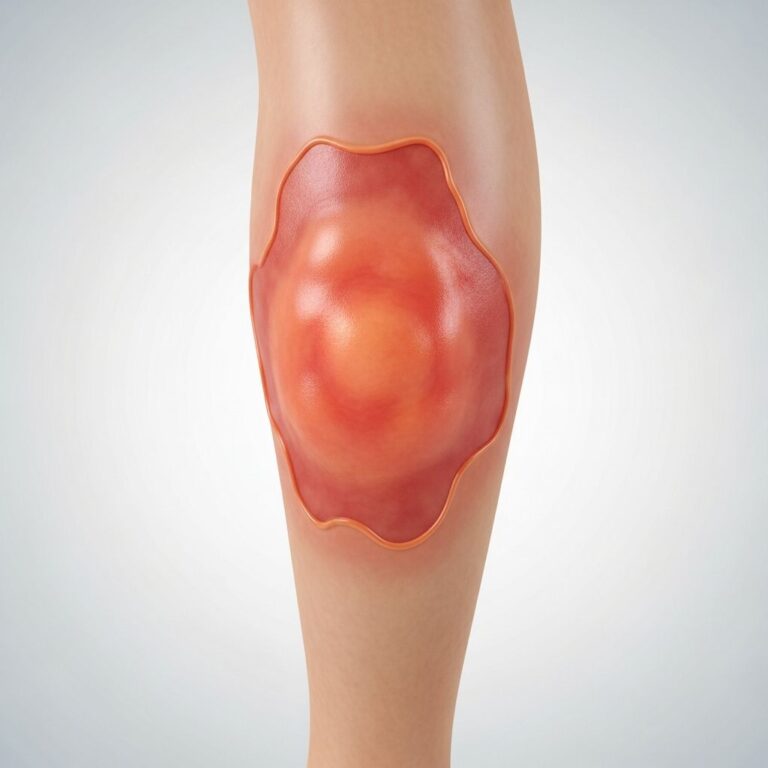
The scalp receives direct UV exposure, especially when hair thins or is absent. A bald or thinning scalp often shows years of cumulative damage through redness, flaky patches, and a rough, sandpaper-like texture. These symptoms frequently indicate actinic keratoses (AKs), precancerous lesions that affect up to 5-10% of cases progressing to invasive skin cancers, some aggressive and large.
UV radiation penetrates the scalp easily without hair protection, causing DNA damage in skin cells. Over time, this leads to photoaging and increases melanoma risk, particularly on the scalp where detection is delayed due to hair coverage or inaccessibility. Men are disproportionately affected due to hereditary baldness, but women are not immune, especially with significant lifetime sun exposure.
Skin cancer on the scalp is more prevalent in men, linked to pattern baldness exposing larger areas. Statistics from dermatology clinics show higher incidence rates, emphasizing prevention as key since less than 15% of men regularly use sunscreen outdoors for over an hour.
Signs of Sun Damage on the Scalp
Early detection hinges on recognizing subtle changes. Common indicators include:
- Redness and irritation: Persistent red patches signal chronic UV overexposure.
- Flaky or scaly areas: Rough, sandpaper-textured skin points to actinic keratoses.
- Precancerous spots: AKs appear as rough, dry patches that may itch or bleed; 5-10% evolve into squamous cell carcinoma.
- Changes in moles or lesions: New growths, asymmetry, irregular borders, color variation, or diameter over 6mm warrant immediate checks.
Extensive AKs can cover nearly the entire exposed scalp, heightening cancer risk. Regular self-exams and professional screenings are crucial, as scalp cancers grow undetected longer than on visible body areas.
Best Ways to Protect Your Scalp
Effective protection combines barriers, timing, and habits. While sunscreen is vital, hats offer consistent coverage without reapplication hassles.
Wear the Right Hat
Hats provide immediate, reliable defense. Opt for wide-brimmed styles (at least 3 inches) covering the scalp, face, ears, and neck. Look for ultraviolet protection factor (UPF) 50+ labels for maximum blocking.
- Legionnaire-style hats: Adjustable with neck flaps for full coverage.
- Broad-brimmed hats: Ideal for outdoor activities.
- Baseball caps with extensions: Add neck protection for everyday use.
AAD recommends sun-protective clothing including hats; shadows shorter than your height signal peak UV times (10 a.m.-4 p.m.).
Sunscreen Application Tips
Related Stories



Use broad-spectrum, water-resistant SPF 30+ (97% UV block) or SPF 50 (98% block). Apply one ounce (shot glass full) 15 minutes before exposure, reapplying every 2 hours or after sweating/swimming.
For scalps:
- Spray sunscreens: Easy for hairlines and parts; mist generously.
- Lotions or sticks: Part hair and massage into scalp.
- Don’t skip: Scalp, part lines, ears, neck.
Challenges: Most apply insufficient amounts and forget reapplication. Hats outperform for convenience.
Scalp Protection for Men
Men with male pattern baldness or shaved heads are prime targets. Skin cancer rates are higher due to exposed skin.
Q: Is sunscreen enough for bald scalps?
A: SPF 30 offers 97% protection but requires generous application and frequent reapplication, often impractical. Hats ensure constant protection without effort.
Incorporate daily habits: hats outdoors, sunscreen on exposed areas, shade-seeking 10 a.m.-4 p.m. Avoid tanning beds, which amplify UVA/UVB damage.
Scalp Protection for Women
Women with full hair aren’t safe; cancers develop from prolonged exposure like tanning or farm work. Redheads face elevated risk.
Q: Can skin cancer occur under hair?
A: Yes, UV penetrates hair, especially thinned parts. Clinic cases show cancers in women with sun histories. Wear hats, check scalps via mirrors or partners.
Annual dermatologist exams should include scalp checks. Note texture changes or spots.
Additional Sun Safety Tips
Beyond scalp focus:
- Avoid peak sun (10 a.m.-4 p.m.); seek shade if shadow is short.
- Wear UPF clothing, sunglasses, SPF lip balm.
- Reapply sunscreen near water/snow/sand (reflective).
- No tanning beds; they raise melanoma risk.
- Year-round protection, even cloudy days (80% UV penetration).
Lifestyle: Quit smoking, hydrate, moisturize to support skin health.
Early Detection and Skin Checks
Perform monthly self-exams: Part hair systematically, use mirrors. Look for ABCDEs of melanoma (Asymmetry, Border irregularity, Color variation, Diameter >6mm, Evolving).
Annual dermatologist visits, more if high-risk (sun history, fair skin, family cases). Photodynamic therapy (PDT) treats precancers on scalp/face.
| Risk Factor | Prevention Action |
|---|---|
| Thinning hair/baldness | Wide-brim hat + spray SPF |
| Peak hours exposure | Seek shade 10am-4pm |
| Water activities | Reapply SPF every 2 hrs |
| Children | Shade/clothing first, SPF after 6mo |
Frequently Asked Questions (FAQs)
Q: Why is skin cancer more common on men’s scalps?
Hereditary baldness exposes more scalp to UV rays, increasing damage accumulation.
Q: Is sunscreen alone sufficient for scalp protection?
It provides strong protection if applied generously and reapplied, but hats offer reliable, effortless coverage.
Q: How can women check their scalp for issues?
Use mirrors, enlist family/hairdresser help; ensure dermatologist exams include scalp.
Q: What SPF is best for the scalp?
Broad-spectrum SPF 30+; prefer SPF 50 for enhanced block, water-resistant.
Q: Does hair fully protect the scalp?
No, UV penetrates; part lines and thinning areas remain vulnerable.
Q: When to see a doctor for scalp changes?
Any new/ changing spots, roughness, or bleeding; early intervention is key.
References
- Get a Head Start on Preventing Scalp Melanoma — Texas Health. 2023. https://www.texashealth.org/Health-and-Wellness/Oncology/Get-a-Head-Start-on-Preventing-Scalp-Melanoma
- Uncommon but Essential: Skin Cancer Prevention Tips — Arizona Dermatology. 2025-05-19. https://arizonaderm.com/2025/05/19/uncommon-but-essential-skin-cancer-prevention-tips-you-havent-heard-before/
- How to prevent skin cancer — American Academy of Dermatology. 2024. https://www.aad.org/public/diseases/skin-cancer/prevent/how
- Preventing skin cancer: Advice for before, and after, sun damage occurs — Medical University of South Carolina. 2022-05-23. https://www.musc.edu/content-hub/news/2022/05/23/preventing-skin-cancer-advice-for-before-and-after-sun-damage-occurs
- Be sun savvy, protect yourself from skin cancer — Mayo Clinic. 2024. https://sncs-prod-external.mayo.edu/hometown-health/speaking-of-health/be-sun-savvy-and-protect-yourself-from-skin-cancer
- Skin Cancer Prevention — UCSF Health. 2024. https://www.ucsfhealth.org/education/skin-cancer-prevention
- Save Your Scalp from Sun Damage! — Skin Cancer Foundation. 2024. https://www.skincancer.org/blog/save-your-scalp-from-sun-damage/
Similar Articles








Read full bio of Sneha Tete