Farmers Market Shopping: Essential Tips For Savvy Shoppers
Master the art of farmers market shopping with expert tips for freshness, savings, and discovering local produce.
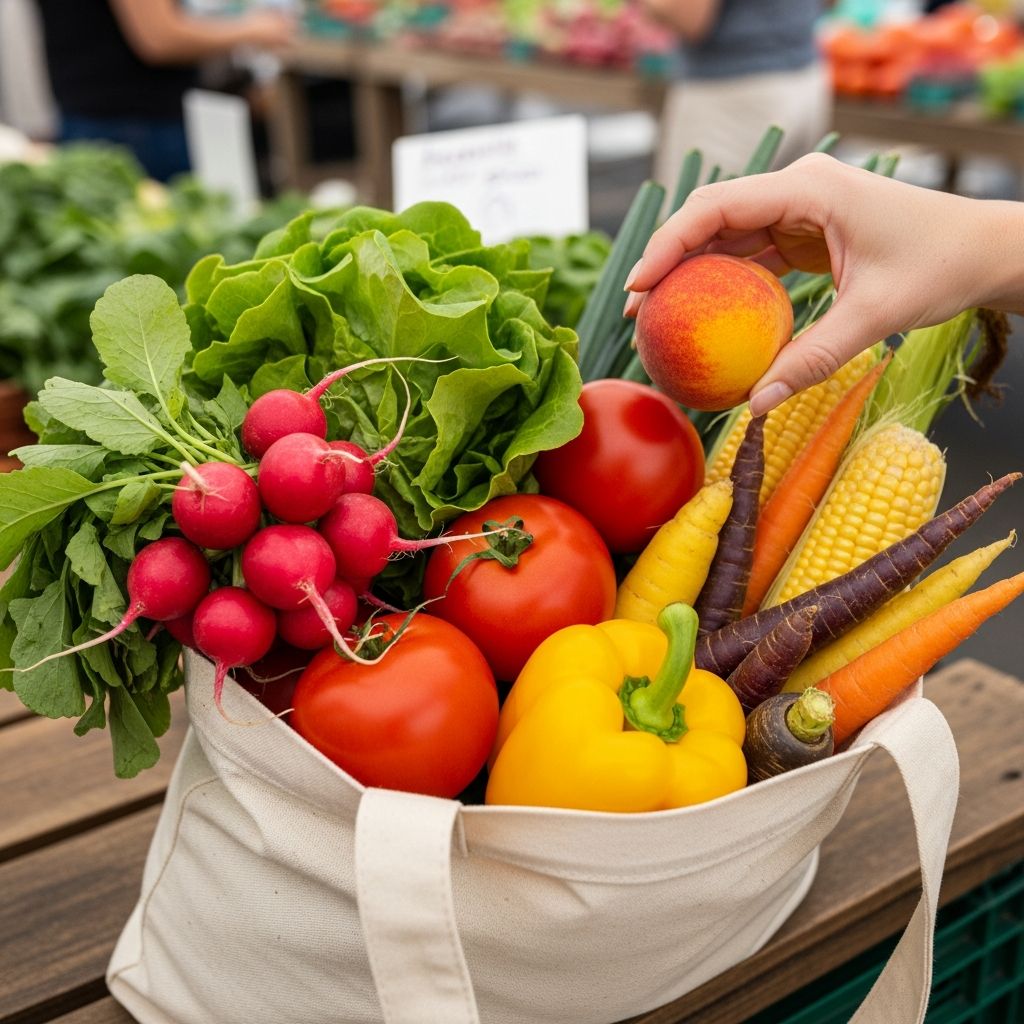
Farmers markets are becoming increasingly popular around the country, offering consumers more opportunities to discover fresh, locally-sourced produce and artisanal products directly from the people who grow and make them. Whether you’re new to shopping at farmers markets or visit regularly, learning how to navigate these vibrant marketplaces can maximize your experience, help you save money, and expand your culinary horizons. This comprehensive guide provides proven strategies for becoming a savvy farmers market shopper.
Start Small and Build Your Confidence
If you’re new to farmers market shopping, the abundance of unfamiliar produce and vendors can feel overwhelming. The best approach is to start small and gradually expand your selections. Begin by purchasing salad ingredients for your evening meals and fresh fruit for snacks or breakfast. Focus on vegetables you already know how to prepare—this builds confidence and reduces food waste.
As you become more comfortable, gradually introduce new items to your cart. Many farmers markets offer staple products beyond fresh produce, including bread, coffee, nuts, seeds, and even handmade soaps. This variety means you can consolidate your shopping trips and discover quality alternatives to supermarket items. Take time to ask vendors about unfamiliar products, how to prepare them, and what makes their offerings unique.
Be Flexible With Your Shopping List
One of the defining characteristics of farmers markets is variability—what’s available changes with the seasons, weather conditions, and the vendors present on any given day. Rather than preparing a detailed shopping list for the entire week, bring a general list of categories and flexible ingredients.
Focus on purchasing ingredients that work well in multiple dishes. Think about produce that functions as a base for salads, sides, or mixed dishes. This flexibility allows you to adapt your meal planning to what’s actually available, ensuring you purchase the freshest, most abundant items. Seasonal produce is not only fresher but typically more affordable than out-of-season alternatives.
Don’t Be Shy—Engage With Vendors
The vendors at farmers markets are passionate about their products and genuinely want to share their knowledge with customers. Unlike supermarket shopping, farmers markets offer a unique opportunity to speak directly with the people who grew or produced your food. Ask questions about anything that interests you or confuses you—whether it’s how to select the ripest produce, what a sunchoke is, or how to use an unfamiliar vegetable.
Vendors often have recipes, cooking suggestions, and preparation tips to share. Many will provide recipe cards or handwritten instructions for using their products. This direct interaction transforms shopping into an educational experience and helps you make the most of your purchases. Building relationships with farmers also supports local agriculture and creates a sense of community around food.
Do Your Homework: Plan Your Visit
Before heading to a farmers market for the first time, invest a few minutes in research to ensure it fits your lifestyle. Find markets in convenient locations with hours that align with your schedule. You can search for local farmers markets at www.localharvest.org or through your city’s government website. When a market is convenient and accessible, you’re more likely to visit regularly and build it into your weekly routine.
Related Stories



If the market has a website or social media presence, review what vendors typically offer and check for any special events or seasonal products. Some markets provide advance information about which farmers will be present on specific days, allowing you to plan your visit around vendors who carry products you particularly enjoy.
Time Your Outing Strategically
The time you choose to visit a farmers market significantly impacts your shopping experience. Your optimal timing depends on your priorities and schedule.
- For best selection: If you can only shop on weekends, arrive early when vendors have just set up and inventory is at its peak. Arriving early also means less crowding, allowing you to move through the market comfortably and have extended conversations with vendors.
- For a relaxed experience: If you have flexibility, shop on weekdays during mid-day hours. This timing typically offers significantly less traffic, more vendor availability for questions, and a more leisurely shopping atmosphere.
- For the best deals: If budget is your primary concern, visit toward the end of the market day. Vendors are motivated to reduce inventory before packing up and are often willing to negotiate prices. This strategy works best if you have flexibility about which products you purchase and don’t need to select from full inventory.
Bring Cash and Reusable Bags
While an increasing number of farmers market vendors accept credit cards, many still prefer cash or charge additional fees for card transactions. Bringing cash makes transactions smoother and may help you stick to your budget by limiting spending to the amount of cash you carry. Keep small bills on hand to make transactions easy and quick.
Always bring sturdy, reusable bags to carry your purchases. Not only does this support environmental sustainability, but reusable bags are also more durable for transporting produce than single-use plastic bags. Quality bags will last for years and demonstrate your commitment to environmental responsibility—something many farmers market shoppers value.
Become a Gourmet: Expand Your Cooking Skills
Shopping at farmers markets naturally encourages culinary exploration and skill development. Ask vendors not just what they’re selling, but how to prepare it. Many farmers have been cooking with their produce for years and can suggest preparation methods that highlight the unique characteristics of their varieties.
Use the opportunity to discover new recipe ideas and learn valuable tips about selecting and storing unfamiliar fruits and vegetables. Farmers can explain the optimal ripeness for different uses—some tomato varieties are better for sauce, others for fresh eating. Armed with this knowledge, you’ll feel more confident trying new ingredients and expand your repertoire of dishes.
Safety Considerations When Shopping
While farmers markets offer wonderful benefits, food safety remains important. When selecting produce, inspect items carefully and avoid any with visible mold, major bruises, or deep cuts. Oddly-shaped produce is perfectly fine and often has superior flavor compared to cosmetically perfect supermarket varieties.
Timing your visit matters for food safety as well. Shop early in the morning to avoid produce that has been sitting out all day, particularly in warm weather. When selecting produce, choose loose items rather than pre-packaged options when possible, giving you more control over what you select.
Purchase only the amount of produce you’ll use within a week to minimize waste and ensure freshness. When checking out, keep raw meats and prepared foods separate, and remember to refrigerate dairy products promptly when you return home.
Frequently Asked Questions About Farmers Market Shopping
Q: What should I do if I can’t identify a product at the farmers market?
A: Don’t hesitate to ask the vendor. They expect questions and enjoy sharing information about their products, including preparation methods and storage tips. This is one of the unique advantages of farmers market shopping over supermarket shopping.
Q: How can I save money at farmers markets?
A: Shop at the end of the day when vendors may negotiate prices to reduce inventory, visit during weekday mid-day hours for less crowded conditions, focus on in-season produce which costs less, and build a list around what’s abundantly available rather than specific items.
Q: Is farmers market produce always more expensive than supermarket produce?
A: Not necessarily. Seasonal local produce at farmers markets is often competitively priced or even less expensive than supermarket alternatives. Shopping at the end of the market day or during off-peak hours can yield even better prices.
Q: How can I ensure the produce I buy is fresh?
A: Shop early in the morning when vendors have just set up, inspect produce carefully for quality, ask vendors when items were harvested, and select produce that feels firm and shows no signs of mold or decay.
Q: What if I’m intimidated by unfamiliar produce?
A: Start with familiar vegetables and gradually branch out. Ask vendors for recipe suggestions or preparation tips for anything new. Many provide recipe cards or handwritten instructions. Trying one new item per market visit is a manageable way to expand your comfort zone.
Q: Can I return to the same vendors regularly?
A: Absolutely. Building relationships with vendors has many benefits—they may reserve special items for regular customers, provide additional discounts, or share advance information about what they’ll have available.
Making the Most of Your Farmers Market Experience
Shopping at farmers markets represents more than a transaction—it’s an opportunity to connect with your local food community, learn about agriculture, and make purchasing decisions that support local farmers and environmental sustainability. By implementing these strategies, you’ll navigate farmers markets with confidence, discover quality products, and develop a deeper appreciation for fresh, locally-grown food.
Remember that farmers market shopping is a skill that develops over time. Your first few visits may feel unfamiliar, but with each trip, you’ll become more comfortable navigating the market, identifying quality produce, and building relationships with favorite vendors. Over time, farmers market shopping becomes not just a practical way to source groceries, but an enjoyable weekly ritual that enriches your life and food experience.
References
- Be a Savvy Farmers Market Shopper — Academy of Nutrition and Dietetics. 2024. https://www.eatright.org/food/planning/smart-shopping/be-a-savvy-farmers-market-shopper
- Food Shopping Safety Guidelines — Academy of Nutrition and Dietetics. 2024. https://www.eatright.org/food/planning/smart-shopping/food-shopping-safety-guidelines
- Farmers Markets: Bringing the Farm to Table — Academy of Nutrition and Dietetics. 2024. https://www.eatright.org/food/planning/smart-shopping/farmers-markets-bringing-the-farm-to-table
- 10 Tips for Eating Right Affordably — Academy of Nutrition and Dietetics. 2024. https://www.eatright.org/food/planning/food-security-and-sustainability/10-tips-for-eating-right-affordably
- Keeping Your Produce Safe — Academy of Nutrition and Dietetics. 2024. https://www.eatright.org/food/home-food-safety/safe-food-storage/keeping-your-produce-safe
Similar Articles








Read full bio of Sneha Tete