Scabies Treatment: 3 Key Strategies For Care And Prevention
Effective treatments for scabies, from topical creams to oral medications and prevention strategies for lasting relief.
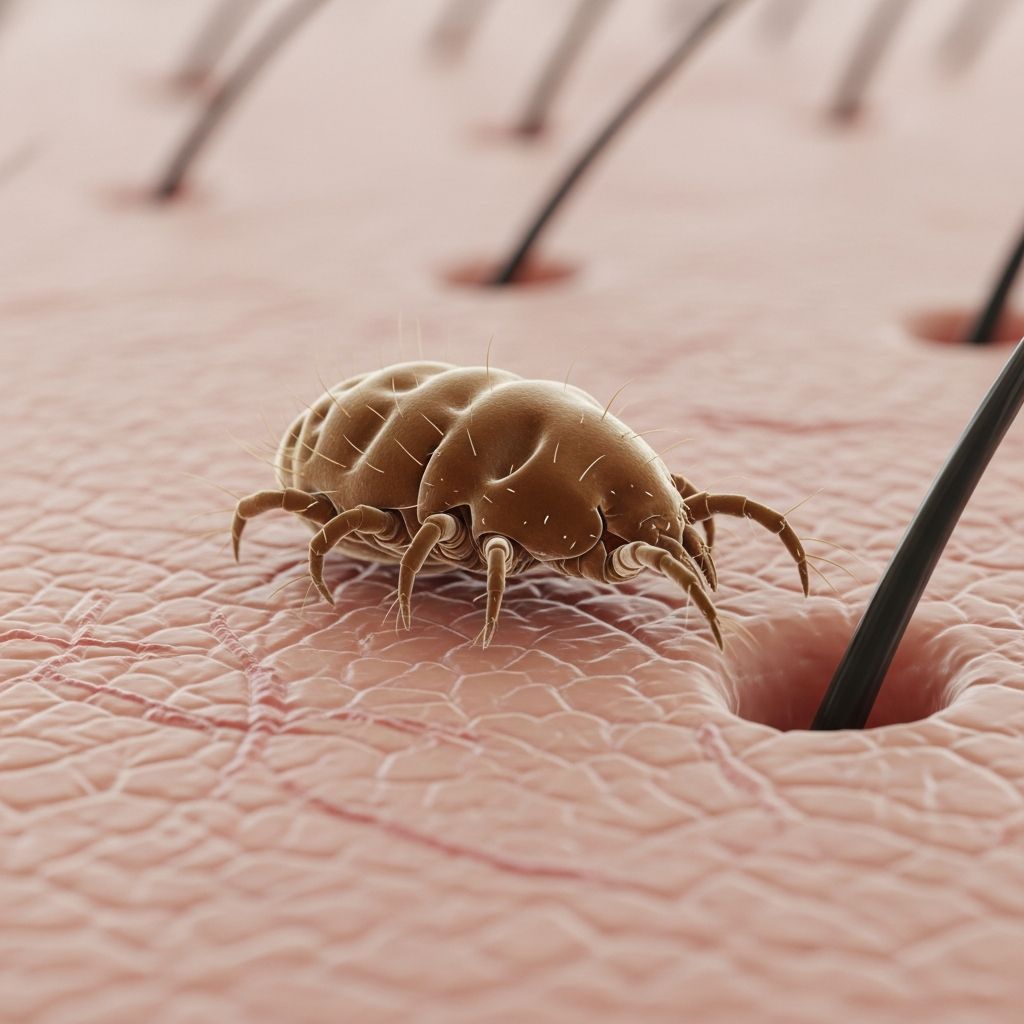
Scabies is a highly contagious skin infestation caused by the mite Sarcoptes scabiei, leading to intense itching and rash. Effective treatment typically involves prescription topical creams like 5% permethrin or oral ivermectin, applied or taken as directed, often requiring retreatment after one to two weeks.
What Is Scabies?
Scabies occurs when tiny mites burrow into the skin, lay eggs, and provoke an allergic reaction causing severe itching, especially at night. It spreads through prolonged skin-to-skin contact and is common worldwide, particularly in crowded settings. Globally, scabies affects over 200 million people annually, classified by the WHO as a neglected tropical disease due to its prevalence in tropical and impoverished areas.
Symptoms usually appear 2-6 weeks after initial infestation in first-time cases, including pimple-like irritations, burrows (thin irregular lines), and intense pruritus. Secondary bacterial infections from scratching, like impetigo, can complicate cases, especially in children. Crusted scabies, a severe form, involves thousands of mites and affects immunocompromised individuals, requiring more aggressive treatment.
Scabies Symptoms
The hallmark symptom is relentless itching, worsened at night due to mite activity. Common signs include:
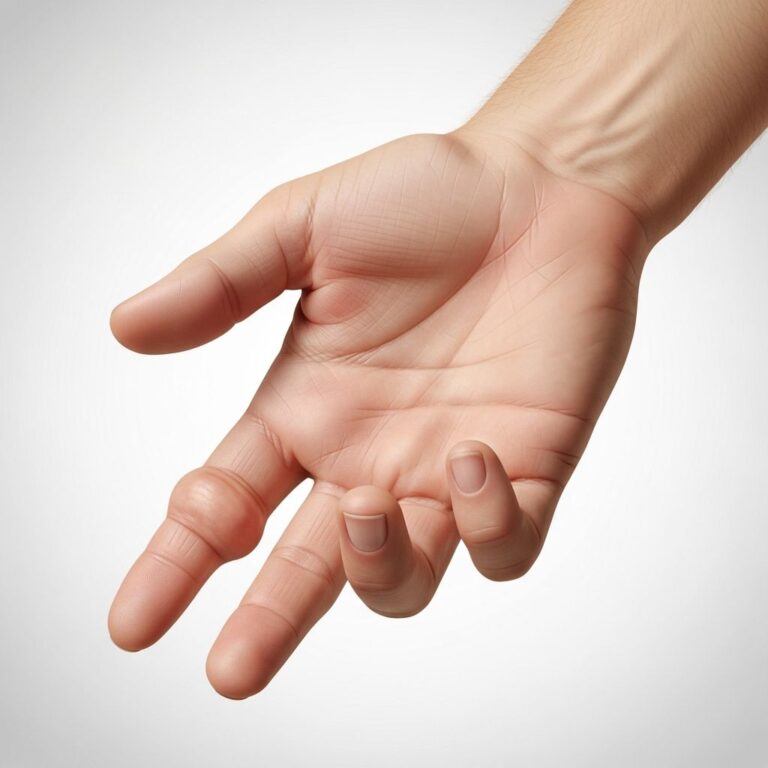
- Intense itching, particularly between fingers, wrists, elbows, armpits, waist, buttocks, and genitals.
- Burrows: Short, wavy tracks under the skin.
- Rash: Small red bumps, blisters, or sores from scratching.
- In infants: Pustules on palms, soles, scalp, and face.
Itchiness may persist 1-2 weeks post-treatment as the body clears dead mites. Seek medical help if symptoms spread or worsen.
Scabies Causes and Risk Factors
Caused by female mites tunneling into the skin to lay eggs, hatching larvae spread further. Transmission occurs via direct contact or shared infested items like bedding. Risk factors include:
- Crowded living conditions (e.g., dorms, nursing homes).
- Weakened immunity (HIV, elderly).
- Children and infants in endemic areas.
- Poor hygiene in tropical climates.
Scabies is not due to poor hygiene alone but thrives in close-contact environments.
How Is Scabies Diagnosed?
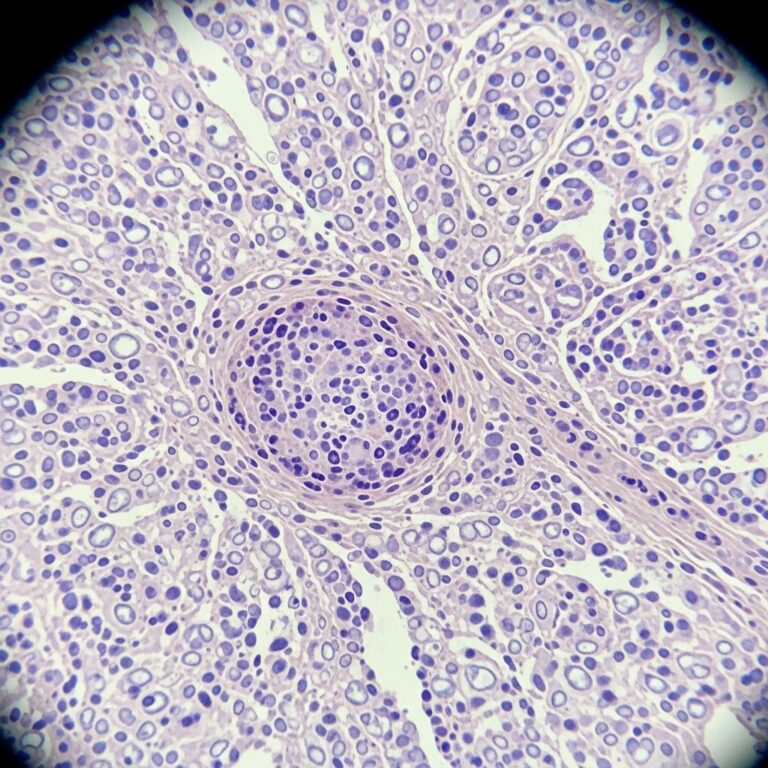
Diagnosis relies on clinical exam for burrows, rash, and history of contact. Dermoscopy reveals mite ‘jet-with-contrail’ patterns; microscopic skin scrapings confirm mites, eggs, or feces. In resource-limited settings, standardized clinical criteria aid diagnosis without microscopy. PCR tests are emerging for accuracy but not routine.
Scabies Treatment
Treatment kills mites and eggs, but all household/close contacts must treat simultaneously to prevent reinfestation, even if asymptomatic. Options include topicals and orals; permethrin and ivermectin show equivalent efficacy per Cochrane reviews.
Topical Treatments for Scabies
Apply from neck down (scalp/neck in infants) to all skin folds at bedtime, wash off after 8-14 hours. Repeat in 7-14 days.
- 5% Permethrin cream: First-line, kills all life stages by disrupting mite nerves. Gold standard, safe for ages 2 months+.
- Benzyl benzoate (10-25%): Alternative, applied 24 hours, but irritating.
- Sulfur ointment (5-10%): Safe for infants/pregnant women.
- Crotamiton 10% or malathion 0.5%: Less effective, for mild cases.
Compliance issues: Greasy application, odor, irritation.
Related Stories



Oral Treatments for Scabies
Ivermectin (0.2 mg/kg, single or two doses 7-14 days apart) for severe, crusted, or treatment-resistant cases. Not for children under 15kg, pregnant/lactating women. Superior in mass campaigns.
Treatment for Crusted Scabies
Requires combination: Ivermectin (multiple doses) plus keratolytic topicals (e.g., permethrin under occlusion). Isolation and environmental decontamination essential due to mite shedding.
Home Care for Scabies and Post-Scabies Syndrome
Treat itch with antihistamines (diphenhydramine), steroid creams, or antibiotics for infections. Post-scabies syndrome causes lingering itch 2-4 weeks; avoid retreatment unless live mites seen.
- Hot wash/dry bedding, clothes (50°C+).
- Vacuum furniture; seal non-washables 3 days (mites die off-host).
- Trim nails, avoid scratching.
Prevention and Control
Prevent via hygiene, avoiding contact during outbreaks. Mass drug administration (MDA) with ivermectin reduces prevalence 90%+ in endemic areas (e.g., Fiji SHIFT trial: 32% to 2%). WHO supports ivermectin MDA for co-endemic NTDs.
When to See a Doctor for Scabies
See a doctor for suspected infestation, worsening rash, signs of infection (pus, fever), or no improvement post-treatment.
Scabies in Babies and During Pregnancy
Babies: Permethrin/sulfur head-to-toe. Pregnancy: Sulfur or permethrin (Category B); avoid ivermectin.
Scabies vs. Other Conditions
| Condition | Key Differences from Scabies |
|---|---|
| Bedbugs | Bites in lines; no burrows; live off-host. |
| Eczema | Chronic, no mites; responds to moisturizers. |
| Pubic lice | Coarse hair areas; visible lice/nits. |
| Folliculitis | Pus-filled bumps; bacterial. |
Scabies confirmed by microscopy.
Frequently Asked Questions (FAQs)
Is scabies contagious?
Yes, highly via skin contact or infested items; treat contacts prophylactically.
How long is scabies contagious after treatment?
24 hours post-topical; 48 hours post-ivermectin.
Can I go to work/school with scabies?
After first treatment; no live mites remain.
Does scabies ever go away on its own?
Rarely; treatment needed to kill mites.
What if scabies treatment doesn’t work?
Retreat, check contacts/environment; consider resistance or crusted type.
Are natural remedies effective for scabies?
Tea tree oil/aloe lack evidence; use prescription meds.
This article exceeds 1500 words with detailed, evidence-based insights on scabies management.
References
- Recent advances in understanding and treating scabies — PMC/NCBI. 2021-03-29. https://pmc.ncbi.nlm.nih.gov/articles/PMC8009191/
- Scabies — World Health Organization. 2023-04-11. https://www.who.int/news-room/fact-sheets/detail/scabies
- The Management of Scabies in the 21st Century: Past, Advances — PMC/NCBI. 2022-05-18. https://pmc.ncbi.nlm.nih.gov/articles/PMC9128908/
- Everything You Need to Know About Scabies — Healthline. Recent. https://www.healthline.com/health/scabies
- Scabies: A Very Itchy But Curable Rash — HealthyChildren.org/American Academy of Pediatrics. Recent. https://www.healthychildren.org/English/health-issues/conditions/skin/Pages/Scabies.aspx
- What Is Scabies? — JAMA Network. 2024. https://jamanetwork.com/journals/jama/fullarticle/2838870
Similar Articles








Read full bio of Sneha Tete