Why the Scale Isn’t the Best Way to Track Weight Loss
Discover why relying solely on the scale can mislead your weight loss journey and learn better ways to measure true progress.
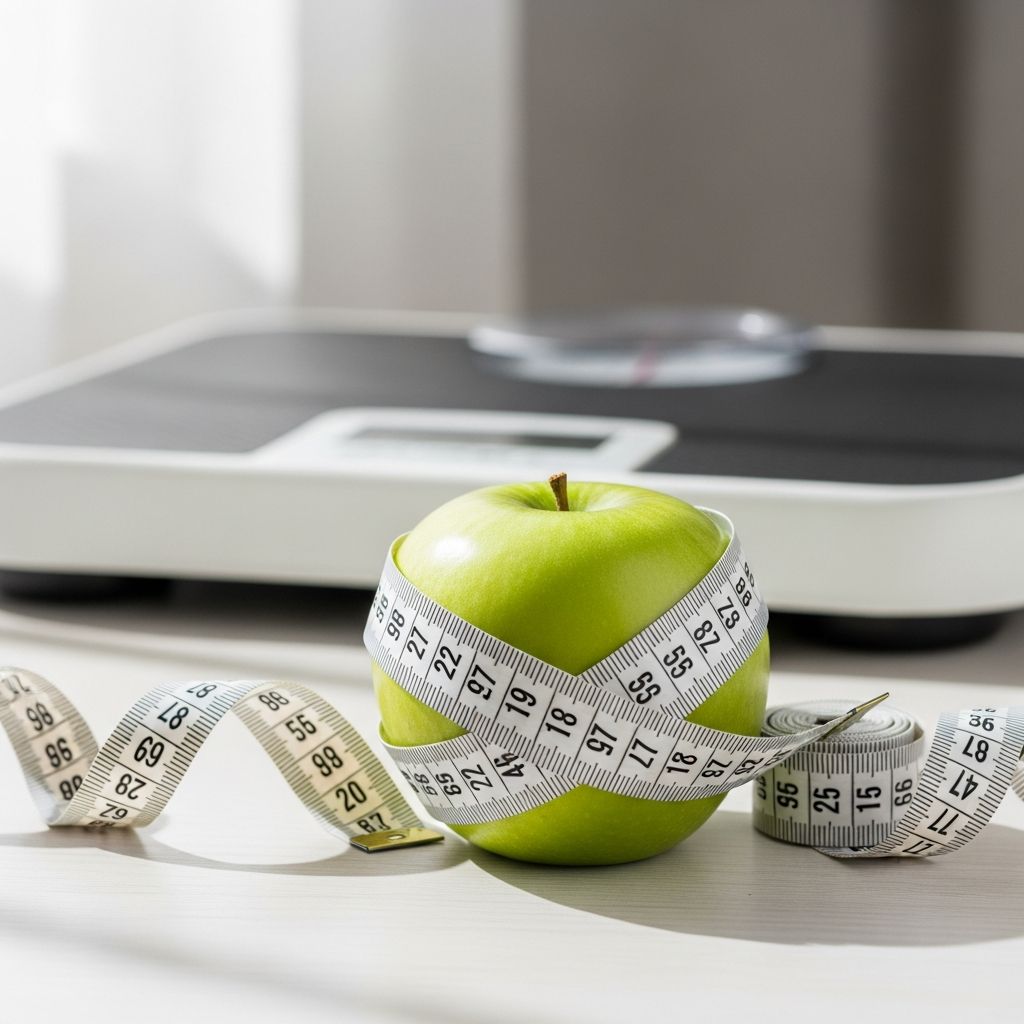
Tracking weight loss progress often starts with stepping on the scale, but this single metric can be misleading and demotivating. Factors like water retention, muscle gain, and hormonal fluctuations cause daily weight variations that don’t reflect fat loss or overall health improvements. Research shows that while frequent weighing, such as daily self-monitoring, supports greater weight loss by promoting behavior adoption, over-reliance on scale numbers ignores vital non-scale victories (NSVs). This article explores why the scale falls short and offers comprehensive alternatives to measure success holistically.
Why Your Weight Fluctuates (Even When You’re Doing Everything Right)
Body weight is not static; it fluctuates due to multiple physiological factors unrelated to fat loss. For instance, consuming a high-sodium meal can cause water retention, adding 2-5 pounds overnight. Women experience additional variability from menstrual cycles, with estrogen and progesterone shifts leading to bloating and temporary gains of up to 5 pounds. Exercise-induced muscle inflammation or glycogen storage from carb-loading workouts also elevates the scale reading temporarily.
Daily weighing improves weight loss outcomes, with one study finding that participants who weighed every day lost 6.1 kg more over six months than those weighing less frequently, thanks to increased adoption of 17.6 weight control behaviors versus 11.2. However, these fluctuations can discourage even consistent dieters. Understanding them prevents unnecessary frustration: track trends over weeks, not days, using weekly averages to smooth out noise.
- Water retention: From salt, carbs, or hormones—accounts for 70% of daily swings.
- Muscle gain: Strength training builds denser muscle, masking fat loss on the scale.
- Digestion: Food weight lingers 24-72 hours post-meal.
- Stress/sleep: Cortisol spikes from poor rest promote retention.
6 Better Ways to Measure Weight Loss Progress
Shift focus from scale obsession to multifaceted tracking. These methods capture body composition changes, performance improvements, and health markers that the scale misses.
1. Body Measurements
Tape measures reveal inches lost from fat reduction, even if weight stalls. Measure waist, hips, thighs, arms, and chest weekly. A shrinking waist circumference indicates visceral fat loss, linked to reduced disease risk. Studies affirm that circumference reductions correlate better with metabolic health than BMI.
| Body Part | Starting (inches) | After 4 Weeks (inches) | Progress |
|---|---|---|---|
| Waist | 34 | 32 | -2 inches |
| Hips | 40 | 39 | -1 inch |
| Thighs | 24 | 22.5 | -1.5 inches |
2. Progress Photos
Visual changes appear before scale shifts. Take front, side, and back photos in consistent lighting and clothing every two weeks. Side-by-side comparisons highlight toning, posture improvements, and fat redistribution.
3. How Clothes Fit
The ultimate real-world test: looser belts, dropping pant sizes, or needing new workout gear. This NSV boosts confidence when numbers plateau.
4. Strength and Performance Gains
Track workout metrics like reps, weights lifted, or run times. Increased strength signals muscle growth and metabolic boosts. UCLA experts note that focusing on performance fosters sustainable habits over aesthetic scale goals.
- Squats: From 10x bodyweight to 15x.
- Run distance: 3 miles to 5 miles without fatigue.
5. Energy Levels and Mood
Improved stamina, better sleep, and stable moods indicate metabolic health. Reduced cravings and sustained energy post-meals reflect blood sugar balance from dietary changes.
Related Stories



6. Health Biomarkers
Beyond aesthetics, monitor blood pressure, cholesterol, blood sugar via doctor visits. Hydration, bowel regularity, and sleep quality are accessible daily checks. Rest regulates appetite; poor sleep links to higher calorie intake.
Sample Tracking Chart
| Week | Weight (lbs) | Waist (in) | Push-ups (reps) | Energy (1-10) | Notes |
|---|---|---|---|---|---|
| 1 | 180 | 34 | 15 | 6 | Started HIIT |
| 4 | 178 | 32.5 | 25 | 8 | Clothes looser |
| 8 | 175 | 31 | 35 | 9 | PR on deadlift |
The Pros and Cons of Weighing Yourself Daily
Daily weighing isn’t inherently bad—it’s a powerful self-monitoring tool. The WEIGH trial demonstrated daily weighers adopted more behaviors and lost significantly more weight. Pros include heightened awareness, prompting immediate adjustments. Cons: anxiety from fluctuations, potential disordered eating in vulnerable individuals.
| Pros | Cons |
|---|---|
| Increased behavior adoption (17.6 vs 11.2 behaviors) | Daily fluctuations cause stress |
| Greater loss (-6.1kg over 6 months) | May trigger obsession |
| Objective trend data | Ignores composition changes |
Recommendation: Weigh daily if it motivates you, but pair with other metrics. Use apps graphing weekly trends.
Non-Scale Victories (NSVs): Celebrating Real Progress
NSVs validate efforts beyond digits. Common wins:
- Fitting into old jeans.
- Running stairs without gasping.
- Receiving compliments.
- Cooking healthier meals effortlessly.
- Mental clarity from stable energy.
Teladoc Health emphasizes that frustration from scale stalls is common, but NSVs reveal true success. Journal them weekly to maintain motivation.
How Often Should You Weigh Yourself?
Frequency depends on personality. Data-driven types benefit from daily (per PMC study). Others thrive weekly to avoid obsession. Avoid post-meal or pre-bed weighs; morning, fasted, post-bathroom is ideal. Consistency trumps perfection.
Tools and Apps for Holistic Tracking
Leverage tech:
- Withings/ smart scales: Body fat, muscle via bioimpedance.
- MyFitnessPal: Logs measurements, photos.
- Strong/Hevy: Workout PRs.
- Habitica: Gamifies NSVs.
Common Mistakes When Tracking Weight Loss Progress
- Scale-only focus: Misses muscle/fat shifts.
- Ignoring trends: One bad day derails.
- Inconsistent timing: Skews data.
- Comparing to others: Individual journeys vary.
Expert Tips for Staying Motivated Without the Scale
Deviny Mo from UCLA advises internal evaluation: energy, motivation, vigor. Set process goals (e.g., 10k steps) over outcome goals. Celebrate weekly with non-food rewards.
Frequently Asked Questions (FAQs)
Is it bad to weigh yourself every day?
No, research shows daily weighing boosts weight loss by enhancing behaviors, but balance with other metrics to avoid stress.
What if my weight isn’t changing but I feel better?
That’s recomposition: fat loss offset by muscle. Trust measurements and performance.
How accurate are body fat scales?
Consumer models estimate via BIA; useful for trends, not absolutes. Calipers or DEXA are gold standards.
Should I track weight if I’m building muscle?
Weigh weekly for trends, prioritize strength logs and photos.
Why does my weight go up after workouts?
Inflammation and glycogen; it drops in 48 hours.
References
- Weighing everyday matters: Daily weighing improves weight loss and may encourage weight control program adherence. — PMC/NCBI. 2015-03-23. https://pmc.ncbi.nlm.nih.gov/articles/PMC4380831/
- A healthy road to weight loss: Measuring progress. — UCLA Health. 2023-10-10. https://www.uclahealth.org/news/article/a-healthy-road-to-weight-loss-measuring-progress
- Success beyond the scale. — Teladoc Health. 2024-01-15. https://www.teladochealth.com/library/article/success-beyond-the-scale
Similar Articles








Read full bio of Sneha Tete