Scaling & Root Planing: Deep Dental Cleaning Guide
Complete guide to scaling and root planing treatment for gum disease and oral health.
Scaling & Root Planing: Why You Might Need a Deep Dental Cleaning
Scaling and root planing is a deep dental cleaning procedure that represents one of the most effective nonsurgical treatments for gum disease. Unlike routine dental cleanings that focus on the surfaces of your teeth above the gum line, this specialized procedure reaches deep beneath your gums to remove harmful tartar and bacteria that accumulate around the roots of your teeth. If you have been diagnosed with mild to moderate gum disease, your dentist or periodontist may recommend this treatment to prevent tooth loss, reduce inflammation, and restore your oral health to optimal levels.
What Is Scaling and Root Planing?
Scaling and root planing is a nonsurgical deep dental cleaning that functions similarly to a standard dental cleaning but with significantly greater depth and effectiveness. The procedure involves two distinct yet complementary components: scaling and root planing. During the scaling phase, your dental professional removes plaque and tartar from your tooth surfaces, both above and below the gum line. The root planing phase follows, during which your provider smooths the root surfaces of your teeth to eliminate rough spots where bacteria and plaque tend to reattach. Together, these two techniques create an environment where your gums can heal properly and disease-causing bacteria cannot thrive.
This treatment is particularly important because it targets bacteria and tartar buildup in areas that standard brushing and flossing cannot reach. Your toothbrush and floss are effective for maintaining oral hygiene at home, but they cannot penetrate deep beneath the gum line where periodontal disease develops. Professional scaling and root planing bridges this gap, providing the thorough cleaning necessary to manage gum disease effectively.
When Do You Need Scaling and Root Planing?
Your dentist or periodontist will recommend scaling and root planing if you have developed symptoms associated with periodontitis, commonly known as gum disease. Several indicators suggest you may be a candidate for this procedure:
– Swollen gums that appear red or inflamed- Bleeding gums, particularly when brushing or flossing- Persistent bad breath or unusual taste in your mouth- Gums that have begun to recede from your teeth- Loose teeth or changes in your bite- Pockets between your teeth and gums that measure deeper than normal
Scaling and root planing is typically recommended as the first line of treatment for mild to moderate gum disease. If you have advanced periodontal disease, your dentist may recommend surgical interventions such as pocket reduction surgery or guided tissue regeneration in addition to or instead of scaling and root planing.
Who Can Perform This Procedure?
Several qualified healthcare providers can perform scaling and root planing procedures. Your treatment may be completed by:
– General dentists with appropriate training- Dental hygienists working under a dentist’s supervision- Periodontists (gum specialists) who have advanced training in gum disease treatment
Periodontists are particularly skilled in this procedure and often specialize in treating complex periodontal conditions. They possess extensive knowledge of gum disease progression and can tailor treatment plans to your specific needs.
The Scaling and Root Planing Procedure: Step-by-Step
Understanding what happens during your scaling and root planing appointment can help you prepare and know what to expect. The procedure typically follows these steps:
Related Stories



1. Anesthesia Administration
Your dentist or periodontist will begin by applying local anesthesia to numb your gums. This ensures you remain comfortable throughout the procedure, as the provider will be working deep below your gum line. The numbing agent allows for thorough cleaning without discomfort.
2. Tooth Scaling
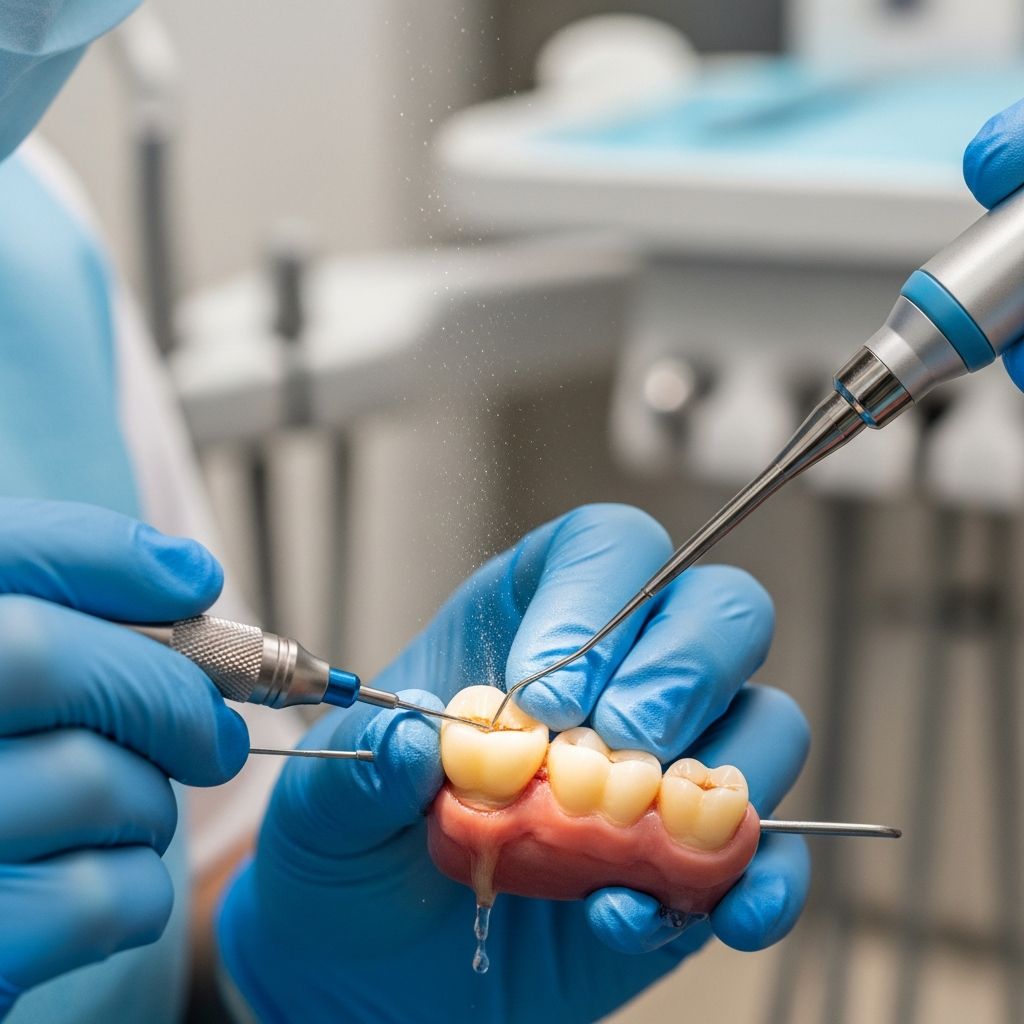
Using specialized hand scalers or ultrasonic instruments, your provider removes plaque and tartar from your tooth surfaces. Hand scalers are metal instruments with sharp edges designed to manually remove buildup, while ultrasonic scalers vibrate at high frequencies and spray a fine mist of water to dislodge tartar more efficiently. You may hear scraping sounds during this phase, but the anesthesia prevents any pain. Your provider carefully removes all visible tartar deposits, both above and below the gum line.
3. Root Planing
After scaling is complete, your provider moves on to root planing. This involves smoothing the surfaces of your tooth roots to eliminate rough spots and irregularities where bacteria readily attach and multiply. By creating smooth root surfaces, your dentist reduces the likelihood that plaque and bacteria will recolonize these areas. This smoothing also encourages your gum tissue to reattach properly to your teeth.
4. Antibiotic Application
Some dentists inject antibiotics directly around your teeth roots or may prescribe oral antibiotics for you to take after the procedure. These antibiotics help eliminate remaining bacteria and prevent infection during the healing process. Your provider will give you specific instructions regarding any medications prescribed.
Procedure Duration and Scheduling
A typical scaling and root planing appointment takes between one to two hours to complete. The exact duration depends on several factors, including the extent of tartar buildup, the number of teeth affected, and the complexity of your specific situation. Some dentists complete the entire procedure in a single appointment, while others prefer to divide the treatment across two visits, cleaning half your teeth during the first appointment and the remaining teeth during a second visit approximately one to two weeks later.
Your dentist will discuss scheduling options with you and consider your preferences, insurance coverage, and treatment timeline. Dividing the procedure into two appointments can be beneficial as it allows each side of your mouth to heal before the other side is treated, and it may reduce post-treatment sensitivity.
Recovery and Aftercare
Most people can return to their normal daily activities immediately following scaling and root planing. This procedure is considerably less invasive than surgical gum treatments, as it requires no incisions or stitches. You can typically eat and drink normally, though it is wise to avoid very hot, cold, hard, or sticky foods for the first few days while your gums heal and sensitivity diminishes.
Your dentist will provide you with specific aftercare instructions tailored to your situation. These guidelines are designed to promote healing and prevent complications. Follow these instructions carefully and do not hesitate to ask questions if anything is unclear.
During recovery, you may experience some temporary side effects:
– Tooth sensitivity to hot and cold temperatures- Mild soreness or tenderness of your gums- Slight bleeding when brushing or flossing- Minor swelling of the gums
These side effects typically resolve within a few days to a week as your gums heal. If symptoms persist or worsen, contact your dentist immediately.
Benefits of Scaling and Root Planing
This deep cleaning procedure offers numerous benefits for your oral health and overall well-being:
– Stops the progression of gum disease and prevents further damage- Eliminates disease-causing bacteria deep below the gum line- Reduces inflammation and bleeding gums- Helps prevent tooth loss by improving gum attachment- Decreases bad breath caused by bacterial buildup- Improves overall oral health and supports systemic health- May prevent the need for more invasive surgical procedures
Potential Complications and Risks
Scaling and root planing is a safe and well-established procedure with a strong track record. Complications are rare, but you should be aware of potential risks:
– Temporary tooth sensitivity- Gum soreness or tenderness- Mild bleeding or swelling- Infection (very uncommon when proper aftercare is followed)- Temporary discomfort at the treatment site
Most side effects are minor and resolve on their own within several days. If you develop signs of infection such as increased pain, swelling, fever, or pus, contact your dentist immediately.
Frequency and Long-Term Outlook
Ideally, you will need scaling and root planing only once. After your dentist removes the tartar and bacteria, regular dental cleanings and consistent good oral hygiene practices should maintain your improved gum health. The goal of treatment is to improve the health of your gums so significantly that you won’t require another deep cleaning.
However, some patients with severe gum disease or those who do not maintain excellent oral hygiene may need periodic scaling and root planing treatments. Your dentist will monitor your gum health during regular checkups and recommend treatment only if necessary.
Maintaining Gum Health After Treatment
The success of scaling and root planing depends partly on professional treatment but significantly on your commitment to home care. To maintain your improved gum health and prevent recurrence of gum disease:
– Brush your teeth thoroughly at least two to three times daily- Floss daily to remove plaque between teeth and below the gum line- Use an antimicrobial mouthwash as recommended by your dentist- Visit your dentist regularly for professional cleanings and examinations- Avoid tobacco products, which impair gum healing and increase disease risk- Eat a balanced diet rich in nutrients that support gum health- Manage stress, which can impact immune function and gum disease risk- Ask your dentist to demonstrate proper brushing and flossing techniques
Is Deep Cleaning the Only Solution?
Yes, scaling and root planing is the only way to effectively remove deep plaque and bacteria below your gum line. While excellent home oral hygiene is essential for maintaining dental health, standard brushing and flossing cannot reach areas where periodontal disease develops. Your toothbrush bristles cannot penetrate deep into periodontal pockets, and floss cannot clean root surfaces effectively. Professional deep cleaning with specialized instruments is necessary to address gum disease adequately.
However, both professional treatment and excellent home care are necessary for optimal results. Professional cleanings remove existing disease, while daily brushing and flossing prevent new plaque and tartar from accumulating.
When to Contact Your Dentist
Contact your dentist promptly if you experience any of the following after your procedure:
– Severe or increasing pain not relieved by over-the-counter pain medication- Significant swelling or bleeding that does not subside- Signs of infection such as fever, pus, or warmth at the treatment site- Persistent sensitivity that worsens after several days- Difficulty eating or speaking- Allergic reactions to anesthesia or medications
Your dentist is your partner in maintaining oral health and wants to ensure your recovery proceeds smoothly.
Frequently Asked Questions About Scaling and Root Planing
Q: How much does scaling and root planing cost?
A: Cost varies depending on the extent of treatment needed, your geographic location, and whether you visit a general dentist or periodontist. Many dental insurance plans cover a significant portion of scaling and root planing costs, particularly when it is medically necessary for gum disease treatment. Contact your insurance provider and dental office for specific pricing information.
Q: Will my insurance cover this procedure?
A: Most dental insurance plans cover scaling and root planing when diagnosed as necessary treatment for gum disease. However, coverage varies by plan. Check with your insurance company to understand your coverage, deductibles, and any out-of-pocket costs before your appointment.
Q: How long does it take to see results after scaling and root planing?
A: Gum inflammation typically begins to improve within one to two weeks after treatment. However, complete healing and stabilization of gum attachment can take several months. Your dentist will schedule follow-up appointments to monitor your progress.
Q: Is scaling and root planing painful?
A: No. Your dentist administers local anesthesia before the procedure, numbing your gums completely. You may experience pressure or vibrations but should not feel pain. If you do experience pain during treatment, inform your dentist immediately so they can administer additional anesthesia.
Q: Can I eat normally after scaling and root planing?
A: Yes, you can eat normally the same day. However, avoid very hot, cold, hard, or sticky foods for the first few days to prevent irritating your healing gums and reducing sensitivity.
Q: Will my teeth look different after scaling and root planing?
A: Your teeth may look slightly longer if your gums have receded, as tartar buildup previously concealed some tooth structure. This is normal and indicates successful treatment. As your gums heal and reattach, this appearance may improve somewhat.
Q: Can I prevent the need for scaling and root planing?
A: Excellent oral hygiene, including daily brushing and flossing, regular dental checkups, and avoiding tobacco products, significantly reduces your risk of developing gum disease severe enough to require deep cleaning. However, some people are genetically predisposed to gum disease, making prevention more challenging.
References
- Scaling and Root Planing: Why You Might Need a Deep Dental Cleaning — Cleveland Clinic. 2024-12-02. https://my.clevelandclinic.org/health/treatments/23983-tooth-scaling-and-root-planing
- Gum Disease Treatment — Cleveland Clinic. https://my.clevelandclinic.org/health/treatments/10907-gum-disease-treatment
- Periodontal Disease (Gum Disease): Causes, Symptoms & Treatment — Cleveland Clinic. https://my.clevelandclinic.org/health/diseases/21482-gum-periodontal-disease
- What is a Periodontist? Definition & Types of Periodontics — Cleveland Clinic. https://my.clevelandclinic.org/health/articles/23461-periodontics-periodontist
- How Dental Cleanings Work — Cleveland Clinic. https://my.clevelandclinic.org/health/treatments/11187-dental-check-up
- Dental Hygienists: What They Do & Qualifications — Cleveland Clinic. https://my.clevelandclinic.org/health/articles/dental-hygienist
Similar Articles








Read full bio of Sneha Tete